


Vintage Walnut Cabinet
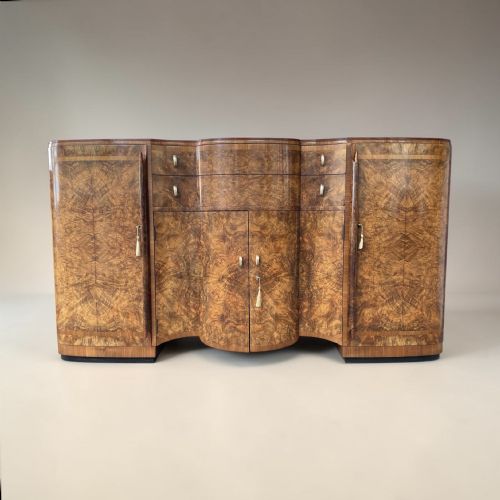
A vintage walnut cabinet brings warmth and striking grain patterns to a room, offering practical storage disguised as fine furniture.

Vintage Walnut Cabinet
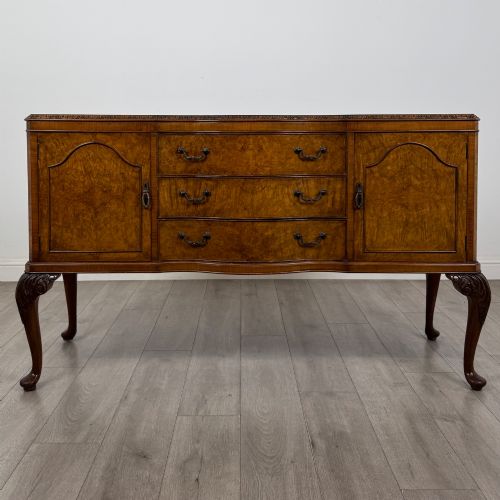
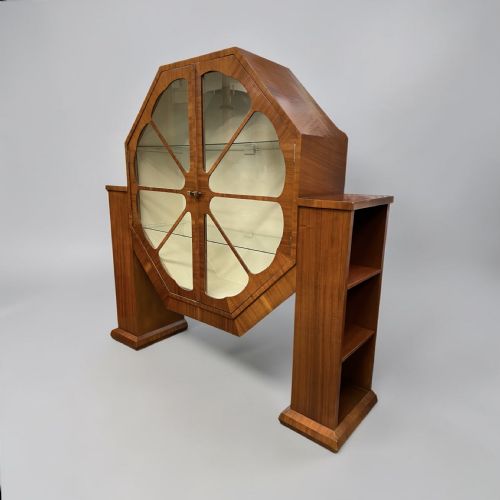
A vintage walnut cabinet encompasses a wide variety of storage and display pieces, stretching from nineteenth-century commodes and linen presses to twentieth-century Art Deco sideboards and cocktail cabinets. You will frequently encounter twentieth-century examples alongside Victorian and Edwardian iterations, reflecting enduring utility across different domestic spaces.
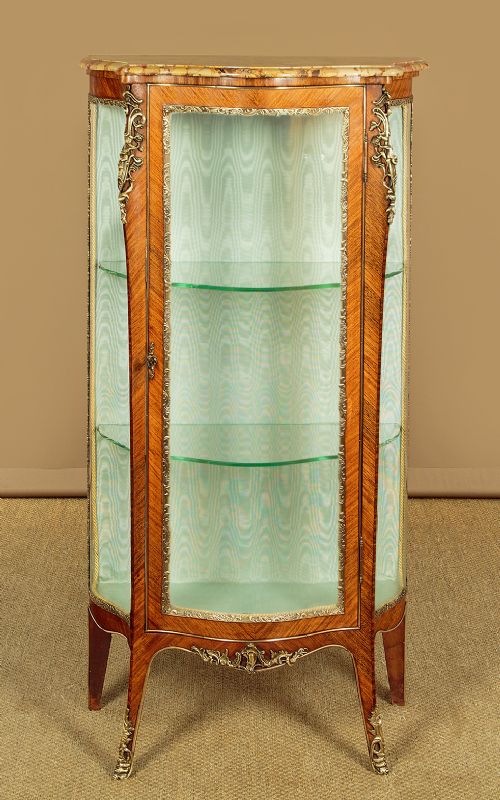
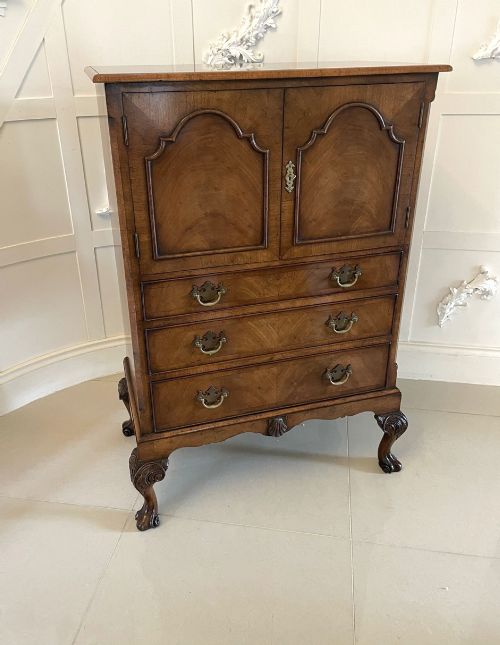
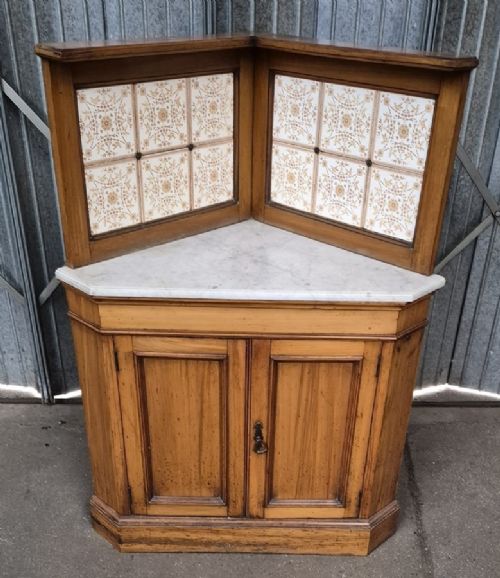
The selection ranges from tall wardrobes and chests on stands to compact bedside tables, corner cabinets, and glazed display vitrines. French provincial and revival styles frequently appear alongside British twentieth-century designs, showing diverse regional approaches to cabinet-making.
Makers and workshops utilised walnut for both its structural integrity and its decorative potential, resulting in diverse forms suited for dining rooms, hallways, and living spaces. Whether you seek a serpentine sideboard or a fitted wardrobe, the walnut surface remains the unifying characteristic of these pieces.
Materials and Construction
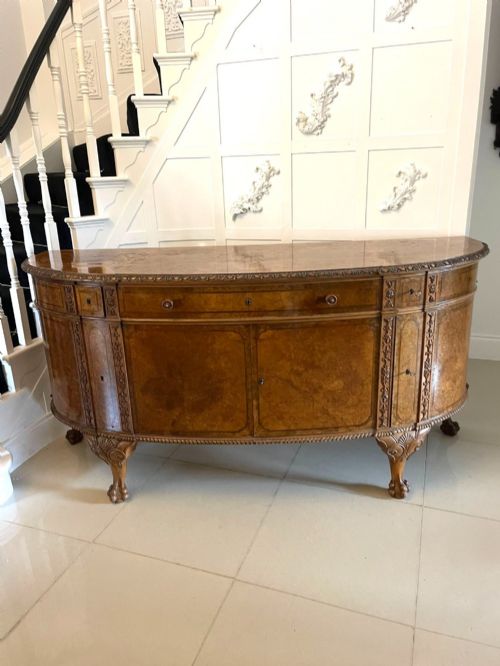
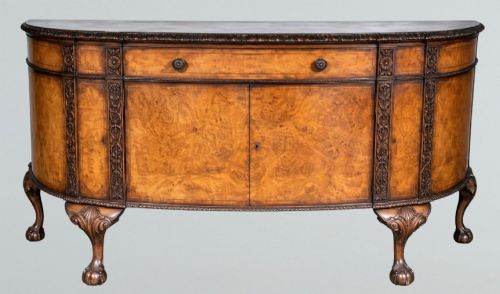
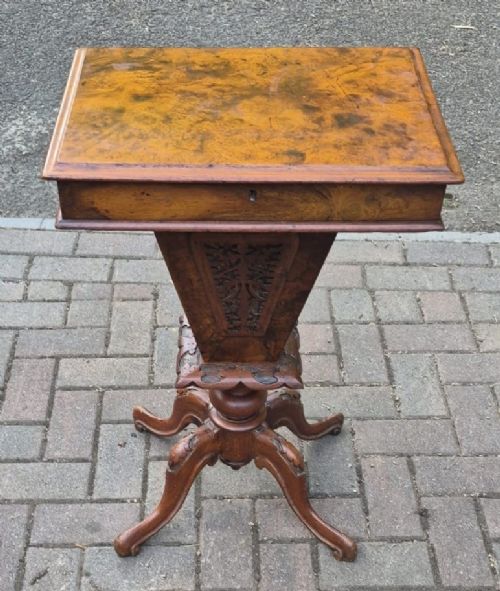
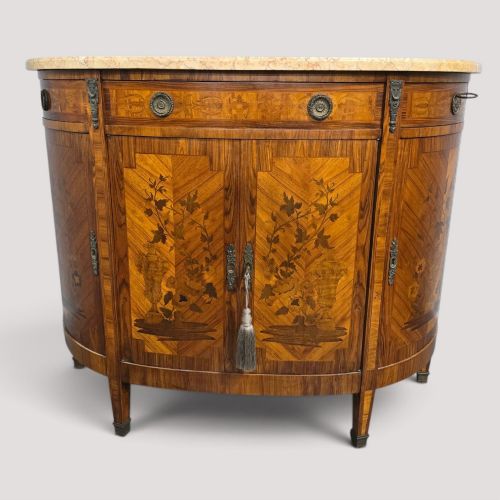
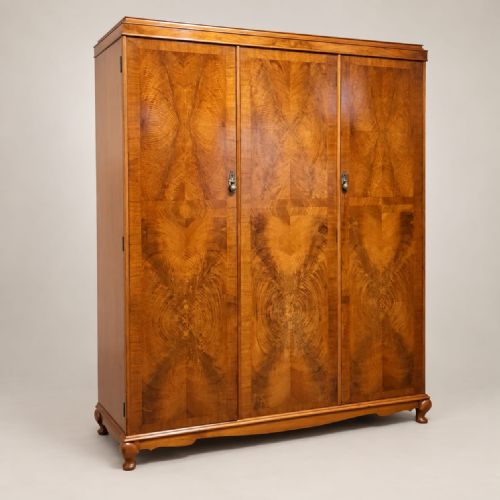
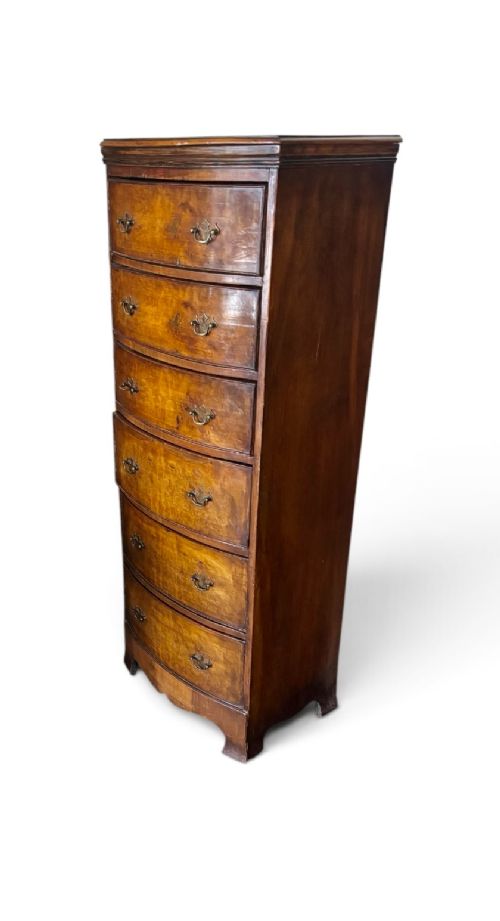
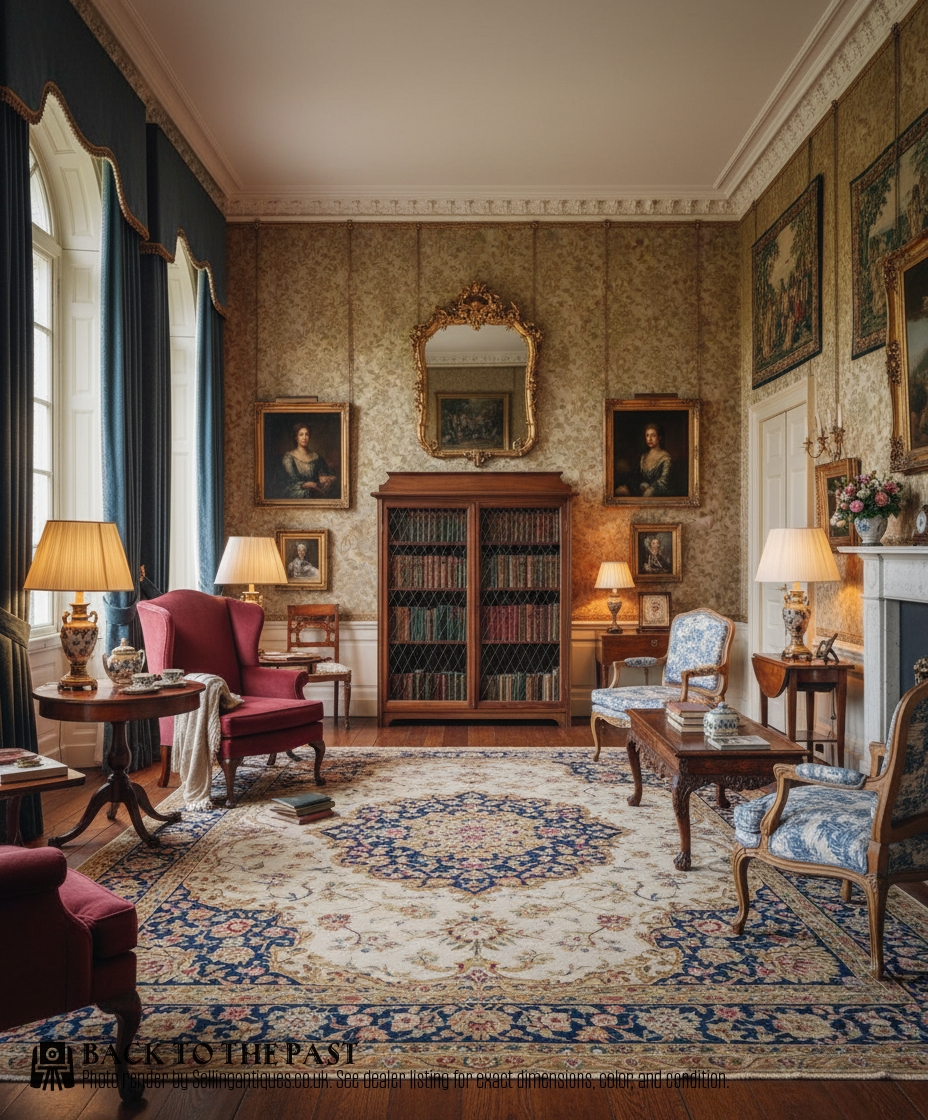
Makers utilised solid walnut and walnut veneer, frequently selecting burr walnut or figured walnut for external surfaces to showcase dramatic, swirling grain patterns. These wooden elements are often paired with contrasting materials such as marble tops, glass panels, and sycamore secondary timbers.
Decoration relied on marquetry inlay, carved detailing, and ormolu mounts, supplemented by brass handles and hinges that punctuate the dark wood. Traditional joinery methods secured the carcasses, whilst French polishing or similar finishes enhanced the natural lustre of the timber.
Vintage Walnut Cabinet Retail Price Guide 2026
Typical asking prices for vintage walnut cabinet among the pieces listed under this phrase on Sellingantiques today, from the lower quarter to the upper quarter. They describe what is for sale here now, not the wider market.
Some vintage sideboards arrive equipped with hidden cutlery sets, ready for impromptu Edwardian dining.
Judging Quality
Quality rests upon the selection and matching of the veneer, where symmetrical grain alignment across drawer fronts and doors denotes superior craftsmanship. The richness of the walnut tone and the crispness of any applied carving or marquetry further separate standard utility pieces from exceptional commissions.
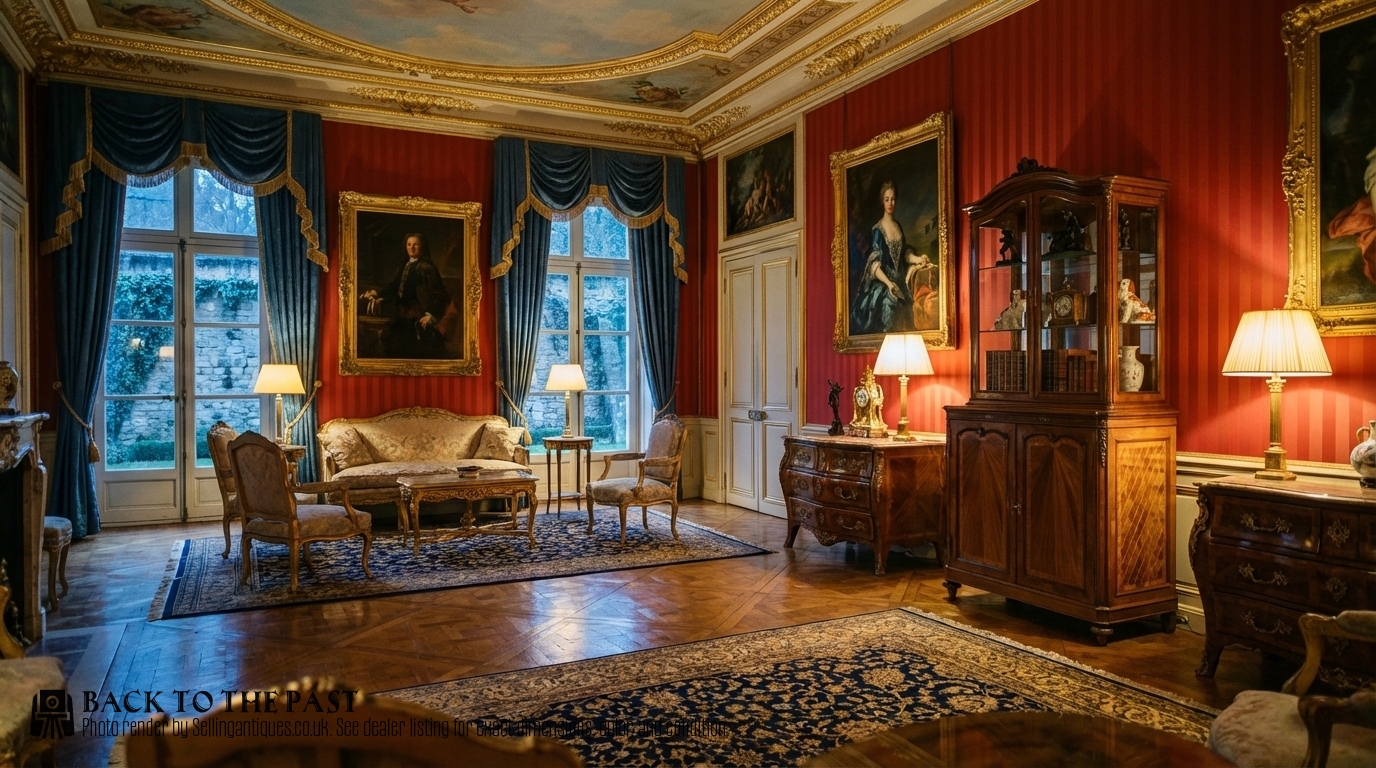
Structural integrity reveals itself in the weight of the timber, the smooth operation of drawers and doors, and the preservation of original brass hardware and marble surfaces. Pieces stamped by notable makers or exhibiting meticulous internal fitting command higher regard among collectors.
Maurice Adams·Edward Barnsley·Epstein
The Vintage Walnut Cabinet Glossary
- Burr walnut
- A prized wood harvested from the abnormal growth of a walnut tree, yielding intricate, swirling patterns used for decorative veneer. It is chosen for high-status furniture surfaces.
- Marquetry
- The art of applying pieces of veneer to a structure to form decorative patterns and pictures. Craftsmen assemble different woods to create complex visual motifs on cabinet doors and tabletops.
- Ormolu
- Gilded bronze applications used as decorative mounts on furniture. These metallic accents are typical of French-influenced pieces and revival styles.
- Tallboy
- A tall chest of drawers, often consisting of a smaller set of drawers stacked atop a larger base. This form maximises vertical storage space in domestic interiors.
- Vitrine
- A glass-fronted cabinet designed for displaying porcelain, glassware, or small decorative objects. These glazed pieces protect contents while permitting all-round visibility.
Vintage Walnut Cabinet: Frequently Asked Questions
How do I identify Art Deco walnut cabinets?
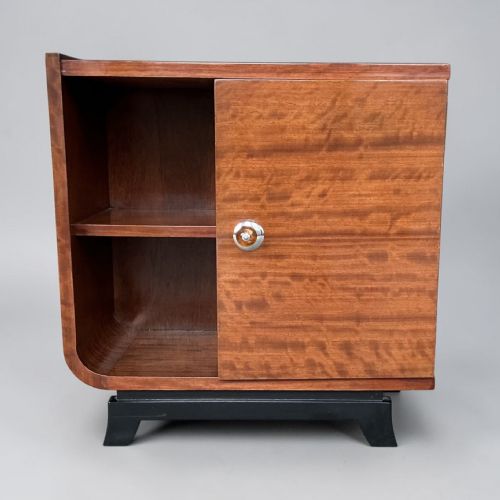
Art Deco pieces typically display streamlined geometric shapes, symmetrical figured walnut veneers, and contrasting light woods like sycamore. They often lack heavy ornamentation, relying instead on clean curves and stepped profiles.
Hardware on these cabinets tends to be understated, made from matching wood or simple metals, reflecting the modern aesthetic of the period.
Where should I place a walnut cabinet?
These cabinets suit living areas, dining rooms, and bedrooms, depending on whether the piece is a sideboard, cocktail cabinet, or wardrobe. Placing them out of direct sunlight preserves the rich colour and finish of the walnut veneer.
Ensure the room maintains stable humidity levels to protect the timber and prevent warping or veneer lifting over time.
Are marble top cabinets difficult to maintain?
Marble tops require simple cleaning with a damp cloth and mild soap, avoiding acidic substances that can etch the polished stone surface. The stone itself is durable and provides a practical, heat-resistant surface for serving or display.
Lifting rather than dragging the marble top when moving the cabinet prevents structural stress to the wooden base below.
What is the difference between solid walnut and walnut veneer?
Solid walnut uses thick timber throughout the construction, whereas walnut veneer applies a thin slice of highly figured wood over a stable secondary timber carcass. Veneering allowed makers to utilise expensive burr walnut efficiently without risking the warping inherent in large solid slabs.
Both methods produce robust furniture, but veneered pieces often display the most dramatic grain patterns on large flat surfaces.