

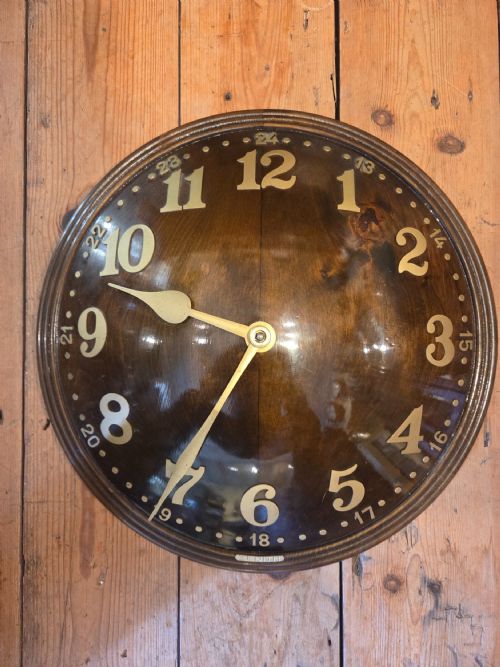
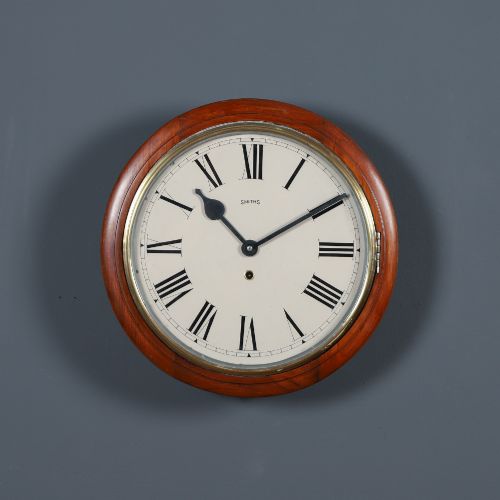
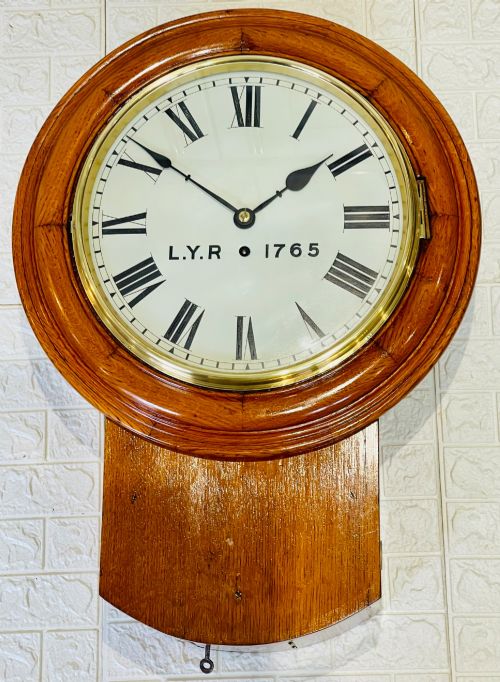
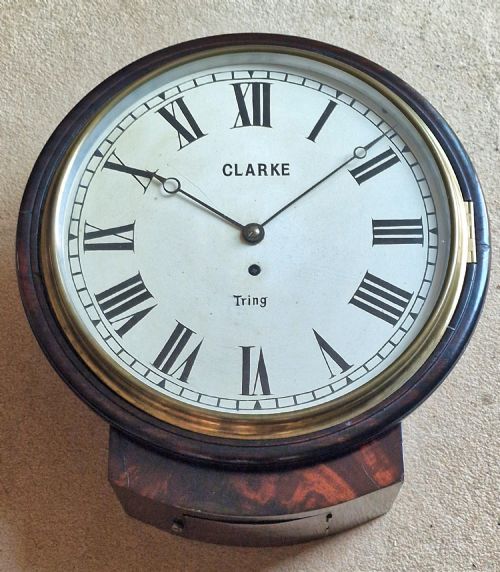


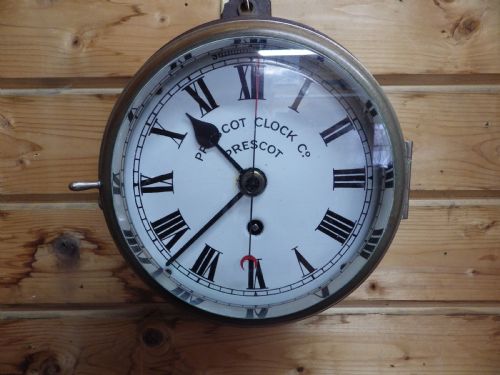
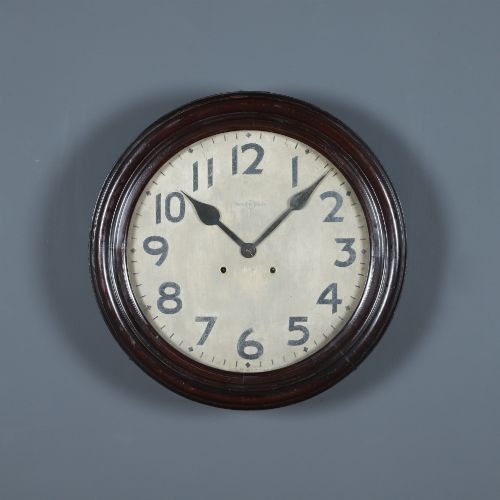
Vintage Wall Timepiece
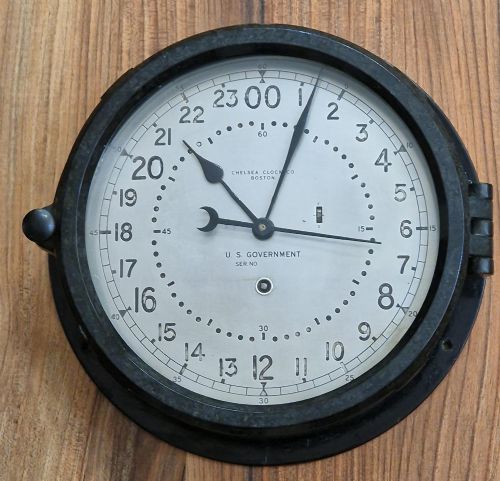
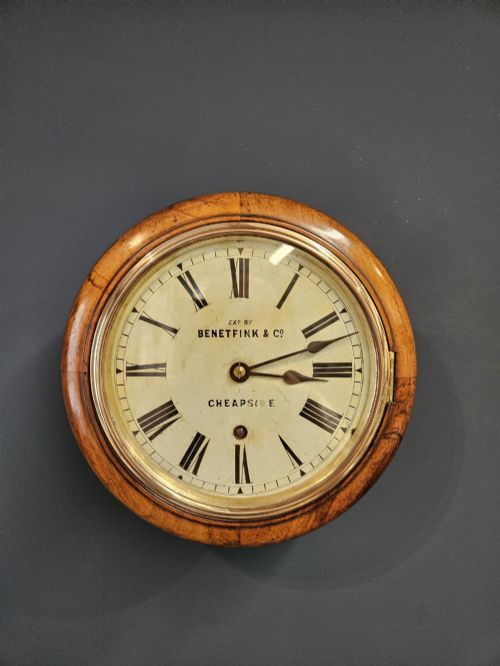
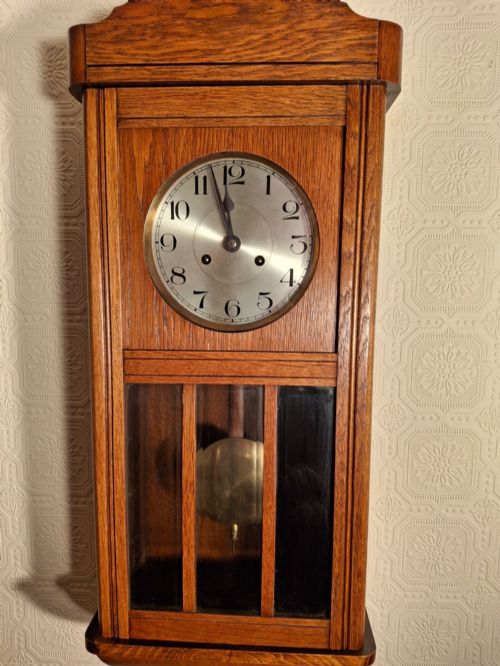
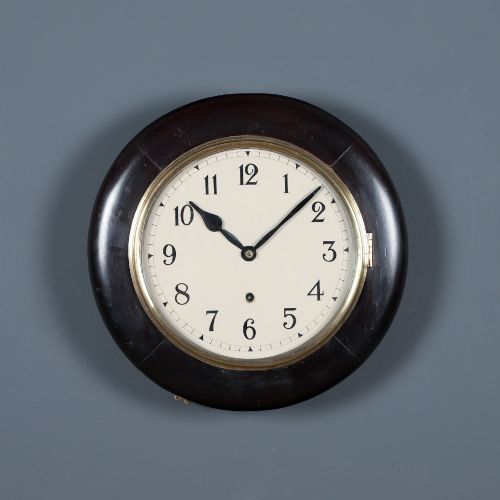
A vintage wall timepiece brings the precision of railway stations, coaching inns and domestic halls straight onto domestic timber.
Vintage Wall Timepiece
A vintage wall timepiece serves as the primary instrument for tracking hours within domestic rooms, railway termini, and municipal offices.
The versions most commonly met span the Victorian era through the mid-twentieth century, encompassing straightforward dial clocks, railway round dials, and drop-case designs.
Makers housed these mechanisms within sturdy timber surrounds or metal bodies designed to hang securely at eye level.
Materials and construction
Craftsmen utilised robust hardwoods like mahogany, oak, and walnut to build the foundational cases and framing for these hanging movements.
Brass, iron, and steel components form the internal fusee or spring-driven mechanisms, regulated by pendulums or balances.
Protecting the painted or papered dials, glazed bezels utilised clear glass fitted into hinged brass or wooden rims.
Vintage Wall Timepiece Retail Price Guide 2026
Typical asking prices for vintage wall timepiece among the pieces listed under this phrase on Sellingantiques today, from the lower quarter to the upper quarter. They describe what is for sale here now, not the wider market.
Several railway station clocks carry the accumulated smoke of countless steam locomotives upon their dials.
Distinctions in quality
Quality rests in the precision and finish of the internal movement, where hand-cut brass plates and well-executed fusee cones distinguish superior work from standard production.
Case carpentry defines the exterior standard, showing in the crispness of carved details, the matching of wood grain on drop dials, and the integrity of jointing.
Signatures of accomplished makers or retail houses stamped upon the dial elevate the piece above uncredited utility instruments.
Thomas Langley·John Spershott·Benj Reeves Lamberhurst·John Thwaites·John Walker
The Vintage Wall Timepiece Glossary
- Fusee
- A conical pulley connected to the mainspring by a chain or cord, designed to equalise the torque as the spring unwinds.
- Drop dial
- A clock case featuring a circular dial section at the top above an extended vertical trunk that houses the pendulum.
- Lantern clock
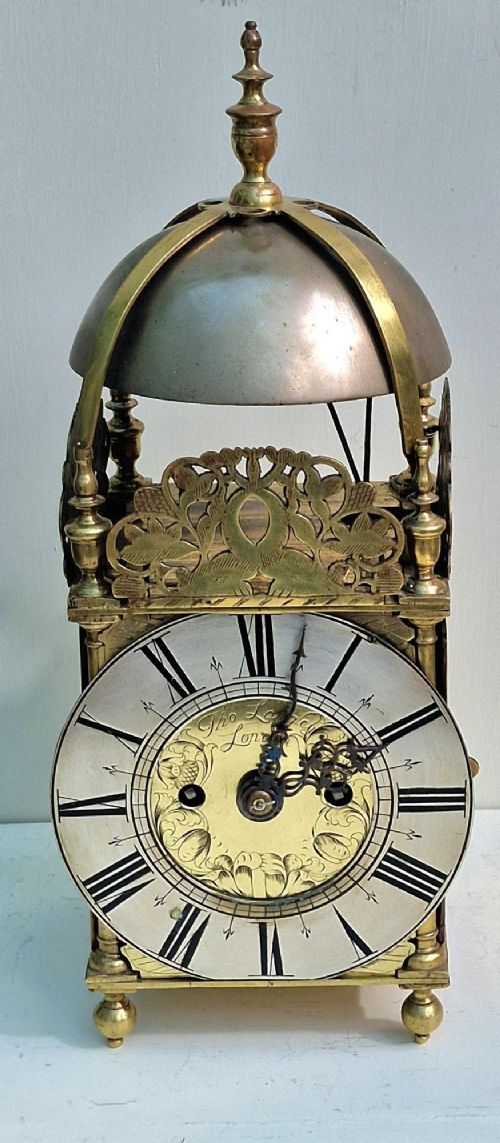
- An early weight-driven brass domestic clock of box-like proportions, suspended from a wall bracket.
- Dial clock
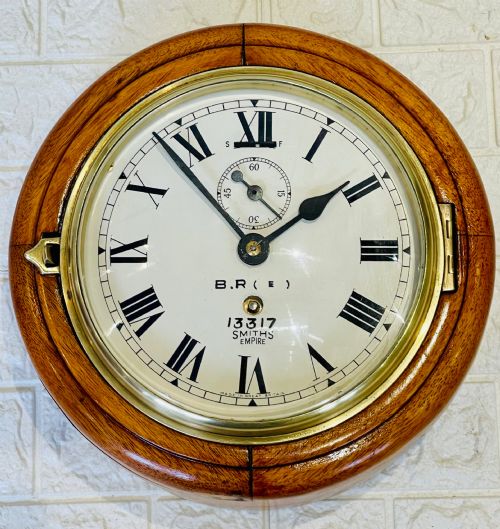
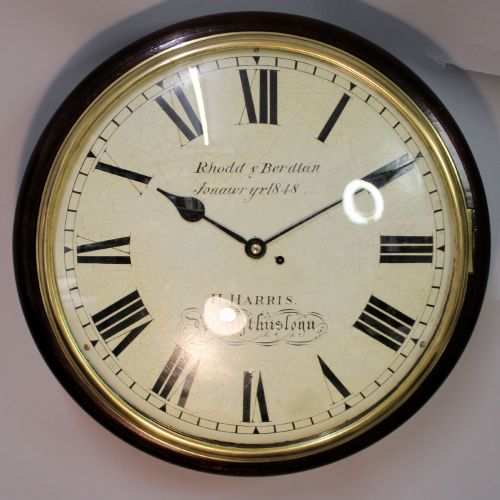
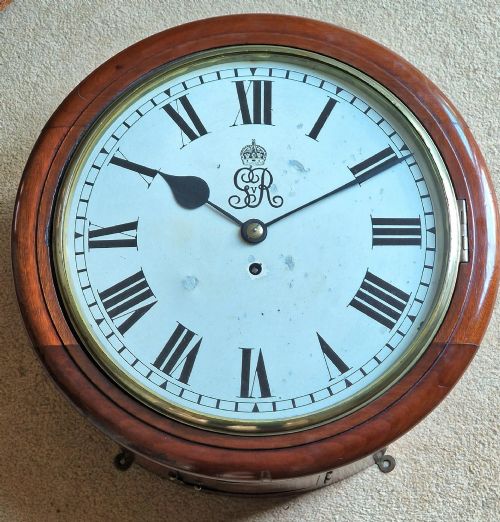
- A round-faced timepiece designed specifically for wall mounting in public or domestic spaces.
- Cartel clock
- An ornate wall clock housed within a decorative frame carved from wood or cast in metal.
Vintage Wall Timepiece: Frequently Asked Questions
How do fusee wall clocks work?
A fusee movement uses a conical pulley and a chain to regulate the pull of the mainspring. This ensures even power delivery to the gear train as the spring runs down.
Such mechanical design provides greater accuracy over the entire duration of the winding cycle compared to standard barrel spring drives.
Where should I hang a wall timepiece?
These clocks require a secure fixing directly into solid wall studs or masonry to support their substantial timber and metal weight. Placing them away from damp zones and heavy vibrations ensures the pendulum swings evenly.
Eye-level placement in hallways, kitchens, or living rooms allows for easy reading of the dial and straightforward access for weekly winding.
How do I wind an antique dial clock?
A specialised key fits onto the winding square located on the dial face, which is turned gently clockwise until resistance indicates the mainspring is fully tensioned. Care must be taken not to overwind the mechanism.
Most traditional eight-day timepieces require attention once a week, ideally on the exact same day to maintain consistent timekeeping habits.
What is the difference between a timepiece and a clock?
In horological terms, a timepiece refers specifically to a mechanism that indicates the hours and minutes without striking bells or chiming melodies. A clock typically incorporates a striking train to sound the hours.
Many railway and school wall instruments were built strictly as timepieces to maintain operational schedules quietly.