



Vintage Wall Painting Gold
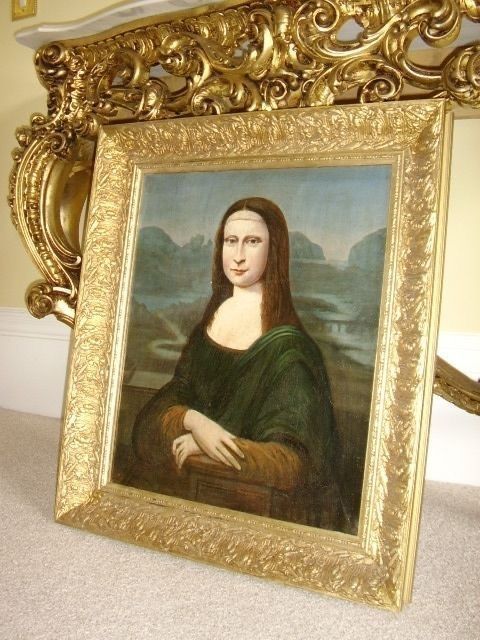
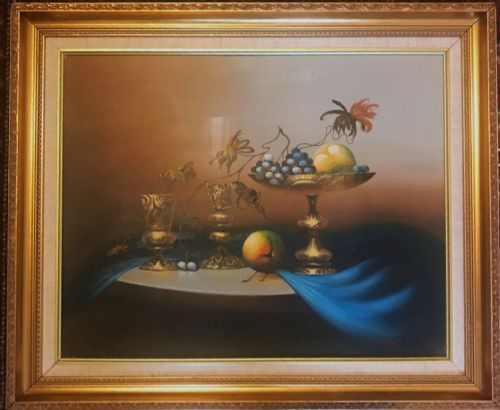
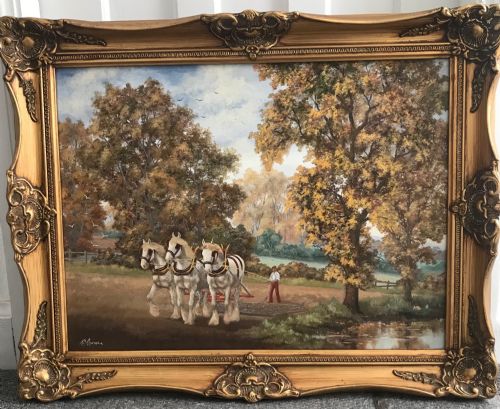
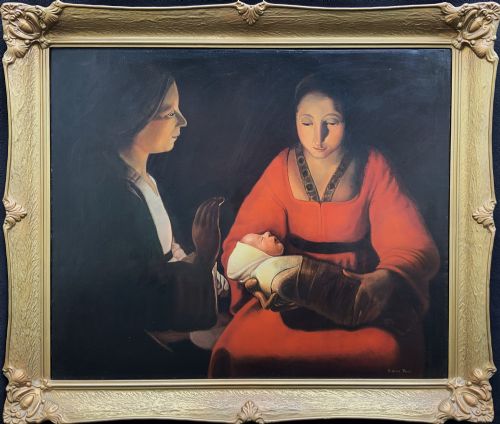
These vintage wall painting gold selections bring together framed canvases, portraits, and gilded mirrors spanning multiple centuries.
Vintage Wall Painting Gold
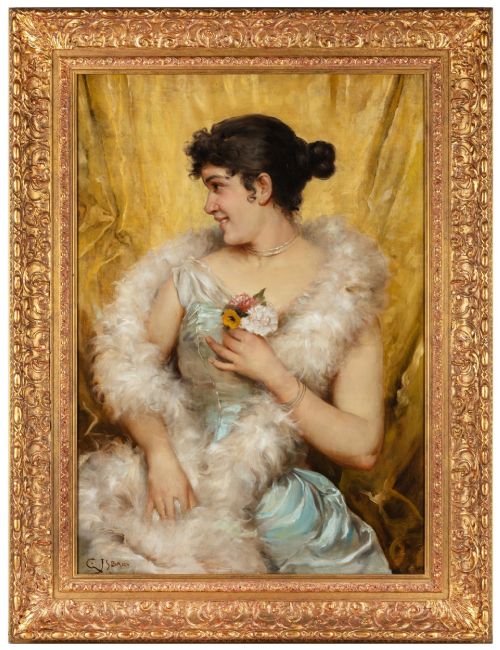
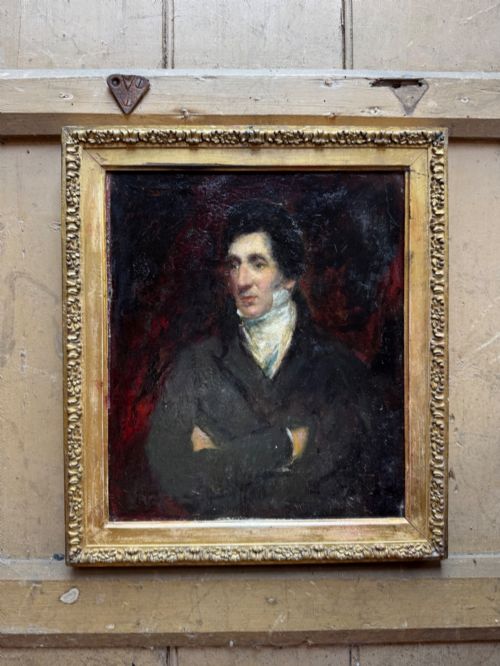
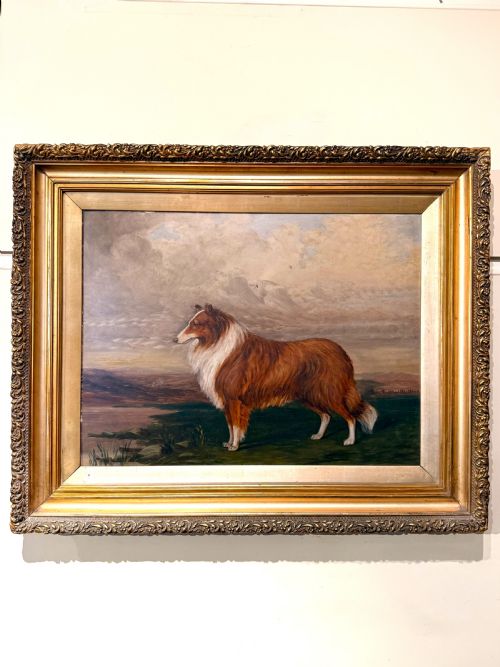
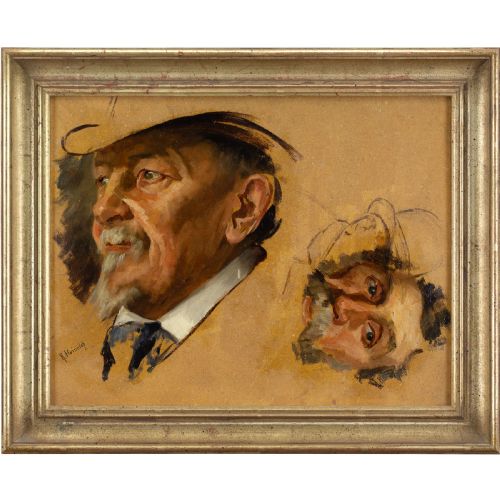
A vintage wall painting gold selection centres on framed oil and watercolour artworks alongside gilded wall mirrors from historical periods. Buyers search this phrase to find traditional portraits, landscapes, and marine scenes housed in decorative frames.
The most common examples on this page date from the nineteenth and early twentieth centuries, featuring oil on canvas or board. These works often display classical realism, maritime subjects, or still life arrangements.
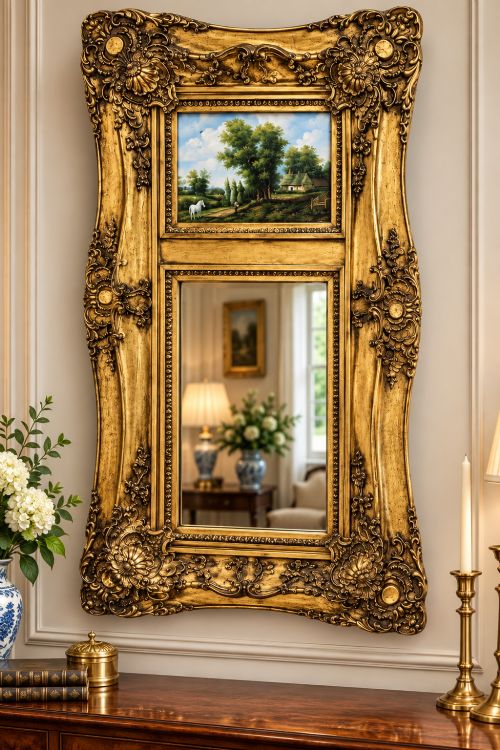
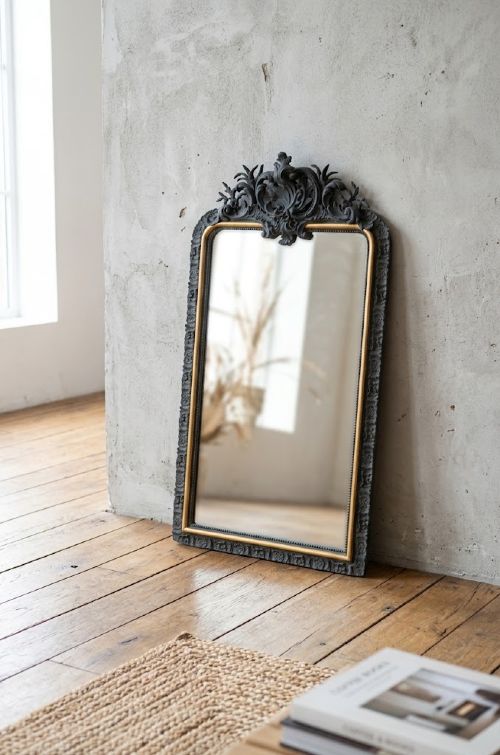
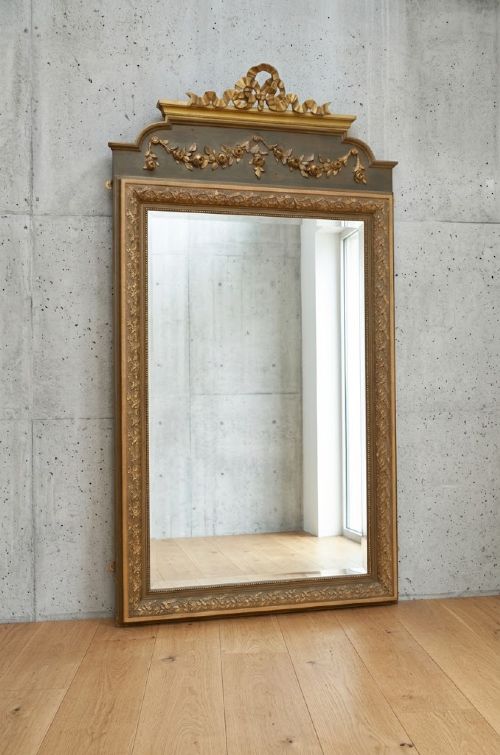
Alongside traditional paintings, the selection includes giltwood and gilded wall mirrors designed to hang as decorative centrepieces. These items range from French Empire pier mirrors to Belle Epoque examples with ribbon crests.
What varies in quality
The standard of an oil painting rests in the handling of brushwork, composition, and the preservation of the original canvas. Skilled artists achieved greater nuance in lighting, texture, and anatomical proportion.
For gilded frames and mirrors, quality depends on the crispness of the carved detail and the integrity of the original gilt finish. Intricate gesso ornamentation and well-preserved wooden structures elevate the piece.
The selection includes regional landscapes, maritime scenes, botanical watercolours, and traditional portraiture.
Jozsef Molnar·Georges de La Tour·John Hayls·Emily Eyres·Dumini Leopoldo·Eugène-Louis Gillot·Robert Heinrich·William McAlpine·Reginald Arthur Borstel·Kershaw Schofield·George Houston·William Banks Fortescue·Thomas W Lascelles·James Kay·Augusto Alberici·Gabriel Mathieu·C Sørensen·William Powell Frith
The Vintage Wall Painting Gold Glossary
- Giltwood
- Wood carved and covered with a thin layer of gold leaf or gold paint. This technique provided ornamental frames and mirrors with a reflective metallic surface.
- Oil on Canvas
- A painting medium where pigments are suspended in drying oils and applied to a stretched fabric support. This method allowed artists to blend colours smoothly and work with rich textures.
- Gesso
- A paint mixture consisting of a binder mixed with chalk, gypsum, or pigment. It served as a prepared base for wooden frames before gilding.
- Pier Mirror
- A tall wall mirror designed to hang on the wall space between two windows. These pieces often featured elaborate frames with painted or gilded details.
- Watercolour
- A painting method where water-soluble pigments are applied to paper. It produced translucent washes of colour suited to delicate botanical and landscape subjects.
Vintage Wall Painting Gold: Frequently Asked Questions
How do I date an antique oil painting?
Dating relies on examining the canvas preparation, stretcher construction, and the style of the frame. Pigment types and artist signatures also provide reliable chronological markers.
Historical clothing and hairstyles depicted in portraits offer further clues to the decade of creation.
Where should I hang a gilded mirror?
Gilded mirrors look best placed above a mantelpiece or on a primary wall where they can reflect natural light. Their reflective surfaces help brighten darker rooms.
Ensure the wall fixings are secure enough to support the heavy wood and glass construction.
How do I clean an oil painting?
Dust the surface gently with a soft, dry brush to remove loose particles without pressing into the paint. Avoid using water or liquid cleaners on aged canvases.
Professional conservation is recommended for deep cleaning or removing accumulated grime from historic varnish.
What is the difference between oil and watercolour?
Oil paint uses a slow-drying oil binder that allows artists to work in thick layers and blend tones over time. Watercolour uses water-soluble binders on paper, creating bright, transparent effects.
Watercolours require protective glass framing, whereas oil paintings on canvas remain exposed.