
Vintage Wall Hooks
These vintage wall hooks combine period iron, brass, and ceramic hardware with timber backboards to sort hallway clutter with proper weight.
Vintage Wall Hooks
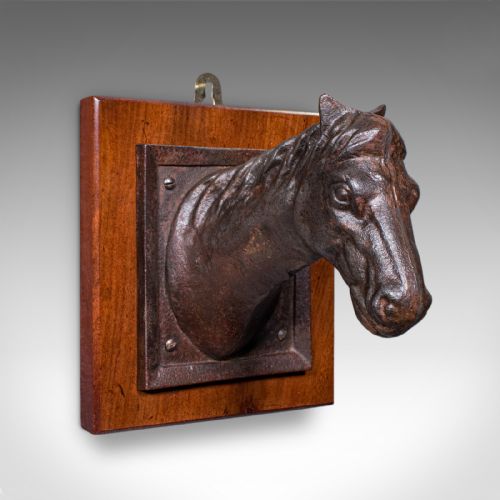
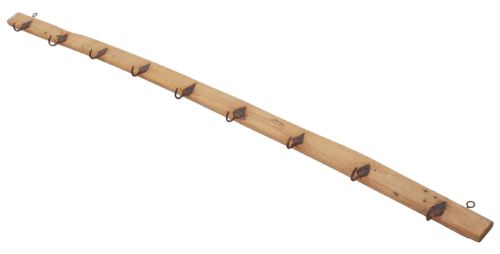
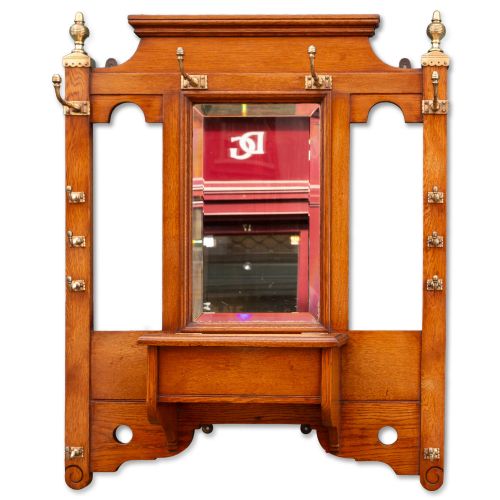
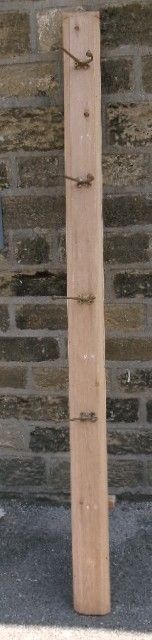
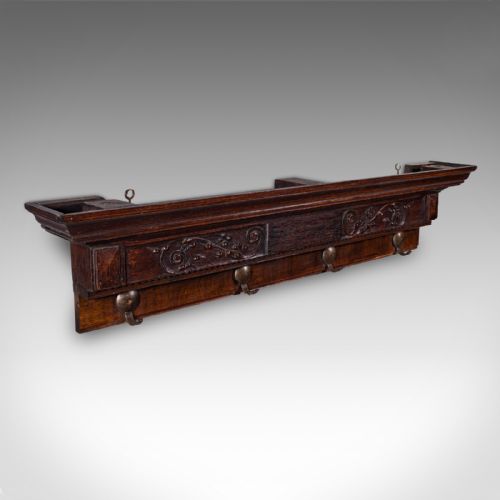
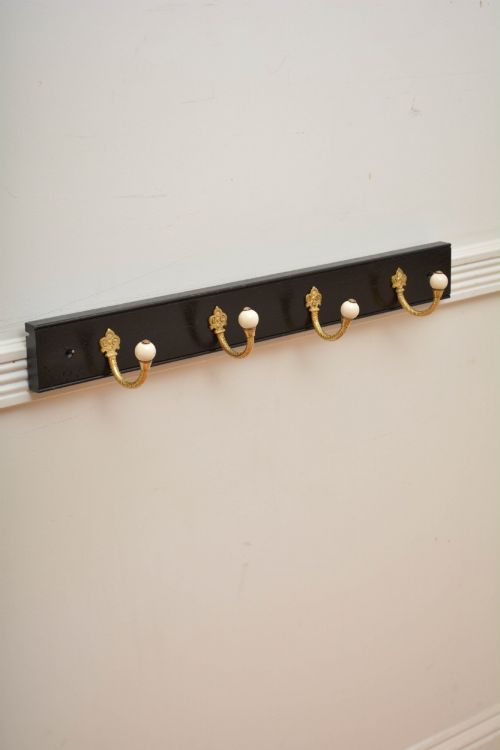
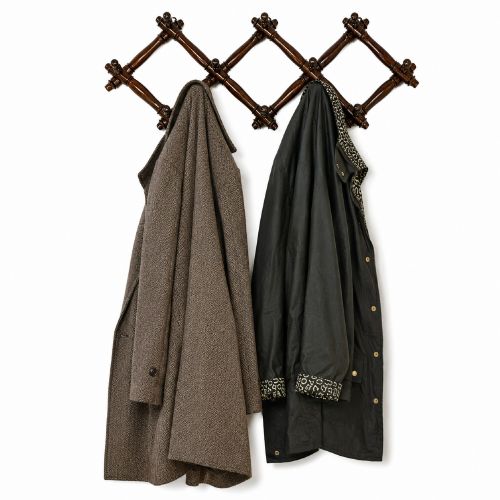
Vintage wall hooks span mounted single fixtures, multi-hook coat racks, and integrated hat and coat assemblies found in period hallways, cloakrooms, and kitchens. You will most frequently encounter mounted rows utilising brass or cast metal hooks fastened to oak, mahogany, pine, or ebonised backboards.
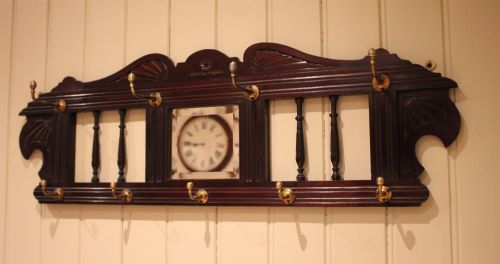
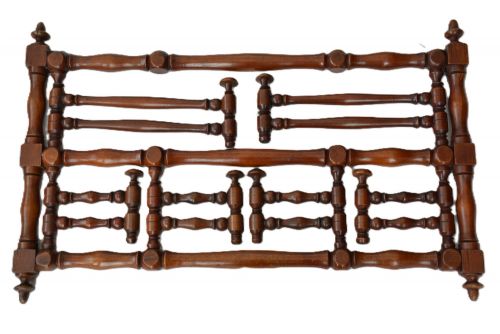
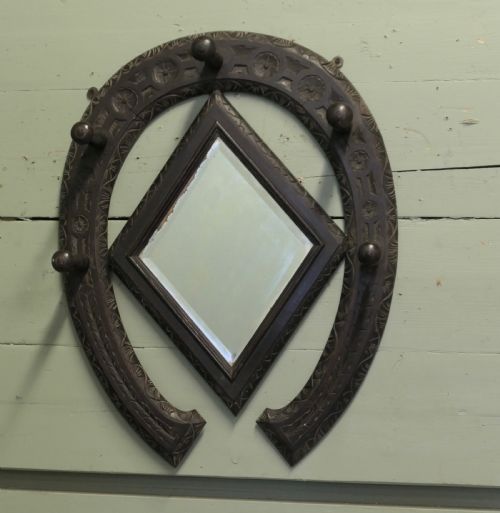
The pieces on offer stretch from the nineteenth century through the Edwardian era and into Art Deco designs, drawing on Victorian, French Country, and William IV influences. Many incorporate functional extras such as small mirrors, hat shelves, or pivoting frames.
Makers ranged from utilitarian makers supplying hotel cloakrooms to cabinetmakers shaping domestic halls with turned wood and polished brass. Each piece survives as a record of everyday nineteenth and early twentieth century hospitality.
How they were made
Makers built these pieces using durable hardwoods such as oak, mahogany, beech, and pine for the backboards, often ebonising the timber to imitate more expensive materials. Metal elements relied on cast brass, iron, bronze, and nickel-plated finishes shaped into sturdy mounting plates and curved hooks.
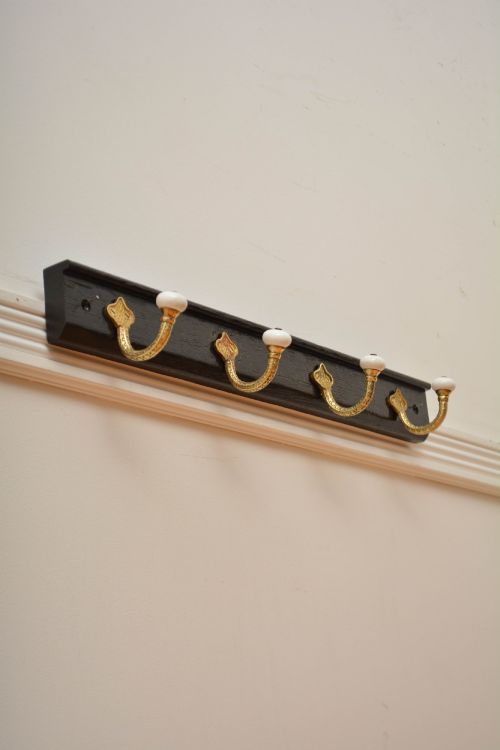
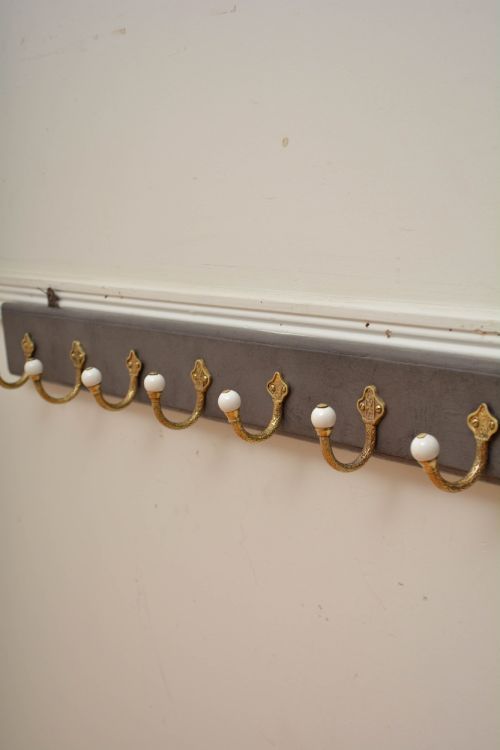
Ceramic accents appeared frequently as glazed balls or inserts on the hook tips to protect garments from snags, while glass and faux bamboo mouldings added decorative texture during the later periods. Construction combined threaded metal screws, mortise joints, and heavy wall-mounting brackets designed to bear heavy winter coats.
Materials span heavy brass, cast iron, oak, mahogany, and glazed ceramic across the nineteenth and early twentieth centuries.
What varies in quality
Quality rests in the weight of the metal and the integrity of the timber backboard rather than surface sheen alone. Superior examples feature deeply cast brass mounting plates, robust ceramic or bronze hook ends, and dense hardwoods that do not split under heavy loads.
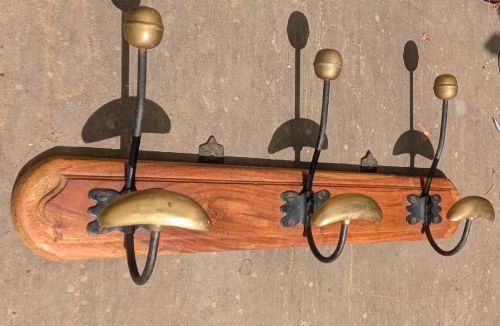
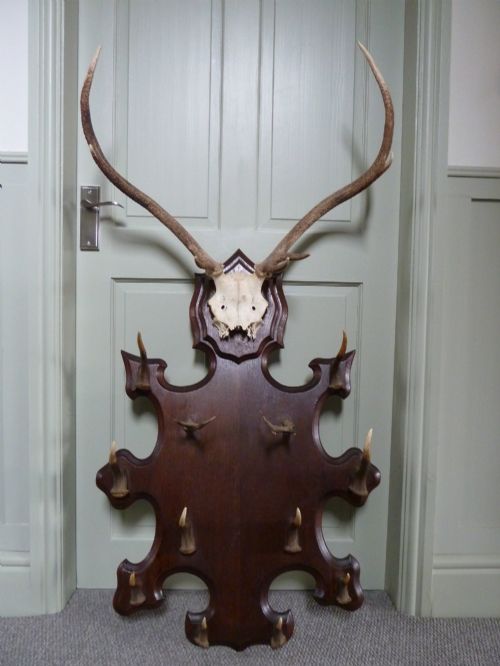
The distinction also lies in how cleanly the hardware is integrated into the backplate, with better pieces showing countersunk screws and hand-finished mounts. Simpler utility racks display plain pine boards and cast iron spikes meant strictly for workrooms rather than reception halls.
The Vintage Wall Hooks Glossary
- Ebonised
- Timber treated with a dark stain or chemical finish to resemble ebony. This technique was favoured in Victorian workshops to create high-contrast backboards for polished brass hardware.
- Bentwood
- Wood softened by steam and bent into curved shapes without breaking. It provides lightweight, resilient frames for hall stands and coat racks.
- Portmanteau
- A combined wall-mounted rack featuring hooks for coats, a shelf for hats, and sometimes an integrated mirror. These served as central storage units in Edwardian and late nineteenth-century hallways.
- Faux bamboo
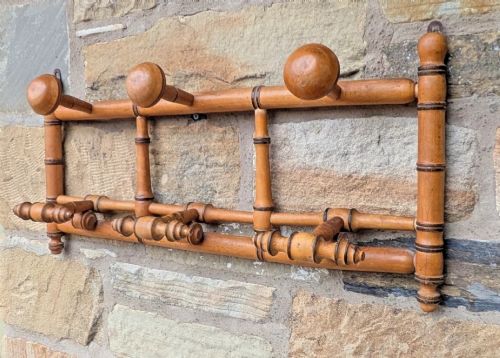
- A decorative finish carved or moulded into wood to imitate natural bamboo stalks. It appears frequently on continental European coat hangers and racks from the early twentieth century.
Vintage Wall Hooks: Frequently Asked Questions
How do I mount a heavy coat rack securely?
Locate the wall studs behind your plaster or drywall to support the full weight of the wooden backboard and hanging garments. Use heavy screws matching the gauge of the pre-drilled mounting holes.
For solid masonry walls, employ appropriate rawl plugs or sleeve anchors to ensure the fixture remains stable under regular daily use.
What is the difference between Victorian and Art Deco hooks?
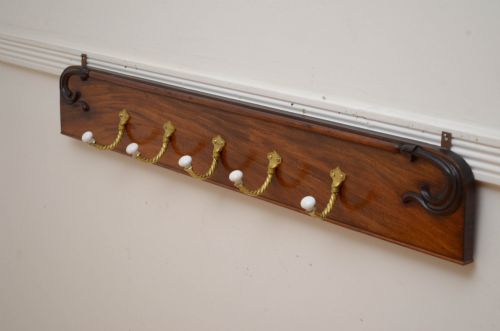
Victorian hooks typically feature ornate cast brass, ceramic ball ends, and dark ebonised or carved mahogany backboards. They emphasise decorative casting and traditional period silhouettes.
Art Deco examples lean towards geometric shield shapes, nickel plating, wrought iron, and streamlined metal construction reflecting 1920s and 1930s design.
Can these racks be used in modern bathrooms?
Many brass, bronze, and nickel-plated hooks handle damp environments well because the metal resists corrosion. Ensure the underlying timber backboard is sealed against moisture to prevent warping.
Lighter pieces with exposed iron or unsealed pine require drier settings like hallways or bedrooms to preserve the original finish.
How should I clean tarnished brass hooks?
Apply a gentle metal polish with a soft cloth while avoiding harsh abrasives that can wear away the underlying texture. Take care not to let cleaning solutions stain the surrounding wood or ceramic inserts.
Leaving a degree of natural patination often preserves the authentic character of nineteenth-century hardware.