


Vintage Wall Display
These pieces for a vintage wall display turn bare vertical surfaces into functional stages for porcelain, books and collected objects.
Vintage Wall Display
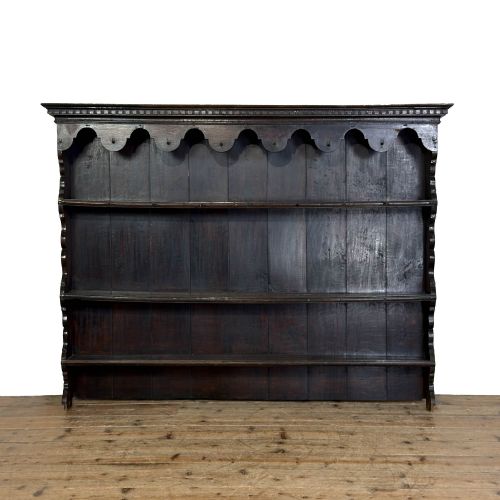
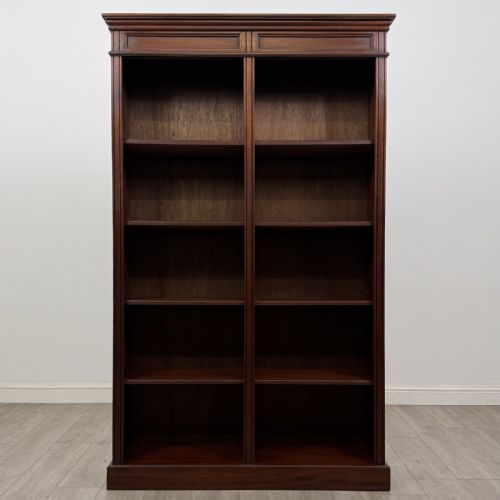
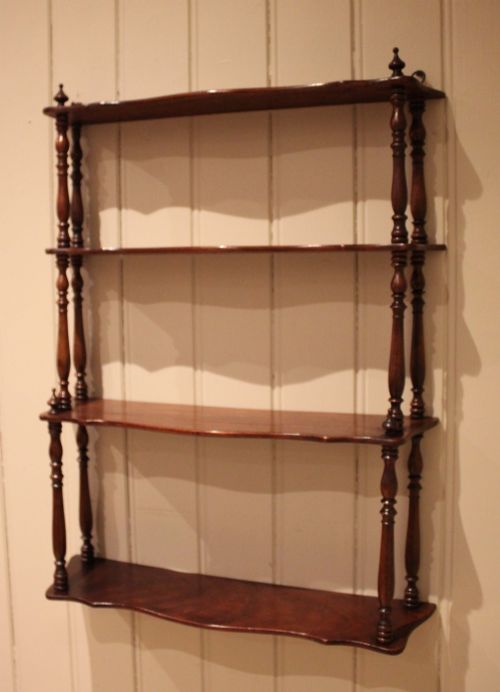
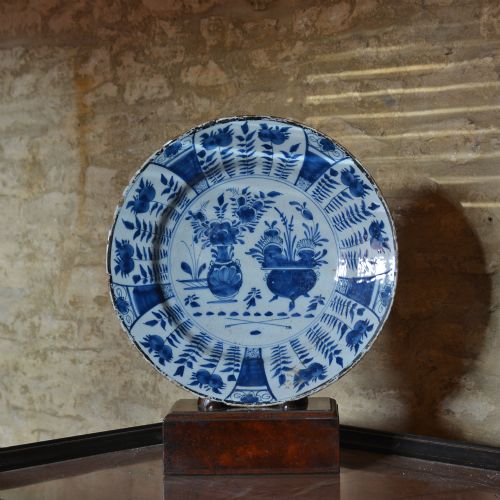
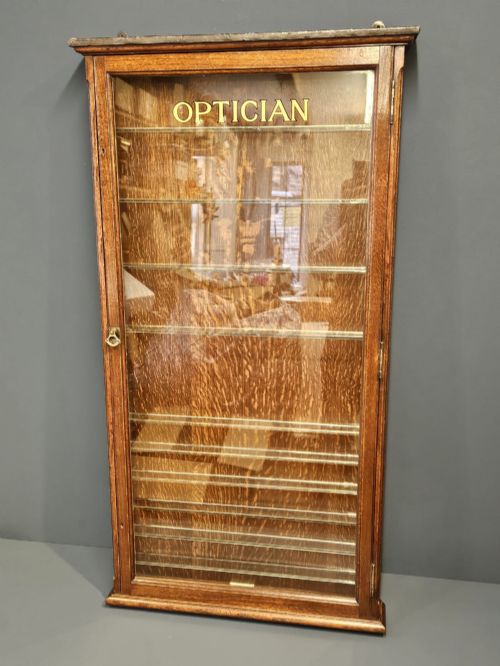
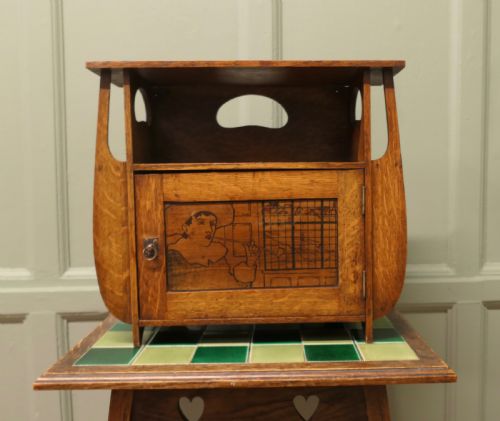
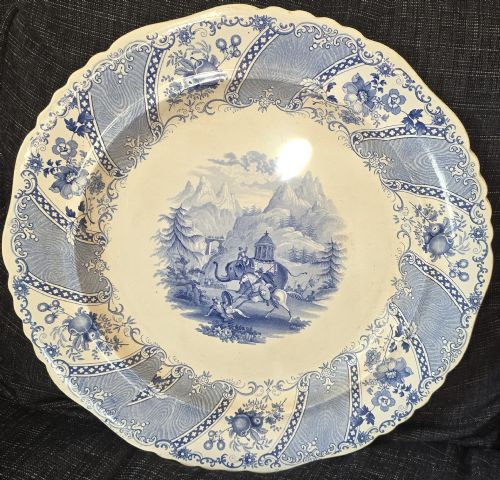
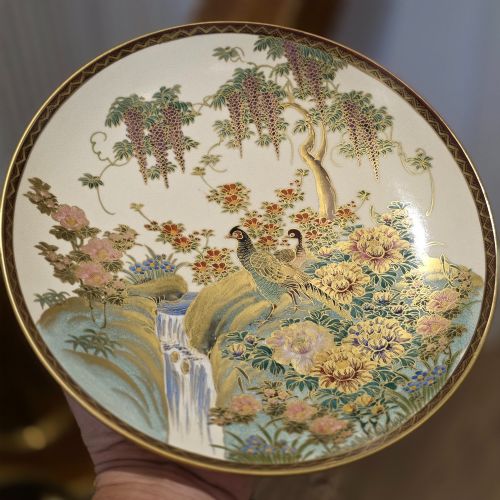
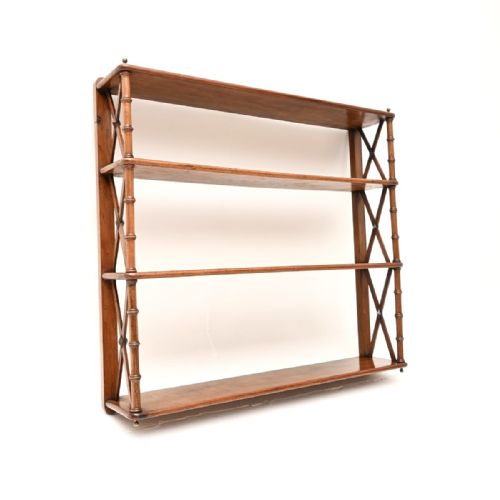
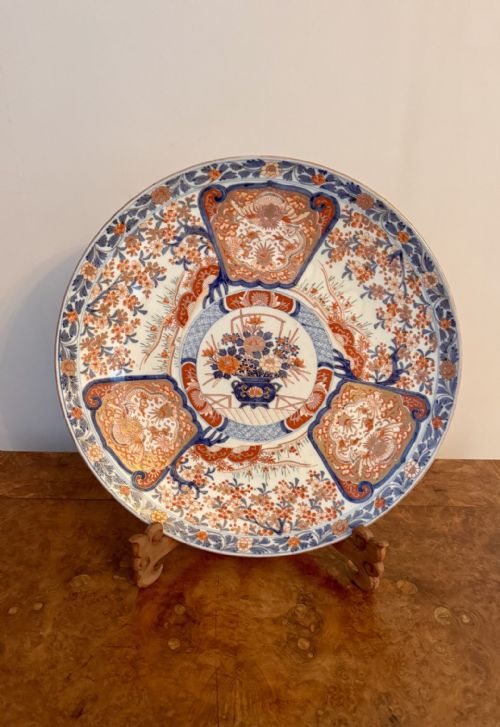
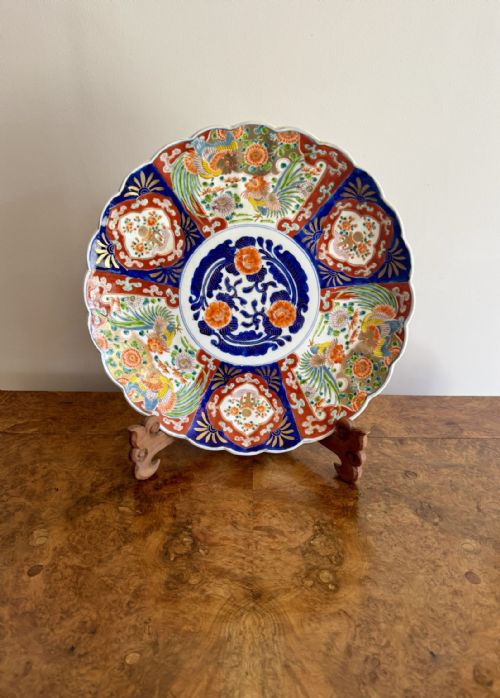
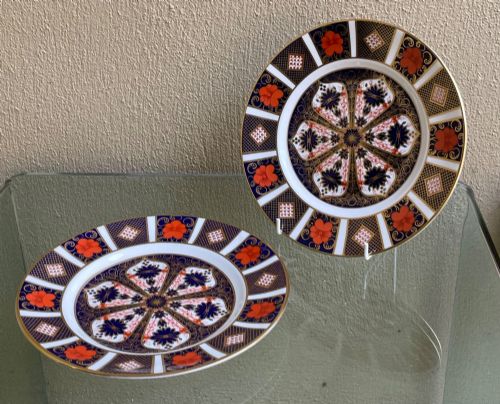
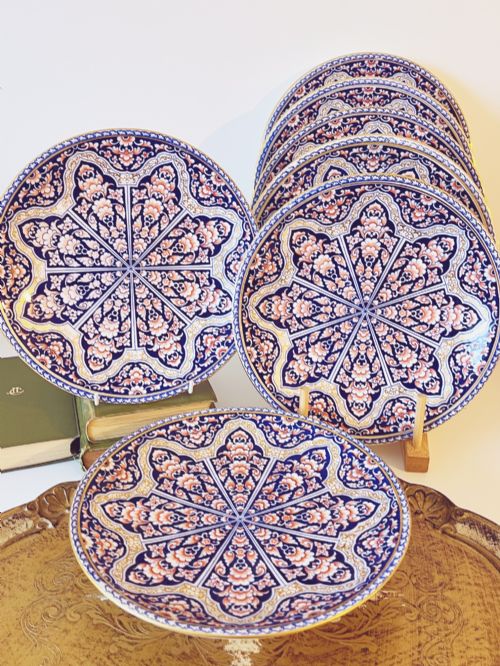
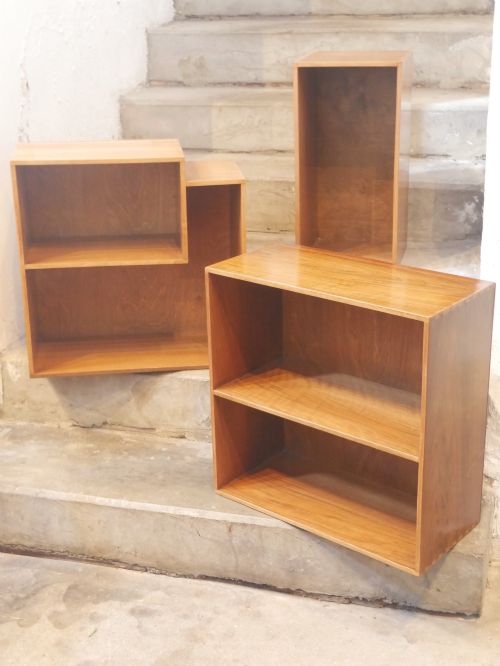
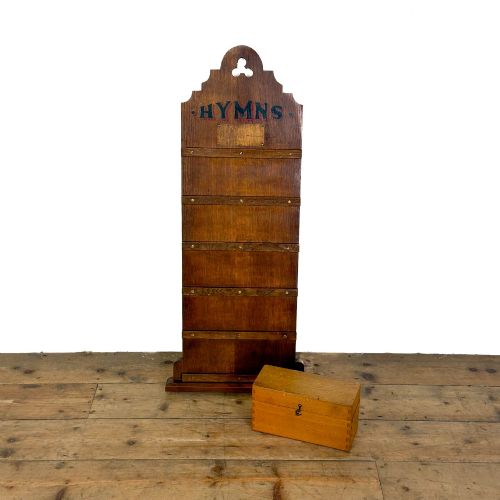
A vintage wall display encompasses an array of hanging furniture and decorative ceramics designed to organise and exhibit items at eye level. When searching for a vintage wall display, buyers encounter everything from Georgian oak plate racks and Regency mahogany hanging shelves to Japanese Imari chargers and Royal Worcester cabinet plates.
The selection ranges across centuries, drawing on periods from the eighteenth century through the Edwardian era and into the 1930s. Forms vary between open bookcases, corner cabinets, wall brackets, and deep chargers intended to be seen rather than dined from.
Originating from diverse domestic contexts, these pieces reflect both formal parlour presentation and utilitarian kitchen storage. Oak, mahogany, pine and walnut form the structural backbone of the shelving, while porcelain and delftware provide the colour and pattern on display.
How they were made
Timber construction relies on traditional joinery in woods such as oak, mahogany, walnut and pine, often shaped into hanging shelves, cabinets and plate racks. Brass hardware frequently secures these wooden structures, providing functional hinges, brackets and game hooks.
Ceramic pieces utilise porcelain, bone china and earthenware as bodies for hand-painted or transfer-printed decoration. Artisans applied gold leaf, enamel and rich polychrome glazes, as seen in Japanese Imari chargers, Delftware, and Royal Worcester cabinet plates.
Vintage Wall Display Retail Price Guide 2026
Typical asking prices for vintage wall display among the pieces listed under this phrase on Sellingantiques today, from the lower quarter to the upper quarter. They describe what is for sale here now, not the wider market.
Listings span periods from the eighteenth century through the Georgian and Edwardian eras to the 1930s, using oak, mahogany, porcelain and brass.
What varies in quality
Quality rests in the harmony of the timber selection and the crispness of the carpentry, where dovetailed joints and well-chosen mahogany or figured walnut elevate a simple set of shelves. Substantial cabinetwork demonstrates a considered proportion between the vertical support and the weight it carries.
In ceramics, excellence reveals itself in the brushwork and the depth of the glaze. Hand-painted fruit studies by artists like Richard Sebright or finely rendered Japanese Imari motifs show a control of pigment and firing that separates standard production from exceptional studio output.
William Smith And Co·Royal Crown Derby·Heals·Royal Worcester
The Vintage Wall Display Glossary
- Charger
- A large decorative plate intended for display on a wall or dresser rather than for practical dining use. These pieces often feature hand-painted scenes or intricate patterns.
- Delftware
- Tin-glazed earthenware produced in England and the Netherlands, typically decorated in blue and white or polychrome palettes. It frequently appears in eighteenth-century contexts.
- Imari
- A style of Japanese porcelain exported to Europe, characterised by underglaze blue and iron red with supplementary gold highlights. It heavily influenced later English ceramic designs.
- Comport
- A raised dish or bowl used traditionally as part of a dessert service. They sit centrally on tables or are incorporated into wider display arrangements.
- Corner cabinet
- A triangular storage unit designed to fit snugly into a room angle. These utilise otherwise neglected space to house books or display ceramics.
Vintage Wall Display: Frequently Asked Questions
How do I hang heavy wall shelves safely?
Wall-mounted wooden shelves require secure fixing into wall studs or solid masonry using appropriate brackets and screws. Distributing weight evenly across the timber prevents sagging over time.
Heavier items like books or dense ceramics should sit on the lowest shelves to maintain stability. Consulting a professional carpenter ensures the wall structure can support the load.
Are cabinet plates meant for dining?
Cabinet plates are created primarily for visual presentation rather than everyday culinary use. Their detailed painted surfaces and delicate glazes suit display on plate racks or walls.
Using them for food risks damaging the painted enamel or gold leaf decoration. They function best as focal points within a decorative arrangement.
How do I identify eighteenth century oak furniture?
Eighteenth-century oak displays dense grain patterns, patination developed over centuries, and hand-cut joinery such as pegs and dovetails. Timber surfaces often show minor irregularities from manual sawing and planing.
Secondary woods used in backing or drawer linings provide further clues to age and origin. Comparing construction methods helps distinguish period pieces from later reproductions.
What is the difference between an Imari plate and a charger?
Imari plates generally measure standard dining or dessert dimensions and feature traditional Japanese palette designs in blue, red and gold. Chargers are significantly larger circular dishes made specifically to hang on walls or stand on sideboards.
Both utilise similar decorative vocabularies imported from Japan or emulated in Europe. The primary distinction lies in scale and intended placement within a room.
How do I clean antique wooden wall furniture?
Antique timber benefits from gentle dusting with a dry, soft cloth to remove everyday particles. Avoiding synthetic sprays prevents oil buildup that can attract dust and darken the grain.
Occasional application of microcrystalline wax preserves the finish and protects the wood from drying out. Harsh chemical cleaners strip the historic patination accumulated over generations.