
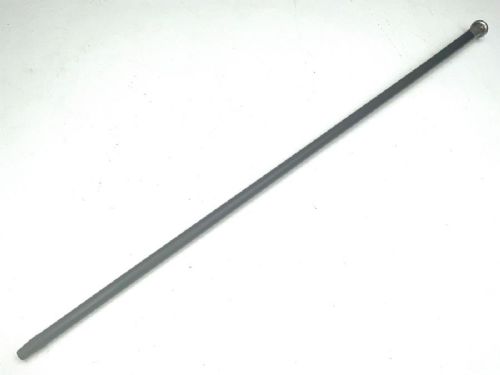
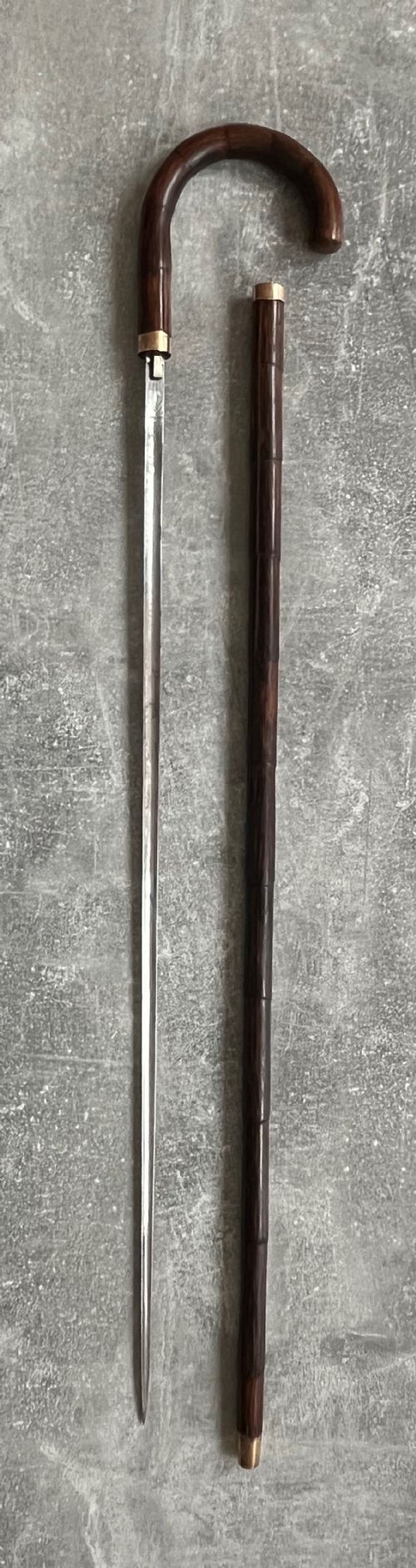
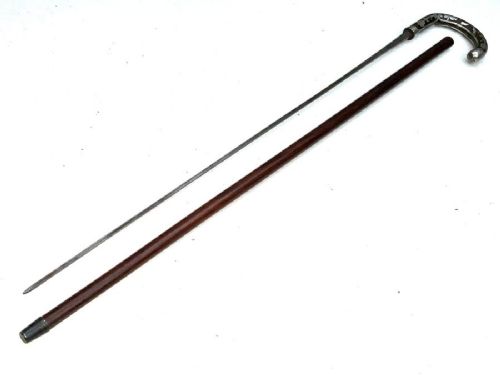
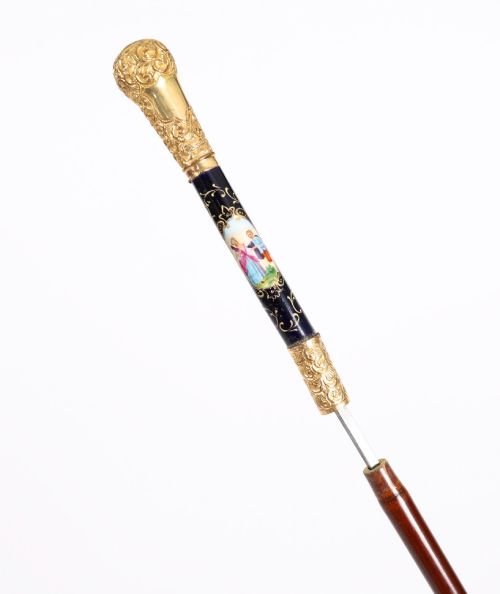
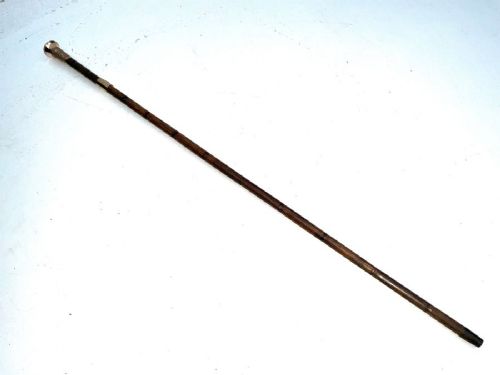
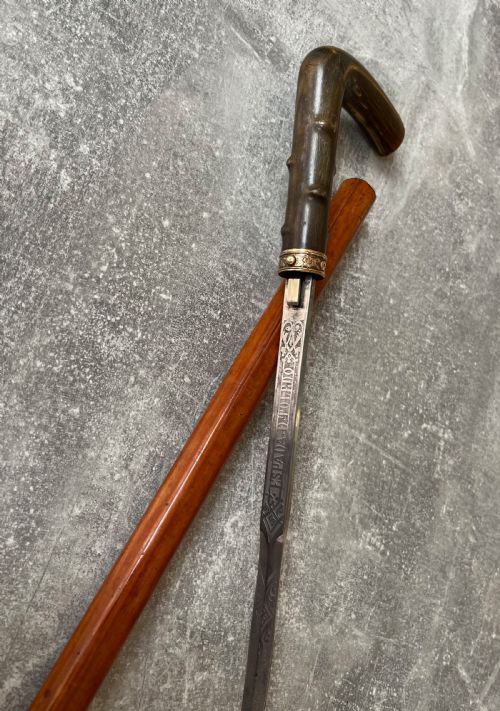


Vintage Walking Stick Blade
These vintage walking stick blade pieces are discreet self-defence implements disguised as everyday gentleman's canes, prized for their concealed craftsmanship and historical utility.
Vintage Walking Stick Blade
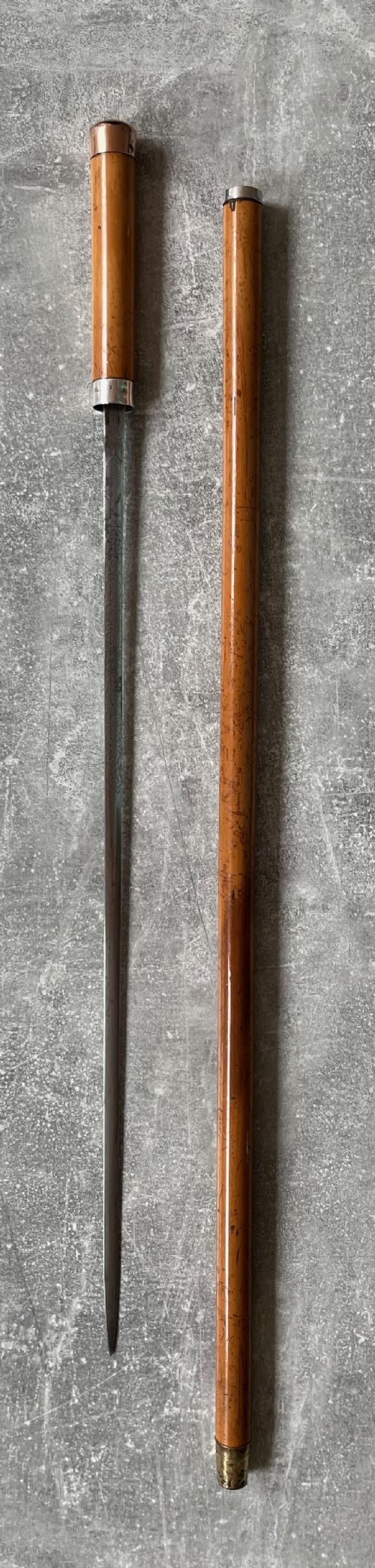
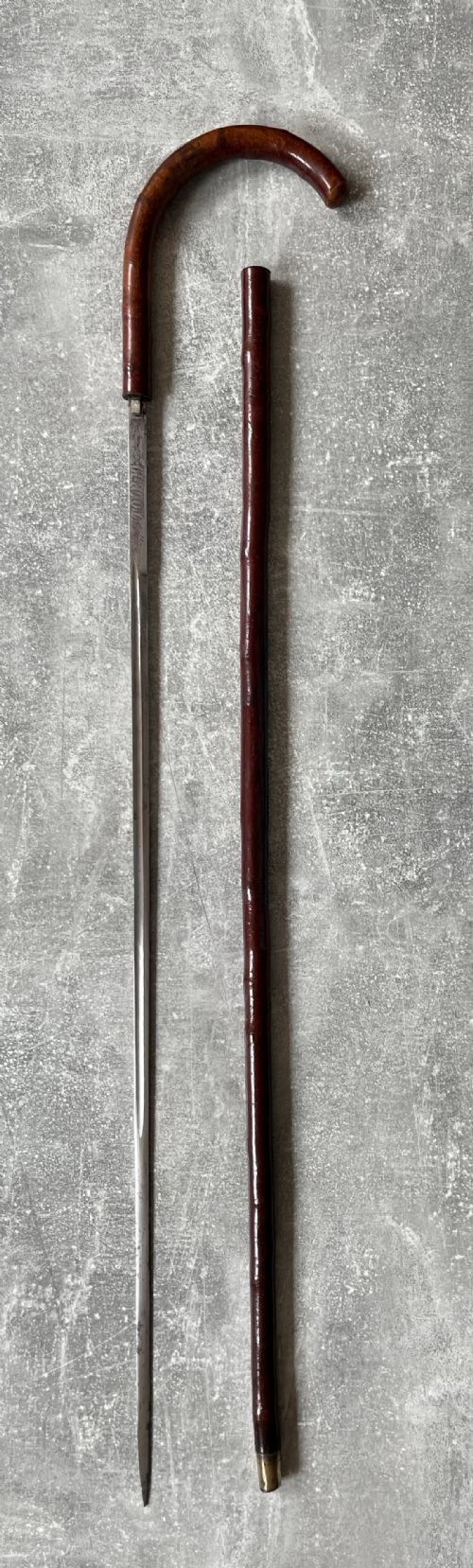
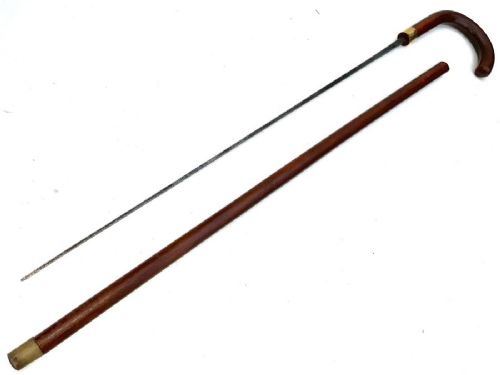
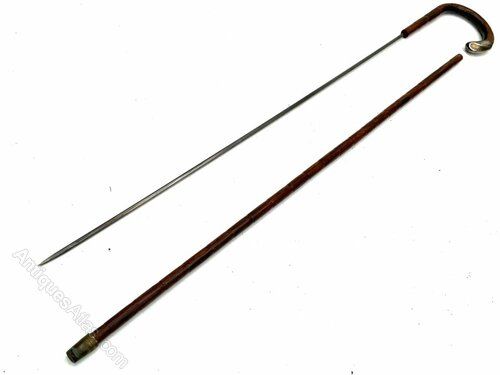
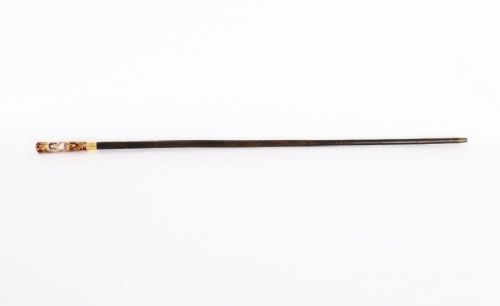
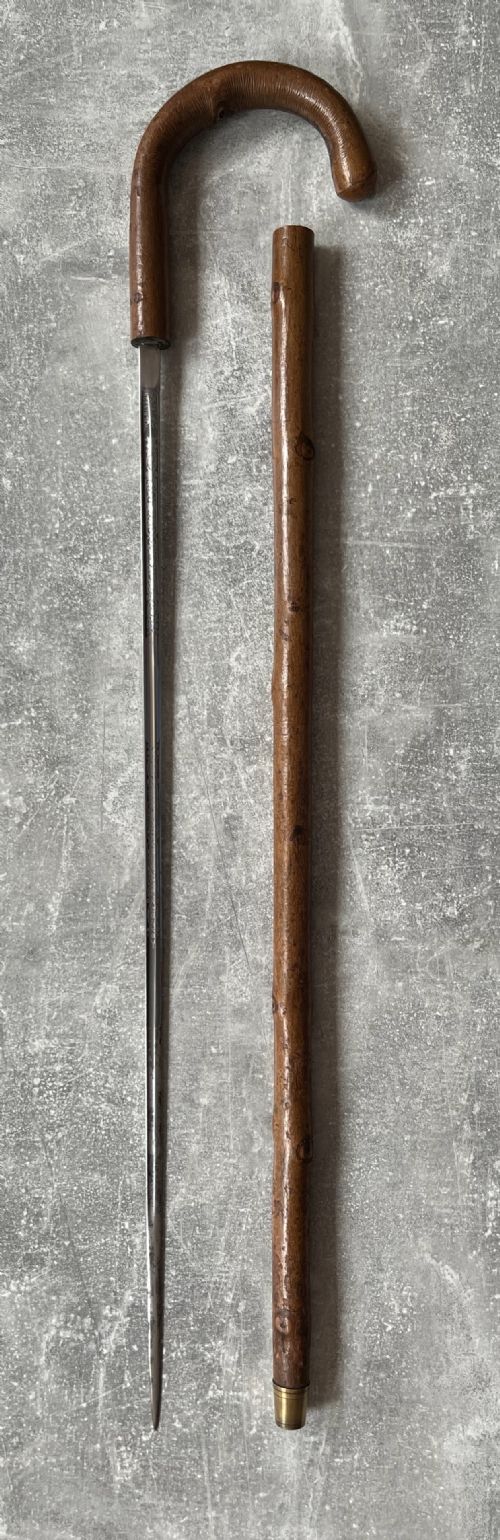
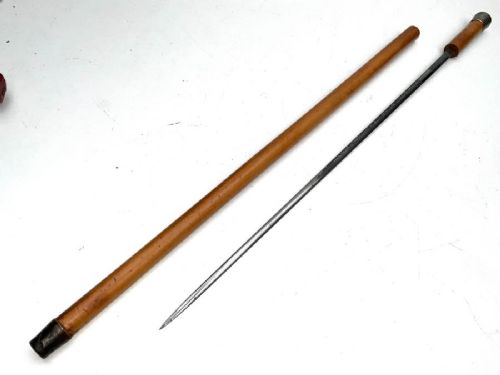
When you search for a vintage walking stick blade, you examine covert weapons housed within wooden shafts, commonly known as sword sticks or sword canes. These items served a practical defensive purpose for gentlemen navigating city streets during the Victorian, Edwardian, and early twentieth-century periods.
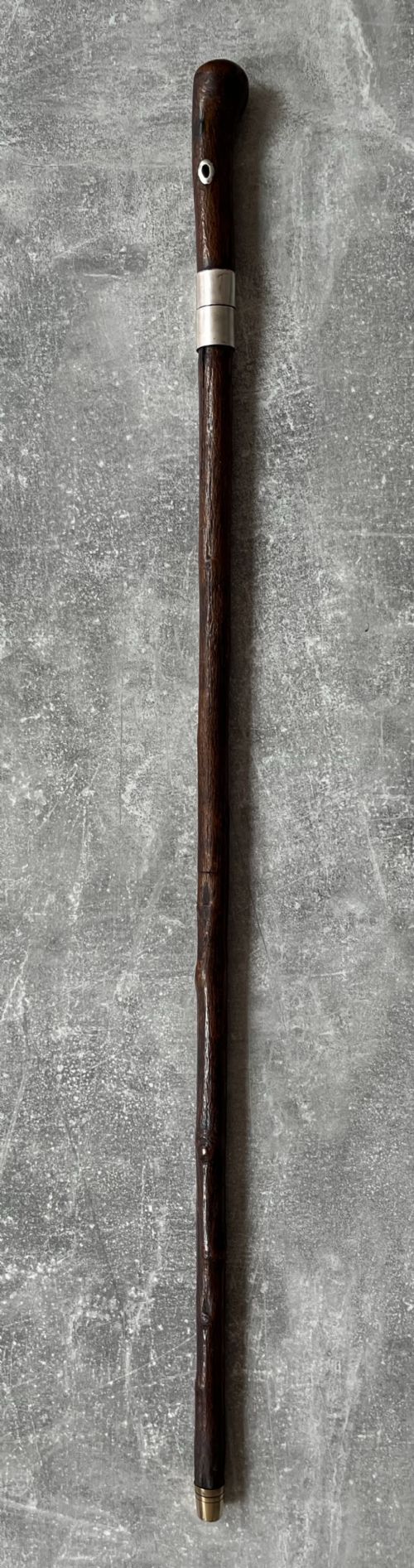
The specimens on this page encompass various traditional shaft materials paired with hidden steel blades, ranging from military officers' swagger sticks to civilian walking canes. You encounter handles formed from horn, bone, silver mounts, and carved root wood, alongside straightforward timber shafts.
Origin points span British workshops and French makers, incorporating decorative elements like Sevres porcelain or masonic symbols. The primary form remains a deceptively ordinary walking stick that conceals a sharp blade secured by a button release or screw mechanism.
Materials and construction methods
Maker workshops constructed the outer shafts from durable timbers and canes such as malacca, partridge wood, cherrywood, hazel, bamboo, and blackthorn, sometimes applying leather coverings. Interior steel blades were forged and often etched, with notable examples bearing signatures from renowned makers like Wilkinson or featuring Toledo steel.
Mounts, collars, and handle knops utilised brass, silver, gold plate, and horn, fixed securely to the timber housing. Button releases and precise joins allowed the user to draw the concealed blade smoothly from its wooden scabbard.
The listings show walking stick blades spanning the nineteenth century through the 1930s, featuring steel, wood, silver, brass, and malacca cane.
Factors of quality and distinction
Quality rests upon the integrity of the hidden mechanism, the precision of the fit between shaft and blade, and the reputation of the steel maker. Pieces bearing named blade manufacturers or hallmarked silver mounts demonstrate higher workshop standards than standard utility items.
The artistry of the handle, whether carved bone, silver animal heads, or porcelain, distinguishes standard civilian pieces from high-status gentleman's accessories. The rigidity of the timber housing and the sharpness of the preserved steel blade further divide ordinary examples from exceptional survivals.
Brigg·Wilkinson
The Vintage Walking Stick Blade Glossary
- Sword stick
- A walking cane containing a concealed steel blade within the wooden shaft. It functioned as a discrete personal defence tool in the nineteenth and early twentieth centuries.
- Malacca cane
- A mottled brown stem derived from the rattan palm, prized for its flexibility and resilience. It served as a favoured material for high-grade walking sticks.
- Toledo blade
- A steel blade produced in the Spanish city of Toledo, renowned historically for its metalworking quality and durability. Sword sticks fitted with these blades command particular attention from collectors.
- Swagger stick
- A short, slender cane traditionally carried by military officers as a symbol of authority. Versions incorporating hidden blades combined this military tradition with covert protection.
Vintage Walking Stick Blade: Frequently Asked Questions
How do you release the concealed blade?
Most pieces utilise a mechanical button release or a secure screw thread built into the collar or handle junction. Pressing or twisting allows the shaft to separate cleanly from the blade.
Owners must handle the release mechanism with care to preserve the original fit and prevent wear on the internal wooden channel.
What woods were used for the shafts?
Craftsmen utilised sturdy natural timbers and exotic canes including malacca, partridge wood, hazel, bamboo, cherrywood, and blackthorn. These materials offered the necessary rigidity and weight for a functional walking stick.
Some shafts also received leather coverings or ebonised finishes to alter the appearance of the exterior wood.
Were these used by military officers?
Military officers frequently carried swagger sticks or specialised walking sticks that doubled as concealed weapons during the nineteenth and early twentieth centuries. These items often featured regimental motifs or metal mounts.
Civilian gentlemen also carried them for urban protection during periods when street safety remained a concern.
How can you tell the age of a piece?
Dating relies upon style indicators, metal hallmarks on silver collars, and historical markers like military associations or specific blade signatures. Victorian and Edwardian examples display distinct handle shapes and mounting styles.
Examining the wear patterns on the wooden ferrule and the patina of the internal steel provides further chronological clues.