


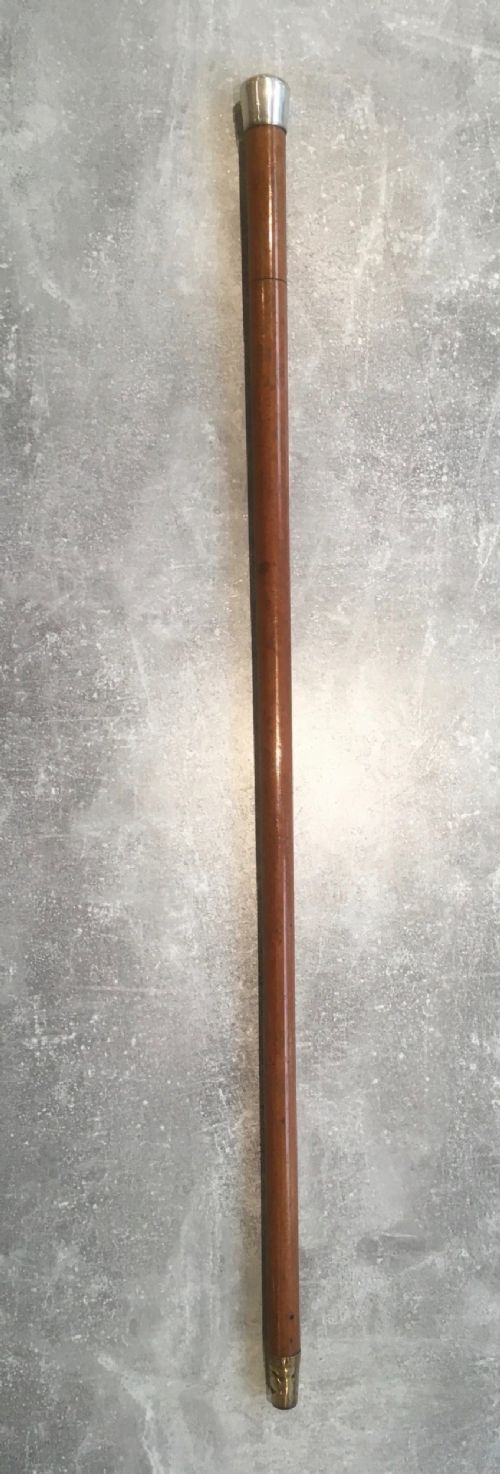
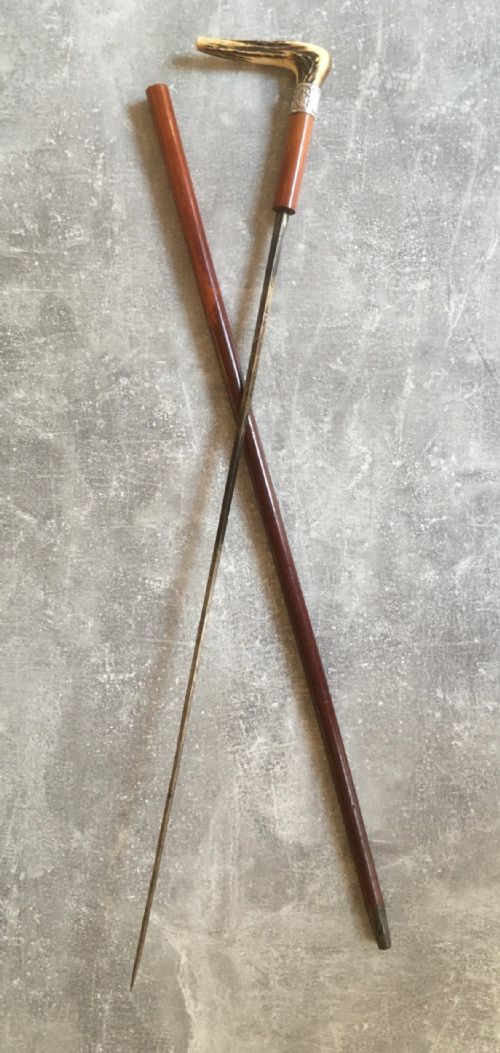
Malacca Cane Concealed Blade
These malacca cane concealed blade examples combine disguised weaponry with gentlemanly walking support, prized for their discrete craftsmanship and period elegance.
Malacca Cane Concealed Blade
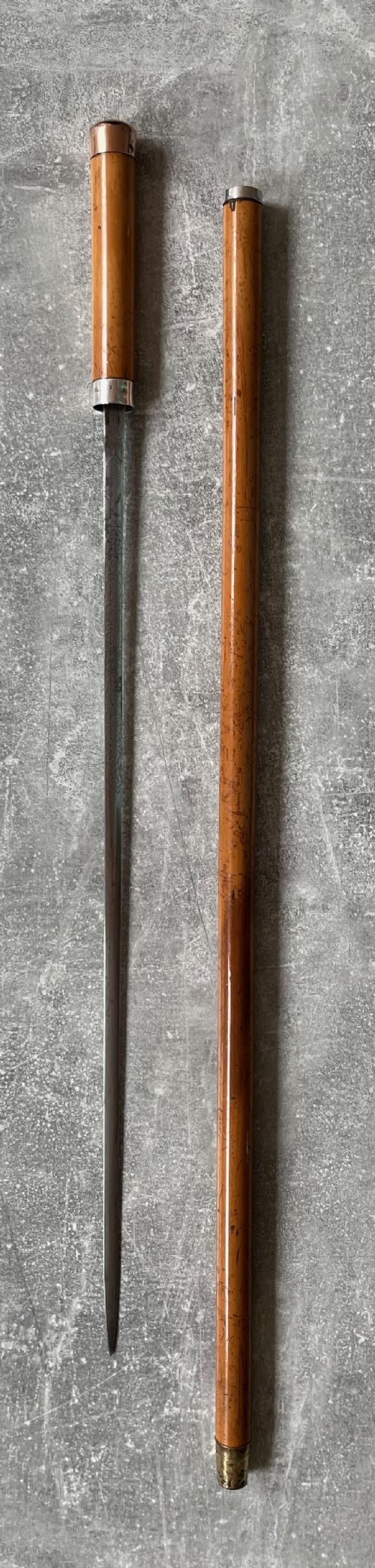
A malacca cane concealed blade is a traditional walking stick housing a hidden steel weapon within its shaft. Buyers find these items grouped under object types such as walking sticks and canes, originating from the nineteenth and early twentieth centuries.
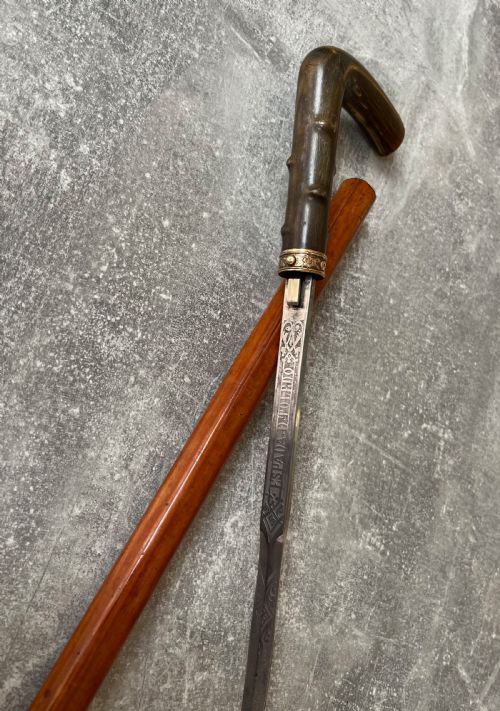
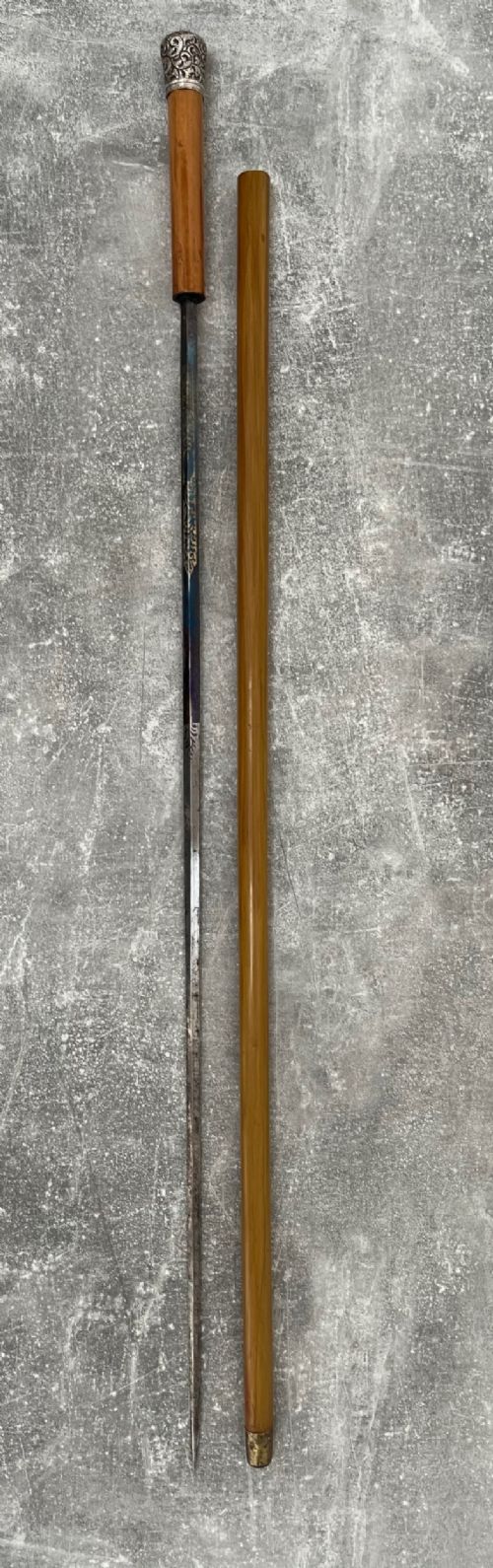
The most common version met on this page is the Victorian or Edwardian sword stick featuring a malacca shaft and a button release mechanism. Examples range from simple horn handled versions to pieces with ornate silver collars and gold mounts.
Originating during periods of personal protection and formal promenade, these objects reflect an era when gentlemen carried concealed defences. The form bridges functional daily support with discreet tactical readiness.
How they were made
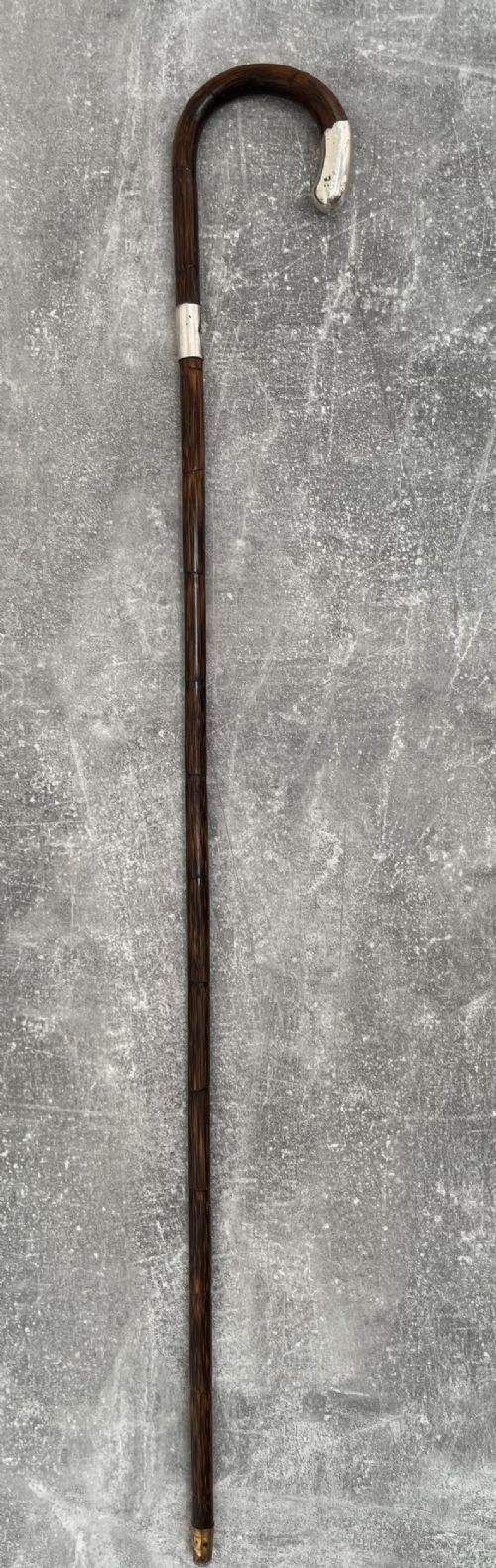
Makers constructed the primary shaft from malacca, a resilient and lightweight rattan known for its distinctive mottled brownish finish and jointed segments. Inside this natural housing, a tempered steel blade sits secured by a hidden release button or collar mechanism.
Mounts and handles utilise precious metals like silver and gold alongside organic materials including bone, horn, and antler. Metal components frequently feature detailed repousse work or engraved decoration, complementing curved crook handles or straight grips.
A discreet button release allows a polite evening cane to transform instantly into a steel-ready Toledo sword.
What varies in quality
Quality separates ordinary walking aids from exceptional pieces through the sophistication of the blade and the finesse of the mounts. Superior examples house etched Toledo steel blades or bear signatures from renowned makers such as Wilkinson, marking a higher standard of manufacture.
The choice of handle and metalwork dictates the overall refinement of the piece. Solid silver repousse collars, gold mountings, and expertly fitted antler or bone grips distinguish finer bespoke commissions from standard production items.
Wilkinson Blade
The Malacca Cane Concealed Blade Glossary
- Malacca
- A type of rattan cane featuring natural nodes and a warm brown mottled surface. It provides both flexibility and structural strength for walking sticks.
- Toledo blade
- A steel blade produced in the Spanish city renowned for weapon smithing. These blades are often etched and prized for their resilience and flexibility.
- Repousse
- A metalworking technique where the metal is hammered from the reverse side to form a raised design in relief. It appears frequently on silver collars and mounts.
- Knop
- A rounded knob or handle at the top of a stick. These range from plain horn to elaborately decorated silver and gold formations.
- Button release
- A concealed spring mechanism embedded in the collar or shaft that secures the blade inside the cane until pressed.
Malacca Cane Concealed Blade: Frequently Asked Questions
What is a malacca cane concealed blade?
A malacca cane concealed blade is a traditional walking stick containing a hidden steel weapon inside its shaft. These pieces combine the outward appearance of a gentleman's promenade accessory with a concealed defensive blade.
Most surviving examples date from the Victorian and Edwardian eras. They use natural malacca cane for the exterior and feature mechanisms like button releases to secure the internal blade.
How do you release the hidden blade?
The internal blade is typically secured by a spring mechanism operated via a button release or a subtle collar movement. Pressing this release allows the sword or blade section to slide smoothly out from the hollow malacca shaft.
Makers engineered these fittings for discretion and speed. The mechanism remains hidden within the mounts to preserve the external appearance of an ordinary walking stick.
What materials are used for the handles?
Handles on these sticks vary from simple crook shapes formed from the malacca itself to distinct materials added at the top. Common additions include carved horn, bone, antler, and metals such as silver or gold.
Finer pieces feature decorative details like silver repousse work or specific maker marks on the metal collar. The choice of handle often indicates the original cost and intended status of the piece.
How do you date a malacca sword stick?
Dating relies on examining the style of the mounts, hallmarks on silver components, and the overall construction methods. Pieces marked with specific nineteenth or early twentieth-century periods often feature distinct handle materials and blade etchings.
Assay office hallmarks on silver collars provide precise year markers for many pieces. Additionally, the presence of specific blade origins like Toledo helps place the manufacturing era.