
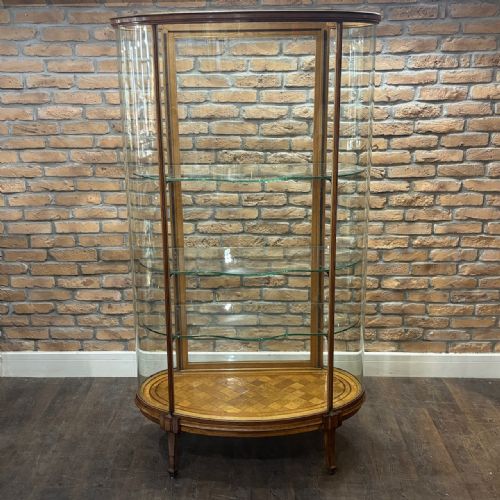
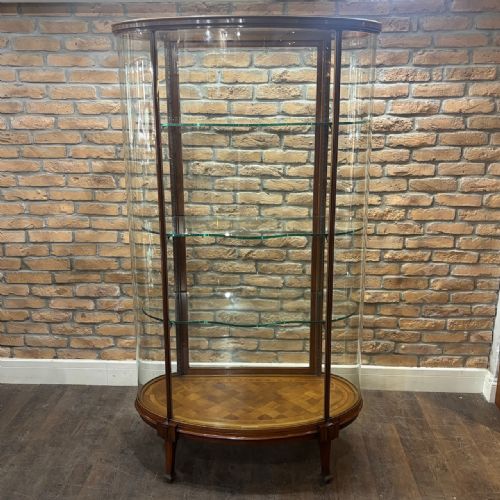

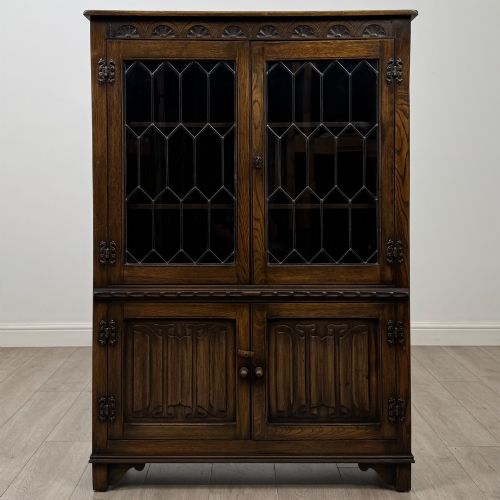
Vintage Vitrine Cabinet
These vintage vitrine cabinet designs bring glazed elegance to rooms, holding collections behind clear glass doors.
Vintage Vitrine Cabinet
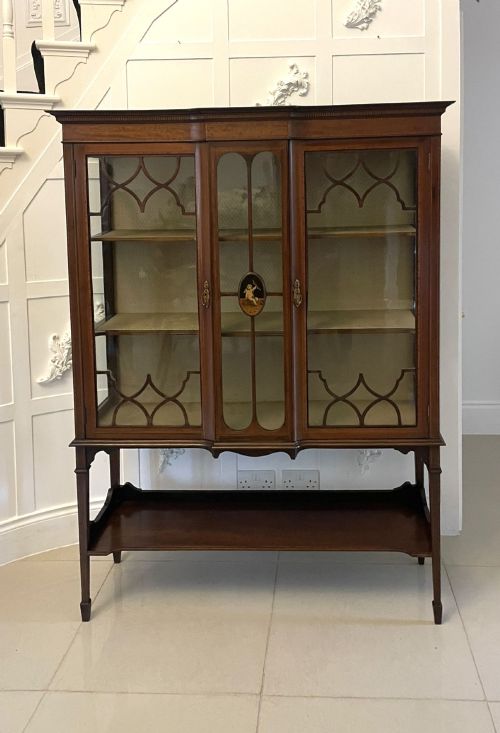
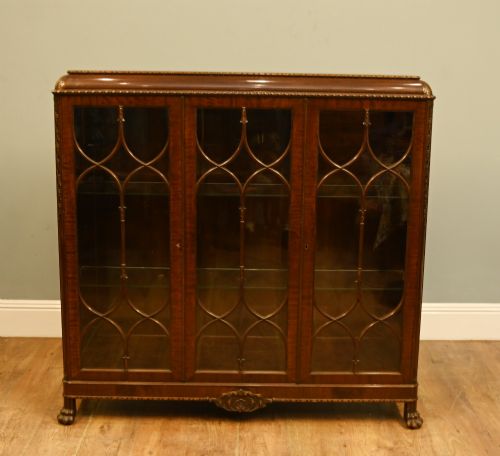
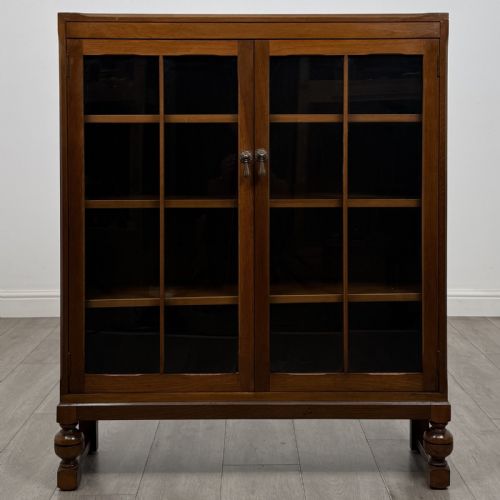
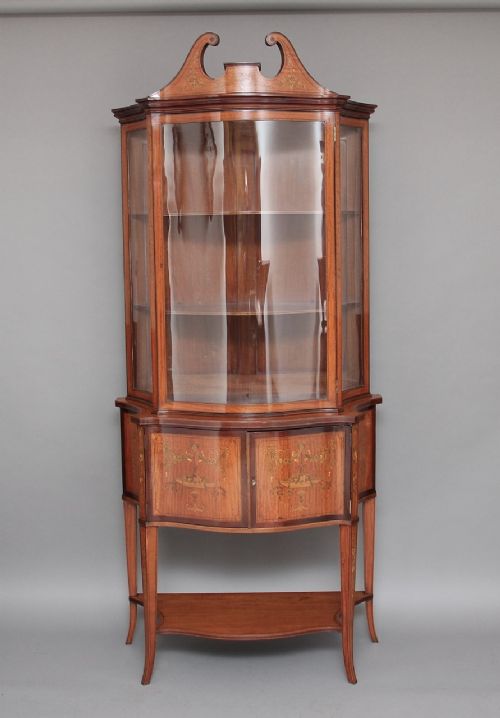
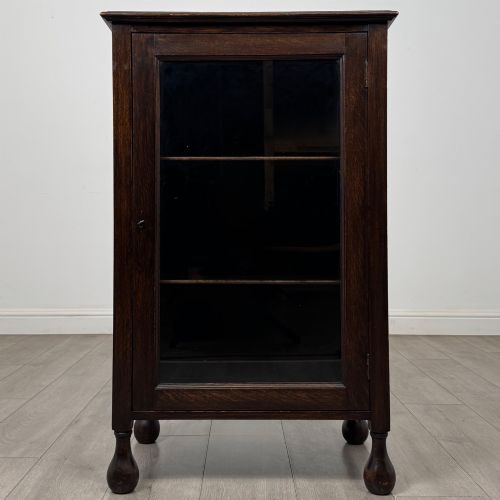
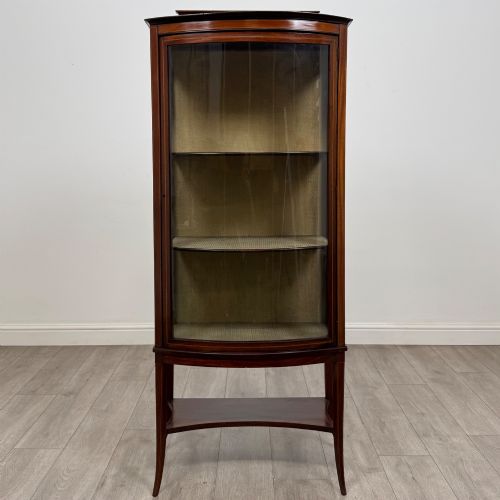
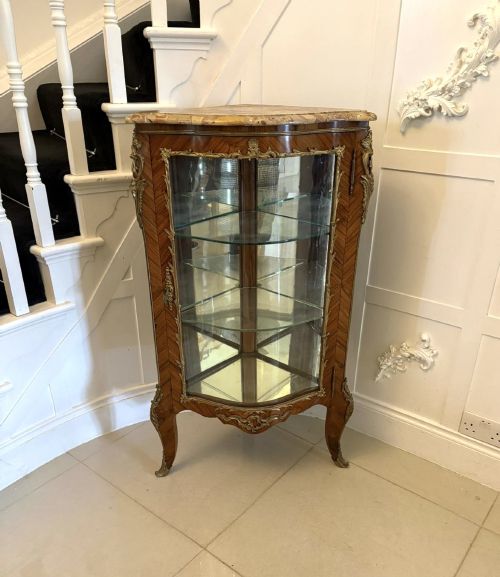
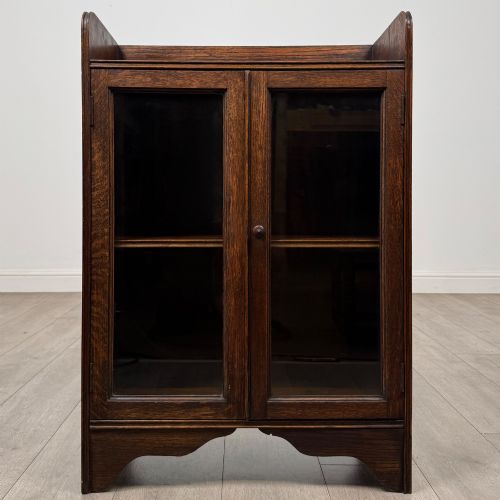
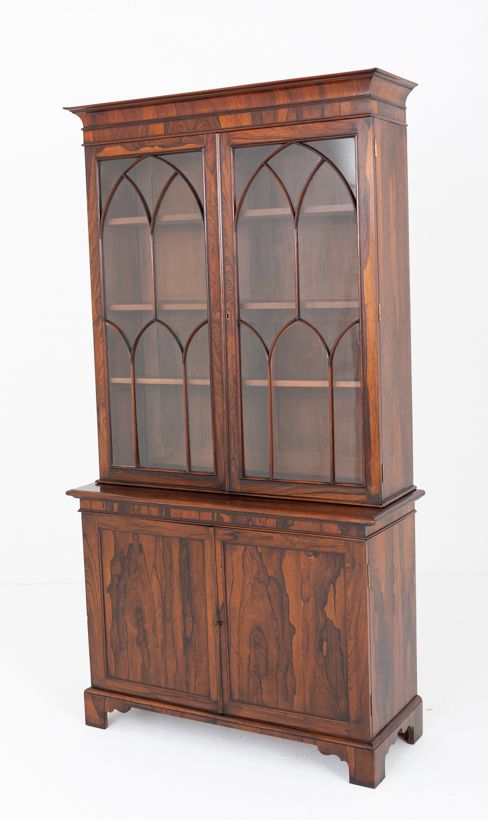
A vintage vitrine cabinet functions primarily to display prized possessions while protecting them from dust, drawing heavily on Edwardian, 1930s, and nineteenth-century forms. Buyers find these pieces surfacing as freestanding display cabinets, corner units, and occasional bijouterie tables designed specifically for glass-fronted visibility.
The Edwardian era and the 1930s dominate the selection, bringing mahogany, oak, and walnut timbers alongside revival styles like Sheraton, Queen Anne, and Art Deco. Shoppers encounter everything from tall shop counters to compact walnut pedestal pieces built to fit domestic interiors.
How they were made
Cabinetmakers constructed these vessels using solid and veneered hardwoods like mahogany, oak, and walnut, frequently incorporating satinwood inlay and floral marquetry for surface enrichment. Glazed doors and panels demand precise joinery to support large expanses of glass without warping the surrounding wooden frames.
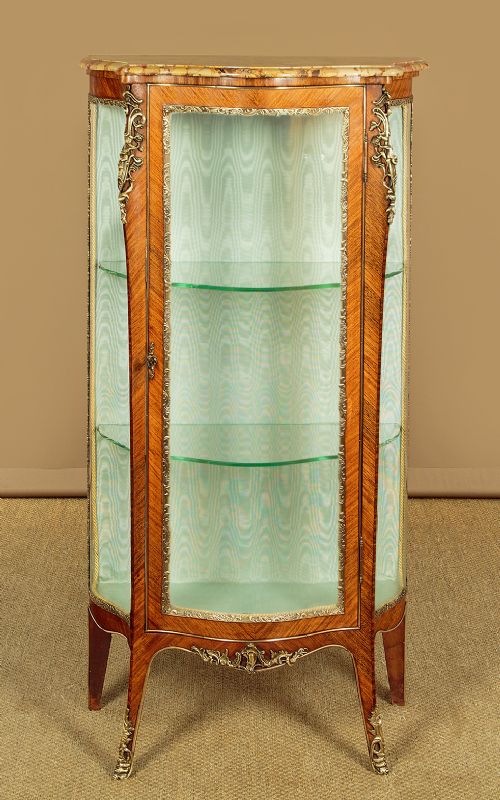
Brass mounts, gilt metal details, and fabric linings complement the timber carcasses, while specific examples utilise specialised paint finishes or linenfold carving. Structural integrity relies on traditional frame-and-panel construction to house fragile contents safely.
Listings feature Edwardian, 1930s, and nineteenth-century periods, constructed primarily in mahogany, oak, and walnut.
What varies in quality
The standard of timber selection and veneer matching defines the upper tiers of these cabinets, where figured walnut or satinwood is laid with deliberate symmetry. Superior execution shows in the crispness of carved details, precise marquetry, and the integration of quality cast brass hardware.
Lesser examples rely on plain secondary timbers with heavier, less refined joinery and simpler glazing bars. The finesse of the internal fabric lining and the weight of the glass doors further separate ordinary utility from accomplished cabinet work.
F. Sage & Co·François Linke·Maple & Co
The Vintage Vitrine Cabinet Glossary
- Vitrine
- A glass-fronted cabinet or display case used for exhibiting fine objects, ceramics, or curiosities. The form places primary emphasis on glass panels to permit viewing from multiple angles.
- Bijouterie table
- A glass-topped display table specifically designed for small ornaments, jewellery, or miniature items. These pieces often feature hinged lids lined with fabric.
- Marquetry
- Decorative veneer work where small pieces of coloured wood form pictorial or geometric patterns on a solid ground. Craftsmen apply this technique to embellish cabinet doors and friezes.
- Linenfold
- A style of wood carving that mimics folded linen panels, frequently found on oak furniture from various periods. This technique adds texture to flat wooden surfaces without pictorial carving.
- Revival style
- A design movement that reinterprets historical aesthetics, such as Sheraton, Queen Anne, or Chippendale forms. Makers during the Edwardian period frequently drew upon these earlier vocabularies.
Vintage Vitrine Cabinet: Frequently Asked Questions
What fits inside a vintage vitrine cabinet?
These glass-fronted pieces suit porcelain, silver miniatures, glassware, and small collections that benefit from dust-free enclosure and clear visibility.
Shelved interiors and table-style variations accommodate items of varying heights while keeping delicate objects secure behind glazed barriers.
How do I date a display cabinet?
Dating relies on identifying timber choices, revival styles, and construction techniques associated with periods like the Edwardian era or the 1930s. Art Deco examples typically display geometric lines, whereas Edwardian pieces often feature Sheraton revival satinwood inlay.
Hardware styles, foot designs, and glazing bar patterns offer further clues to the decade of manufacture.
Where should I place a vitrine in my home?
Living rooms, dining spaces, and studies serve as traditional locations where natural light enhances the glazed display panels. Freestanding and corner formats allow these cabinets to utilise wall space efficiently without dominating the room.
Placing them away from direct sunlight protects both the wooden timbers and any fabric linings inside.
How do I distinguish Edwardian from Art Deco cabinets?
Edwardian cabinets generally lean on historical revival motifs, incorporating mahogany, satinwood inlay, and carved ornamentation. They reflect nineteenth-century elegance adapted for early twentieth-century homes.
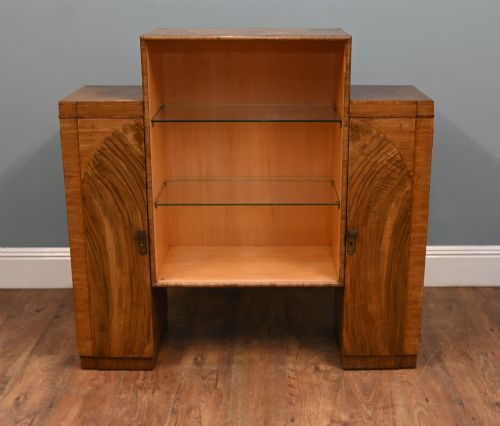
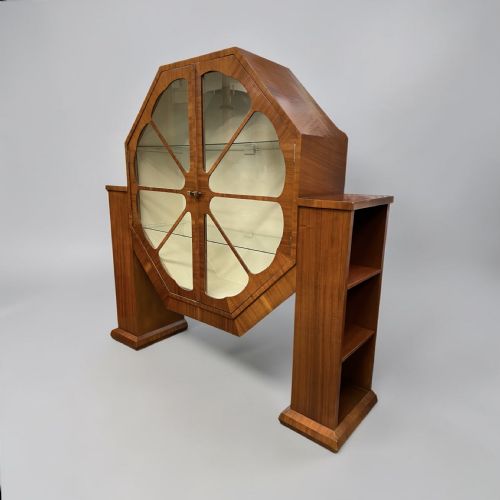
Art Deco pieces favour streamlined geometry, circular or rocket-shaped profiles, and figured walnut veneers without traditional revival ornamentation.