
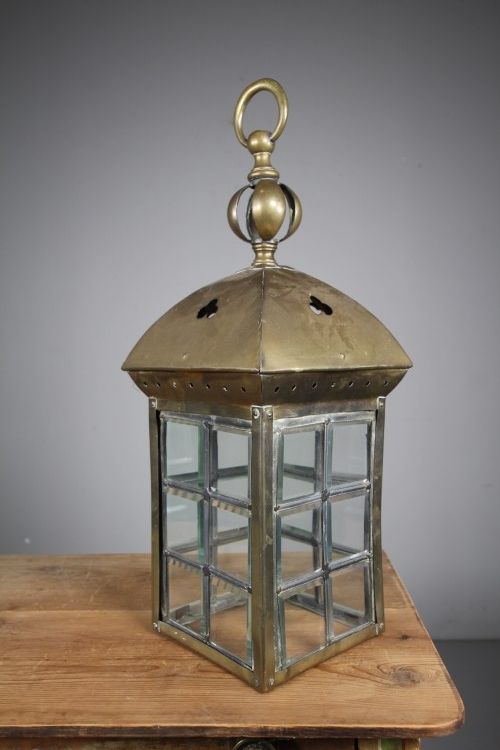


Vintage Vestibule Light
A vintage vestibule light brings character to an entrance hall, offering functional illumination through period glass and metalwork.
Vintage Vestibule Light
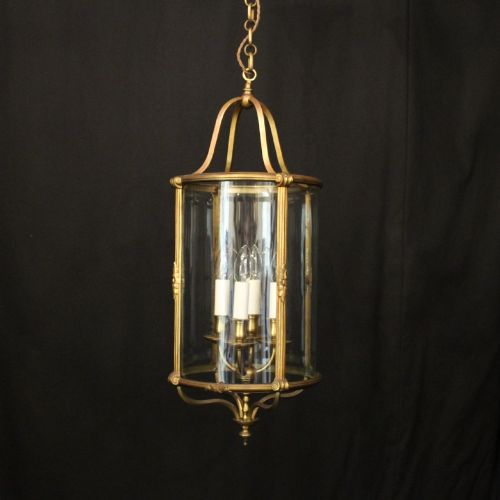
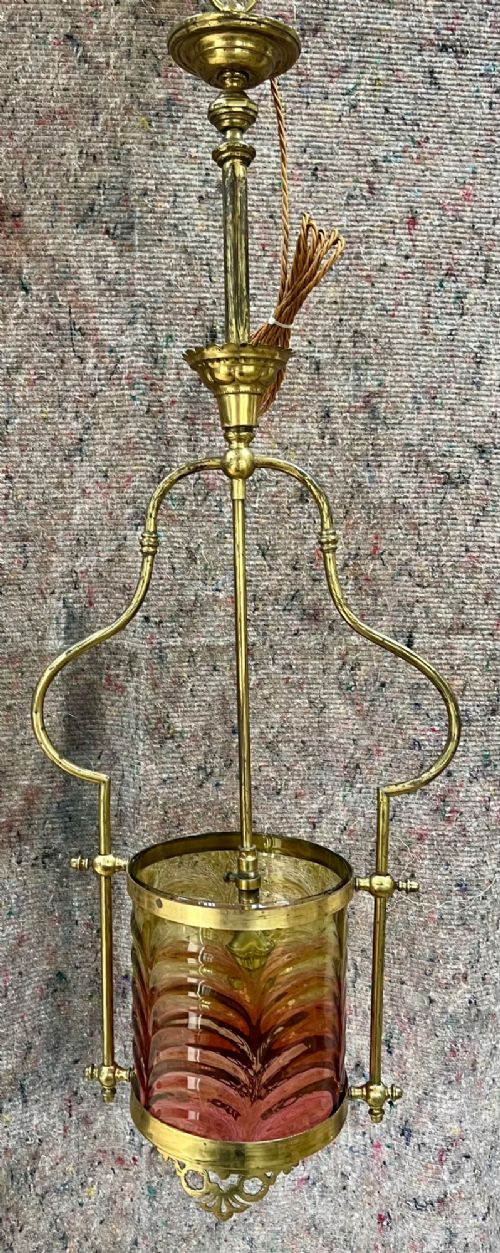
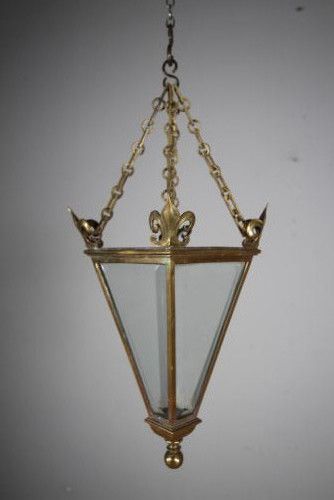
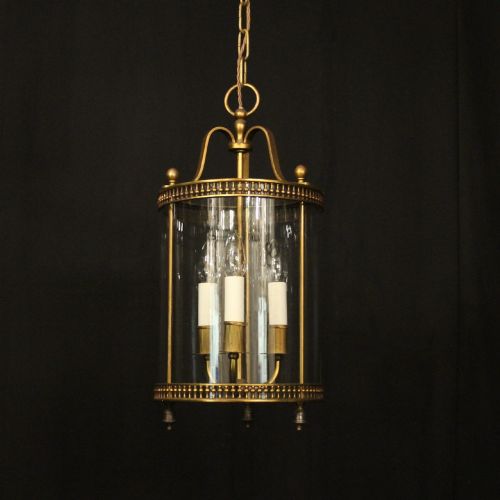
A vintage vestibule light serves as the primary illumination for entranceways, corridors, and porches, combining utility with distinct period style. Buyers searching for a vintage vestibule light encounter hanging lanterns, pendant lights, and ceiling fittings designed to greet visitors upon entry.
The selections span from the nineteenth century through the Edwardian era and into the 1930s, featuring robust materials intended for transitional spaces. French designs, including French Chateau and French Neoclassical styles, appear alongside English Victorian and Edwardian examples.
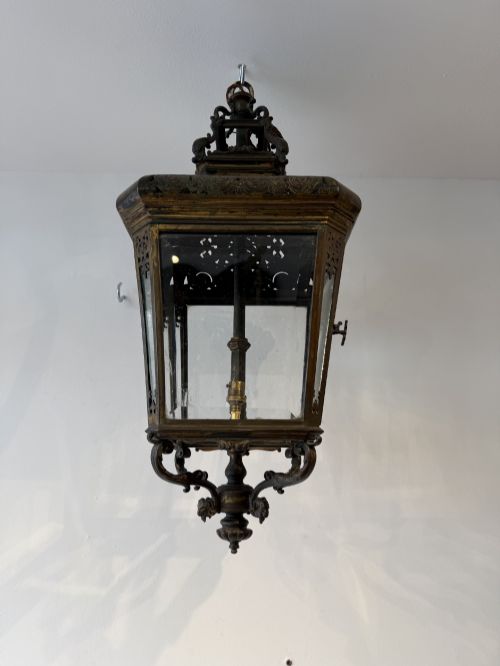
Most pieces utilise metal frames enclosing glazed panels, often incorporating doors to allow access for maintenance and bulb replacement. These fixtures range from simple utilitarian copper porch lanterns to ornate gilded bronze creations intended for grander townhouses.
Materials and construction
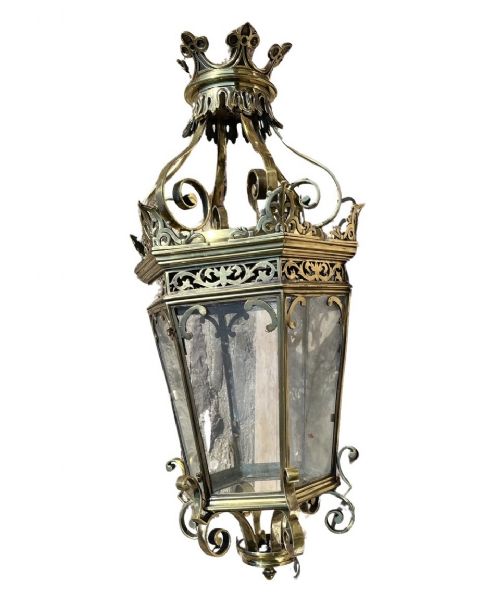
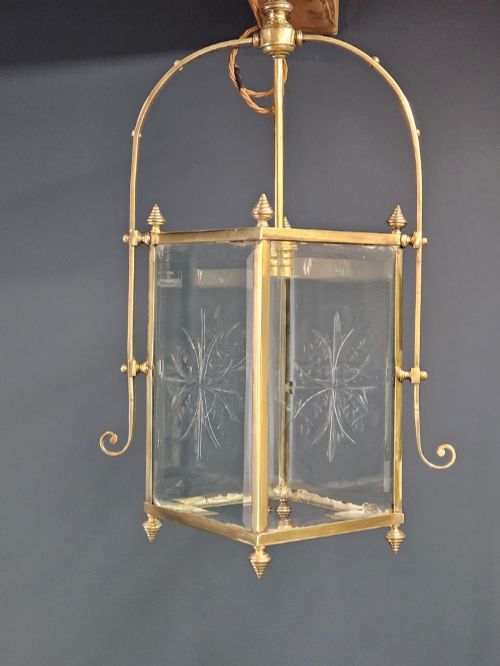
Makers constructed these lanterns using durable metals such as brass, gilt bronze, copper, wrought iron, and steel to support the weight of glass panels. Cast and wrought iron elements provide structural integrity, while polished brass and gilded bronze offer decorative richness.
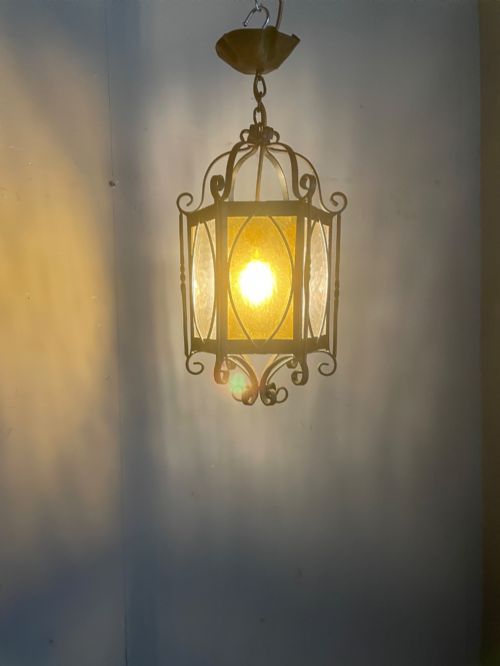
Glazing techniques involve fitted glass panes, sometimes leaded or coloured, held within metal frames by glazing bars or clips. Many designs incorporate a hinged door, allowing access to the interior burners or electrical fittings.
The listings demonstrate a strong presence of French designs from the 1920s and 1930s, alongside 19th-century English brass and iron fixtures.
Assessing craftsmanship and detail
Quality in these lanterns rests upon the weight of the metal framework and the crispness of casting details, particularly in gilded bronze and brass examples. Heavier gauge metals and hand-forged ironwork indicate superior construction designed to endure in busy entranceways.
The refinement of the glazing and the complexity of the metalwork distinguish finer pieces, such as those executed in French Rococo or Gothic Revival styles. Simple designs rely on the purity of their proportions and the quality of the finish on the copper or brass.
The Vintage Vestibule Light Glossary
- Hall lantern
- A ceiling-hung light fixture enclosed in glass, specifically proportioned for corridors and entrance halls.
- Gilt bronze
- Bronze that has been coated with a thin layer of gold, providing a durable and decorative metallic finish. This material is frequently found on French examples.
- Wrought iron
- Iron that has been heated and shaped with tools by a blacksmith, resulting in a strong material with visible texture. It appears on robust porch and hall fixtures.
- Hexagonal
- Having six sides and six angles, a common geometric plan for the glazed panels of hanging lanterns. This shape allows light to disperse evenly across an entryway.
Vintage Vestibule Light: Frequently Asked Questions
How do I hang a heavy hall lantern?
Suspension requires secure attachment to a ceiling joist using appropriate fixings to support the combined weight of metal and glass.
Professional electrical installation ensures the internal wiring meets safety standards while retaining the original ceiling rose.
Can these lights be used outdoors?
Certain examples designated as porch lanterns are built to withstand outdoor conditions, utilising copper or treated iron frames.
Interior hall lanterns lack the necessary weather seals for exposed exterior locations and function best within sheltered porches.
How do I access the bulbs for replacement?
Many designs incorporate a small hinged door on the side of the lantern framework to permit easy interior access.
Other models require lifting or sliding the glass panels or lowering the entire pendant assembly from the ceiling suspension.
How do I clean the glass panels?
Careful removal of dust using a soft cloth preserves the original metal finishes and prevents scratching the antique glass.
Gentle cleaning solutions applied away from the metal components prevent tarnishing of the brass, bronze, or copper surfaces.