

French Rococo Lights
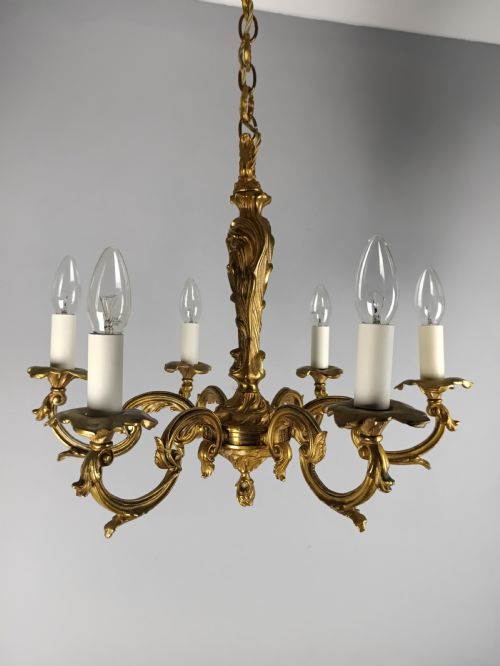
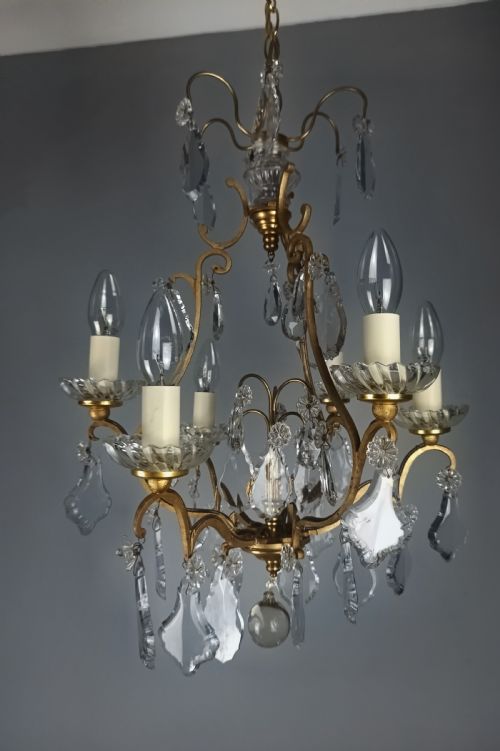
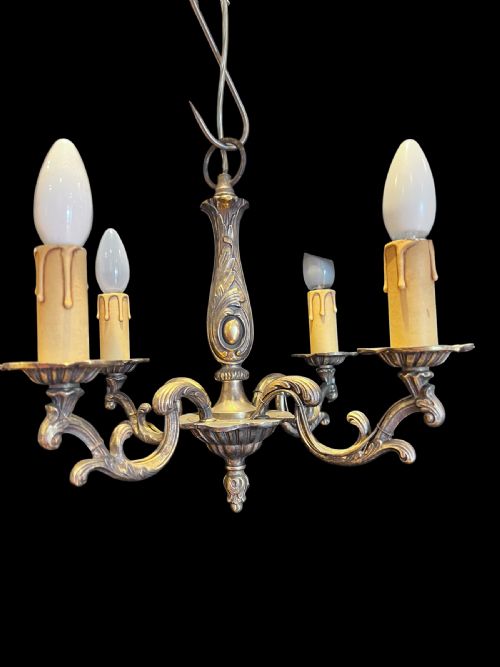
When you search for french rococo lights, you are looking at elaborate 18th-century inspired brass, bronze and crystal wall sconces and chandeliers.
French Rococo Lights
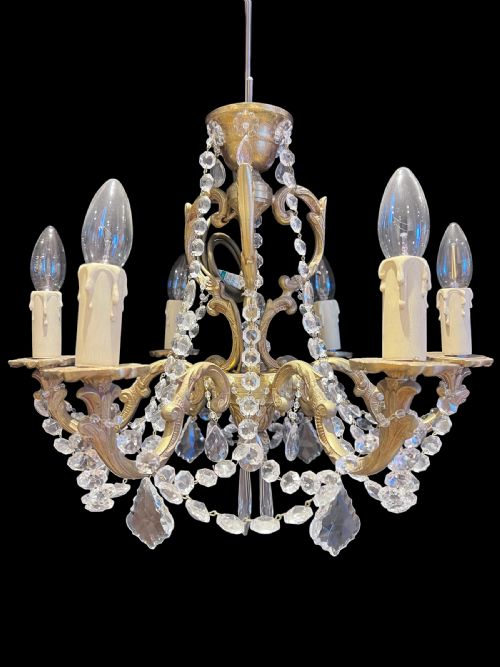
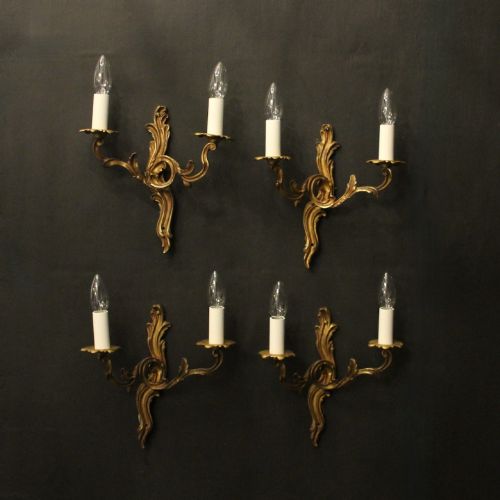
French rococo lights encompass various illumination fixtures originating from styles spanning the 18th century to the early 20th century, notably including the 1920s and 1930s revival periods. Buyers searching this phrase will frequently encounter wall lights, twin-arm sconces, and multi-light chandeliers reflecting asymmetrical organic motifs.
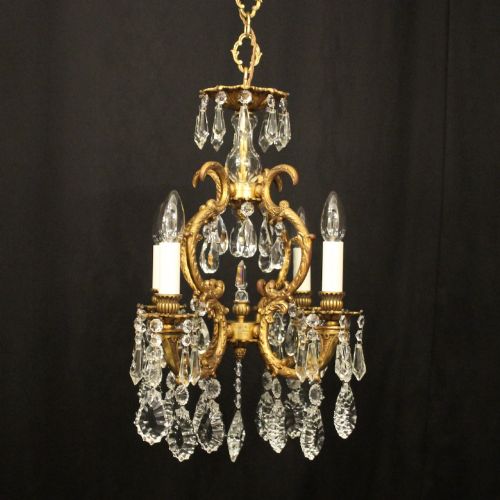
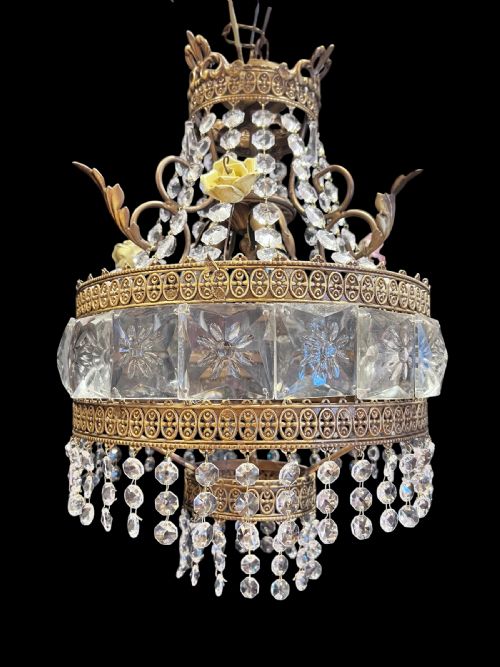
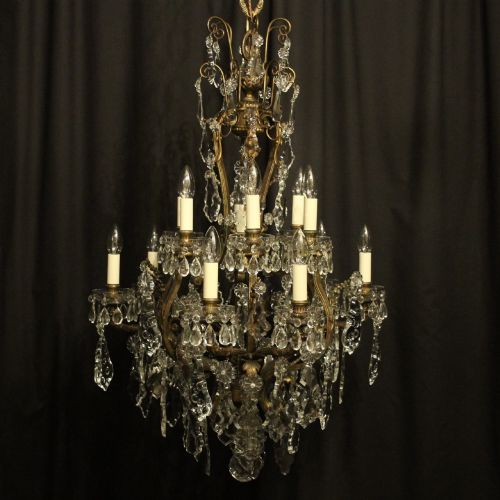
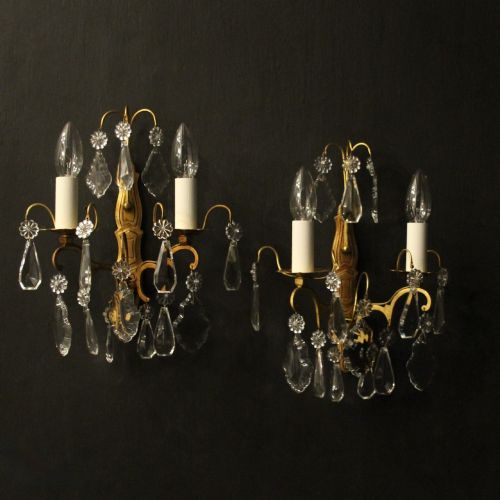
The selection ranges from single-light brass lanterns and porcelain flower-adorned fixtures to grand multi-tier crystal and gilt bronze chandeliers. Wall lights often appear in matched pairs or larger sets, intended for symmetrical placement in principal rooms.
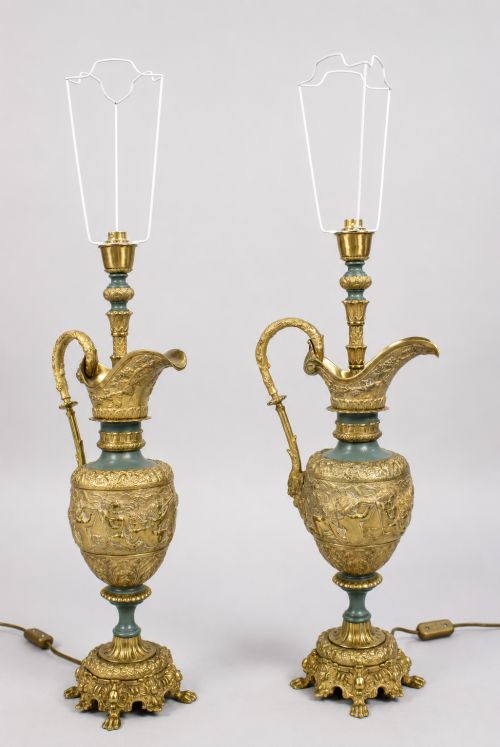
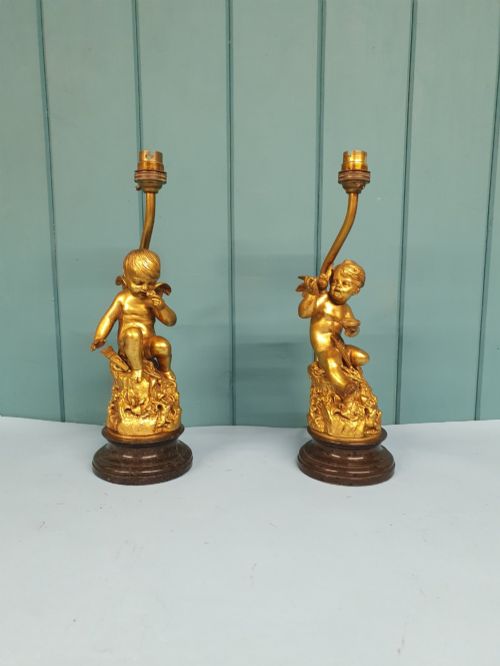
Beyond wall-mounted fixtures and hanging chandeliers, the category includes table lamps and half lanterns incorporating similar ornate metalwork and scrolling forms. These pieces draw heavily upon Louis XV aesthetics, often combining cast metal frames with sparkling glass drops.
Materials and Techniques
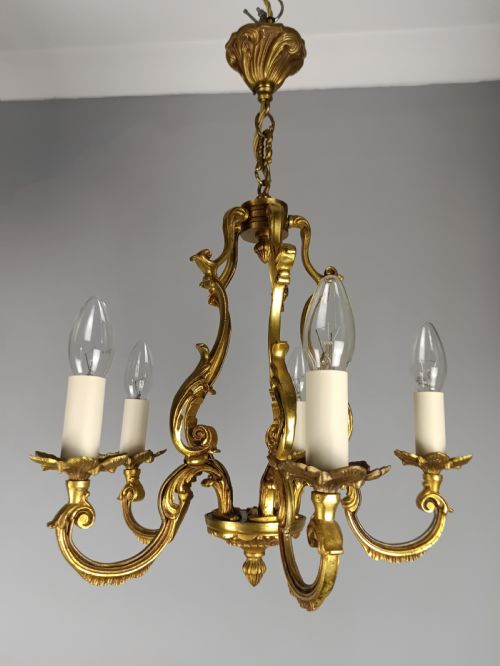
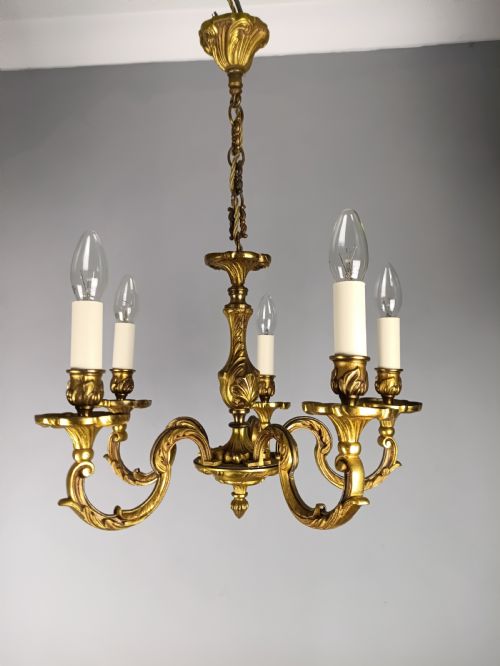
Foundry casting formed the foundation of these pieces, utilising brass, bronze, spelter, and ormolu to create intricate, curving armatures and backplates. Artisans applied fire gilding, silver gilding, or surface lacquering to impart a rich metallic sheen to the base metal.
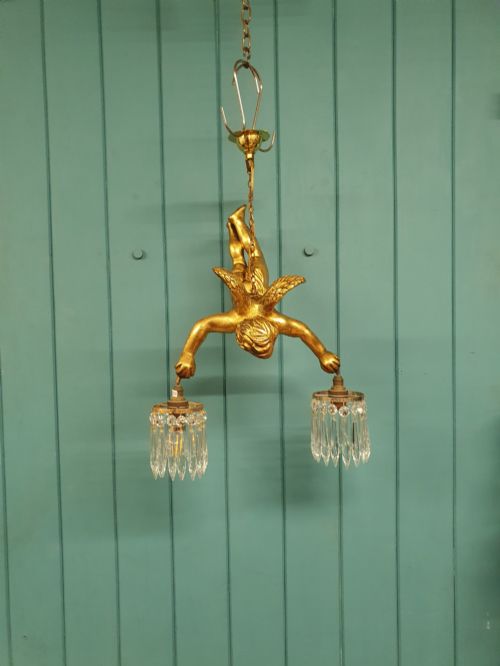
Cut glass and crystal components, such as spikes, drops, and pendeloques, were wired or pinned directly into the metal frames to refract light. Hand-painted porcelain flowers and detailed cherub figures occasionally complemented the metalwork, adding delicate botanical and figurative elements.
Listings feature pieces spanning from the 18th century through to 1930, with brass and gilt bronze serving as the dominant materials.
Evaluating Quality
Quality rests upon the crispness of the cast ornamentation and the weight of the metal utilised in the frame. Superior examples display sharply defined acanthus leaves, deep scrollwork, and hand-chased details rather than soft, muddy casting edges.
The integration of genuine cut crystal drops and heavy gilt bronze or ormolu distinguishes finer pieces from lighter brass or spelter alternatives. Intricate assembly, secure arm joints, and substantial backplates indicate careful workshop construction.
The French Rococo Lights Glossary
- Ormolu
- Gilt bronze produced by applying a mercury and gold amalgam to a bronze object and heating it. This historic technique created a durable, rich golden surface on decorative mounts.
- Sconce
- A wall-mounted lighting fixture designed to hold candles or electric lamps. These typically feature one or more arms extending from a decorative backplate.
- Spelter
- An alloy of zinc and lead often used as a substitute for bronze in decorative castings. It accepts finishes well but possesses a lighter weight and softer structure.
- Pendeloque
- A hanging crystal drop, often pear-shaped or faceted, suspended from chandeliers and wall lights to catch and reflect light.
- Louis XV Style
- An 18th-century design movement characterised by asymmetry, C-scrolls, floral motifs, and naturalistic curves. This aesthetic heavily influences the rococo revival pieces found here.
French Rococo Lights: Frequently Asked Questions
How do I wire antique wall lights?
Most antique wall lights are adapted for modern electrical wiring by running thin flex through the hollow cast arms or backplate. Qualified electricians typically handle this process during installation.
Rewiring ensures the fixtures meet contemporary safety standards while preserving the original metalwork and decorative components.
Can I hang these chandeliers on low ceilings?
Many chandeliers from this period feature adjustable chain lengths or possess relatively compact drop heights suited for standard domestic rooms. Selecting fixtures with fewer tiers helps maintain appropriate clearance.
Checking the overall height and weight of the chandelier before purchase ensures secure ceiling mounting.
How should I clean gilt bronze fixtures?
Dusting gently with a soft, dry cloth prevents the accumulation of grime on intricate cast metal surfaces. Avoid harsh chemical cleaners or abrasive polishes that strip historic surface gilding.
Crystal components can be carefully wiped with a mild soapy solution while detached from the main metal frame.