
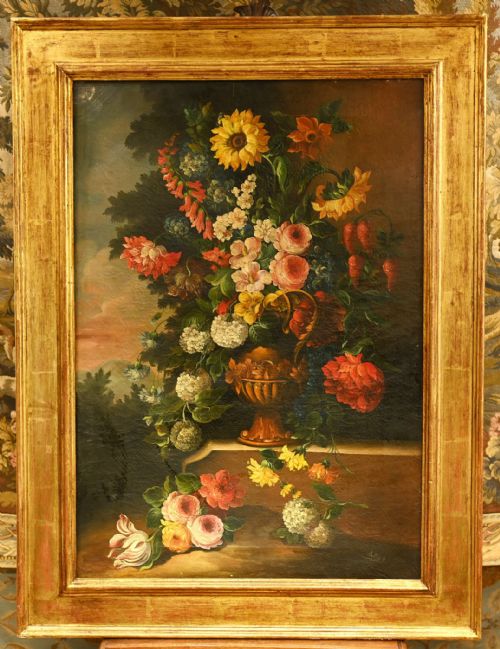
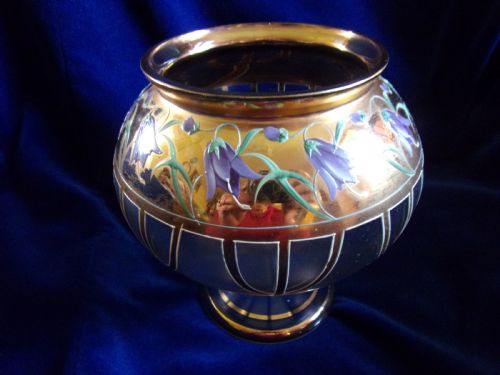


Vintage Urn Flower Painting
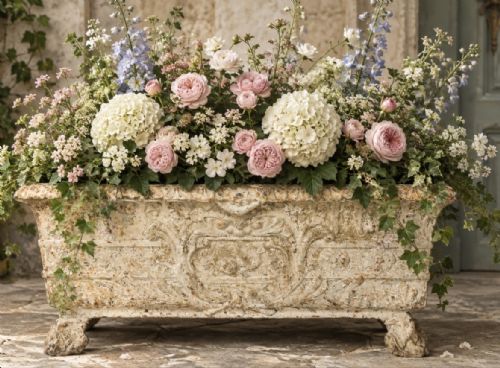
These vintage urn flower painting works combine botanical imagery with classical vessel forms, offering a decorative focus for traditional interiors.
Vintage Urn Flower Painting
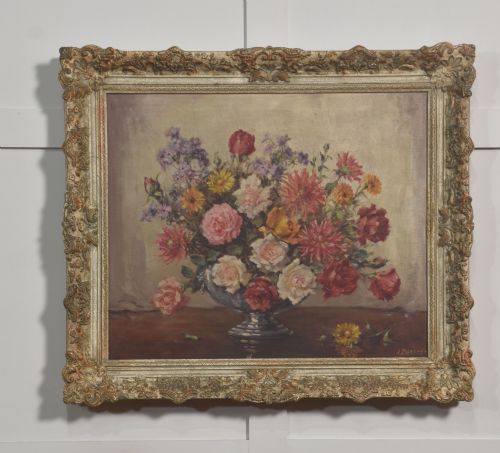
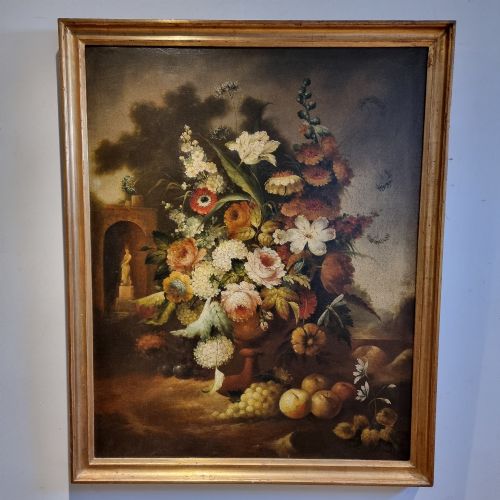
A buyer seeking a vintage urn flower painting encounters a diverse selection of oil paintings, watercolours, and painted porcelain vessels depicting floral arrangements. The physical items on this page range from oil paintings on canvas and board to ceramic vases and planters decorated with hand-painted floral motifs.
The objects span multiple periods, including the Regency era, the nineteenth century, and the early twentieth century up to the 1960s. Common styles represented across these items include Victorian, Edwardian, Art Nouveau, Art Deco, and French Rococo Revival.
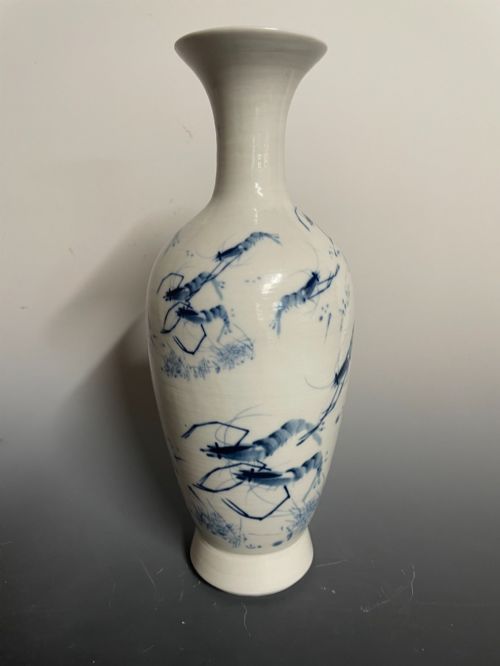
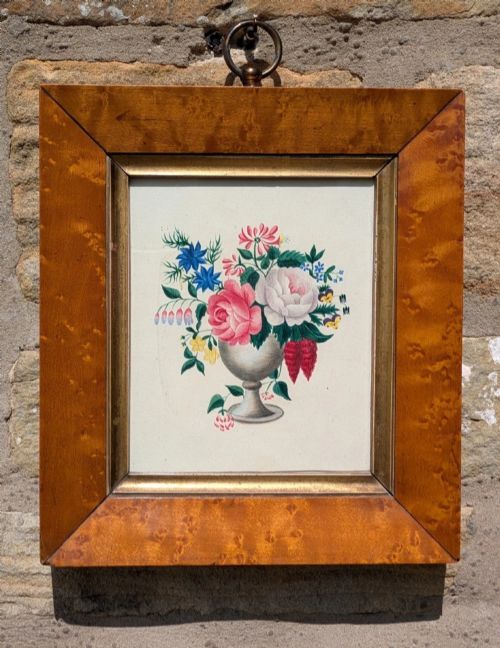
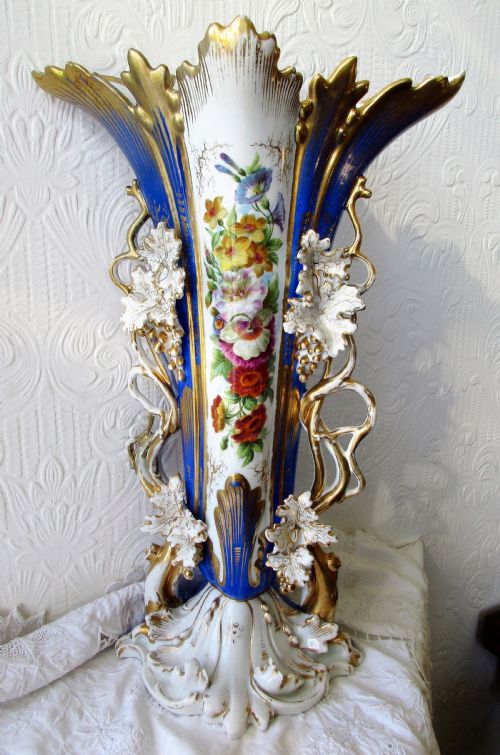
Vessels take the form of porcelain vases, posy vases, and planters, often decorated with hand-painted flowers, raised white enamel, or gilding. Paintings present still-life studies of spring flowers, botanical watercolours, and classical floral arrangements.
Materials and construction methods
Makers utilised traditional artistic mediums such as oil paint on canvas or board and watercolour on paper to create the painted depictions of flowers. Porcelain and ceramic pieces received hand-painted decoration, sometimes enhanced with gold leaf, gilt accents, and raised enamel work.
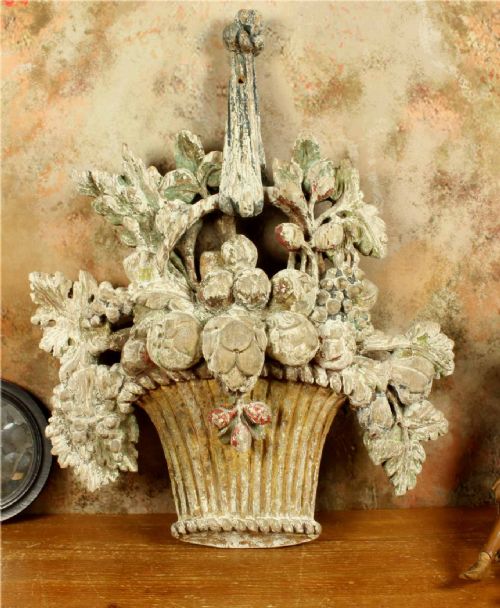
Rigid supports and vessel bodies incorporate ceramic, glass, wood, marble, and toleware. Carved wooden elements and carved urns demonstrate traditional woodworking and relief techniques alongside moulded porcelain production.
Listings feature oil paintings, watercolours, porcelain vases, and wooden wall reliefs spanning from the Regency era to the mid-twentieth century.
Distinctions in quality and execution
The standard of a vintage urn flower painting or decorated vessel rests upon the precision of the hand-painted brushwork and the depth of detail in the floral rendering. Pieces bearing attribution to recognised potteries or named artists display superior artistic execution in their composition and colour application.
Material composition also dictates standing, with fine porcelain bodies, intricate enamel work, and solid wood carvings representing higher levels of craftsmanship compared to standard production wares.
I Berezny·Terence Loudon·Royal Doulton·Meissen·Poole Pottery·Royal Worcester·John Burns Robertson
The Vintage Urn Flower Painting Glossary
- Enamel
- A glass-like substance applied to pottery, glass or metal surfaces and fired for decoration. Raised white enamel adds tactile dimension to floral painted designs.
- Gilt
- A thin layer of gold applied to the surface of porcelain, wood or metal objects. This technique highlights decorative borders and vessel handles.
- Still Life
- A painting or drawing depicting inanimate subject matter, typically commonplace objects such as cut flowers in vases. Botanical still lifes focus specifically on plant forms.
- Toleware
- Painted or lacquered sheet metal items used for decorative domestic purposes. Tole flowers accompany carved urns in period decorative arrangements.
- Posy Vase
- A small vessel designed to hold a small bunch of flowers. These items appear in pairs from nineteenth-century French makers.
Vintage Urn Flower Painting: Frequently Asked Questions
What periods do these floral pieces represent?
The inventory encompasses items from the Regency period, the nineteenth century, and twentieth-century decades up to the 1960s. Styles reflect changing tastes from Victorian and Edwardian aesthetics to Art Nouveau and Art Deco.
Buyers encounter works created across various European traditions, including English porcelain, French faience, and Japanese imari ware.
How were these painted vases and canvases used?
Painted porcelain vases and posy vases functioned as ornamental table vessels or mantelpiece decorations to display fresh or dried stems. Oil paintings and watercolours provided wall decoration for domestic interiors.
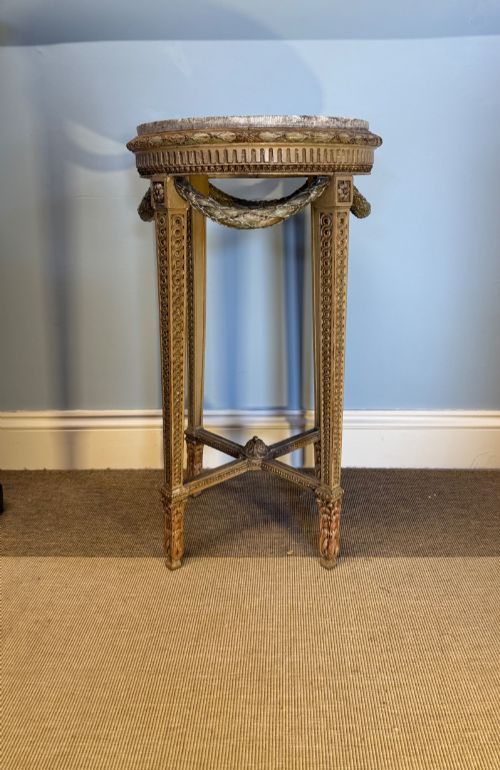
Planters and plant stands served a practical role in housing indoor plants while contributing to interior schemes.
How do I care for antique painted porcelain?
Dust porcelain and glass vessels gently with a soft, dry cloth to protect hand-painted decoration and gilt surfaces. Avoid immersing pieces with gold leaf or enamel work in water.
Keep canvas oil paintings away from direct sunlight and damp environments to preserve the integrity of the paint layer.
How can I identify different artistic styles?
Art Nouveau items feature flowing, organic plant lines, whereas Art Deco pieces show geometric clarity. Victorian and Rococo Revival works display ornate handles, vibrant colours, and heavy gilding.
Botanical watercolours from the Regency era demonstrate precise, scientific observation of plant anatomy.