

Vintage Upholstered Wingback Chair
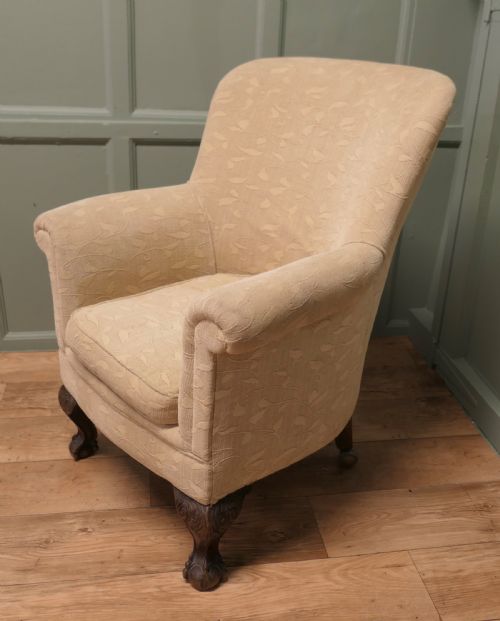
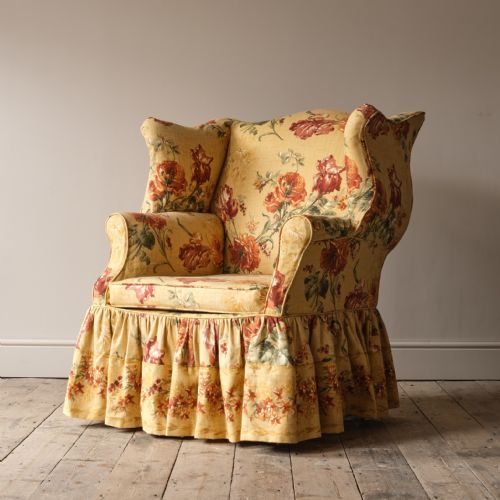
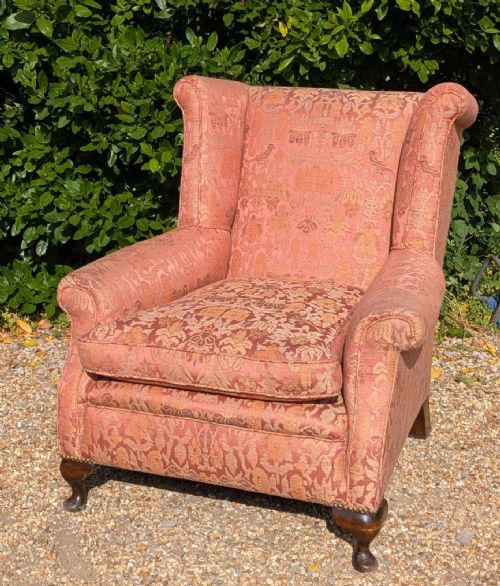
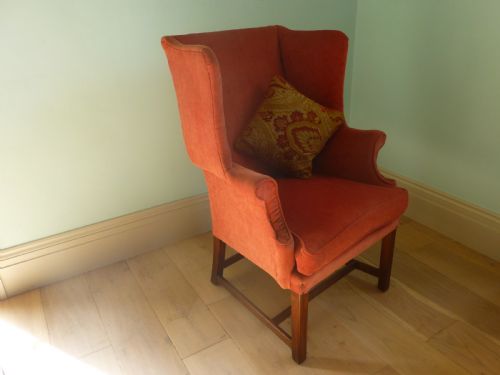
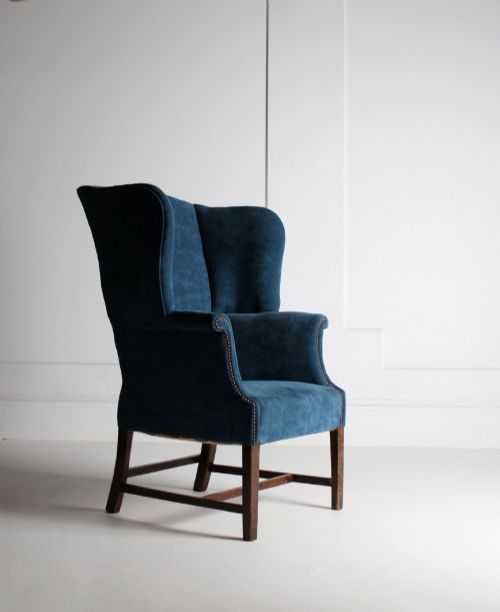
These vintage upholstered wingback chair options provide deep-seated comfort and draught protection, making them ideal fireside seating for traditional and contemporary rooms.
How they were made
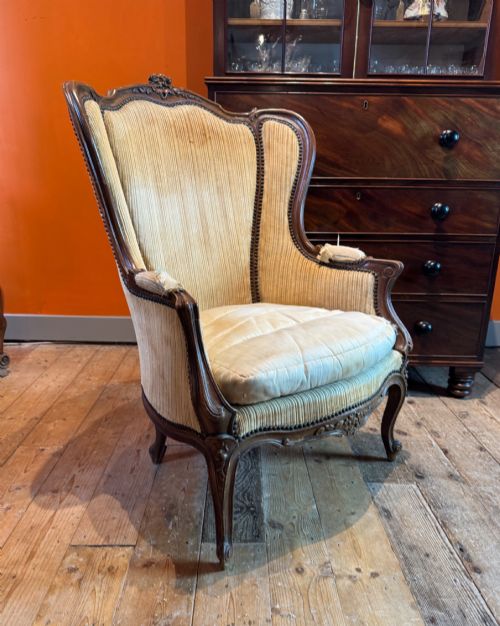
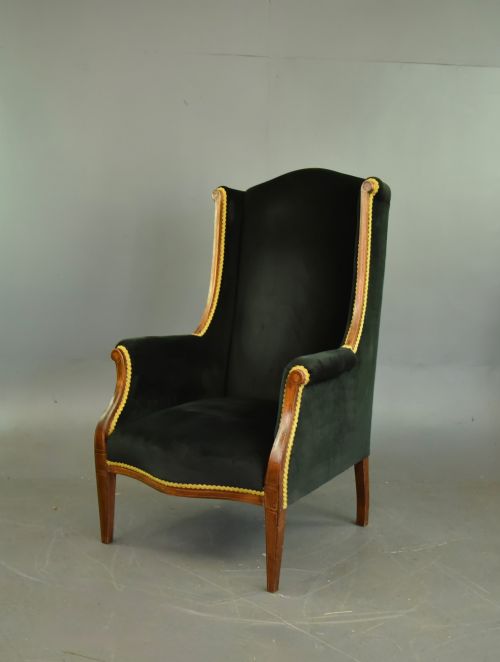
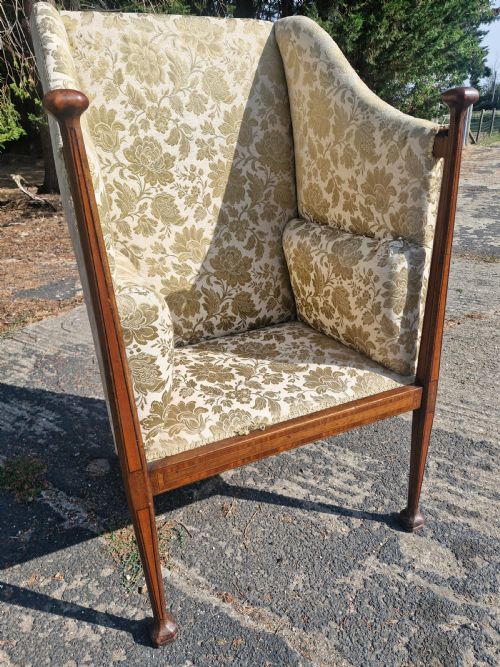
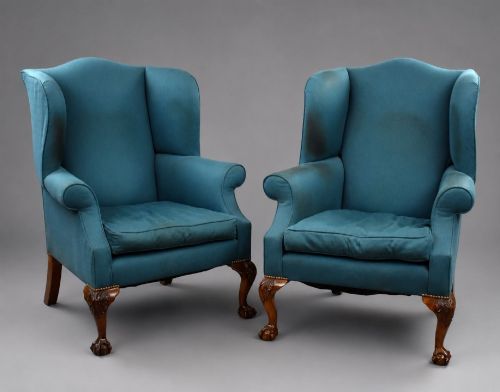
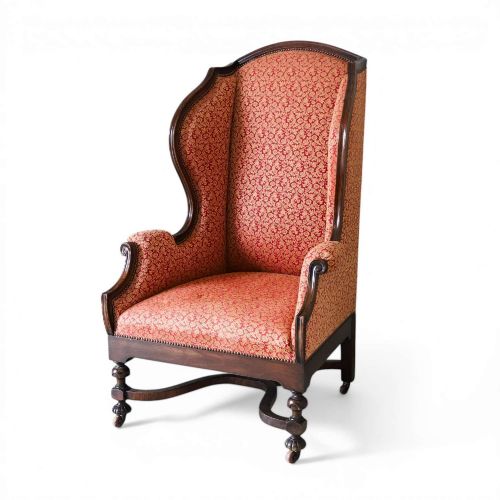
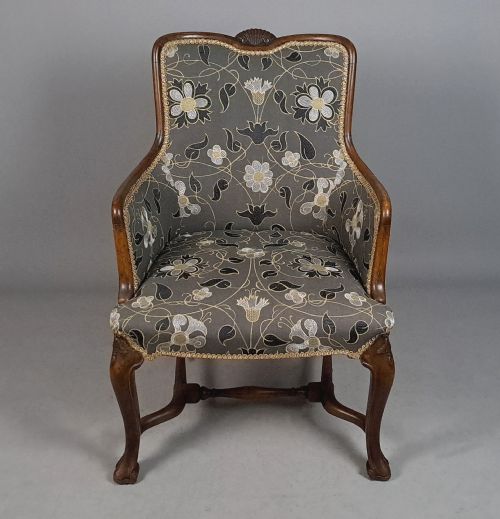
Frames are constructed from sturdy timbers such as mahogany, walnut, and general hardwood, providing the foundational strength required for heavy seating. Exposed woodwork often displays fine joinery, turning, or inlay work, particularly on Edwardian and Georgian revival models. Brass details occasionally appear on castors or structural hardware.
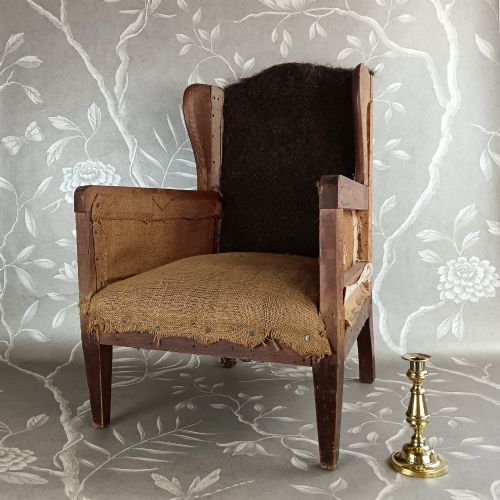
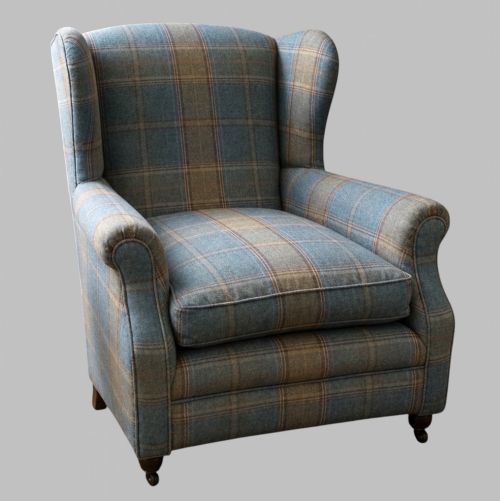
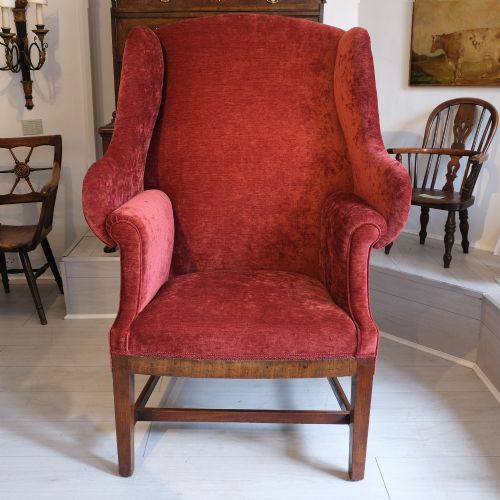
Upholstery techniques involve textile coverings over sprung or feather-filled interiors, creating deep cushioning that supports prolonged sitting. Materials like velvet, chenille twill, and plaid wool are stretched over robust internal webbing and stuffing, secured by traditional tacking.
What varies in quality
The standard of a vintage upholstered wingback chair depends heavily on the integrity of its timber frame and the authenticity of its period stylistic details. Pieces produced by recognised workshops or bearing distinct historical provenance carry greater craftsmanship in their carved mahogany or walnut structures.
Upholstery execution and the retention of original filling materials, such as feathers, dictate the comfort and tactile richness of the seating. The harmony between the underlying frame style - whether Carolean, Queen Anne, or George II - and its textile dress marks the distinction between standard production and superior examples.
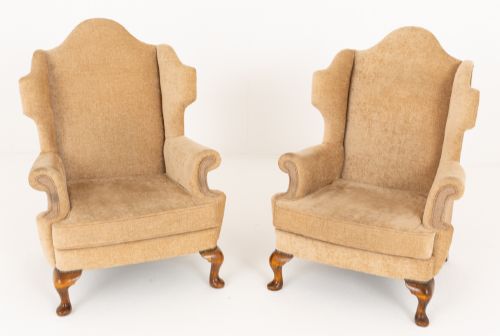
Early twentieth-century children found their own draught protection in scaled-down wingback chairs built just for them.
Howard And Sons·Whytock And Reid
The Vintage Upholstered Wingback Chair Glossary
- Wingback
- A high-backed armchair featuring characteristic side panels designed to trap heat and block room draughts. These protective extensions merge smoothly into the armrests.
- Barrel back
- A seating form where the upholstered back curves continuously around to form enclosed, rounded arms. This creates a cocoon-like enclosure for the sitter.
- Bergere
- An enclosed armchair with upholstered sides and back, typically featuring exposed wooden framing in French revival styles. The term often denotes lighter proportions within formal seating.
- Inlay
- A decorative technique where contrasting pieces of wood or other materials are inserted into the solid timber surface. This method frequently decorates Edwardian mahogany furniture frames.
Vintage Upholstered Wingback Chair: Frequently Asked Questions
What is a wingback chair?
A wingback chair is a high-backed seat featuring projecting side panels intended to shield the user from cold drafts. These distinctive wings frame the upper body while the deep seat provides enclosed comfort.
Historically placed near fireplaces, these chairs retain their protective shape and grand proportions in both period and twentieth-century variations.
How do I date a wingback chair?
Dating relies on examining the timber frame, leg style, and construction methods underneath the upholstery. Characteristics like mahogany or walnut framing, alongside revival styles such as Queen Anne or Georgian, point to specific decades.
Makers' stamps or labels from firms like Howard and Sons provide definitive markers for late nineteenth and early twentieth-century production.
Where should I place a wingback chair?
These chairs suit studies, libraries, and living rooms where their high backs and substantial presence can anchor the layout. They work well angled near a fireplace or reading corner to utilise their enclosing wings.
Due to their generous scale, they require sufficient floor space to be viewed properly without crowding smaller furniture.
What fabrics are used on vintage wingbacks?
Traditional upholstery materials include velvet, wool plaid, chenille twill, and heavy textiles. These fabrics provide durability and warmth while complementing the wooden frames.
Many pieces feature feather-filled cushions beneath the primary textile cover to ensure softness alongside structural support.