

Vintage Upholstered Fauteuil
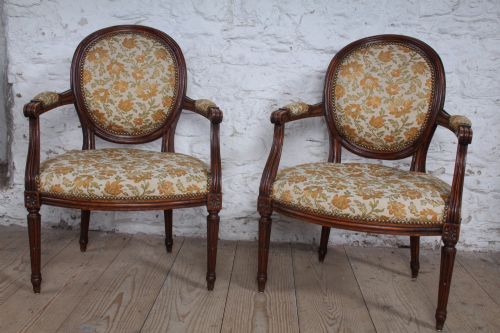
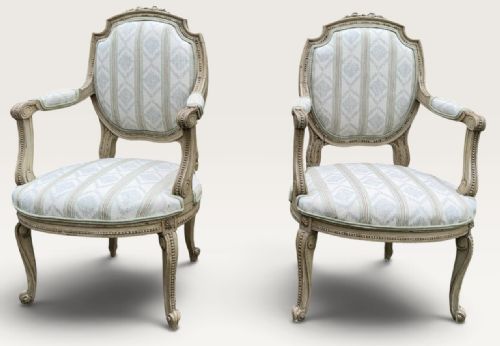
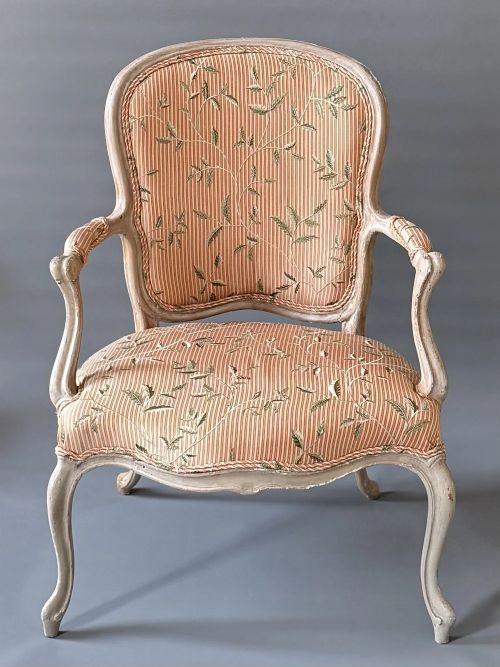
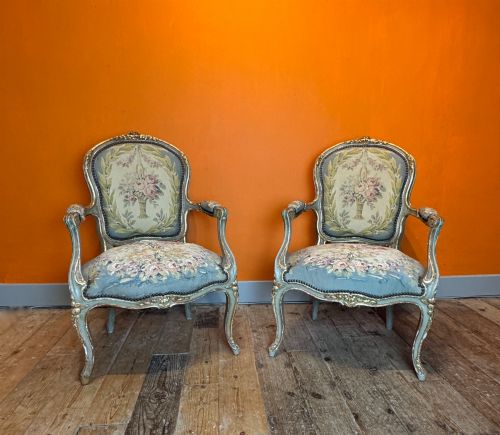
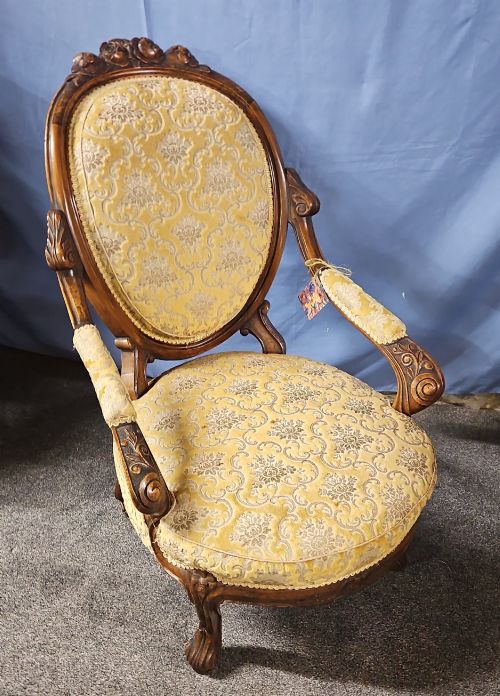
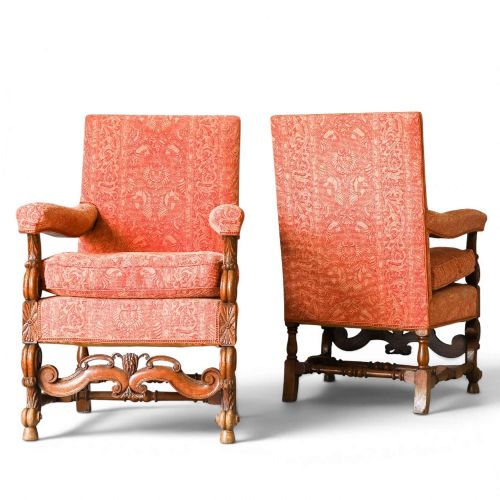
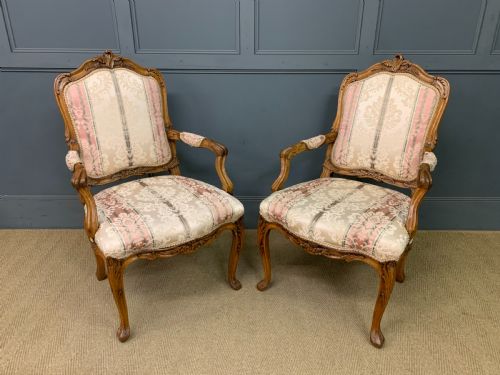
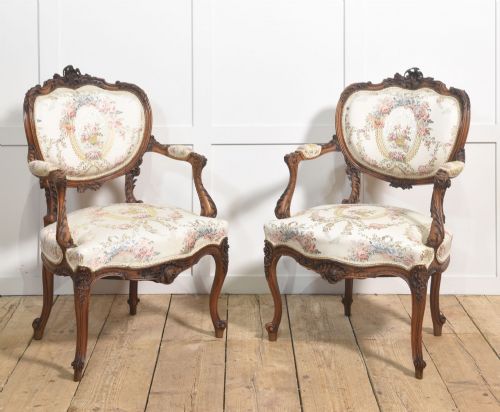
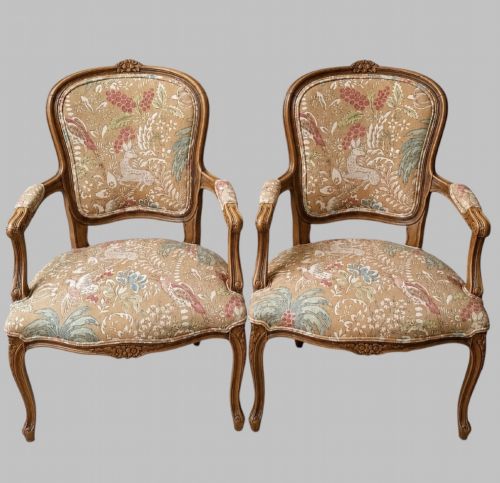
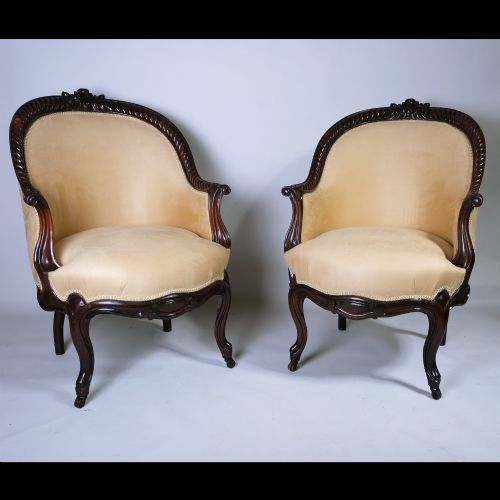
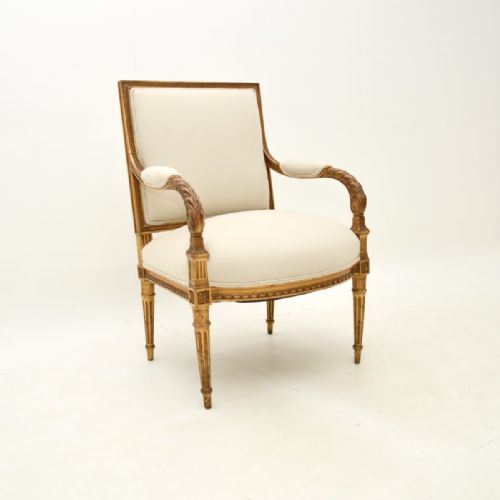
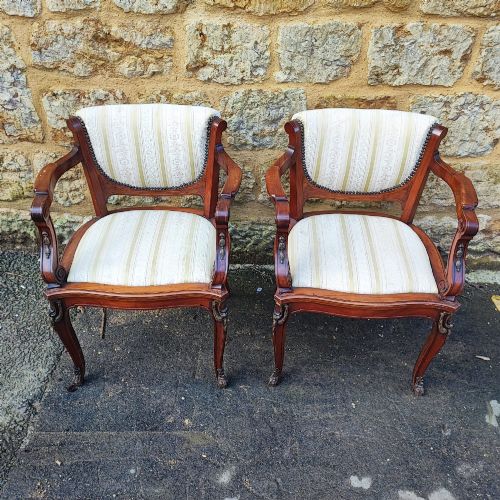
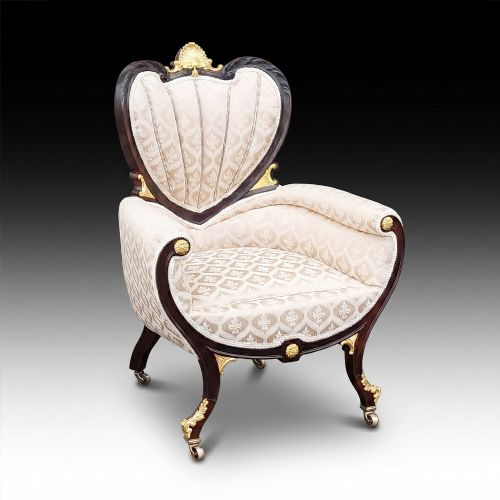
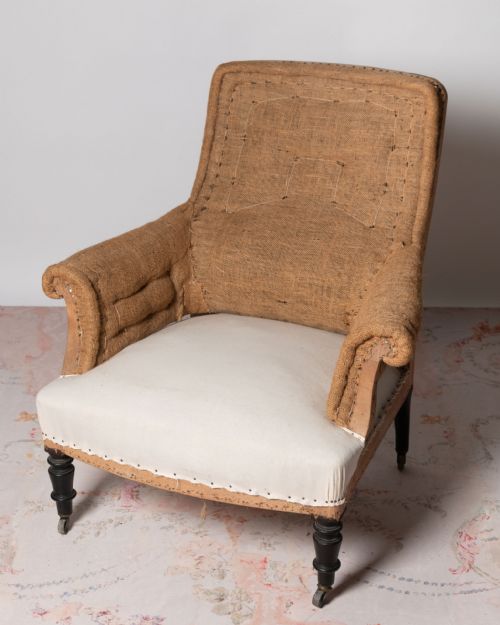
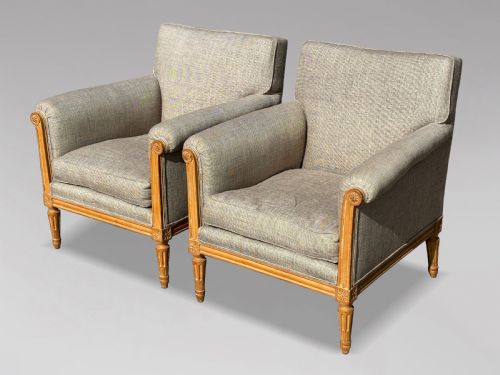
A vintage upholstered fauteuil brings open French seating into a room, offering carved wooden frames and soft textile covers that ground a seating area.
Vintage Upholstered Fauteuil
When searching for a vintage upholstered fauteuil, a buyer looks at open-armed seating originating primarily from French design traditions across the eighteenth, nineteenth, and early twentieth centuries. These armchairs and small settees combine exposed wooden frames with padded seats, backs, and armrests.
The versions met most often on this page date from the nineteenth century and the early decades of the twentieth century. They frequently reflect revival styles such as Louis XV and Louis XVI, alongside painted finishes, carved walnut, and period needlework textiles.
The form functions as both a decorative salon chair and a practical armchair for a study or drawing room. Listings frequently include matched pairs alongside individual seating pieces.
How they were made
Frames are constructed from hardwoods such as walnut, oak, beech, and mahogany, often shaped through carving and occasionally finished with paint, parcel gilt, or gilding. Joinery relies on traditional carpentry techniques suited to supporting the open framework of an armchair.
Upholstery incorporates traditional textile coverings including velvet, tapestry, and needlepoint panels secured over padding. Brass elements and gilt bronze mounts appear on specific revival and Empire pieces to accent the woodwork.
Listings feature walnut, oak, beech, and mahogany frames paired with velvet, tapestry, and needlework textiles across the nineteenth and early twentieth centuries.
What varies in quality
The distinction between tiers rests upon the crispness of the wood carving and the integrity of the frame construction. Solid walnut and finely carved gilt wood represent higher-grade framing compared to simpler painted surfaces.
The quality of the upholstery textile, whether original tapestry, needlework, or period velvet, shapes the overall character of the seating. Proportions, such as the balance of fluted legs and open armrests, determine the visual elegance of each piece.
The Vintage Upholstered Fauteuil Glossary
- Fauteuil
- An open-armed upholstered armchair originating in France, typically featuring exposed wooden framing around a padded back and seat. It serves as a traditional salon chair.
- Gilt wood
- Wood coated with a thin layer of gold leaf or gilt, used to highlight decorative carvings on formal seating frames.
- Needlework
- Hand-stitched textile work using yarn or thread on a canvas mesh, frequently encountered as period upholstery on nineteenth-century French chairs.
- Parcel gilt
- A surface treatment where only specific carved details of a painted or stained wooden frame are highlighted with gold leaf.
- Louis XVI style
- A neoclassical design aesthetic characterised by straight fluted legs, geometric symmetry, and restrained classical ornamentation.
Vintage Upholstered Fauteuil: Frequently Asked Questions
Were these chairs made in pairs?
Many nineteenth-century French armchairs and salon seats were produced as matching pairs for formal drawing rooms and parlours.
Individual chairs also appear frequently, often surviving as single pieces from larger seating suites or salon arrangements.
What woods were used for the frames?
Cabinetmakers utilised sturdy hardwoods including walnut, beech, oak, and mahogany to construct the structural frames of these armchairs.
Painted wood and gilded finishes were commonly applied over these timbers to match specific period decorative schemes.
How do I care for antique upholstery?
Delicate textiles such as vintage tapestry, needlework, and velvet require gentle vacuuming with a low suction attachment and protection from direct sunlight.
Professional textile conservationists can secure loose threads or fragile areas without compromising the historical fabric.