




Vintage Umbrella Container
A vintage umbrella container keeps hallway floors dry while bringing tactile warmth to an entrance through sturdy brass, oak, and leather construction.
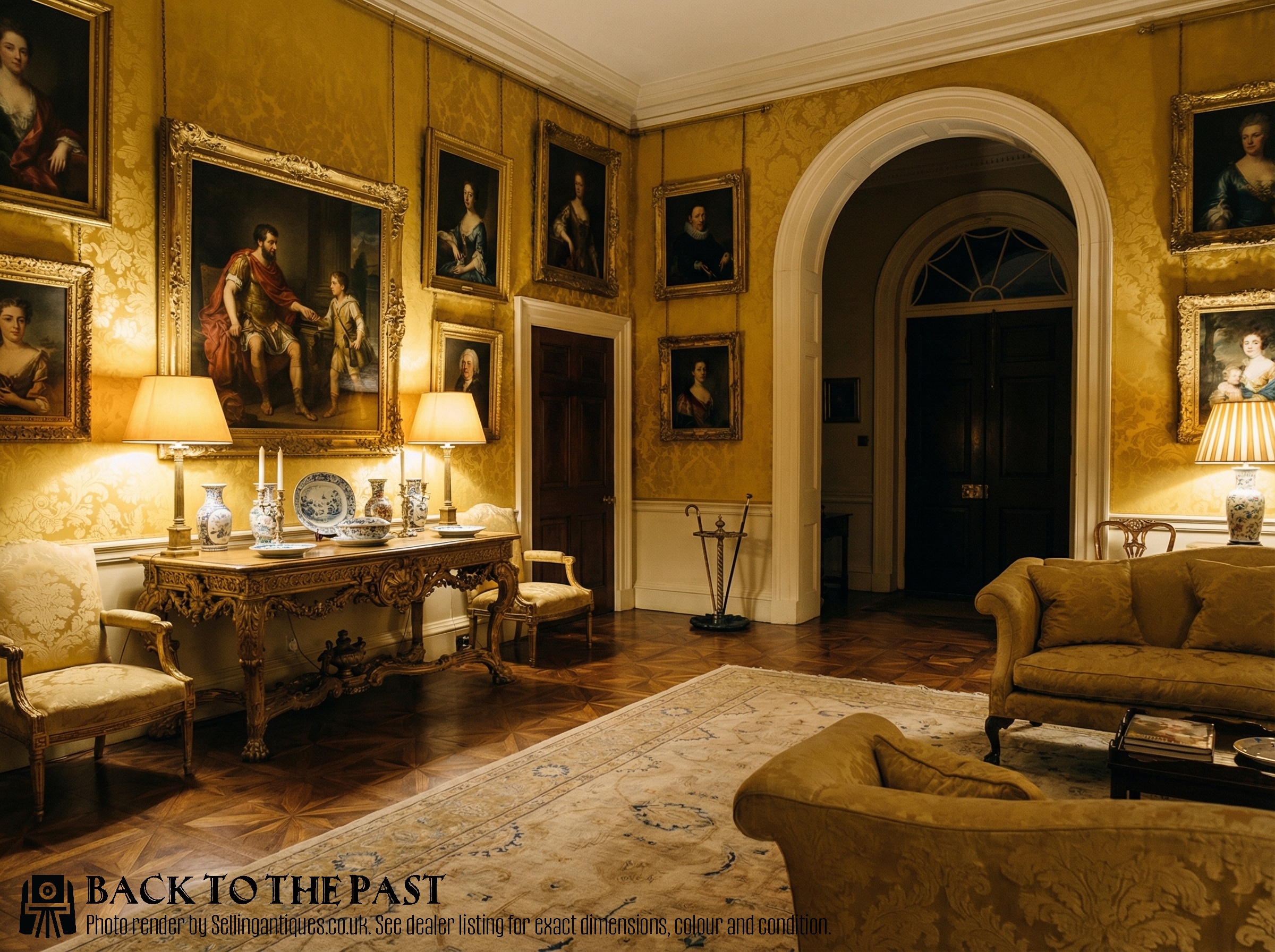
Vintage Umbrella Container
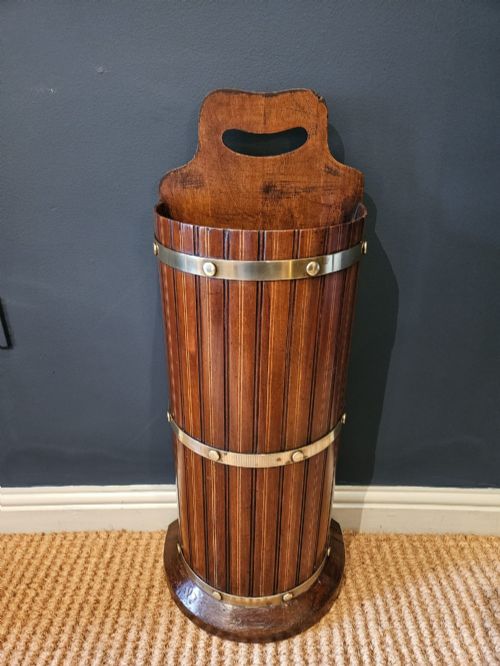
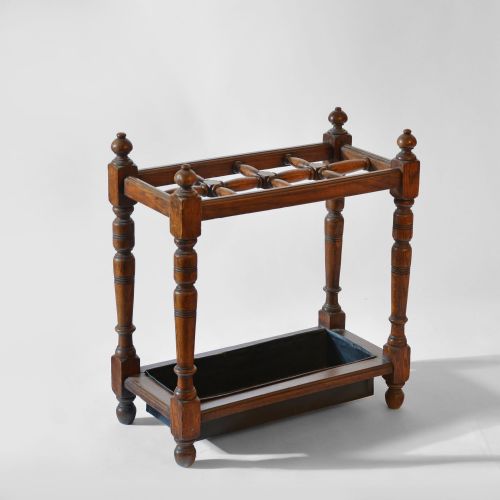
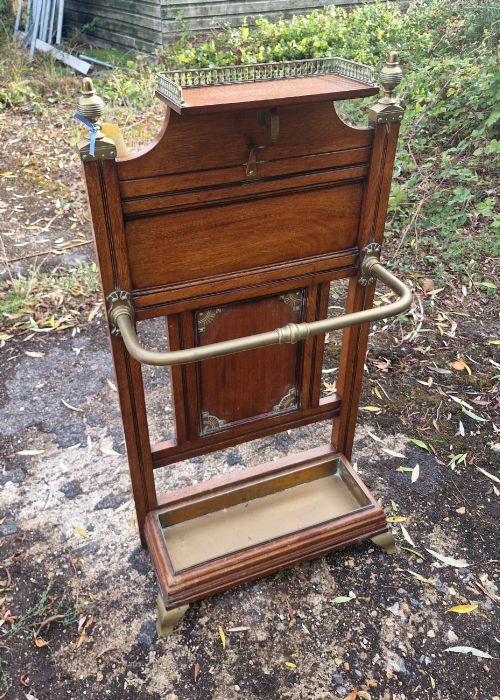
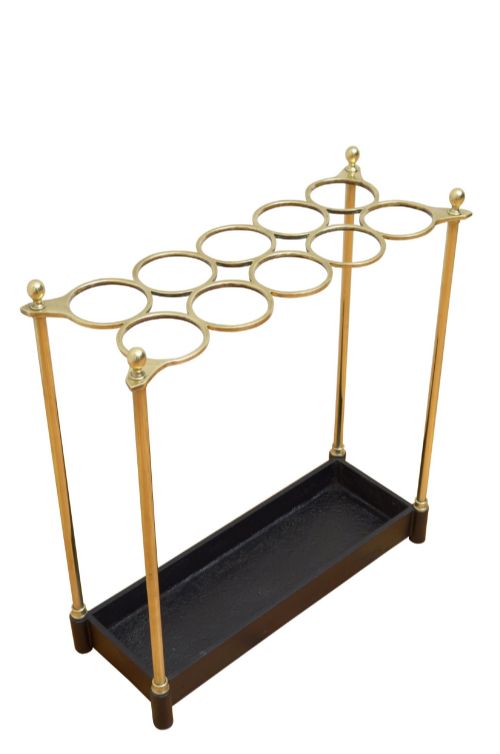
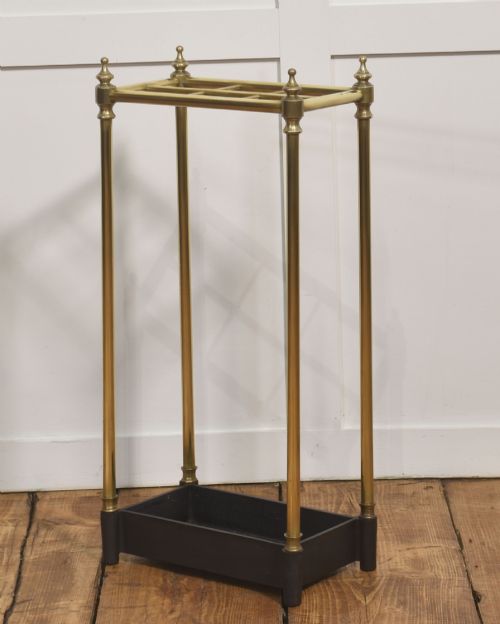
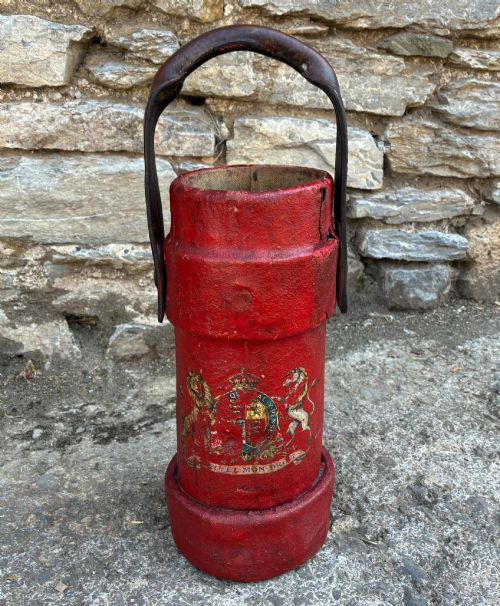
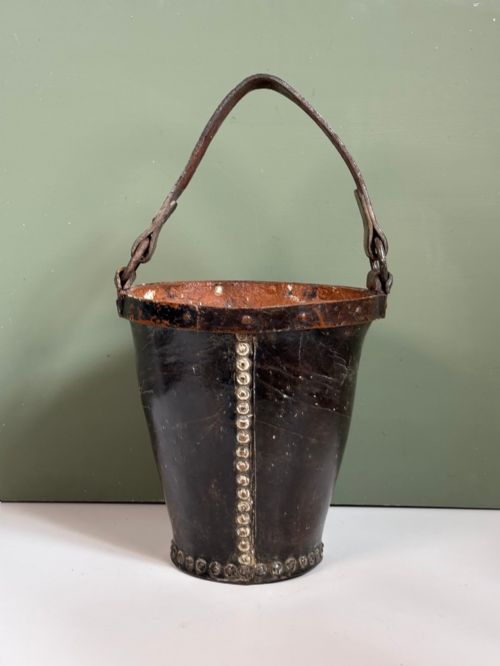
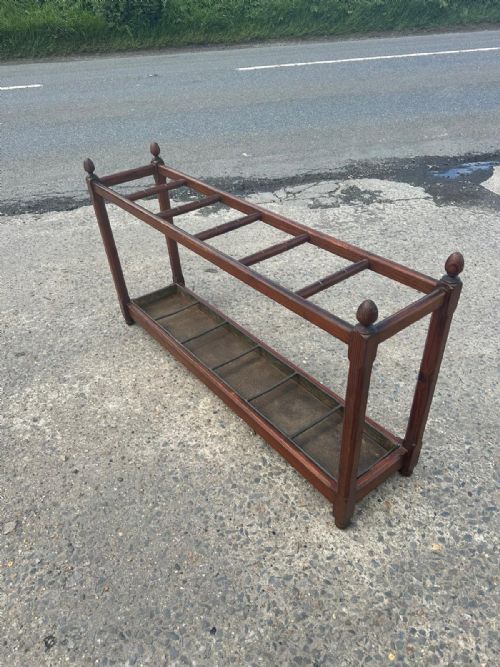
A vintage umbrella container serves as a practical vessel for hall storage, appearing frequently as oak barrels, brass frames, and leather buckets. These items span periods from the Victorian era through the early twentieth century, taking the form of stick stands, casks, and converted military gear. Buyers encounter formal hall furniture alongside rustic country house pieces designed for daily utility.
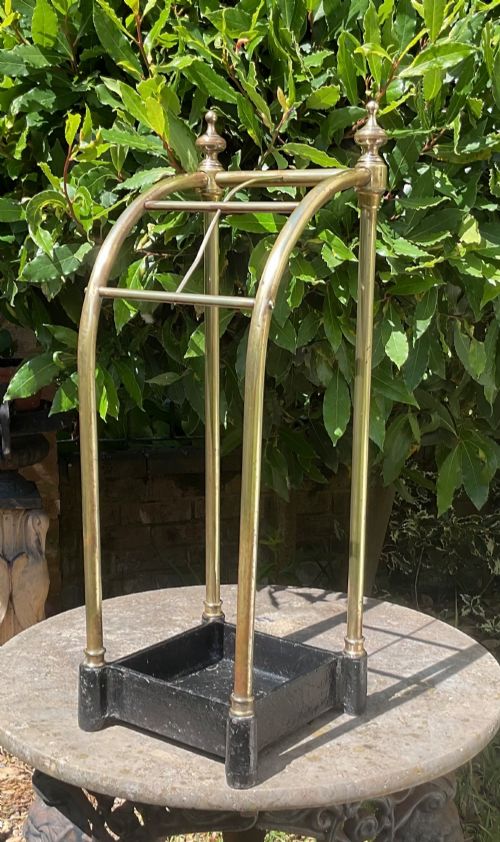
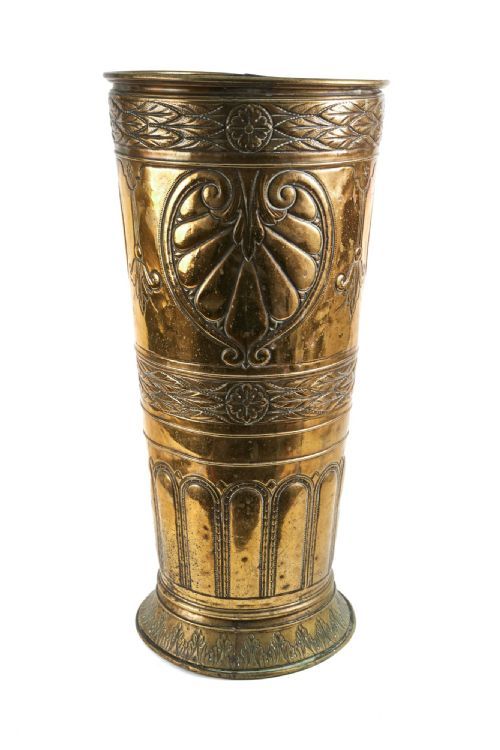
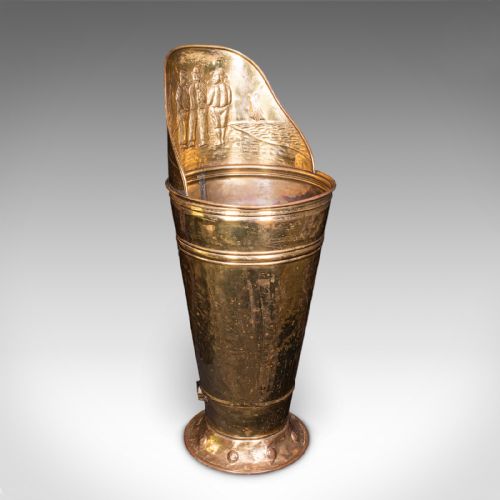
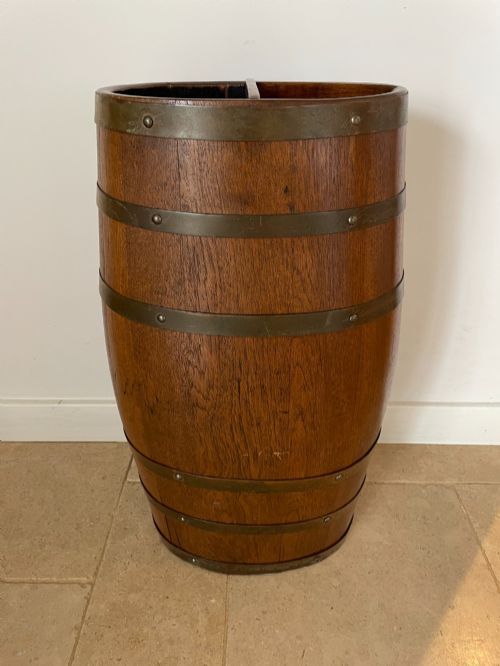
The selection includes coopered oak barrels bound with brass, cast iron frames, and pierced brass cylinders suited for damp entries. Makers utilised sturdy timber and resilient metals to withstand heavy rain gear and walking sticks. Forms range from demi lune shapes that fit tight hallways to large freestanding floor vessels.
How they were made
Craftsmen shaped solid oak into staves, holding the curved wooden walls together using tight metal hoops in traditional cooperage methods. Brass and copper sheets were beaten, pierced, or cast into decorative cylinders, often finished with ball finials or cast iron weighted bases. Leather buckets relied on thick hides, sometimes boiled to maintain rigidity, stitched or riveted at the seams.
Makers integrated various materials into single designs, pairing heavy cast iron with polished brass or combining pitch pine with turned wooden spindles. Details such as barley twist supports and woven panels appear on country house examples, showing a mix of structural timberwork and metal fabrication.
What varies in quality
Quality rests on the integrity of the materials and the precision of the construction, such as the tight fit of coopered oak staves and the thickness of the brass sheet. Finer pieces display substantial weight in their cast iron bases and secure riveting on leather vessels, ensuring stability when holding heavy walking poles. Decorative restraint and balanced proportions separate simple utilitarian items from more elaborate country house designs.
The preservation of original surface patinas on both the timber and the metal affects the character of each piece. Superior examples retain their original brass bands, fixings, and internal drip trays without extensive replacement parts or structural compromise.
The Vintage Umbrella Container Glossary
- Coopered
- Constructed from wooden staves joined edge to edge and bound by metal hoops, much like a traditional barrel. This technique ensures watertight strength for oak umbrella containers.
- Demi lune
- Shaped like a half moon with a flat back designed to sit flush against a hallway wall. This profile saves floor space in narrow entryways.
- Cordite
- A type of smokeless propellant used in military ammunition during the late nineteenth and early twentieth centuries. Metal containers made for this explosive powder are frequently repurposed as umbrella holders.
- Hotte
- A traditional French backpack carrier, often constructed from wood and metal, used during grape harvests. These agricultural baskets serve well as rustic umbrella stands.
- Finial
- A decorative ornamental crowning feature placed at the top corners or posts of a stand. They add architectural detail to brass and iron frames.
Vintage Umbrella Container: Frequently Asked Questions
Where should I place an umbrella stand?
These vessels suit hallways, boot rooms, and entrance lobbies where wet weather gear collects. Their compact footprints allow them to stand neatly beside a front door.
Ensure the surface beneath the container can handle moisture, or place a discreet waterproof tray inside if the piece lacks an original metal liner.
How do I clean brass and copper?
Dust the metal surfaces regularly with a soft dry cloth to prevent grime accumulation. Avoid harsh chemical cleaners that strip the aged patina.
Gentle wiping preserves the historic character developed over decades of domestic use in hallway settings.
Can these containers hold walking sticks?
Many of these vessels were originally designed to accommodate both umbrellas and walking canes interchangeably. Their internal depths provide secure vertical storage.
Narrower stands work well for slender walking poles, while wider oak barrels easily manage bulky umbrella handles.
How do I identify a Victorian piece?
Victorian examples often feature heavy oak construction, pierced brass panels, or cast iron framing reflecting nineteenth-century design tastes. Look for traditional joinery and period materials.
Details like turned barley twist supports and brass-bound staves point directly to manufacturing methods of that era.