



Vintage Two Tier Stand
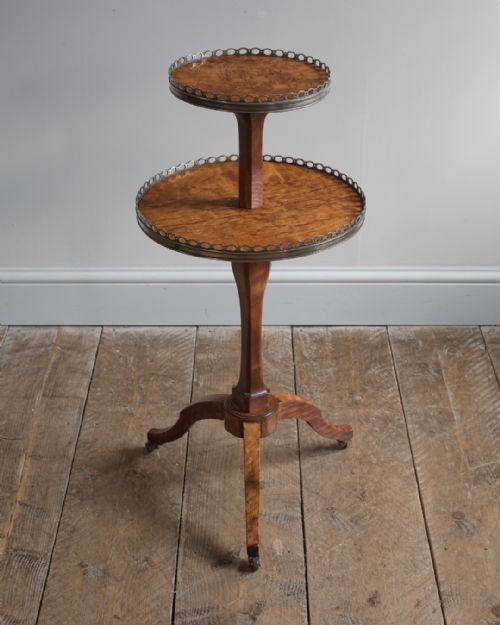
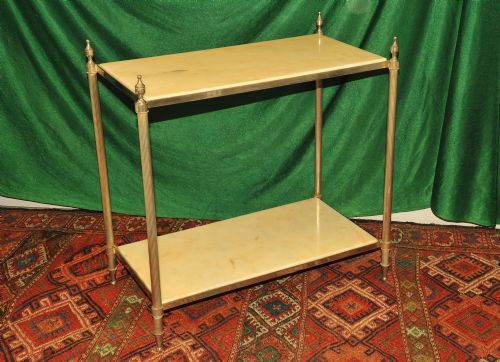
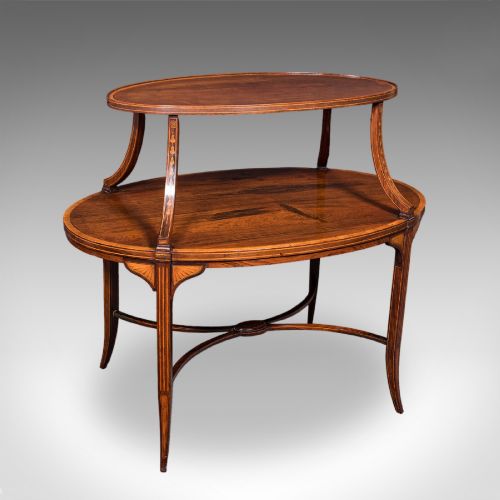
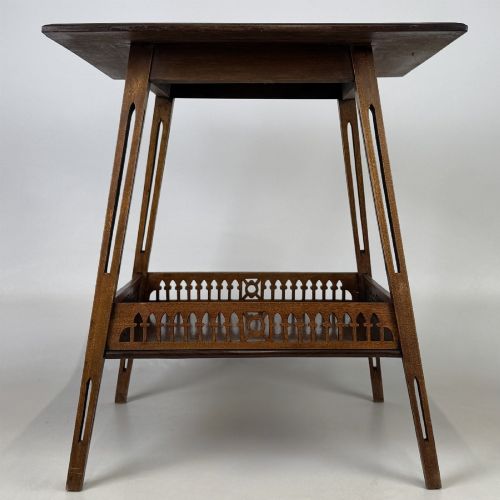
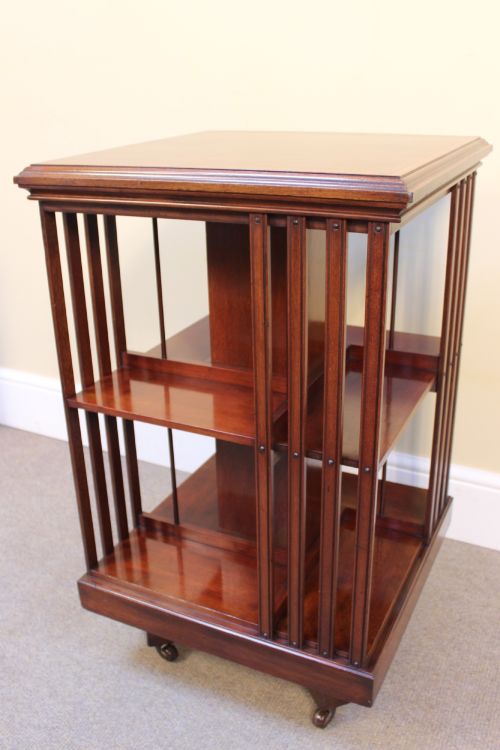
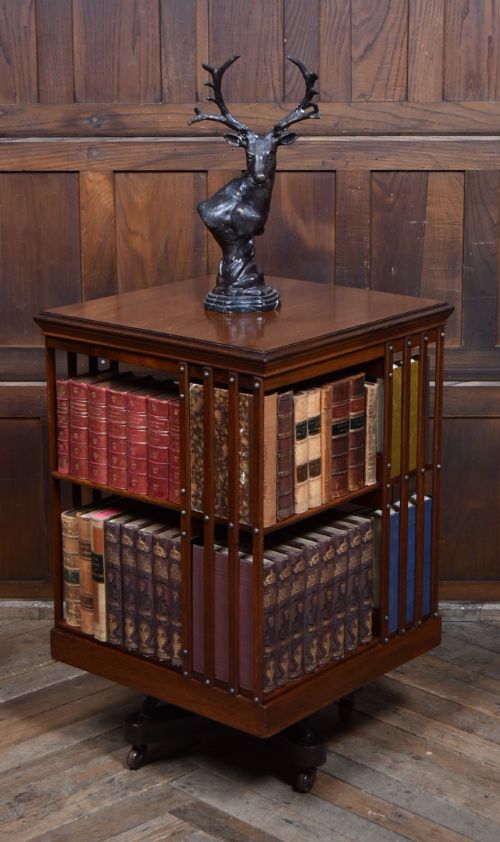
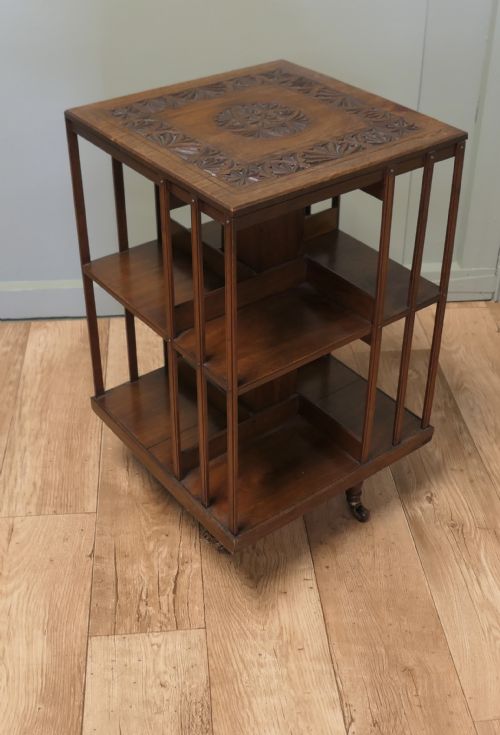
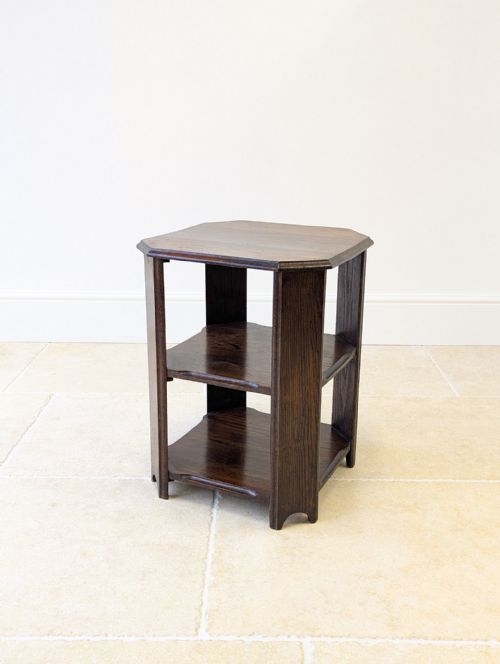
A vintage two tier stand offers dual display surfaces in formats ranging from revolving bookcases to occasional tables.
Vintage Two Tier Stand
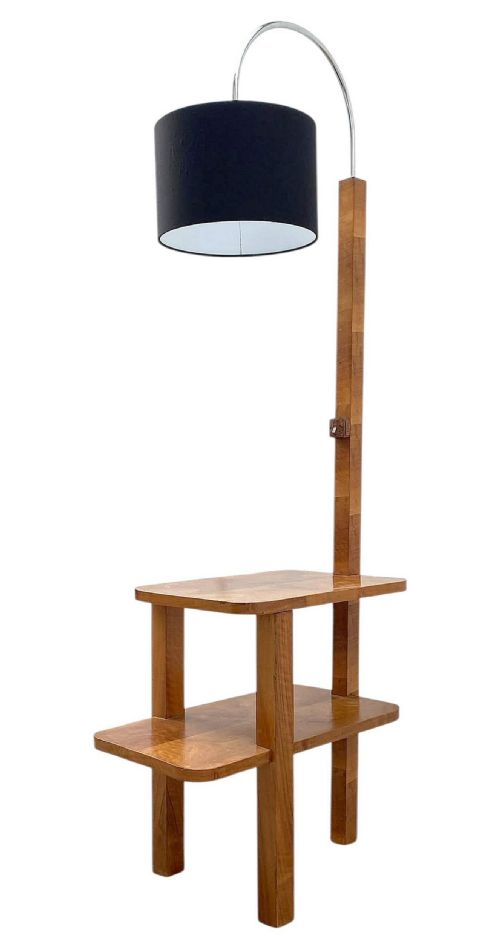
A vintage two tier stand combines practical surface space with a compact footprint, appearing across styles from Edwardian occasional tables to Art Deco lamp combinations. Buyers seeking these pieces generally require a versatile piece of furniture to hold books, plants, or lamps without dominating a room.
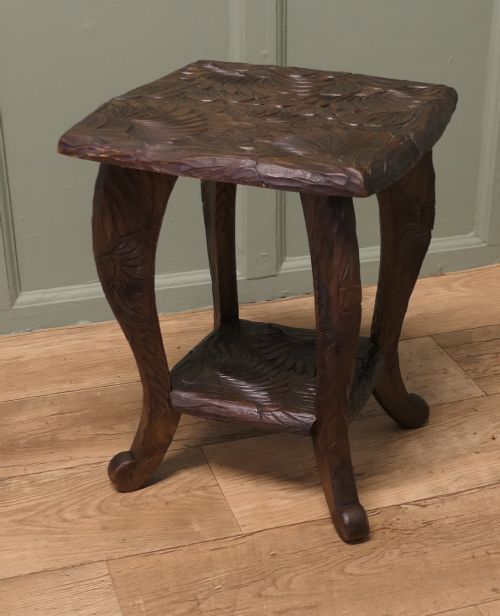
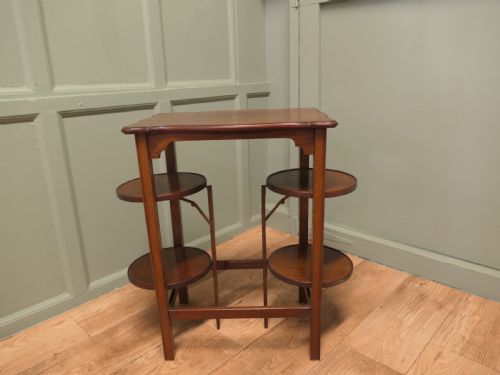
The selection on this page draws heavily from Edwardian and nineteenth-century examples alongside later twentieth-century iterations. Common forms include revolving bookcases, side tables with lower shelves, plant stands, and occasional tables in various woods and metals.
How they were made
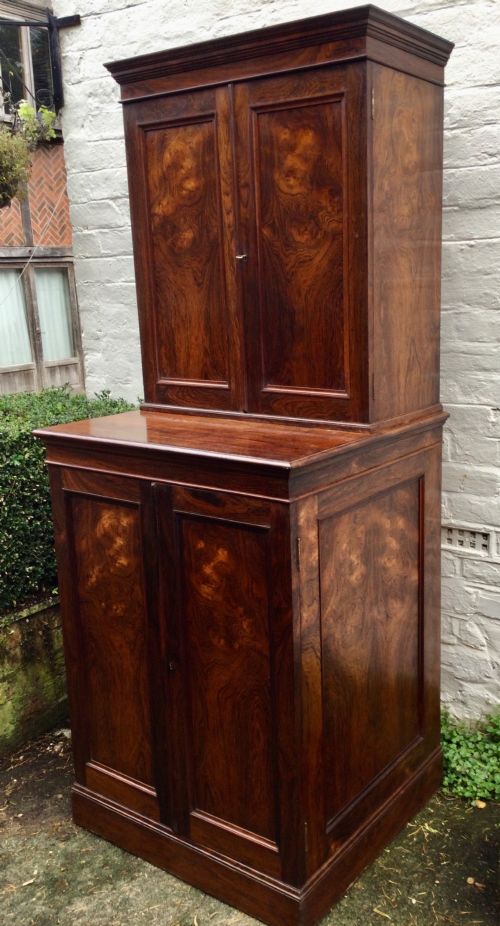
Cabinet makers utilised traditional hardwoods such as mahogany, oak, and rosewood, frequently enhancing surfaces with satinwood inlay or carved details. Brass and iron elements appear in structural mounts, galleries, and trivets, adding durability and contrast to wooden frames.
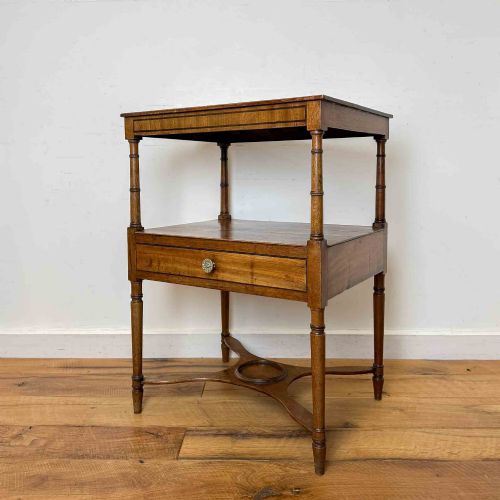
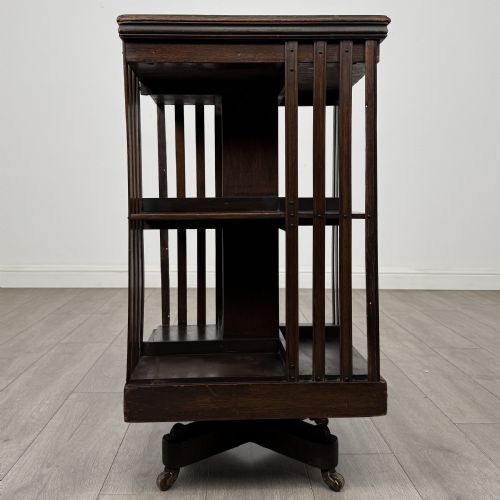
Construction techniques visible across the listings include ring-turned legs, pierced galleries, slatted sides, and revolving mechanisms for bookcases. Painted and gilt finishes also appear on continental and English pieces, demonstrating varied surface treatments.
Vintage Two Tier Stand Retail Price Guide 2026
Typical asking prices for vintage two tier stand among the pieces listed under this phrase on Sellingantiques today, from the lower quarter to the upper quarter. They describe what is for sale here now, not the wider market.
Some double cake stands managed to escape the tearoom entirely to spend their retirement holding potted ferns.
What varies in quality
The standard of a vintage two tier stand rests upon the selection of timber, the crispness of carving, and the execution of details such as inlay or pierced galleries. Higher quality pieces display thoughtful grain matching and robust joinery that ensures stability across both tiers.
Hardware and secondary materials also indicate grade, with well-cast brass mounts and smooth-turning revolving mechanisms separating standard production from finer craftsmanship. The harmony of proportions between the upper and lower surfaces dictates the visual success of the piece.
Liberty·Heals
The Vintage Two Tier Stand Glossary
- Étagère
- A piece of furniture consisting of open shelves for displaying small objects. This form provides multiple levels of surface space.
- Dumb waiter
- A tiered stand traditionally used for serving food or holding tableware without extra staff. These pieces feature circular revolving or stationary tiers.
- Torchère
- A tall stand designed to hold a lamp or candle. They often feature a slender column supporting a compact upper surface.
- Gallery
- A raised rim surrounding the edge of a shelf or table top. This feature prevents items from sliding off the tier.
- Revolving bookcase
- A freestanding tiered bookcase mounted on a pivot base. This design allows access to books from all sides while occupying minimal floor space.
Vintage Two Tier Stand: Frequently Asked Questions
What is a vintage two tier stand used for?
These pieces serve multiple domestic functions, operating effectively as lamp tables, plant holders, or bedside surfaces. The lower tier provides additional storage for books or decorative items.
Their compact dimensions make them suitable for placing beside seating or in corners where standard tables consume too much floor space.
How do I identify an Edwardian two tier stand?
Edwardian examples frequently utilise mahogany with satinwood inlay, cabriole legs, or slatted sides on revolving bookcases. Lighter proportions and decorative detailing distinguish them from heavier nineteenth-century furniture.
Many pieces from this period incorporate Art Nouveau influences or simpler Arts and Crafts construction methods.
Where should I place a revolving bookcase?
Revolving bookcases suit corners, narrow hallway spaces, or positions beside armchairs where accessibility matters. Their rotating mechanism allows a large volume of books to sit within arm's reach.
Because they are finished on all sides, they function effectively as freestanding centrepieces in a room rather than requiring placement against a wall.
What woods were used in these stands?
Cabinet makers relied primarily on timbers such as mahogany, oak, and rosewood for structural integrity and rich grain patterns. Inlay work often utilised contrasting satinwood to create decorative borders.
Hardwoods and exotic woods like kingwood appear on finer occasional tables and continental étagères.