




French Brass End Table
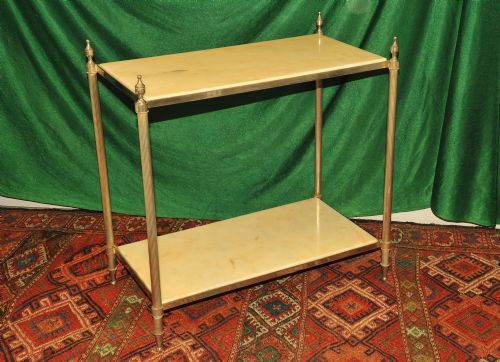
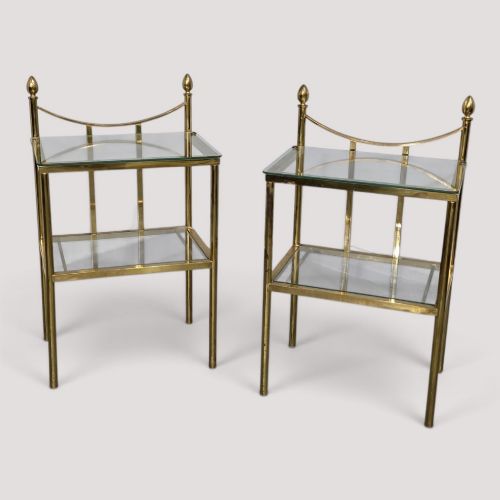
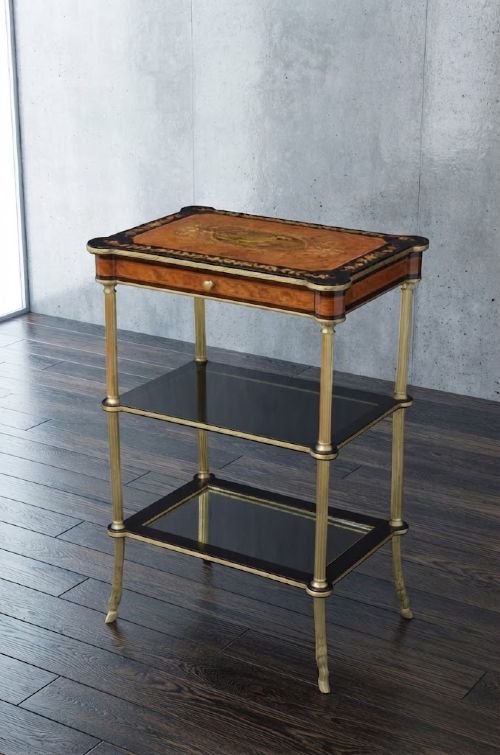
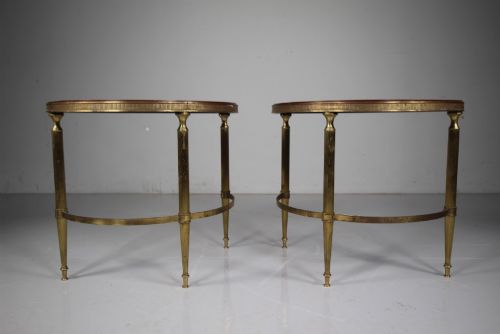
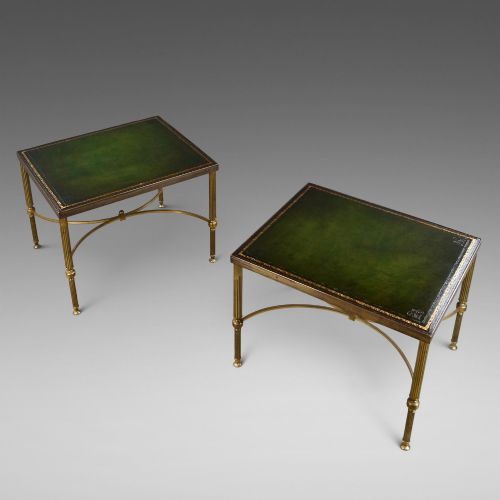
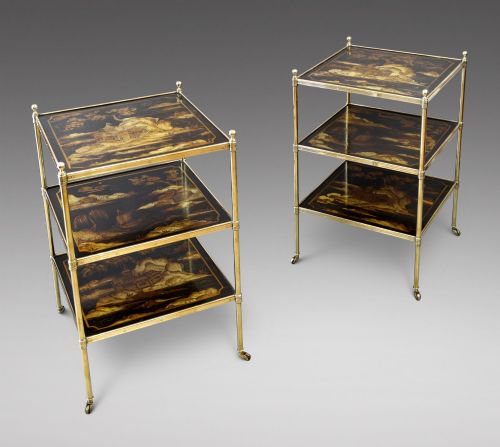
These french brass end table pieces combine metal framing with marble and exotic woods for functional surface space in sitting rooms and bedrooms.
French Brass End Table
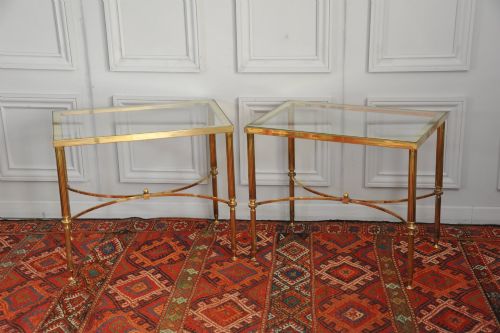
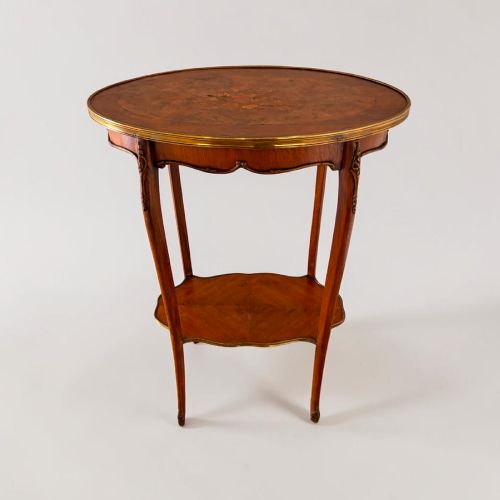
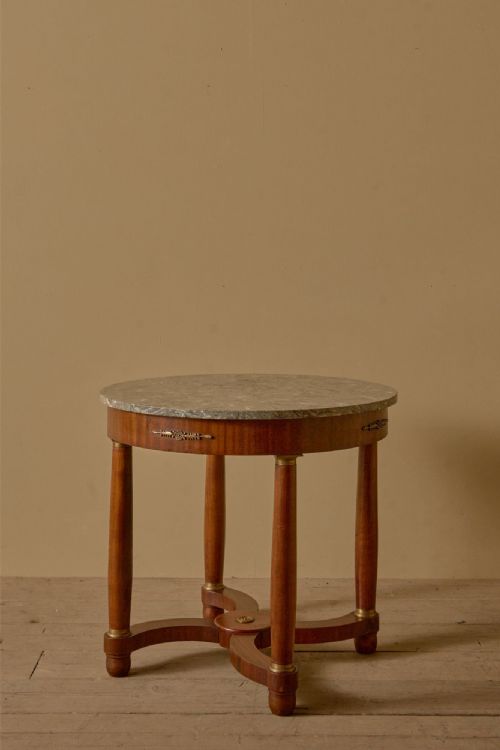
A french brass end table encompasses diverse smaller surface forms including side tables, occasional tables, bedside cabinets, and lamp tables. These items emerge in specific stylistic revivals, notably Louis XV, Louis XVI, and Empire tastes, connecting nineteenth-century craftsmanship with twentieth-century mid-century designs.
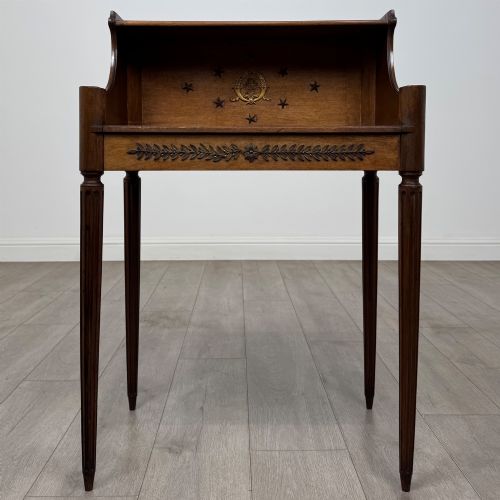
The layout of these pieces frequently involves tiers, galleries, and kidney-shaped tops designed to sit beside seating or beds. Materials extend beyond brass to incorporate mahogany, kingwood, rosewood, satinwood, and marble.
The pieces originating from these periods display a clear lineage of decorative furniture making. Makers utilise traditional joinery alongside metal mounts to construct durable furnishings for domestic interiors.
Materials and Construction
Makers combine structural hardwoods such as mahogany, walnut, and ebonised timber with decorative veneers like kingwood, rosewood, and satinwood. Brass forms the structural framing, galleries, and ornamental mounts.
Marble tops, including white, grey, and faux varieties, provide solid surfaces inset into wooden or metal chassis. Glass tiers and mirrored shelves also appear within twentieth-century pieces.
Marquetry inlay decorates wooden surfaces, while ormolu mounts add gilt detailing. Metal components secure marble slabs and provide protective edges around table surfaces.
French Brass End Table Retail Price Guide 2026
Typical asking prices for french brass end table among the pieces listed under this phrase on Sellingantiques today, from the lower quarter to the upper quarter. They describe what is for sale here now, not the wider market.
Listings span the nineteenth century through the 1960s, uniting classical revival styles with mid-century brass and glass designs.
Evaluating Construction and Materials
The refinement of the brass casting and the crispness of the ormolu mounts distinguish finer examples from simpler production. Quality depends on the depth of the marquetry and the selection of woods like kingwood and satinwood.
The integration of heavy marble tops into the structural frame requires precise fitting. Superior pieces maintain stability through robust joinery and solid timber carcases rather than relying solely on surface veneers.
Maison Jansen·Charles Topino
The French Brass End Table Glossary
- Bout de canapé
- A small side table designed to sit at the end of a sofa. This French term translates literally to end of the sofa.
- Gueridon
- A small circular table supported by a central pillar or columns. These frequently feature marble tops and brass galleries.
- Ormolu
- Gilded bronze used for decorative mounts and furniture trimming. The technique involves applying a gold amalgam to bronze.
- Marquetry
- Veneering technique arranging pieces of wood to form decorative patterns. Craftsmen use contrasting timbers like rosewood and satinwood.
- Gallery
- A raised pierced metal rim around the edge of a tabletop. This feature prevents items from sliding off the surface.
French Brass End Table: Frequently Asked Questions
What is a french brass end table used for?
These tables provide compact surfaces for lamps, books, and decorative objects in living rooms and bedrooms. Their modest footprints suit placement beside seating or beds.
Versions with multiple tiers or galleries offer additional utility for organising smaller items while maintaining an open visual presence in a room.
Are marble tops original to these tables?
Marble tops are common on nineteenth and early twentieth-century examples, fitted directly into wooden frames or brass galleries. White and grey varieties appear frequently across empire and neoclassical forms.
The weight of the marble provides stability to smaller occasional tables and lamp stands.
How do I care for brass and wood?
Dust wooden surfaces regularly with a dry cloth and avoid placing furniture in direct sunlight. Brass components require gentle cleaning to maintain their finish without stripping original patination.
Marble surfaces benefit from prompt wiping of spills to prevent staining on porous stone.