


Mid Century Nightstands
Mid century nightstands bring practical bedside storage and surface space to a bedroom through diverse period forms.
Mid Century Nightstands
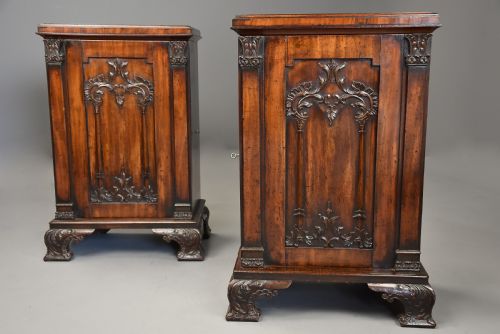
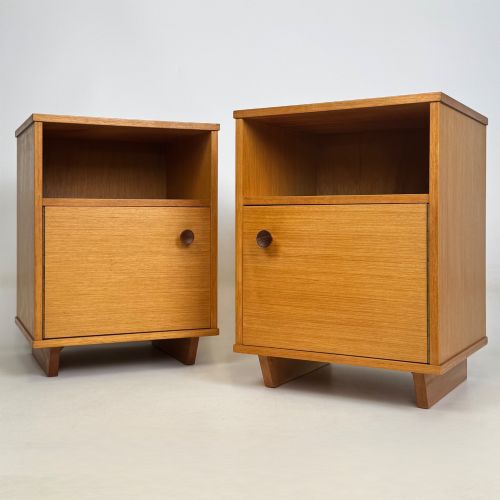
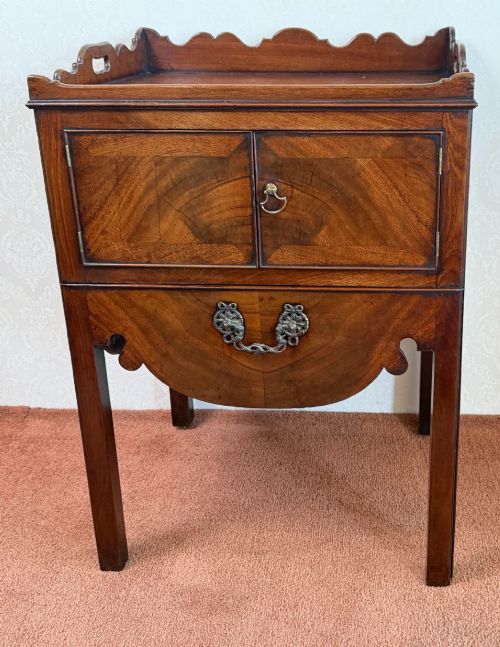
Mid century nightstands encompass a surprisingly wide mix of periods and forms on this page, stretching from eighteenth century mahogany pedestal cabinets and dropleaf tables to nineteen thirties walnut chests and teak bedside cabinets. Buyers searching for mid century nightstands frequently encounter Georgian side tables and Edwardian pieces alongside later twentieth century designs.
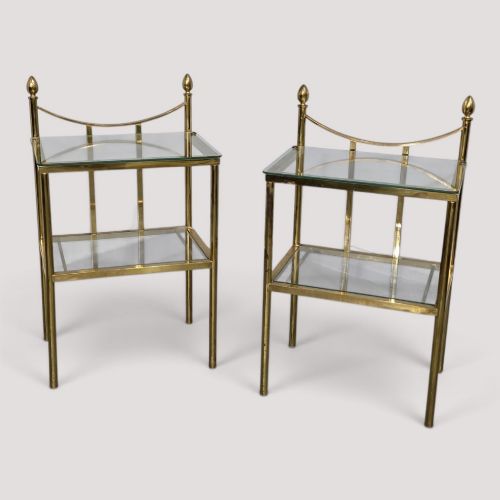
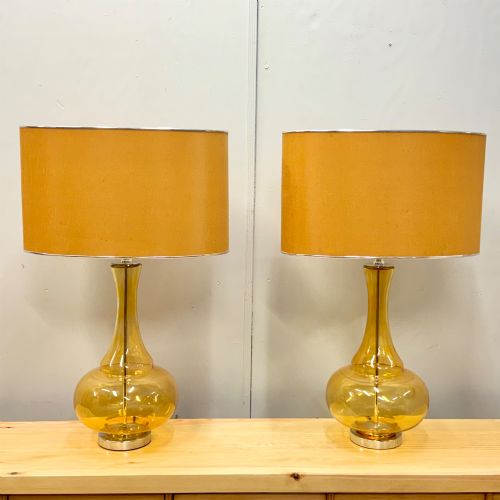
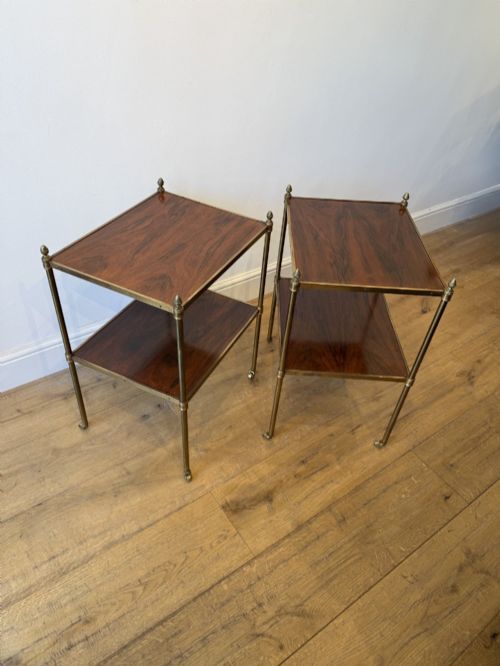
The selection includes pairs of lamp tables in brass and glass, amber glass lamps with silk shades, and French marble and brass tables. Alongside these, buyers find two tier etageres and Lloyd loom tables representing varied utilitarian forms from the nineteen twenties and thirties.
How they were made
Construction relies heavily on traditional timber working, utilising mahogany, teak, bleached oak, and walnut across different centuries. Cabinets and chests feature fitted drawers and pedestal cupboards built for domestic utility.
Metal and glass feature prominently in auxiliary pieces, combining brass and polished metal frames with clear, amber, and marble glass tops. Silk shades and Lloyd loom weave add textured variety to the lighting and auxiliary tables.
Lloyd loom tables bring woven paper wire charm right to the bedside.
What varies in quality
Quality shifts according to the selection of timber and the sophistication of period joinery, separating utilitarian pieces from finer cabinetry. Eighteenth century examples demonstrate exceptional colour and proportion in mahogany and bleached oak.
Material combinations define the upper tiers of twentieth century production, where polished brass, heavy marble, and selected walnut veneers distinguish standard utility items from decorative lamp tables.
Mallett
The Mid Century Nightstands Glossary
- Pedestal cabinet
- A tall, freestanding cupboard designed to stand beside a bed or chair, offering enclosed storage above a base. These cabinets often feature single doors concealing shelves or fitted interiors.
- Dropleaf table
- A table with hinged leaves that fold down to save space when not in use. Eighteenth century versions provide compact surfaces suitable for smaller bedrooms.
- Etagere
- A French open shelving unit with multiple tiers for displaying small objects or lamps. Two tier versions function well as bedside stands.
- Lloyd loom
- A furniture material made from twisted paper wire woven over a metal frame. It gained popularity in the early twentieth century for lightweight bedroom and conservatory furnishings.
- Flame mahogany
- Mahogany veneer cut to show a distinct flickering grain pattern resembling flames. This figuring was favoured in nineteenth century cabinet making.
Mid Century Nightstands: Frequently Asked Questions
What periods do mid century nightstands cover?
The selection spans from mid eighteenth century Georgian mahogany pieces to nineteen thirties walnut chests and teak bedside cabinets. Items from the Edwardian era and nineteenth century also appear under this heading.
Buyers encounter a mix of authentic period forms rather than a single uniform decade of production.
Are pairs common for these tables?
Yes, several listings comprise matched pairs of lamp tables, bedside cabinets, and glass tables. These are particularly frequent among nineteen thirties and mid eighteenth century items.
Finding matched pairs simplifies the arrangement of symmetrical bedside lighting and storage.
What materials should I expect?
Woods include mahogany, teak, bleached oak, and walnut, reflecting traditional and mid twentieth century preferences. Brass, polished metal, marble, and amber glass appear extensively in lamp and etagere tables.
Textiles such as silk also feature on associated lighting pieces.
How were pedestal cabinets used?
Pedestal cabinets provided enclosed bedside storage for chamber pots, books, and personal items in earlier centuries. Their vertical proportions made them ideal for tight spaces beside traditional beds.
Later adaptations retained this compact footprint while updating the materials and surface styling.
How do I distinguish eighteenth century pieces?
Eighteenth century examples typically show characteristic mahogany or bleached oak timbers, traditional joinery, and specific forms like tray top tables and dropleaf designs. Their proportions reflect the domestic standards of the Georgian period.
Examining the interior drawer construction and timber colour helps confirm the age.