



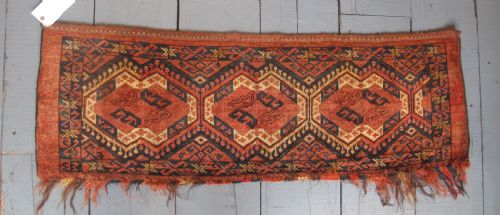
Vintage Turkmen Woven Bag
When you search for a vintage turkmen woven bag, you are looking at tribal nomadic textiles created for daily domestic storage across Central Asia.
Vintage Turkmen Woven Bag
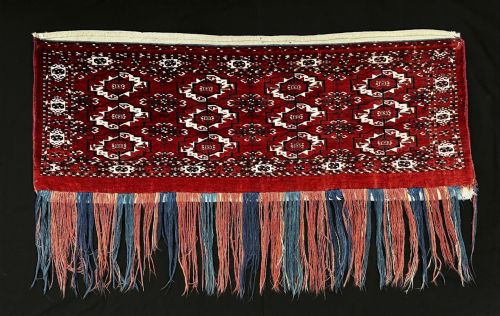
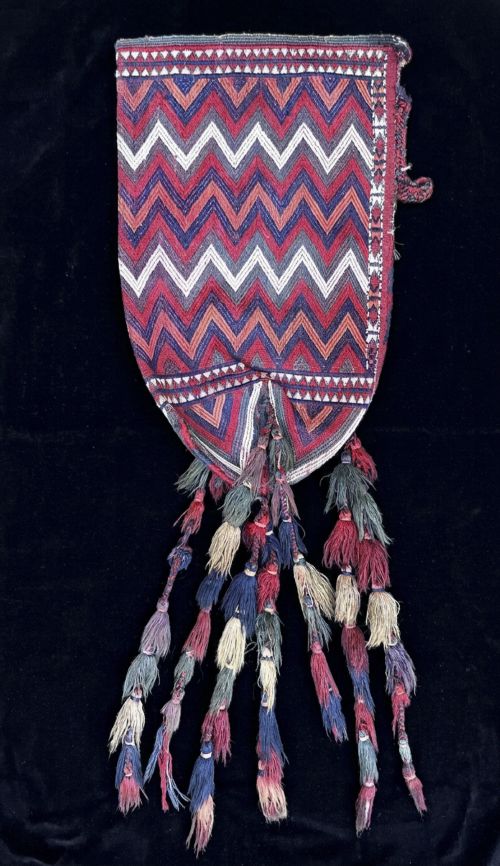
These pieces encompass functional tribal containers including torbas, chuvals, mafrashes and spindle bags originating from Central Asian groups such as the Tekke, Yomut and Ersari tribes. They date from the mid-nineteenth century through to the early twentieth century, reflecting nomadic weaving traditions from regions including the Merv Oasis and the Trans-Caspian Steppes.
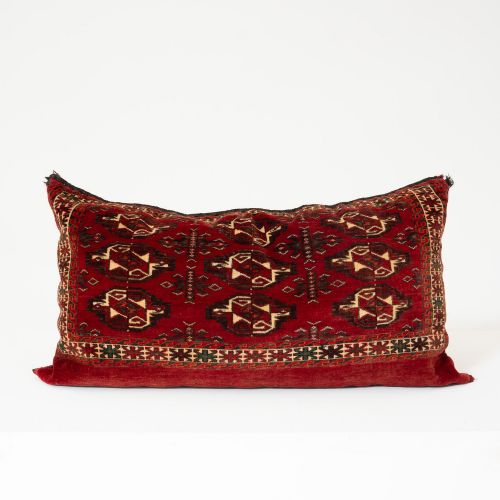
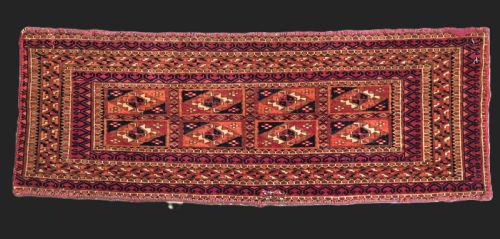
Buyers will most frequently encounter bag faces or complete storage bags featuring characteristic tribal motifs like gul roundels, curled leaf patterns and banded flatweave designs. Many examples retain practical elements such as plain weave backs, hanging loops or cotton structures.
Formats range from small spindle bags and tent tent-band fragments to large tent bags intended for household organisation inside a yurt. Each item embodies the distinct regional aesthetic of Turkmen tribal craftsmanship.
Materials and construction
Weavers relied primarily on wool and hand-spun wool combined with cotton foundations to construct these robust utilitarian textiles. Natural dyes provided the rich palette characteristic of nineteenth-century and early twentieth-century nomadic work.
The construction method balances structural durability with intricate surface patterning, utilising pile knotting for bag faces and flatweave techniques for backs and borders. Many surviving examples demonstrate precise knot density and secure hanging mechanisms designed for heavy domestic use.
Vintage Turkmen Woven Bag Retail Price Guide 2026
Typical asking prices for vintage turkmen woven bag among the pieces listed under this phrase on Sellingantiques today, from the lower quarter to the upper quarter. They describe what is for sale here now, not the wider market.
Some bags still carry loops designed to hang them securely from tent poles.
Assessing quality in Turkmen bags
The degree of fineness in the weave distinguishes standard utility items from exceptionally skilled tribal output, visible in the density of the knots and the crispness of the secondary ornaments. Tighter structures allow complex gul arrangements and precise geometric motifs to hold their visual clarity.
Preservation of the original format heavily influences the character of a piece, with complete bags retaining plain weave backs and hanging loops commanding distinct interest compared to isolated bag faces. The depth and stability of natural dye colours further separate exceptional survivals from standard examples.
The Vintage Turkmen Woven Bag Glossary
- Torba
- A small Turkmen wall storage bag used traditionally for domestic items inside the tent. These horizontal rectangles frequently display intricate gul medallions along the face.
- Chuval
- A large tent storage bag produced by Turkmen nomads for bedding and clothing. They typically feature multiple primary guls arranged across a deep red or madder ground.
- Gul
- The primary medallion or octagonal design motif repeated across Turkmen carpets and bags. Each tribal group utilised distinct gul variants to signal lineage and origin.
- Mafrash
- A rectangular tribal storage container or mattress bag often woven in flatweave or pile techniques. They were constructed to be packed tightly during nomadic migrations.
- Kap
- A general Turkmen term for a bag or container used in nomadic household storage. These pieces encompass specialised domestic items like spindle bags and tent hanging sacks.
Vintage Turkmen Woven Bag: Frequently Asked Questions
What were Turkmen woven bags used for?
Nomadic families utilised these containers inside yurts to store bedding, clothing, domestic utensils and personal items. Their durable construction protected contents from dust and dampness on the move.
Larger chuvals held bulky textiles, while smaller torbas and spindle bags served specialised organizational roles within the nomadic camp.
How do I display a tribal bag at home?
Many collectors mount complete bag faces or smaller fragments directly onto walls as textile art. The sturdy wool pile and geometric designs suit modern interior settings.
Smaller bags can also be adapted as small cushions or placed on low surfaces where the weave remains protected from heavy foot traffic.
How do I tell Tekke and Yomut bags apart?
Tekke pieces frequently feature precise, repeating gul medallions with a refined sense of symmetry and deep madder red grounds. Their structural borders often incorporate distinct botanical elements.
Yomut weaving tends to display bolder geometric organisation, varied flatweave banding, and alternative tribal motifs such as horned designs or stepped octagons.
Are these bags made with natural dyes?
Nineteenth-century examples rely primarily on traditional natural dye sources derived from plants and insects to achieve deep reds, browns, and ivory contrasts. These colorants produce subtle tonal variations across the wool.
Pieces transitioning into the early twentieth century occasionally display the introduction of early synthetic dyes alongside traditional palettes.