


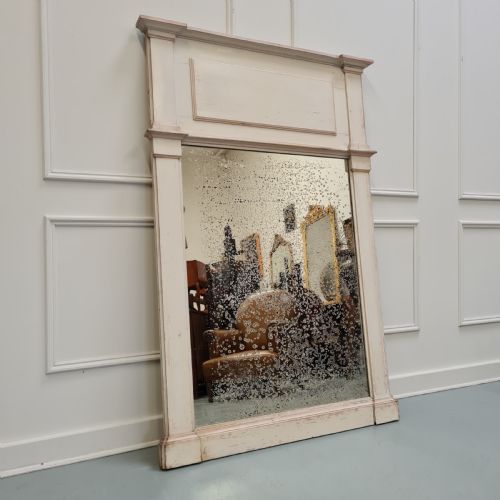


Vintage Trumeau Glass
These vintage trumeau glass mirrors combine architectural woodwork with reflective plates, bringing distinct historical character and light into a room.
Vintage Trumeau Glass
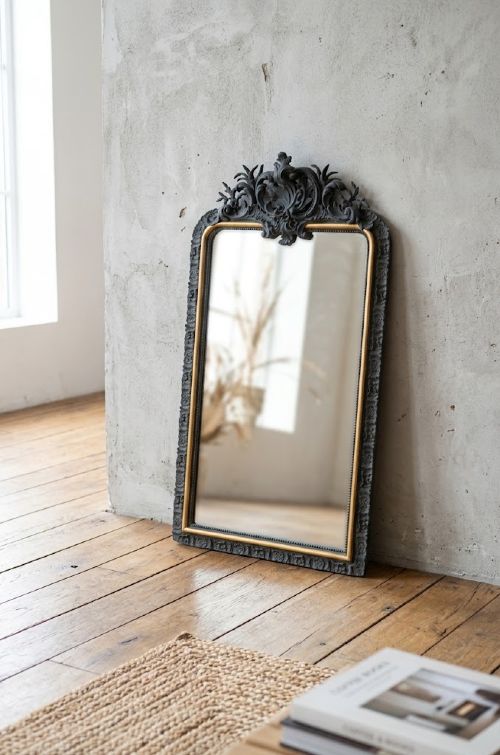
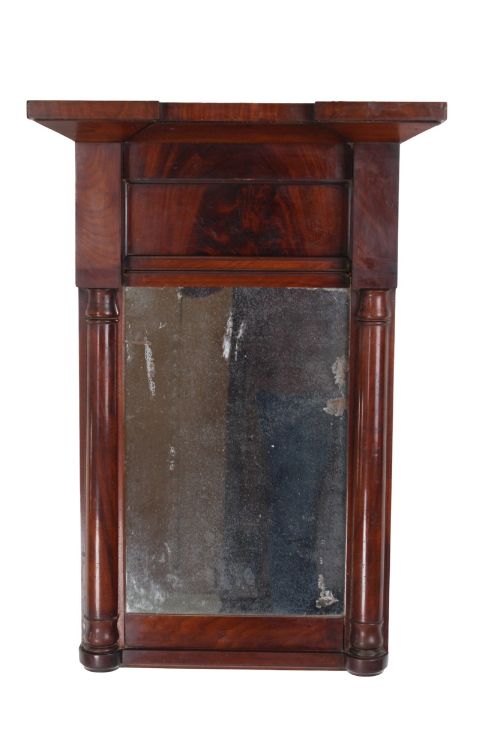
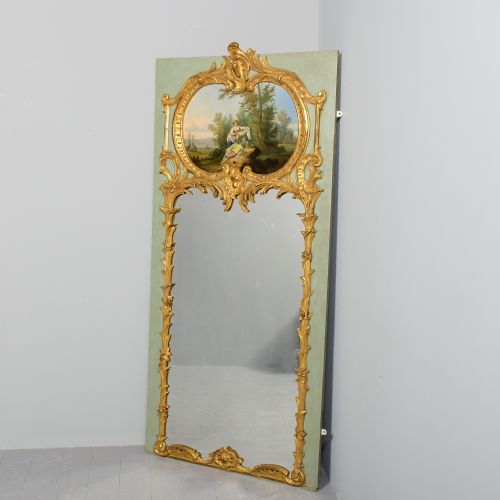
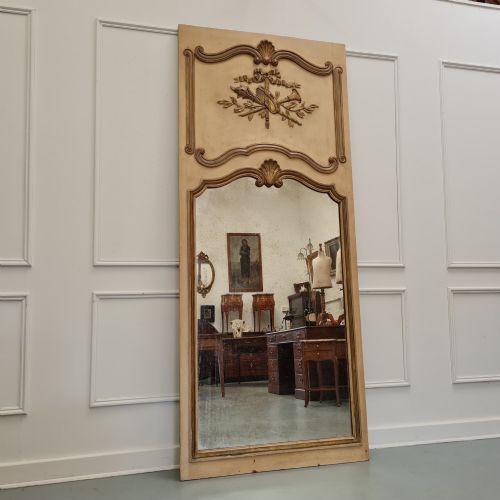
When you search for vintage trumeau glass, you encounter substantial wall mirrors and pier mirrors rooted primarily in French and continental European traditions. These pieces often pair a main mirror plate with an upper section of painted wood, carved gesso, or decorative glass.
The versions most commonly met on this page span the eighteenth, nineteenth, and early twentieth centuries. They appear in styles ranging from Louis XV rococo and French Empire to regional Dutch walnut and cream chinoiserie.
Such architectural mirrors were originally designed to hang between windows or above mantelpieces to maximise interior daylight. Today, buyers utilise them to anchor a room scheme and add vertical scale to domestic spaces.
How they were made
The construction of these pieces relies heavily on carved wood, gesso, and painted surfaces combined with traditional mirror glass. Artisans shaped timber frames before applying layered gesso to receive intricate surface carving and gilding.
Many examples incorporate gold leaf or parcel gilding alongside hand-applied paint finishes to achieve their decorative presence. Some specialised variants include reverse glass prints set into the upper wooden panel rather than standard looking glass.
Materials recorded across the inventory include giltwood, painted wood, gesso, walnut, maple, and gold leaf alongside traditional mirror glass.
What varies in quality
The distinction between ordinary and exceptional examples lies in the depth and crispness of the carved wood and gesso ornamentation. Hand-carved detail executed with precision holds greater visual authority than simpler cast or moulded decoration.
The integrity of the original surface finish, whether aged paint or authentic gold leaf, largely dictates the character of the piece. Surviving early mirror plates with natural foxing also contribute to the overall authenticity and visual depth.
The Vintage Trumeau Glass Glossary
- Trumeau
- An architectural wall mirror featuring an upper panel that contains a painting, print, or carved decoration above the glass plate. These panels were originally built into the wood panelling of formal rooms.
- Pier mirror
- A tall, narrow mirror designed specifically to hang on the wall space between two windows. They were frequently positioned above low console tables.
- Gesso
- A plaster-like mixture applied to wooden frames to provide a smooth base for fine carving and gilding. It allows for intricate relief work.
- Parcel gilt
- A decorative finish where only specific portions of a wooden or gessoed surface are gilded with gold leaf, leaving the painted or natural wood visible elsewhere.
- Reverse glass print
- An image applied directly to the back of a glass pane so that it is viewed through the front. These are often found in the upper sections of period mirrors.
Vintage Trumeau Glass: Frequently Asked Questions
How do I hang a heavy trumeau mirror?
These substantial wall mirrors require robust fixings secured directly into masonry or adequate wall studs to bear the weight safely. Professional installation is often recommended given the combined heft of timber frames and thick glass.
Ensure the hanging wire or integrated brackets match the weight distribution specified by the frame structure. Placing them at the correct eye level maximises both structural stability and visual impact in the room.
Where should I place a pier mirror?
Pier mirrors are traditionally suited for placement between windows or above fireplace mantels where they reflect natural light across the room. Their tall proportions help lift low ceilings and create a sense of expanded space.
In contemporary interiors, they also function effectively in hallways or opposite interior doorways to draw the eye inward. Avoid placing them where direct, harsh sunlight might degrade fragile historic painted surfaces over time.
Are these mirrors completely original?
Many period pieces retain their original wood frames, gesso, and painted finishes, though mirror plates and backing boards were frequently replaced over centuries of use. Minor touch-ups to paint or gilding are common in pieces of this age.
Evaluating the consistency of the wear helps determine which elements have survived intact. Honest patination across the frame and glass usually indicates a genuine historical object.