




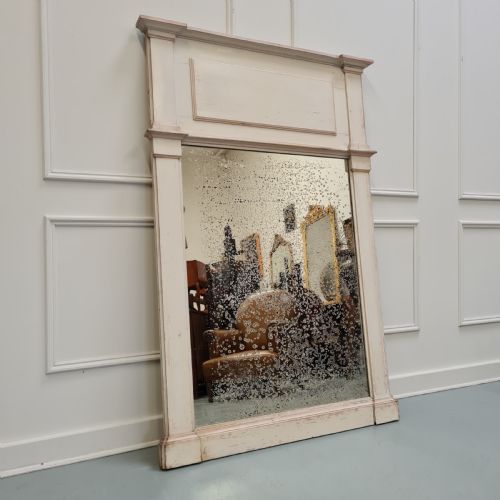
French Painted Panel Mirror
A french painted panel mirror brings architectural weight and figurative art together in a single wall piece.
French Painted Panel Mirror
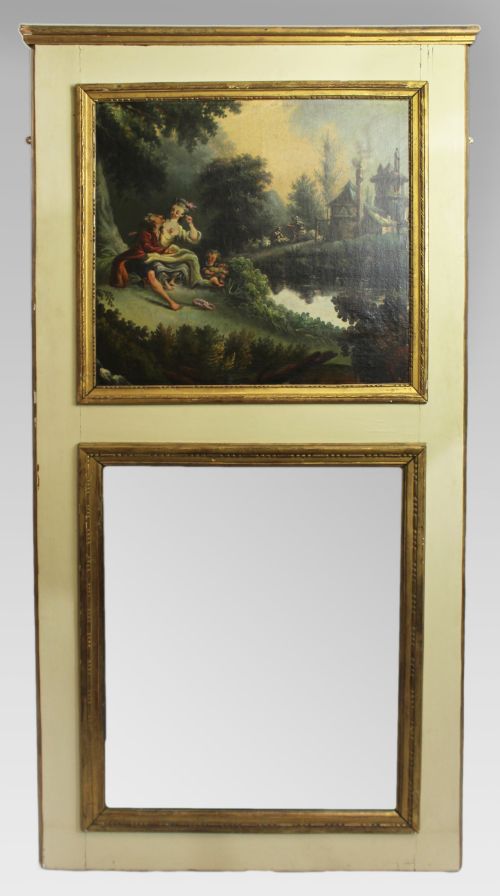
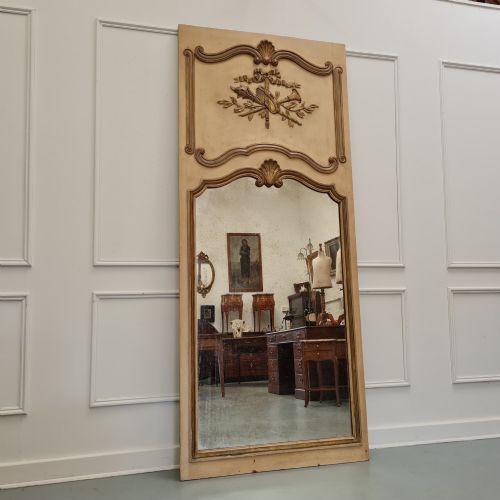
A french painted panel mirror combines a traditional looking glass with an integrated decorative panel, most frequently encountered in tall trumeau formats designed for drawing rooms and overmantels. These pieces bridge the gap between functional mirrors and fine art by incorporating oil paintings, canvas works, or decorative relief panels directly into their wooden frames above the glass plate. Buyers searching for a french painted panel mirror typically want a statement wall hanging that anchors a room with period character.
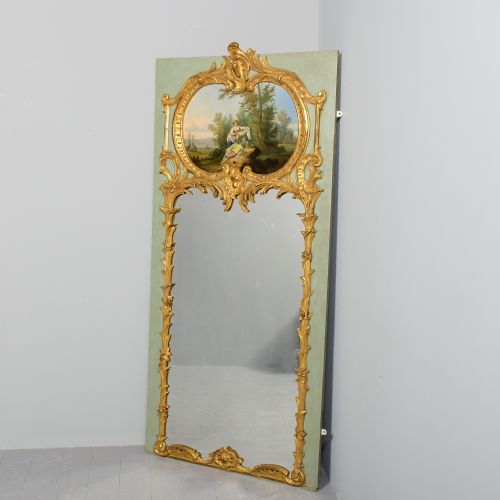
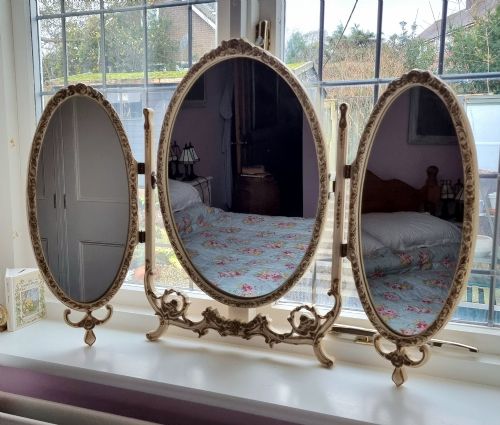
The selections span from the early nineteenth century through to the art deco period of nineteen thirty, drawing on distinct design vocabularies like Louis XVI style, French Empire, and French Rococo Revival. While the majority of examples function as wall mirrors or overmantels, related forms such as dressing table mirrors and pier mirrors also appear within this tradition. Each format uses the painted section to introduce pastoral scenes, mythological subjects involving figures like Bacchus, or floral motifs above the reflective surface.
Materials and construction
Makers built the primary structures of these frames using wood, applying gesso to create crisp architectural mouldings, carved details, and decorative relief panels. Artisans then finished these wooden carcases using paint, parcel gilt, or gold leaf, often distressing the surfaces to achieve the characteristic antique appearance recorded in the archives.
The integrated artwork typically consists of oil paintings executed on canvas or direct painted wood panels, positioned securely above the glass plate. Giltwood accents complement the painted areas, bringing tonal contrast to styles influenced by Louis XVI and French Empire aesthetics.
Bacchus and cherubs occasionally peer down from the upper relief panels, keeping watch over centuries of room reflections.
What separates the finest examples
The distinction between standard and exceptional pieces rests in the execution and integration of the painted panel relative to the frame. Superior examples feature finely rendered oil paintings with sophisticated figurative detail, such as pastoral scenes or classical subjects, rather than simple decorative stencils. The harmony between the carved wooden frame, the gilding technique, and the artwork determines the overall presence of the piece.
Construction depth also defines quality, particularly in how the timber carcase holds the weight of both the mirror glass and the upper panel. Originality of the painted surface and the retention of period giltwood or parcel gilt finishes elevate an item above later decorative adaptations.
The French Painted Panel Mirror Glossary
- Trumeau mirror
- An architectural wall mirror featuring an upper panel decorated with a painting or carved relief, designed to fit into wall panelling. This form dominates the selection.
- Giltwood
- Timber carved and coated with gold leaf or gold paint to create a lustrous surface. It frequently frames the painted panels in these pieces.
- Gesso
- A plaster mixture applied to wood frames to create a smooth surface for carving and gilding. It allows for sharp decorative details.
- Pier mirror
- A tall mirror designed to hang on the wall space between two windows. These often share the decorative characteristics of trumeau pieces.
- Parcel gilt
- A finishing technique where only specific raised portions of a painted wooden frame are highlighted with gold leaf. This creates subtle contrast against the primary paint colour.
French Painted Panel Mirror: Frequently Asked Questions
What is a trumeau mirror?
A trumeau mirror is a wall mirror that incorporates a painted canvas, wood panel, or carved relief directly above the glass. The design originates from decorative architectural panels found in period French interiors.
These pieces function as both artwork and mirror, allowing them to anchor a chimney breast or large wall space without needing separate pictures.
Where should I hang an overmantel mirror?
An overmantel mirror is traditionally placed directly above a fireplace mantelpiece to reflect light and fill the vertical wall space. Their proportions make them suited to this central domestic position.
When hanging these substantial pieces, ensure the wall fixings are secured adequately to support the combined weight of the wood, glass, and painted panel.
How do I care for antique painted wood?
Care for painted and giltwood frames by dusting gently with a dry, soft cloth, avoiding commercial cleaning sprays or moisture. Protect the surfaces from direct sunlight and dramatic fluctuations in room temperature.
The antique paint and gold leaf can be fragile, so minimal intervention preserves the original finish best.
How can I tell the period of a mirror?
Dating relies on stylistic cues, such as the symmetrical restraint of Louis XVI revival versus the exuberant curves of French Rococo. Construction methods and the ageing characteristics of the paint and glass also provide indicators.
Many pieces carry stylistic references to specific design reigns, helping to place them within the nineteenth or early twentieth centuries.