
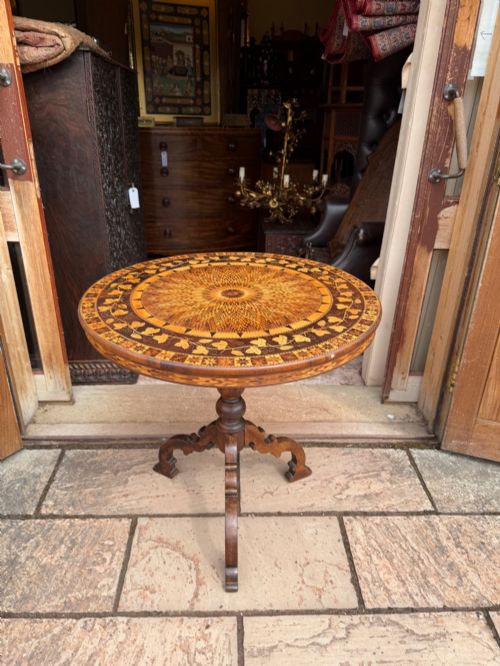
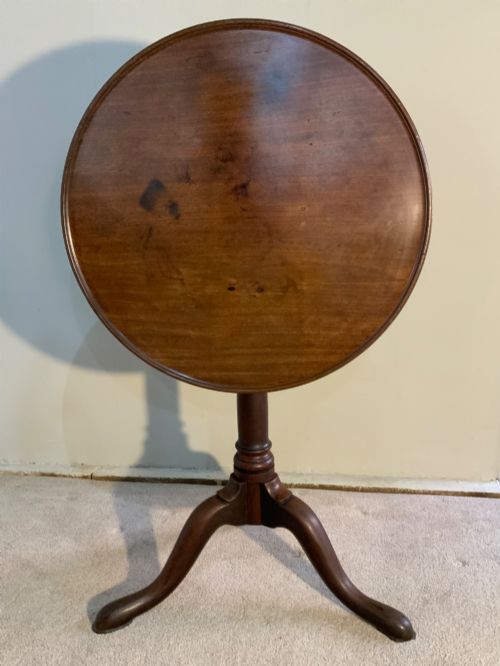
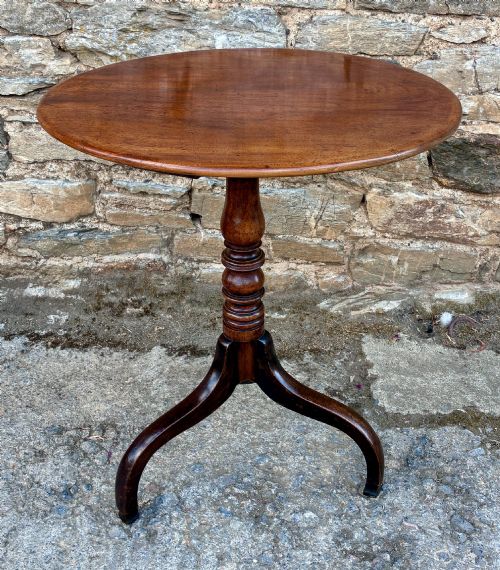
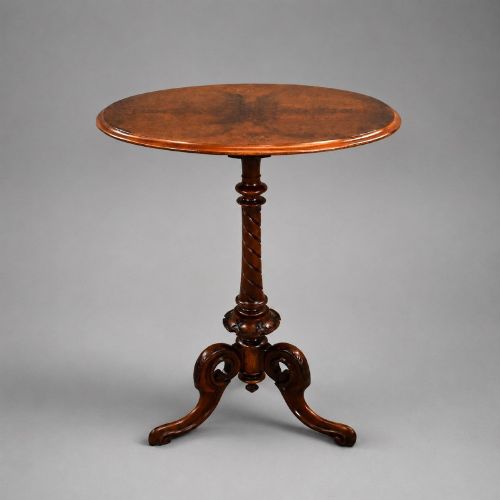
Vintage Tripod Side Table
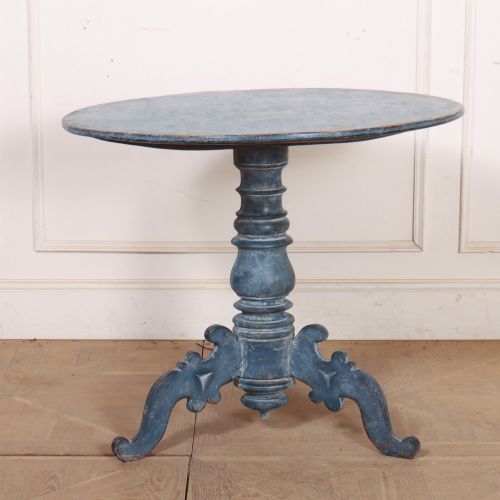
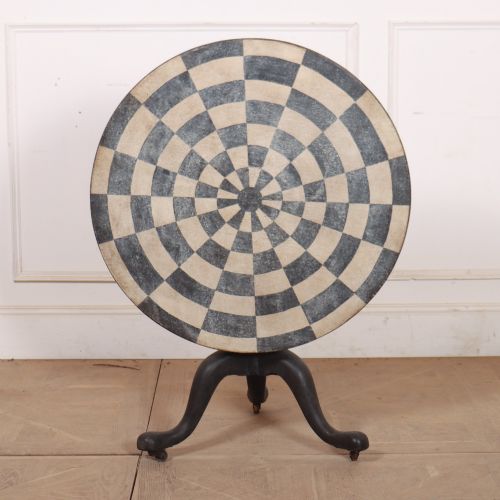
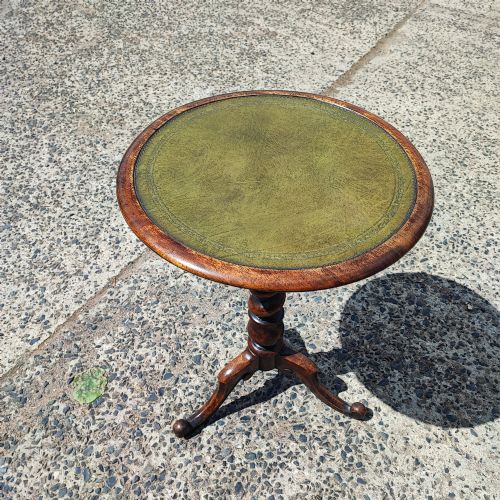
These vintage tripod side table pieces offer compact surfaces raised on three legs, spanning centuries of versatile domestic use.
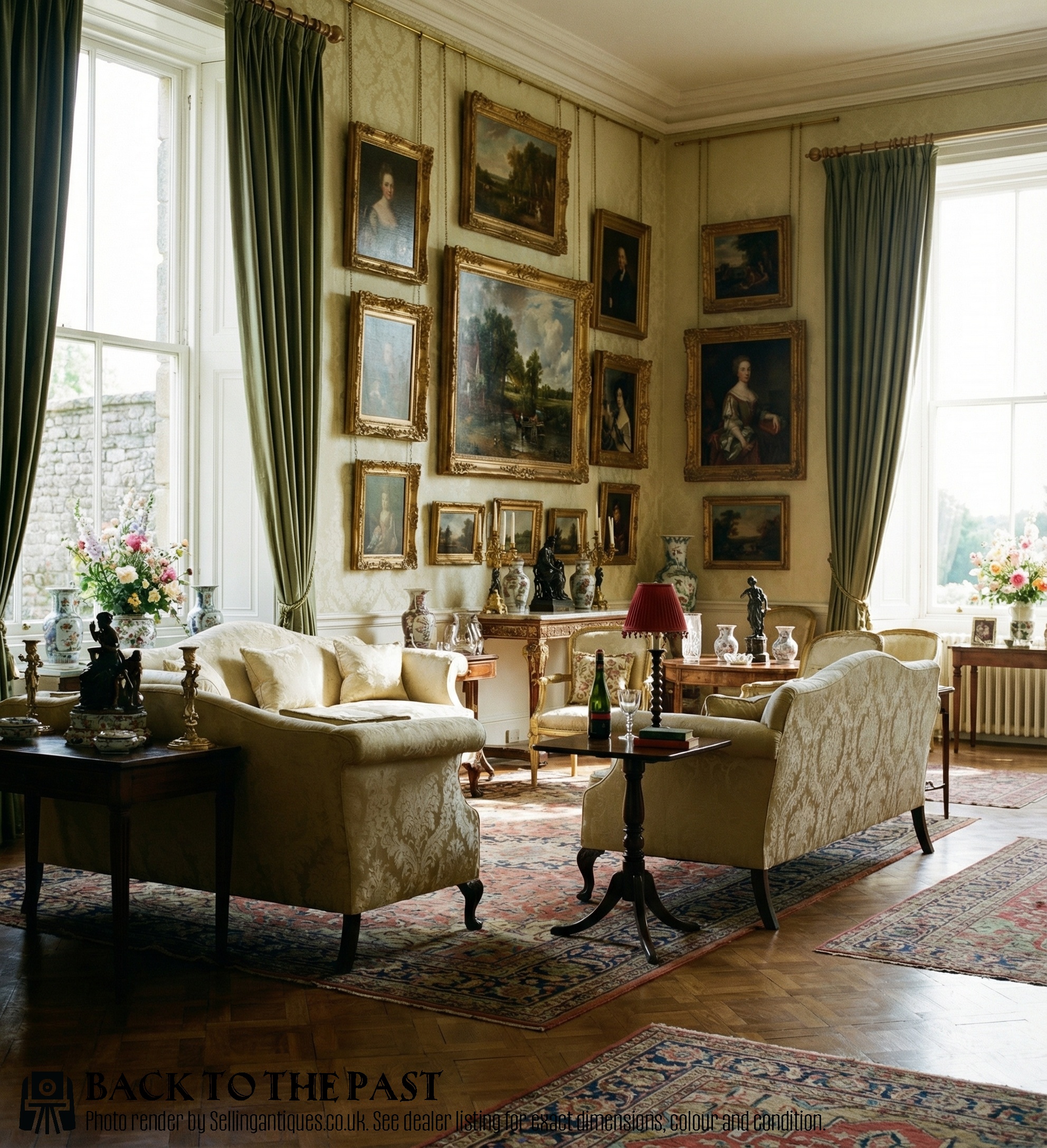
Vintage Tripod Side Table
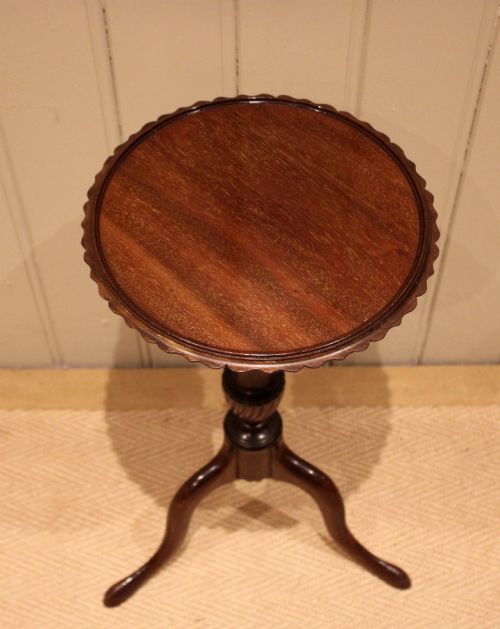
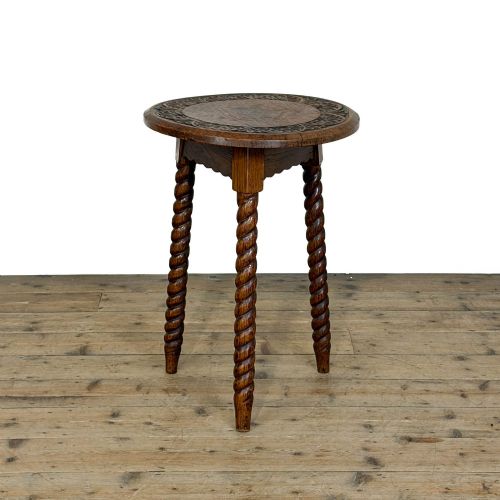
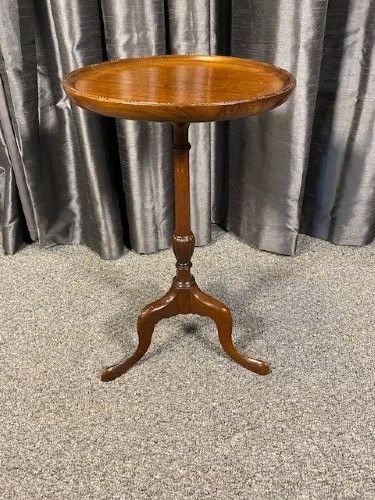
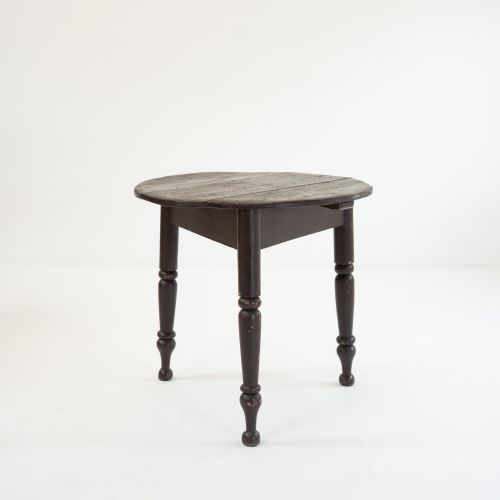
A vintage tripod side table brings a compact, single-pedestal footprint to a room, historically serving as a wine table, lamp stand or small occasional surface. You will frequently encounter mahogany examples alongside oak cricket tables and painted pine pieces.
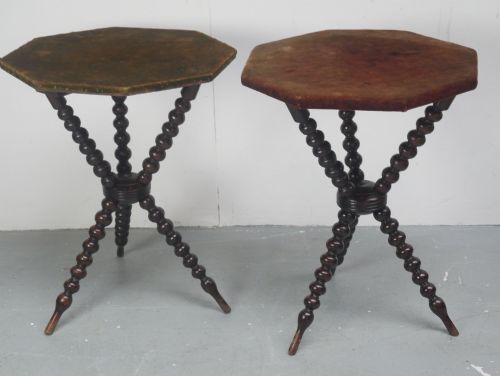
The selections span periods from the Georgian era through the Victorian and Edwardian years, reflecting shifts in domestic furniture design. These tables suit corners and beside seating where a four-legged table proves too bulky.
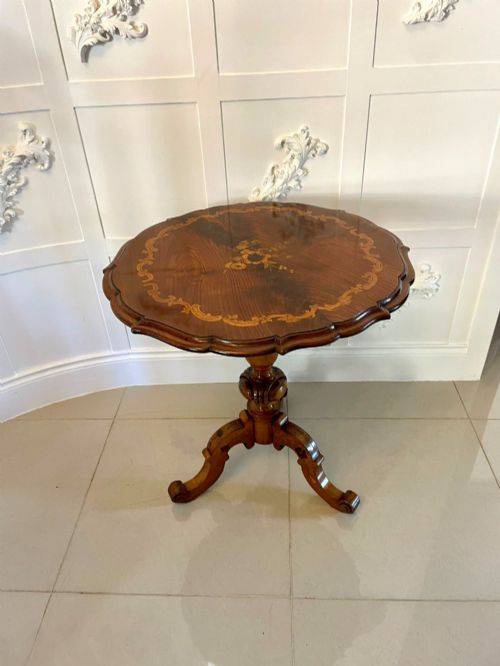
Forms range from simple tilt-top pedestal tables to elaborate occasional tables with marquetry inlay or carved details. They provide stable placement on three legs, an ancient design that prevents rocking on uneven floors.
Materials and construction methods
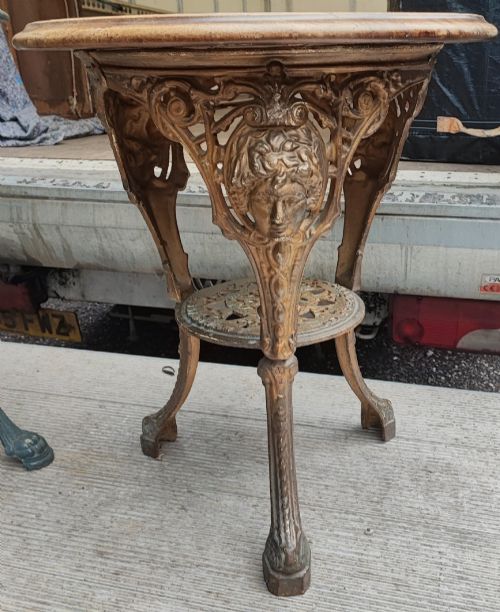
Makers utilised dense timbers like mahogany, walnut and oak for structural integrity and fine turning, alongside softer woods such as pine for painted country pieces. Cast iron and brass appear in industrial or pub formats, often paired with marble or wood tops.
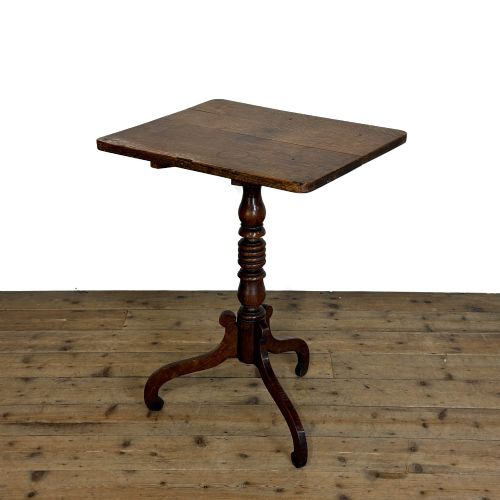
Joinery techniques include central pedestals fitted to three-way leg bases, tilt-top mechanisms using birdcage supports, and pegged plank construction on rustic cricket tables. Surface treatments vary from natural wax polish and ebonising to intricate Chinoiserie lacquer and painted finishes.
Distinguishing quality across examples
Quality rests in the choice of timber and the precision of the turning on the central pedestal and leg assembly. Superior pieces display thoughtful grain matching and crisp carving rather than hurried assembly.
Mechanisms such as tilt-top catches and birdcage pivots dictate the functionality of better examples, operating smoothly without excessive play in the joint. Finer specimens also feature refined edge moulding and stable, well-proportioned tripod bases.
The Vintage Tripod Side Table Glossary
- Tripod table
- A small occasional table supported by a central pillar resting on three legs. This design provides natural stability on uneven historical floors.
- Tilt-top
- A tabletop hinged to the pedestal so it can tilt vertically when not in use. This mechanism allowed tables to be stored flat against a wall to save space.
- Cricket table
- A small, three-legged occasional table typically constructed with a round wooden top and pegged legs. The simple sturdy form derives from early domestic utility.
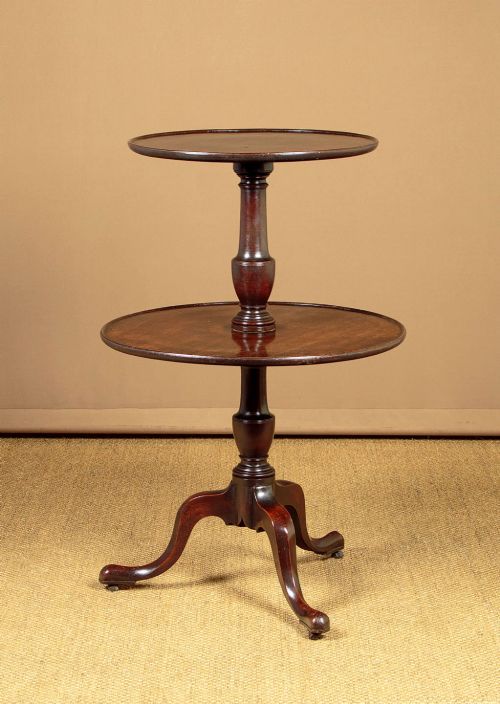
- Dumb waiter
- A tiered stand featuring revolving or stationary circular trays on a central pillar. These served dining rooms by holding dishes and wine away from the main table.
- Birdcage
- A wooden framework beneath the tabletop that allows the surface to both rotate and tilt. This clever mechanism connects the top to the central pedestal column.
Vintage Tripod Side Table: Frequently Asked Questions
Where should I place a vintage tripod side table?
These tables fit easily beside armchairs, sofas or in unused corners where a larger table will not fit. Their compact top surface holds a lamp, book or drink without crowding the room.
The three-legged design allows them to tuck neatly into tight spaces. They also serve well as display stands for plants or decorative objects.
What is a tilt-top mechanism used for?
The tilt-top mechanism allows the table surface to pivot vertically when not in use. Historically, this saved floor space in smaller rooms by enabling the furniture to stand flat against a wall.
Today, this feature remains a mark of traditional craftsmanship. Many owners choose to display the decorative top flat while appreciating the functional history of the hinge.
How do I care for a mahogany side table?
Maintain the wood by dusting regularly with a soft, dry cloth and applying natural beeswax occasionally to nourish the grain. Avoid placing the table in direct sunlight or near heat sources to prevent timber splitting.
Using coasters or mats protects the polished surface from moisture rings. Gentle care preserves the historical finish and colour of the timber.
Are these tables sturdy on carpets?
Three-legged tables naturally adjust well to slight floor irregularities because all three feet maintain constant ground contact. However, thick carpets can make any pedestal base feel slightly less firm.
Placing the table on a flat surface or a firm rug ensures maximum stability. The spread of the tripod legs provides the primary balance for the central column.