
Vintage Tribal Embroidery Textile
A vintage tribal embroidery textile brings Central Asian nomadism into a room through dense silk and wool needlework.
Vintage Tribal Embroidery Textile
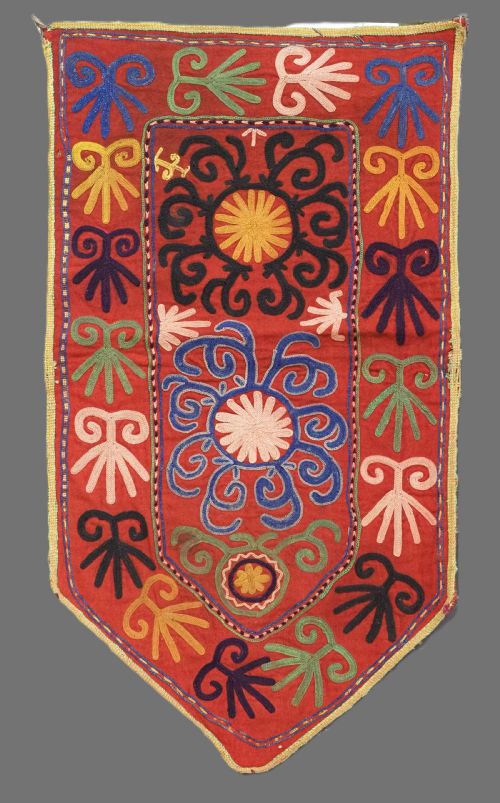
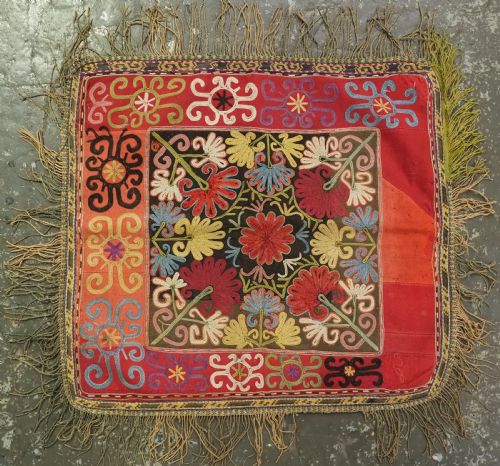
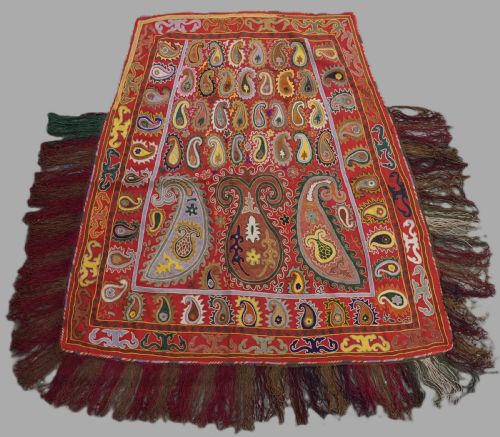
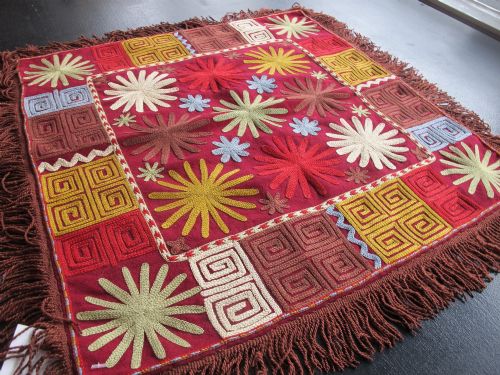
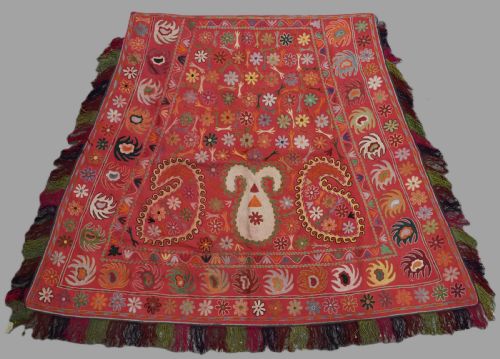
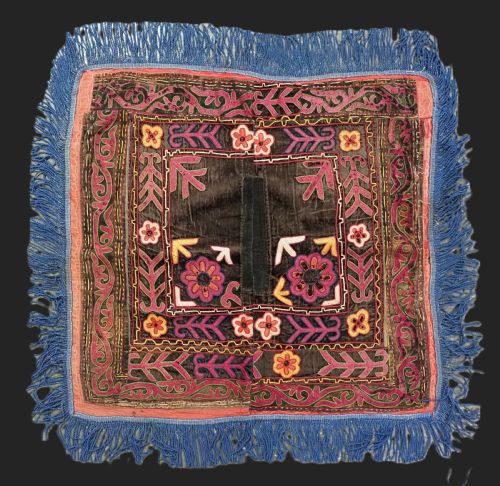
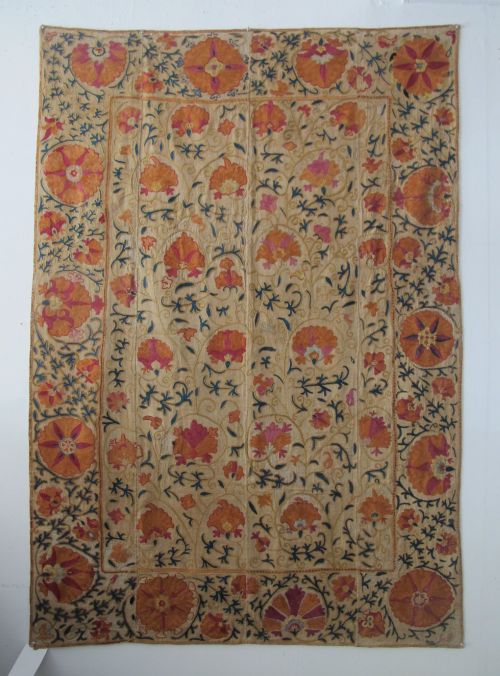
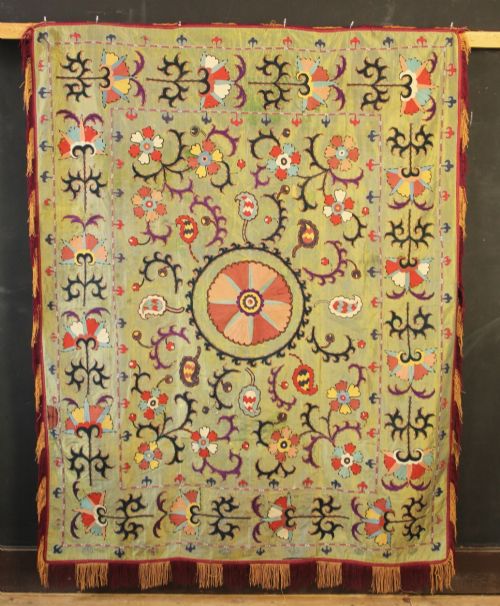
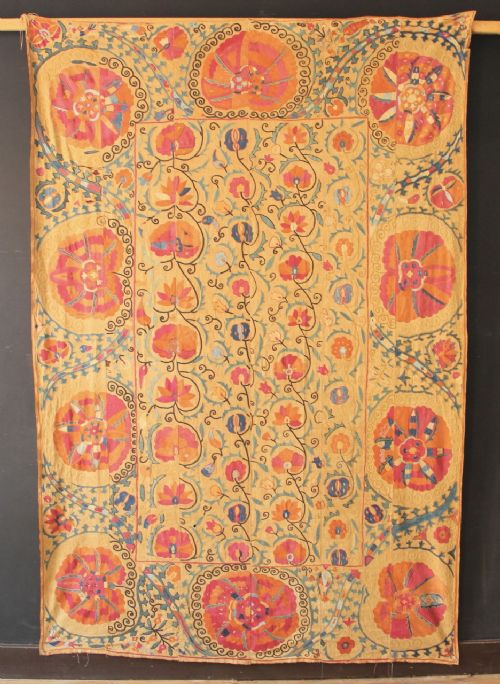
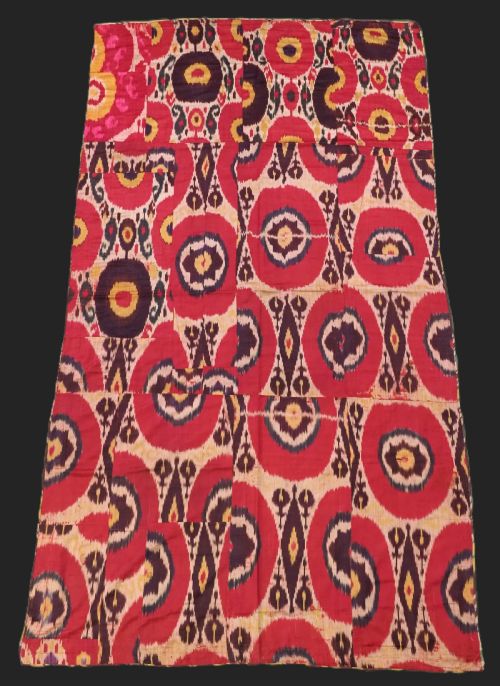
A vintage tribal embroidery textile encompasses ceremonial horse covers, wall hangings, and domestic panels originating from Central Asian groups such as the Lakai, Uzbek, and Turkmen tribes. Buyers find items spanning from the nineteenth century into the early twentieth century, reflecting nomadic traditions across regions like Shakrisabz and Bukhara.
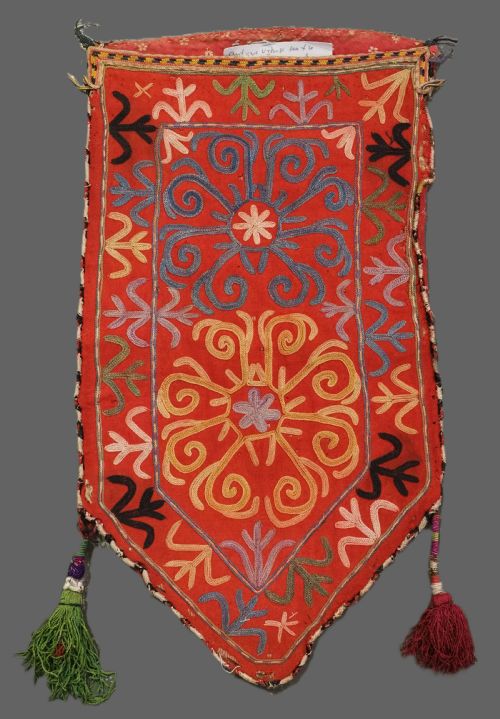
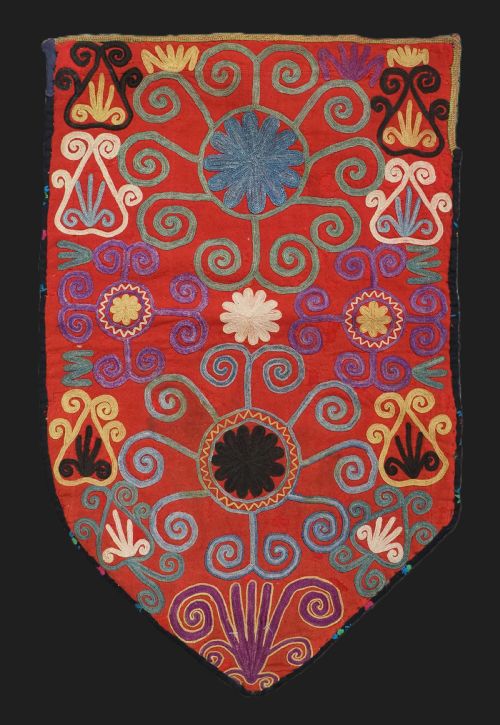
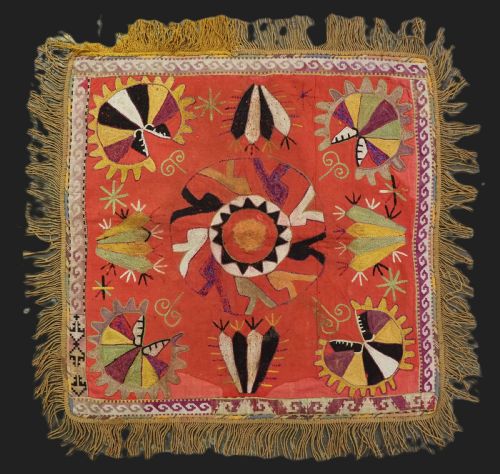
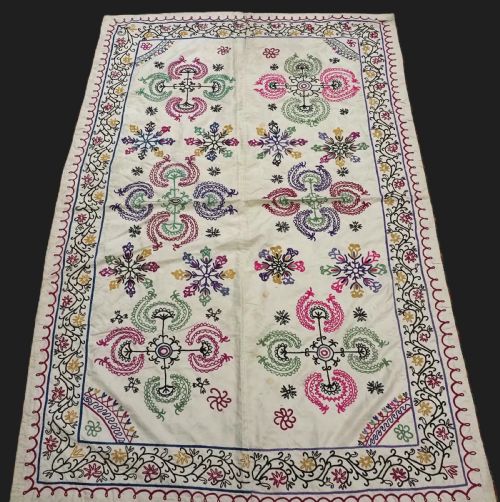
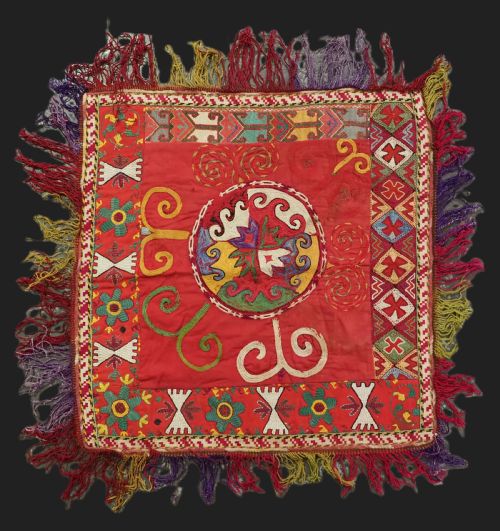
The most frequent pieces on this page are wall hangings and dowry embroideries, specifically ilgich panels and suzani covers. These works served functional and ceremonial purposes within yurt dwellings, acting as storage bag ornaments or large decorative wall coverings.
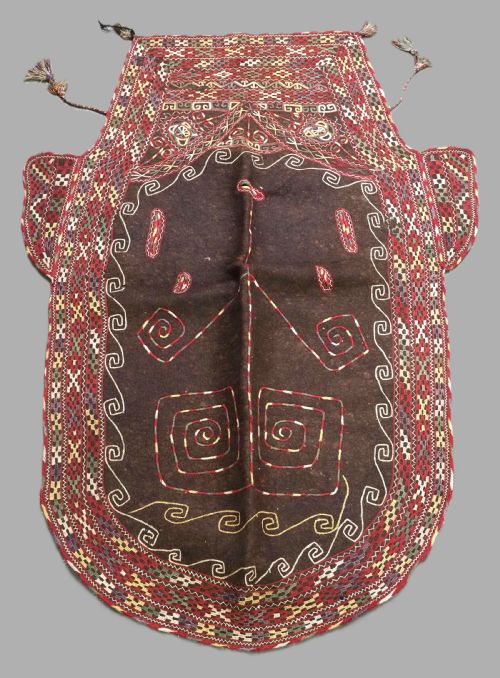
Regional styles vary from the geometric felt blankets of Turkmen makers to the exuberant silk needlework of Uzbek Tashkent and Lakai groups. Each object records specific cultural motifs passed through generations of nomadic and village makers.
How they were made
Needlework foundations rely heavily on silk thread worked upon cotton, wool, or velvet grounds, occasionally utilising felted wool for heavier ceremonial horse blankets. Makers applied various stitch techniques to cotton and silk fabrics to build dense pictorial surfaces.
Natural dyeing methods provided the rich red, black, and green wool or cotton grounds seen on suzani panels and horse covers. Skilled hands executed intricate embroidery using tambour hooks or handheld needles to secure brightly coloured silk threads.
Object forms on this page include wall hangings, horse covers, ceremonial coats, and domestic textile panels.
What varies in quality
Density of needlework separates standard decorative panels from masterworks fully covered in silk embroidery. Full work suzanis and intricate ilgich hangings demonstrate superior execution through tightly packed stitches and complex compositional layouts.
Material preservation and the vibrancy of dyed silk and wool threads determine the visual impact of an antique textile. Intact grounds and well-maintained felt or velvet fabrics retain the original character intended by the maker.
The Vintage Tribal Embroidery Textile Glossary
- Suzani
- An embroidered tribal textile from Central Asia, typically executed in silk thread on a cotton or wool ground. These large wall hangings and covers feature traditional floral or medallion motifs.
- Ilgich
- A small embroidered wall hanging or dowry piece produced by Lakai and Uzbek tribes. They frequently functioned as decorative covers for storage bags inside nomadic tents.
- Uut Kap
- A specific type of storage bag or hanging utilised within nomadic yurt structures. These pieces display distinct tribal needlework patterns.
- Chyrpy
- A traditional embroidered ladies ceremonial coat originating from Turkmen makers. These garments feature dense silk needlework across a ground fabric.
- Palak
- A fully embroidered suzani variant characterised by a central star motif and dense background coverage. Tashkent workshops are known for producing these substantial panels.
Vintage Tribal Embroidery Textile: Frequently Asked Questions
How were tribal textiles used?
Nomadic and village communities utilised these embroidered pieces to decorate the interior of yurts and houses. Items served as ceremonial horse covers, wall hangings, dowry panels, and storage bag ornaments.
Families displayed them during important cultural events and weddings, reflecting tribal identity and status.
How do I hang a textile?
Hanging heavy antique textiles requires distributing the weight evenly across the top edge rather than piercing the fabric with direct pins. Methods include professional mounting onto a padded board covered in matching fabric or using a custom fabric sleeve stitched to the reverse.
Avoid hanging pieces in direct sunlight to protect natural dyed silk and wool threads from fading.
How do I tell regions apart?
Regional attribution relies on identifying specific embroidery styles, materials, and colour palettes unique to groups like the Lakai, Turkmen, or Uzbek workshops in Tashkent and Bukhara. Lakai pieces often show energetic, small-scale geometric motifs on red wool.
Turkmen makers frequently utilise heavy felted wool and distinct tribal symbols, whereas urban suzani workshops employ grand floral sprays on lighter cotton grounds.