




Vintage Tree Landscape
When you search for vintage tree landscape, you enter a rich visual record of woodlands, riverbanks and orchards captured across changing decades.
Vintage Tree Landscape
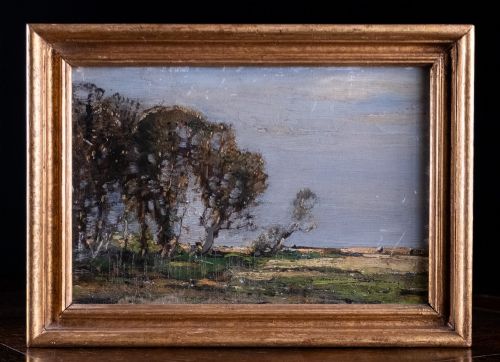
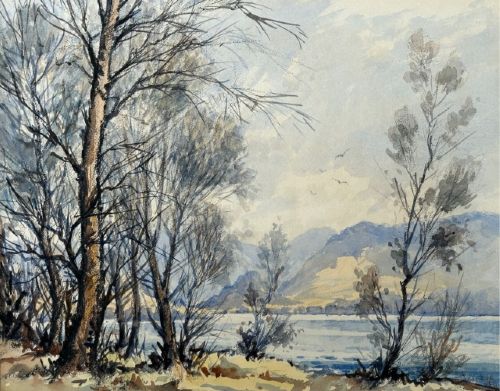
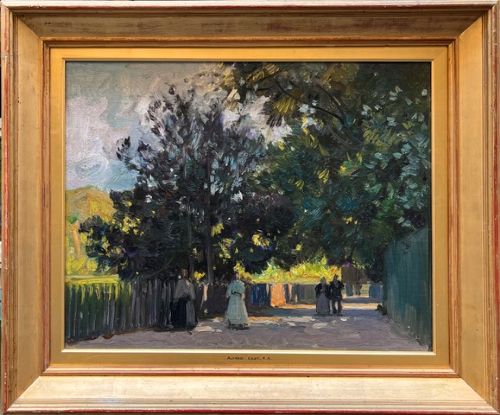
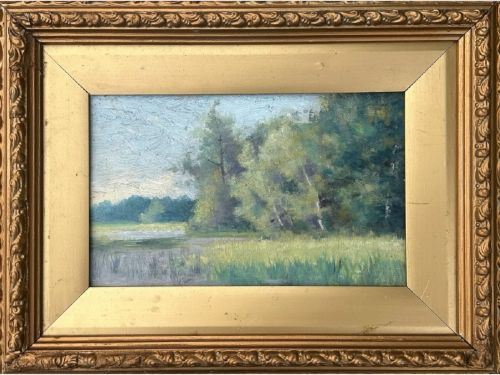
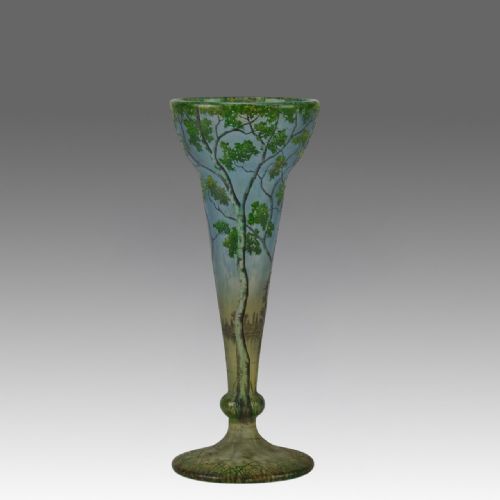
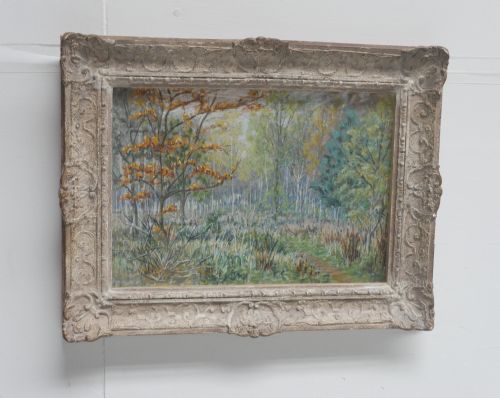
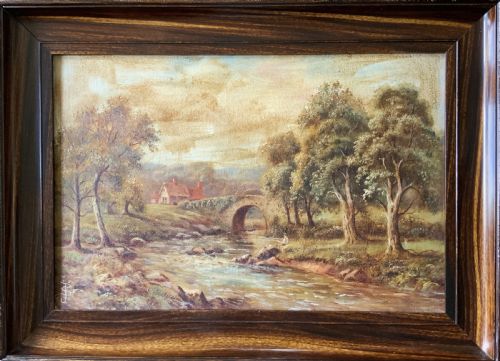
When you examine a vintage tree landscape, you encounter painted and drawn interpretations of natural scenery spanning from the late nineteenth century through the mid-twentieth century. The selection ranges from British watercolour studies of river paths to robust continental oil paintings of Mediterranean olive groves.
You are most likely to meet works executed on paper, canvas or wood panel, originating from periods such as the Edwardian era, the interwar years and the post-war decades. These items typically present rural views, woodland interiors and pastoral settings rendered through various regional stylistic movements.
How they were made
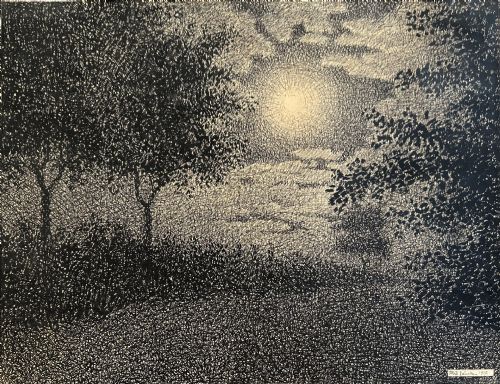
Artists utilised oil paint, watercolour pigment, gouache, pastel and ink upon supports including canvas, primed card, wooden panels and heavy paper. Many works rely on fluid wash techniques or direct brushwork to capture the shifting light among branches and foliage.
Framing materials range from simple ebonised wood to ornate gilt mouldings, often complementing the palette and period of the specific work.
Listings feature works created across multiple decades, spanning from the late nineteenth century through to the nineteen-sixties.
What varies in quality
The distinction between standard examples and exceptional pieces rests upon the surety of the artist's hand and the atmospheric depth achieved within the composition. Superior works demonstrate a confident handling of pigment and light, successfully translating the natural weight and movement of trees into a coherent pictorial space.
Quality also reveals itself in the sensitivity of colour harmony and the structural integrity of the support, whether canvas, panel or paper.
William H Myers·George Graham·Alfred Young Nutt·Kershaw Schofield·Robert Leslie Howey·Sir Alfred East·Maud Raphael Jones·Daum Freres·Sydney Yates Johnson·Samuel Timmins·William JB Jenkins·William Hoggatt·Herbert Royle·Rowland Henry Hill·Berthe des Clayes·Fred Lawson·Charles James Adams·Homer Wayland Colby·Max Martens·John Charles Moody·Joseph Alfred Terry·Owen Bowen
The Vintage Tree Landscape Glossary
- Watercolour
- A paint consisting of colour suspended in a water-soluble binder, traditionally applied to paper. It allows for translucent washes and delicate tonal layering.
- Gouache
- An opaque water-based paint that includes a white pigment filler, resulting in a heavier, more solid matte finish than standard watercolour.
- Impressionism
- A style of painting that focuses on the accurate depiction of light in its changing qualities, often using small, visible brush strokes.
- Provenance
- The chronology of the ownership, custody or location of a historical item, helping to establish its authenticity and history.
Vintage Tree Landscape: Frequently Asked Questions
What subjects appear in these landscapes?
These works depict rural scenes, riverbanks, farmyards and wooded paths, often featuring specific regional flora such as willows, apple trees and olive groves. The compositions frequently capture seasonal shifts, ranging from autumn foliage to winter snow.
Artists drew inspiration from locations across Britain, France, the Middle East and beyond, documenting local topography alongside natural light effects.
How do I date a painted landscape?
Dating relies upon stylistic markers, artist biographical records, framing types and materials used in the support. Works often bear signatures, dates or exhibition labels on the reverse.
Changes in painting technique and subject matter across the decades from the Victorian era to the mid-century also help place a piece within its historical context.
How were these works displayed historically?
Such paintings and works on paper were typically framed and hung in domestic interiors, country houses and institutional spaces to bring natural imagery indoors. Ornate wooden frames were selected to complement the tonal range of the artwork.
Framing styles evolved from heavy nineteenth-century gilt designs to simpler wooden profiles during the mid-century period.
How should I care for a vintage painting or watercolour?
Preservation requires keeping works away from direct sunlight and maintaining stable indoor humidity levels to protect paper, canvas and wood panels. Watercolours and works on paper benefit from UV-filtering glass during framing.
Dusting should be done gently with a soft, dry brush, avoiding liquid cleaners on exposed paint surfaces.