

Vintage Timber Chest
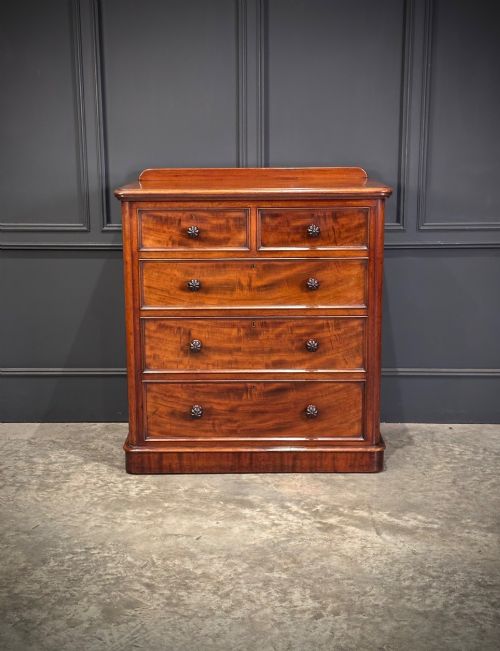
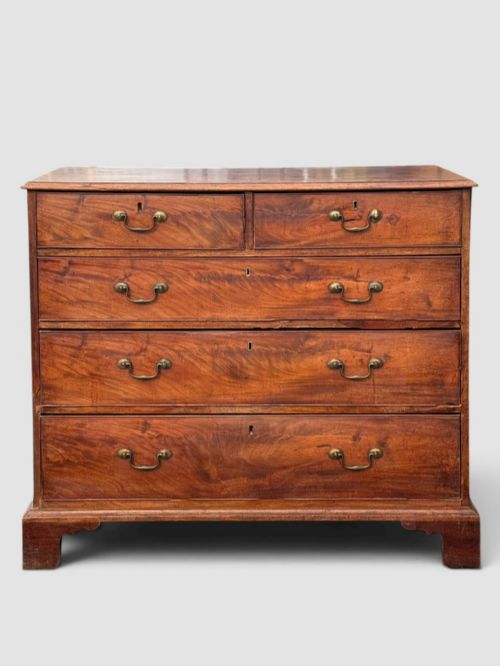
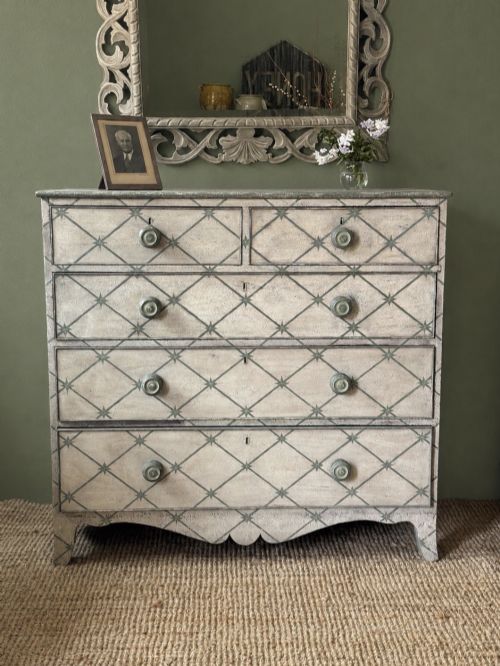
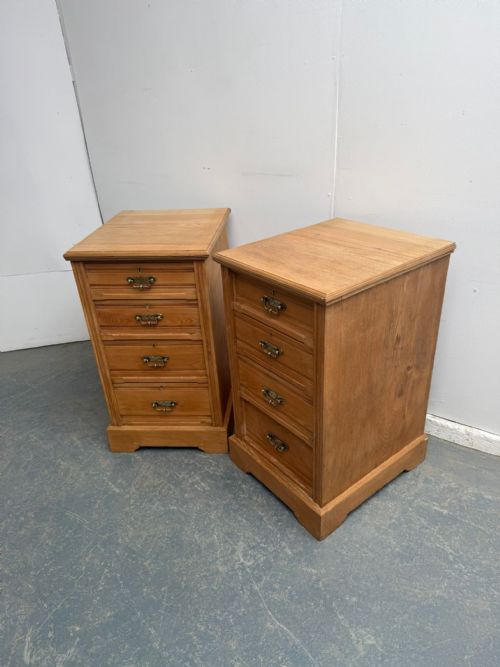
These vintage timber chests and drawers provide practical storage whilst bringing genuine period character to a room.
Vintage Timber Chest
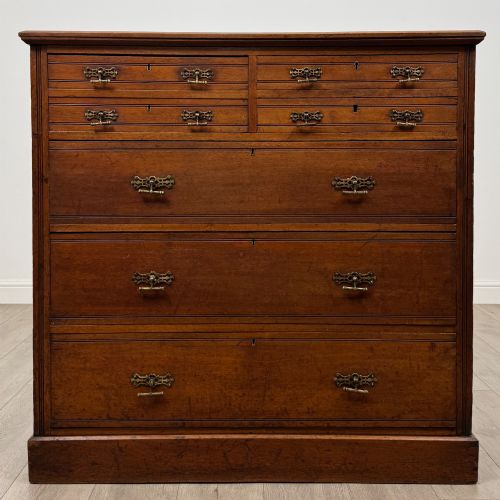
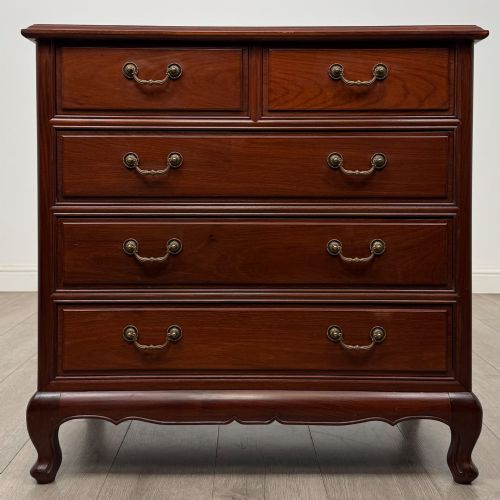
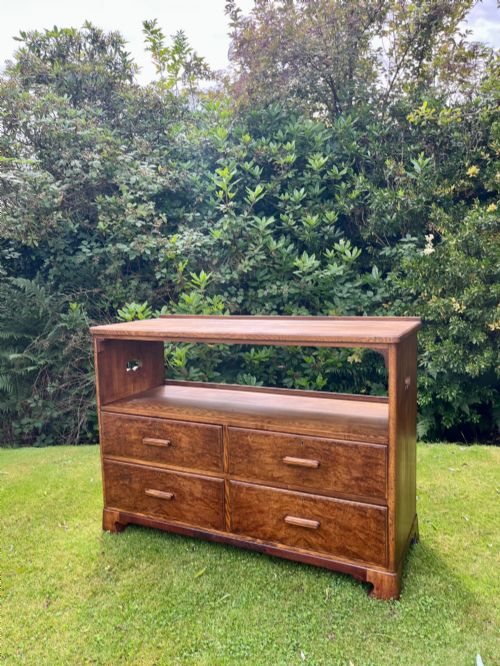
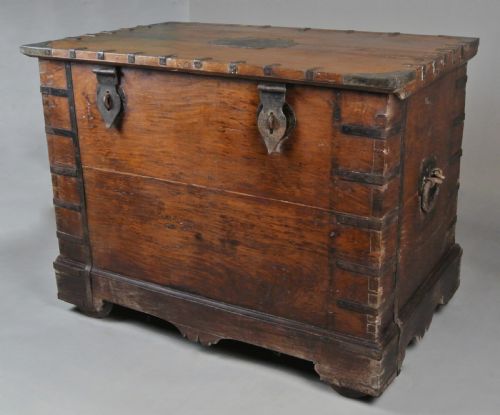
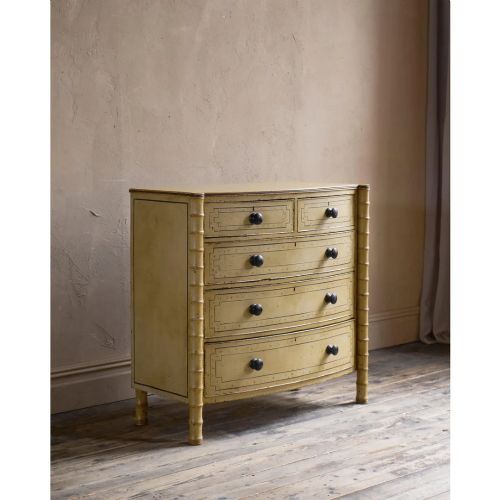
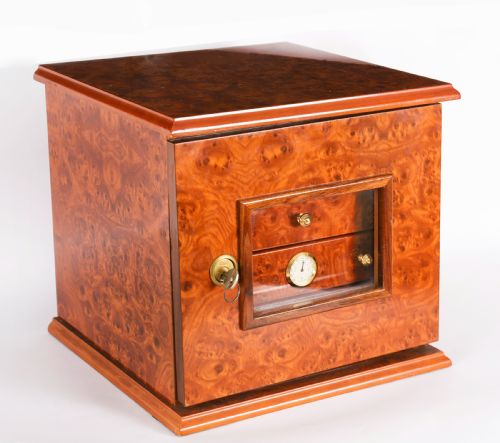
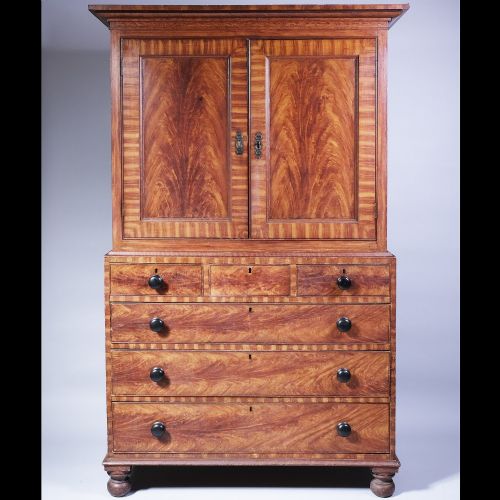
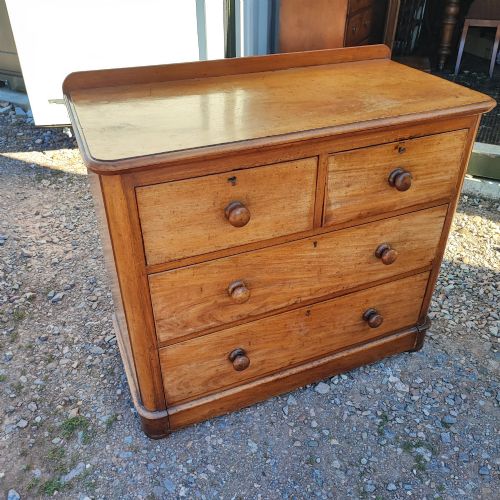
A vintage timber chest encompasses storage furniture built from woods such as mahogany, pine, oak, camphor wood and teak across multiple eras. These pieces range from substantial 19th-century campaign chests and blanket boxes to Georgian and Victorian chests of drawers.
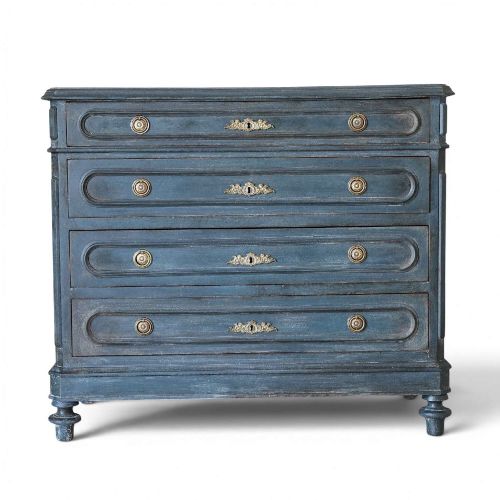
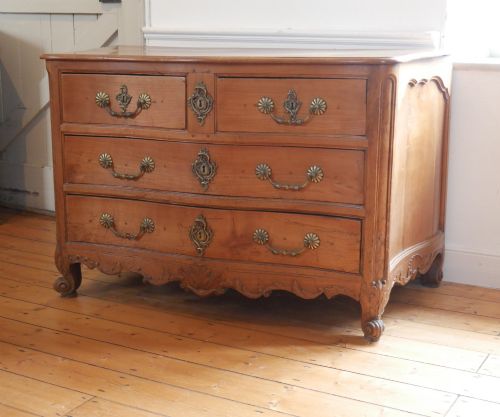
The selections available include regional and international forms, spanning English oak and mahogany items, French commodes, Anglo-Indian camphor wood trunks, and Japanese apothecary drawers. Buyers find both utilitarian storage boxes and refined household cabinetry within this grouping.
Dated examples stretch from the 17th century through the Georgian, Victorian, and Edwardian periods into the 1930s and 1940s. The most frequently encountered pieces belong to the 19th century and the Victorian era, combining robust construction with utilitarian purpose.
How they were made
Carpenters utilised solid hardwoods and softwoods, frequently applying brass binding, iron hardware, or inlay to reinforce corners and decorate drawer fronts. Surfaces received wax, French polish, paint finishes, or scumble glazes depending on the workshop and period.
Drawer construction relied on traditional joinery methods, housing drawers within dovetailed carcasses and incorporating secret compartments or brass handles where required.
Aviation history meets household storage in the selection, via a tool box built by an aero-engine company during World War One.
What varies in quality
Distinction lies in the selection of timbers, such as figured walnut, burr elm, and dense mahogany, contrasted against simpler pine or painted utility pieces. The integration of original brass mounts, handles, and locks alters the integrity of a piece.
Execution of dovetailing, drawer movement, and the preservation of original painted or polished surfaces separate standard utility items from master cabinetmaker production.
Jas Shoolbred·Druce and Co.·Gnome Et Le Rhone
The Vintage Timber Chest Glossary
- Campaign chest
- A portable chest built in sections with recessed brass handles, designed for military officers on the move during the 19th century.
- Camphor wood
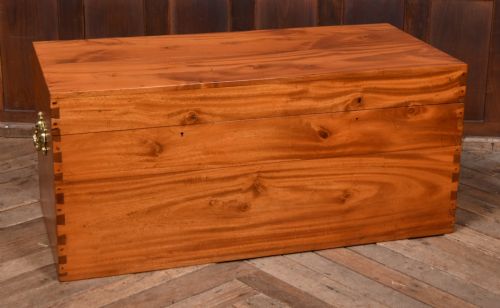
- An aromatic timber utilised for trunks and chests because its natural scent repels insects.
- Bowfront
- A curved front profile on a chest of drawers, popular in Georgian and 19th-century cabinetmaking.
- Dovetail
- An interlocking joint used in drawer construction that provides lasting tensile strength without metal fasteners.
- Commode
- A low chest of drawers or cabinet originating from French design traditions.
Vintage Timber Chest: Frequently Asked Questions
How do I date a timber chest?
Dating relies on identifying timber choices, construction techniques, and handle styles typical of periods like the Georgian era or Victorian reign.
Examining drawer joints and secondary woods inside the carcass offers further clues to the decade of manufacture.
Are campaign chests waterproof?
While camphor wood and brass-bound campaign boxes resisted moisture during tropical transit, they are not sealed against immersion.
Their sturdy construction protected military contents from dust and rough handling rather than water damage.
How should I clean a polished wood surface?
Dust regularly with a soft dry cloth and apply a quality beeswax sparingly to nourish antique mahogany or walnut.
Avoid modern liquid polishes containing silicone, which can penetrate and degrade historic French polish over time.
What is the difference between a trunk and a chest of drawers?
A trunk opens from a top lid to reveal a single deep storage cavity, often used for blankets or travel.
A chest of drawers provides stacked horizontal compartments accessed from the front for folded garments or smaller items.