
Vintage Timber Chair
A vintage timber chair carries the grain and weight of past workshops, offering genuine character and sturdy daily seating for any room.
Vintage Timber Chair
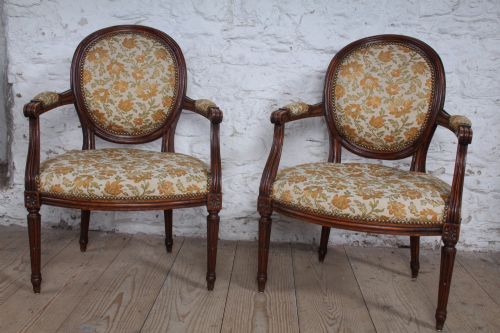
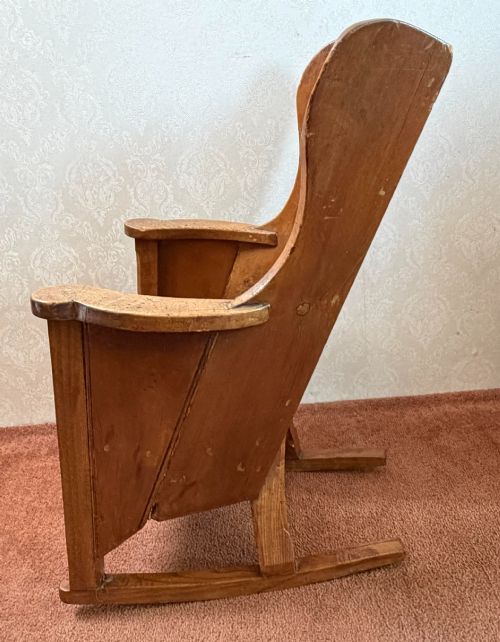
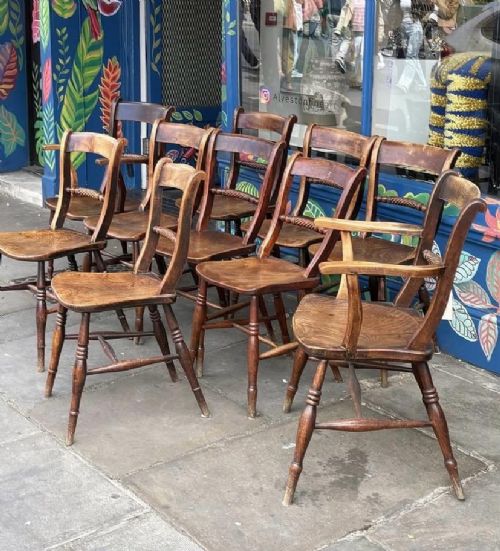
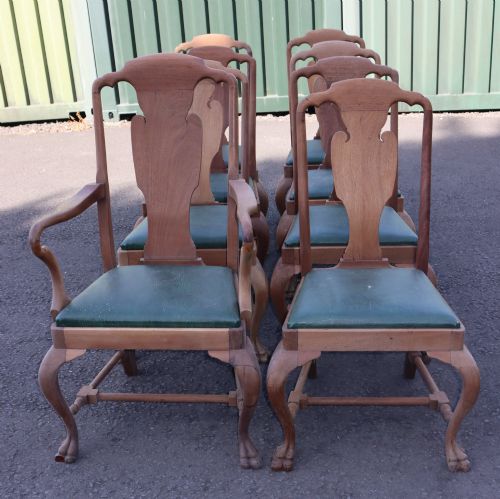
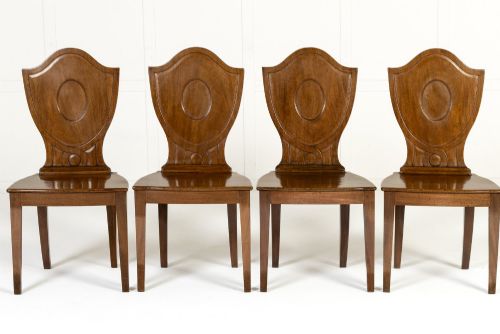
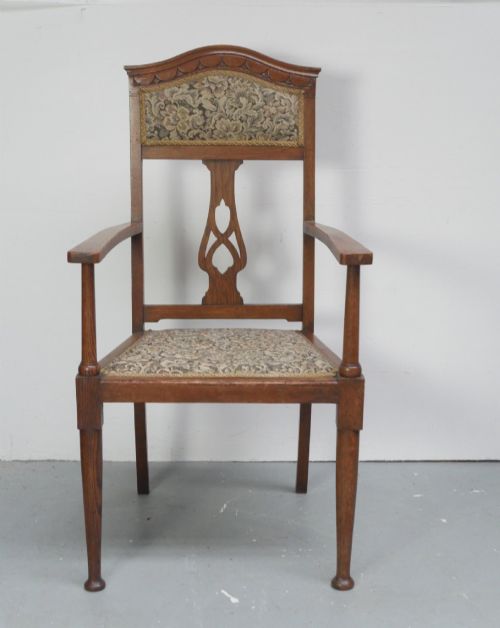
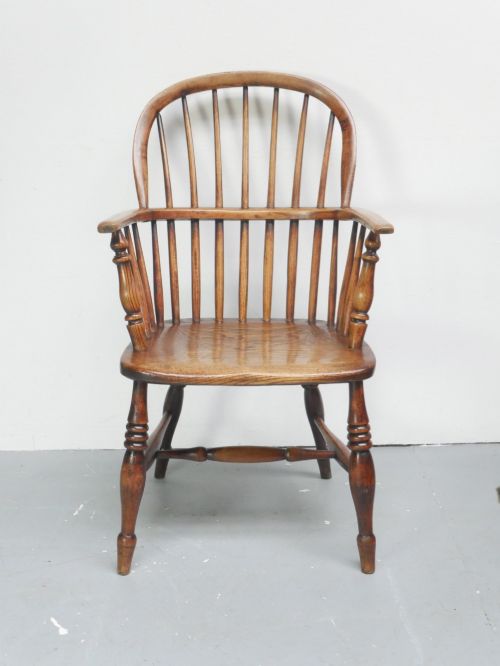
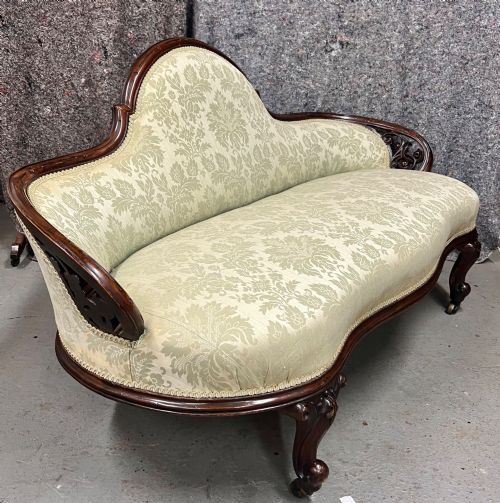
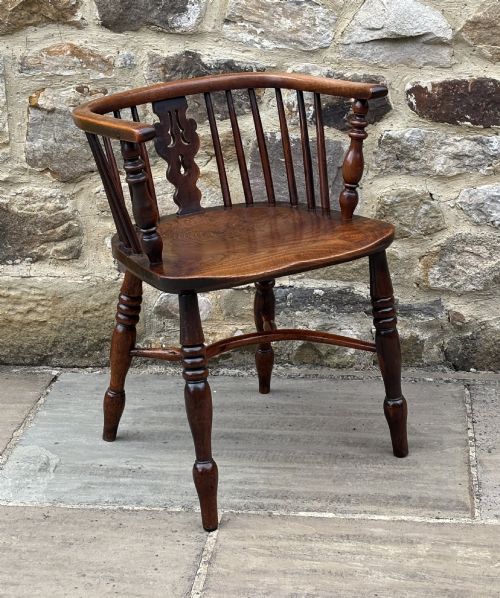
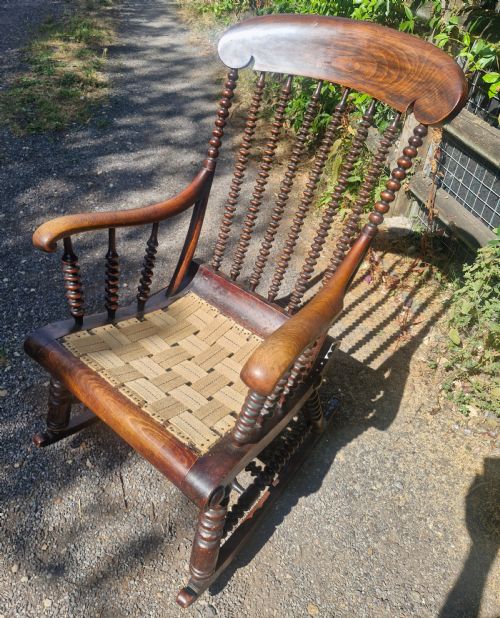
When searching for a vintage timber chair, buyers encounter a diverse selection spanning the nineteenth and early twentieth centuries, encompassing periods from the Georgian era through to the Art Deco years. These seats range from practical kitchen dining chairs and Windsor designs to formal hall chairs and rocking chairs.
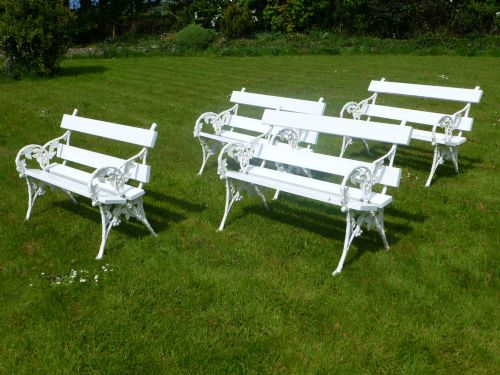
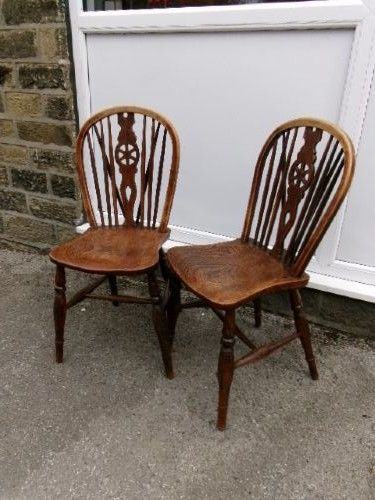
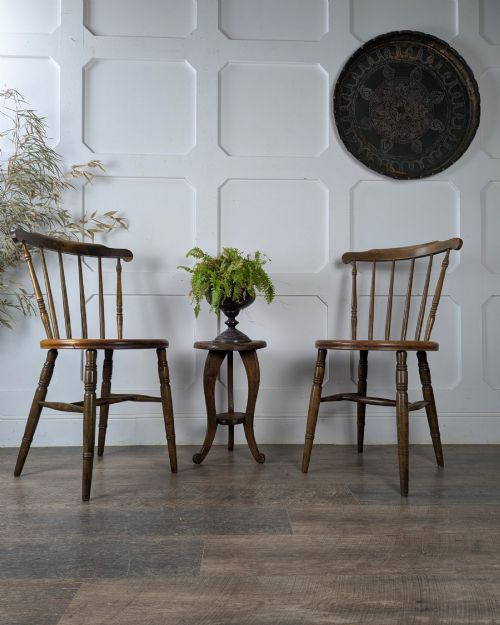
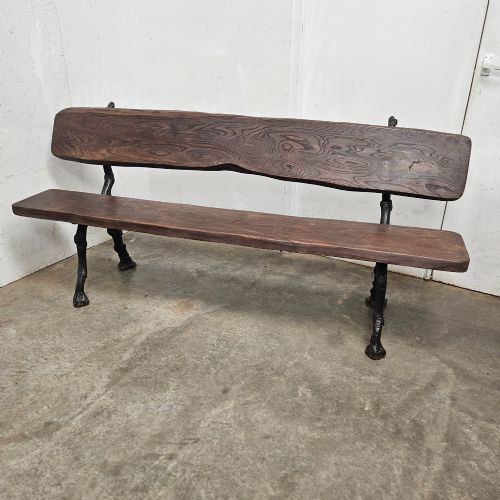
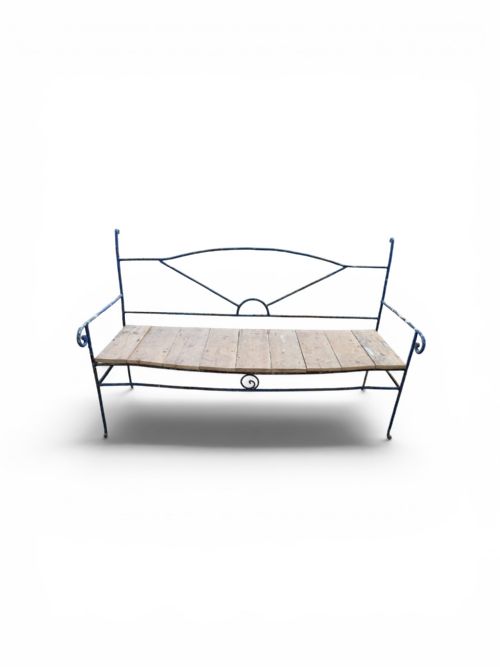
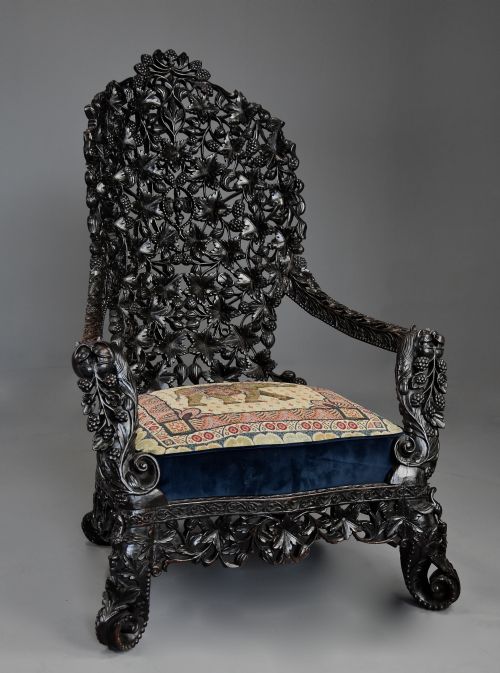
Forms vary significantly, covering stick back and wheelback kitchen seating, Gothic Revival armchairs, and rustic garden benches. Each piece reflects the utilitarian or decorative needs of its original period.
Materials and construction methods
Craftsmen built these chairs primarily from domestic hardwoods such as oak, elm, beech, and mahogany, occasionally utilising pine, walnut, and yew for specific regional styles. Timber selection depended on the required strength, with tough elm frequently chosen for shaped seats and flexible beech or ash utilised for steam-bent spindles.
Construction techniques relied heavily on traditional joinery, including mortise and tenon joints, dovetailing, and turned components secured with wooden pegs. Windsor chairs employed socketed seats where individual legs and spindles locked directly into a solid wooden base.
Surface treatments ranged from polished mahogany and oak finishes to painted surfaces and natural waxed treatments that highlighted the underlying grain. Iron bracing and faux bois metalwork appeared on specific garden benches and exterior seating.
Listings feature nineteen-century Victorian and Edwardian periods alongside materials including oak, mahogany, elm, and beech.
Factors that distinguish finer examples
Quality in these chairs rests upon the selection of timber and the integrity of the original construction. Finer pieces display dense, well-figured grain patterns and substantial timber thickness, avoiding excessive modern replacement parts or structural reinforcement.
The skill of the maker shows in the comfort and proportion of the design, particularly in the hand-carved contours of solid seats and the careful steam-bending of spindles and armrests. Original surface patination and minimal structural alteration distinguish superior survivors from heavily restored items.
Falkirk foundry·Dinco·Howard and Sons
The Vintage Timber Chair Glossary
- Windsor chair
- A wooden chair built with a solid sculpted seat into which the legs and back spindles are driven directly. This form developed deep regional variations across Britain.
- Wheelback
- A Windsor chair variant featuring a pierced wooden splat carved in the shape of a cartwheel. This decorative motif dominated nineteenth-century kitchen seating.
- Hall chair
- A rigid, formal wooden seat usually featuring a solid panel back carved or painted with a family crest or coat of arms. These sat in grand entrance halls rather than living spaces.
- Stick back
- A chair construction method utilising numerous slender turned wooden spindles to form the backrest. Makers often paired elm seats with beech or ash sticks.
- Patina
- The surface sheen and colour acquired by wood through decades of handling, light exposure, and polishing. Collectors value undisturbed patination as a sign of age.
Vintage Timber Chair: Frequently Asked Questions
What woods were used for kitchen chairs?
Kitchen chairs typically relied on robust native timbers such as elm, beech, oak, and ash.
Elm provided a stable, splitting-resistant base for solid seats, while beech offered the flexibility needed for turned legs and spindles.
Are hall chairs meant for daily sitting?
Hall chairs were historically designed for brief seating in entrance halls rather than long periods of relaxation.
Their upright wooden backs and rigid wooden seats prioritise formal appearance and heraldic display over cushioned comfort.
How should I care for vintage wood?
Maintain vintage timber chairs by keeping them away from direct heat sources and rapid humidity shifts.
Apply a traditional beeswax polish occasionally to nourish the grain and protect the historic surface finish from drying out.