


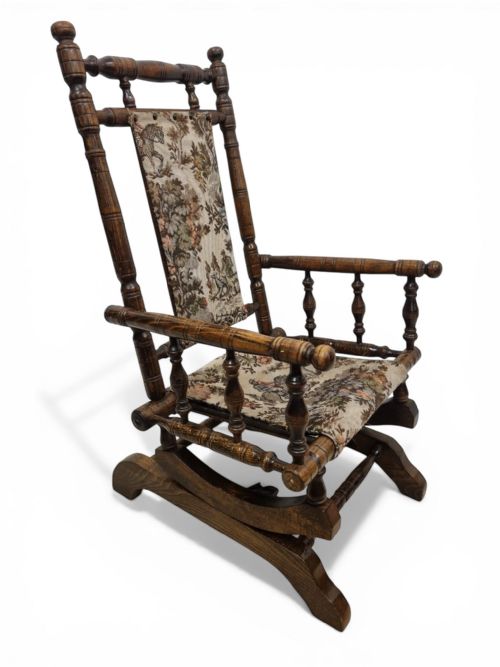

Victorian Wooden Rocker
A victorian wooden rocker brings traditional motion and warm timber tones into a room, offering both fireside comfort and antique character.
Victorian Wooden Rocker
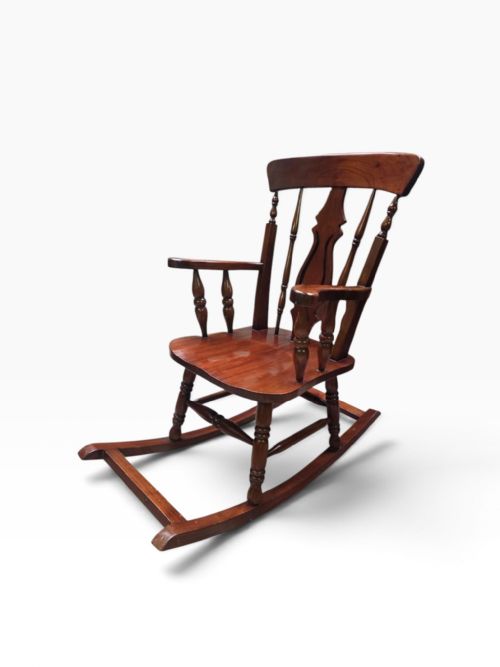
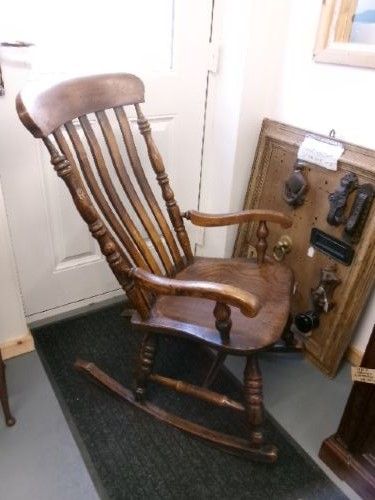
When you search for a victorian wooden rocker, you encounter a range of seating and nursery pieces designed for gentle movement. The selection spans robust farmhouse windsor chairs, diminutive children's seats, and nursery cradles set upon curved wooden rails.
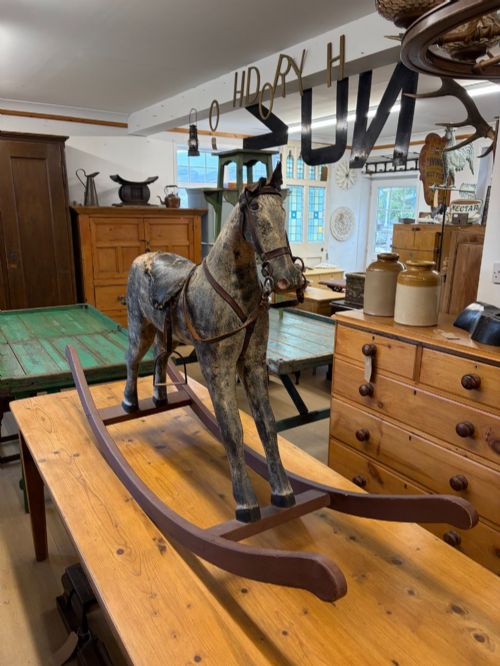
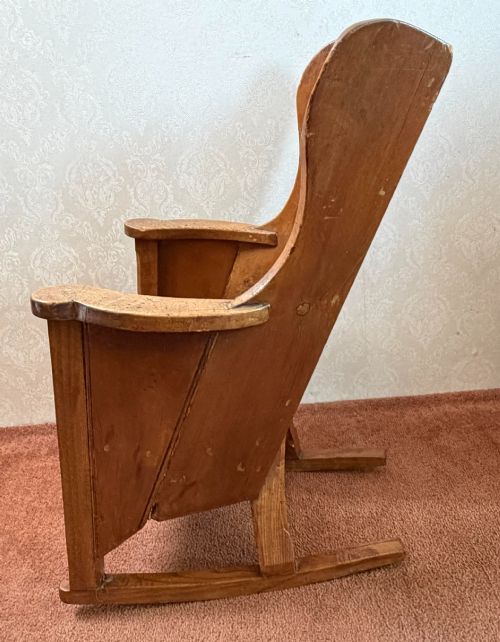
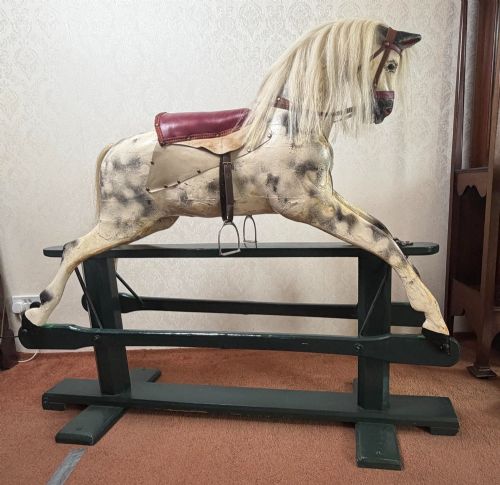
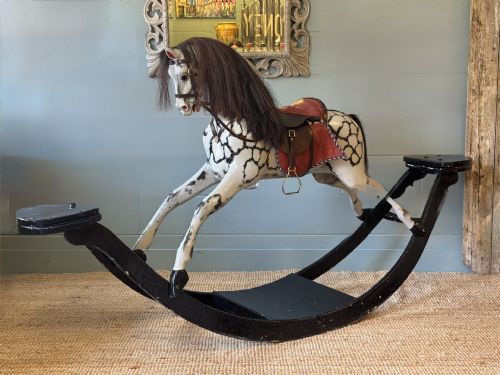
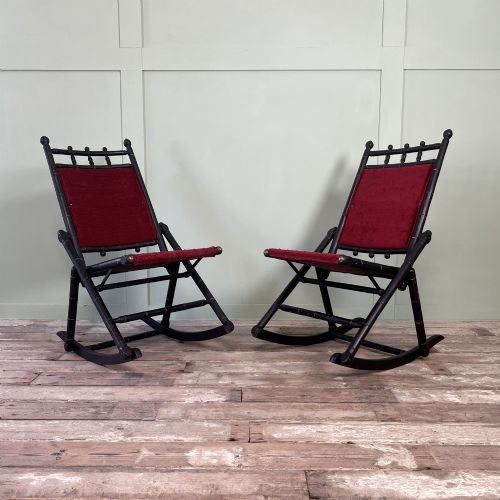
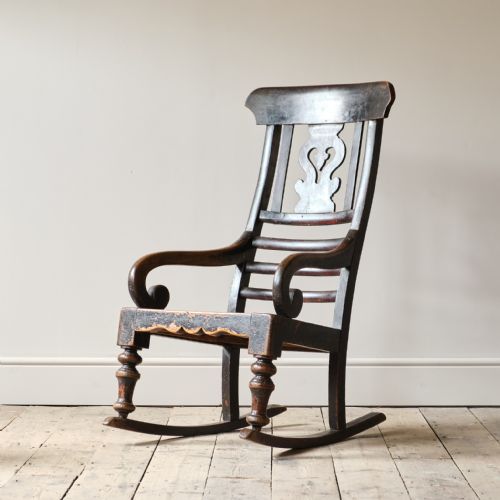
Most examples hail from the nineteenth century, taking the form of fireside armchairs, folding seats, and vernacular country seating. Alongside these chairs, the category accommodates carved wooden rocking horses mounted on original floor rockers.
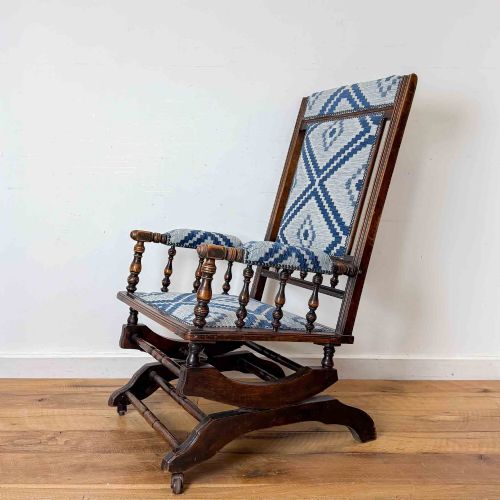
Makers utilised various native and imported timbers, shaping sturdy frames suited to daily domestic service. You will find pieces finished with cane panels, leather pads, or tapestry upholstery sitting alongside plain timber slats.
Materials and construction
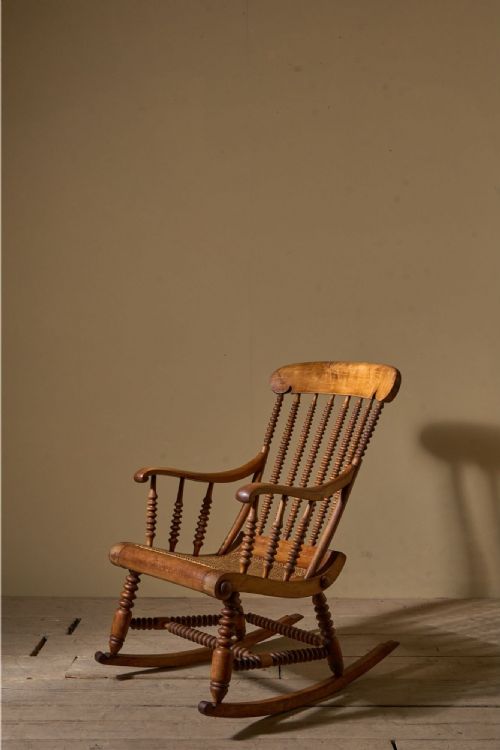
Craftsmen built these pieces using solid hardwoods such as mahogany, oak, elm, ash, and beech, often combining multiple timbers within a single frame. Windsor models typically employ turned spindles and bentwood components locked together by traditional joinery.
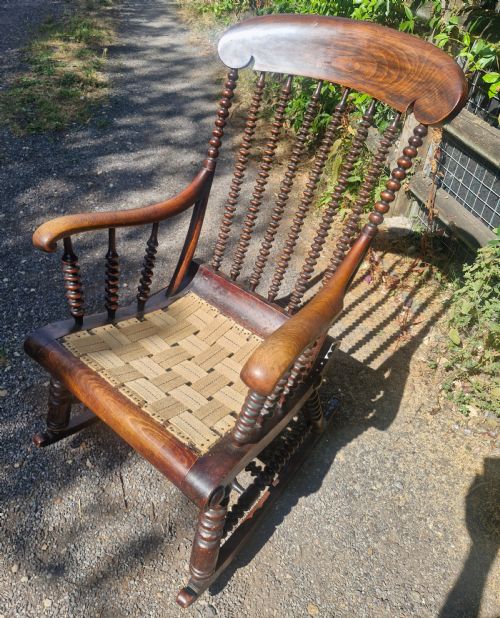
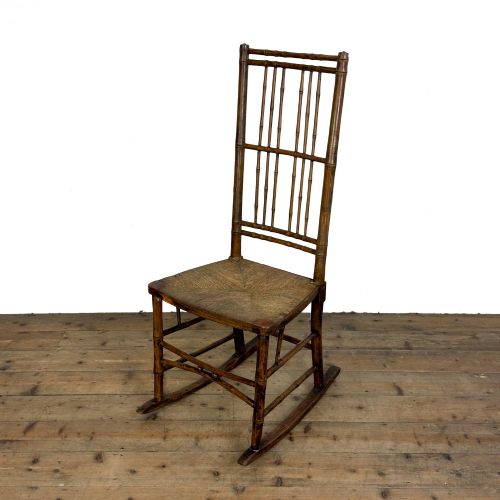
Surface treatments include carved details, bobbin turnings, faux bamboo shaping, and original painted finishes preserved from the period. Seats frequently feature shaped solid wood panels, woven cane inserts, or upholstered pads secured with brass tacks.
Listings feature pieces spanning the nineteenth and early twentieth centuries, incorporating beech, elm, oak, mahogany, ash, leather, and cane.
Judging quality and character
Quality rests in the integrity of the timber frame and the balance of the curved rockers beneath. Superior pieces retain their original factory or workshop paint, crisp spindle turnings, and sturdy structural joints without excessive timber shrinkage.
The sophistication of the design dictates distinction, moving from utilitarian farmhouse seating to refined aesthetic movement or bobbin-framed examples. Original components, such as early cradling rails and untouched upholstery foundations, elevate the standing of any survivor.
G & J Lines of London
The Victorian Wooden Rocker Glossary
- Windsor
- A wooden chair built with a solid saddle-shaped seat into which the back and legs are wedged. These chairs often feature bentwood hoops and spindle backs.
- Bobbin turned
- A style of furniture leg or stretcher shaped on a lathe to resemble a series of wooden reels or bobbins end to end.
- Faux bamboo
- Timber carved, painted, or turned to imitate the natural jointed stalks of bamboo. This decorative technique enjoyed popularity during the aesthetic movement.
- Vernacular
- Regional furniture built by local carpenters using traditional methods and native timbers rather than following strict high-style metropolitan fashions.
Victorian Wooden Rocker: Frequently Asked Questions
What woods were used for a victorian wooden rocker?
Carpenters built these rockers using a variety of native and imported hardwoods suited to continuous motion. Common choices include sturdy oak, elm, ash, beech, and rich mahogany.
Makers often combined woods within a single frame, pairing bendable timbers for curved backrests with denser woods for the seat and base.
Were cradles and children's seats made as rockers?
Woodworkers produced numerous small-scale pieces specifically for nurseries, including infant cradles and child-sized armchairs mounted on curved rails. These smaller items mirrored the construction methods of full-sized furniture.
Many survive alongside adult fireside chairs and larger nursery furnishings from the same nineteenth-century period.
What is bobbin framing on a rocking chair?
Bobbin framing involves turning timber on a lathe to create a repetitive profile resembling threaded bobbins or spools. This decorative framing appears along the uprights and arms of select nineteenth-century chairs.
The technique adds textural visual interest to vernacular and aesthetic movement seating designs.
How do I care for an antique wooden rocker?
Keep wooden rockers away from direct heat sources and dramatic humidity shifts to prevent timber splitting. Dust the carved surfaces and spindles regularly with a soft, dry cloth.
Feed dry unpolished wood sparingly with appropriate traditional wax to maintain the finish without building up heavy residues.