

Vintage Tiered Drinks Table
A vintage tiered drinks table brings layered surface space and period character to a room, serving drinks and gatherings with practical elegance.
Vintage Tiered Drinks Table
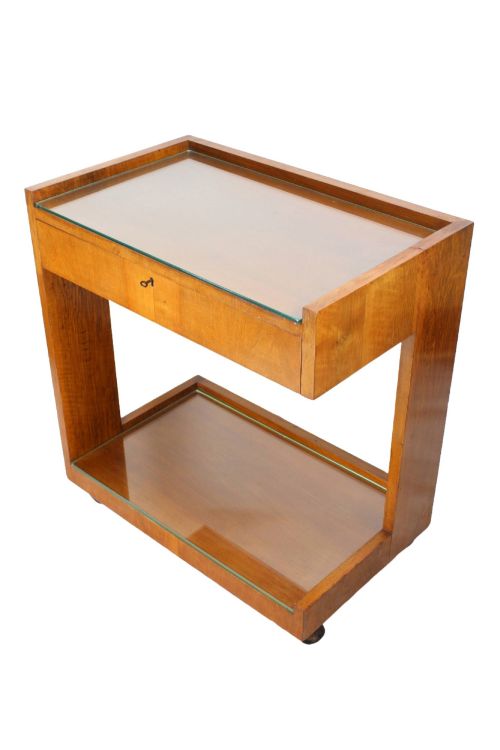
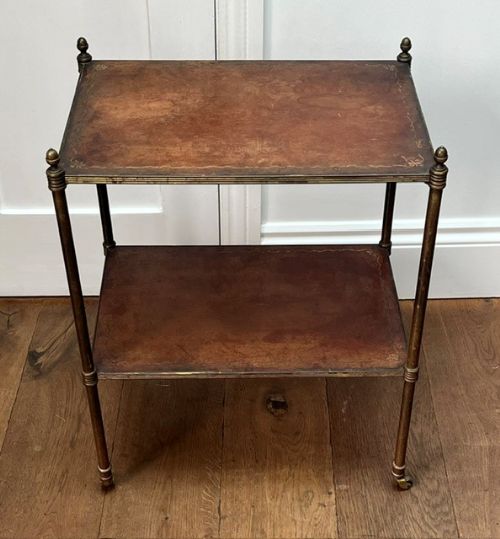
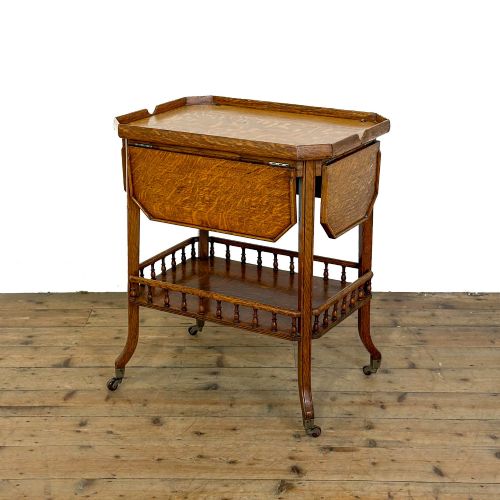
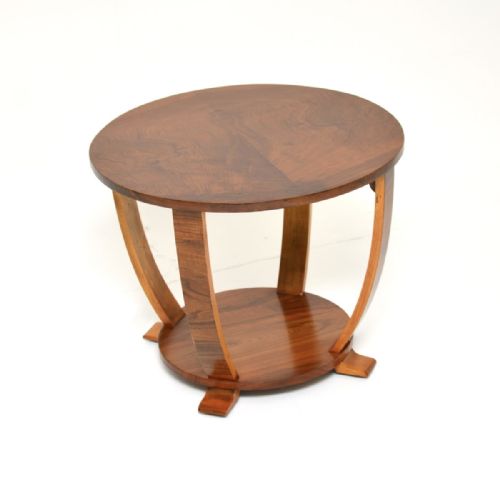
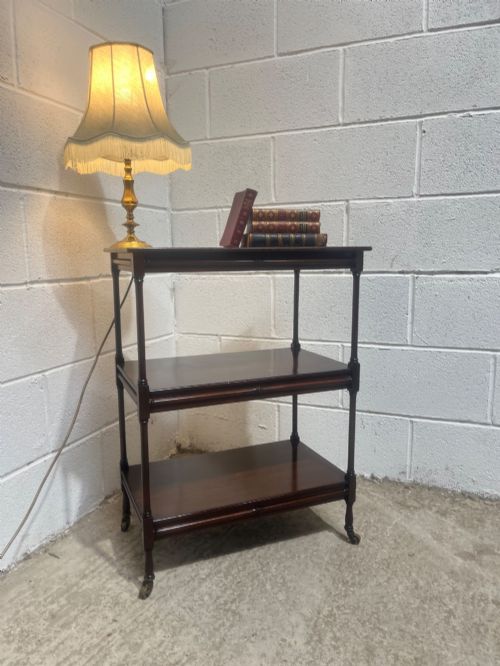
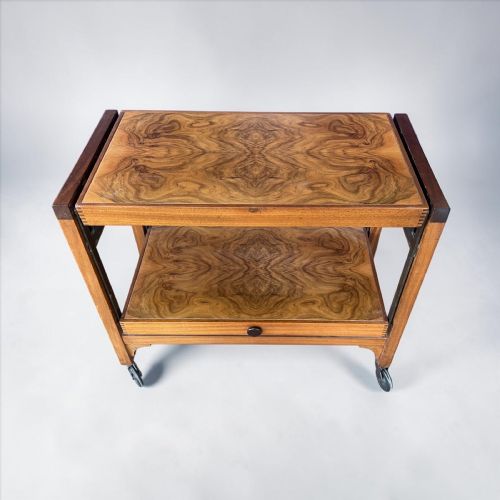
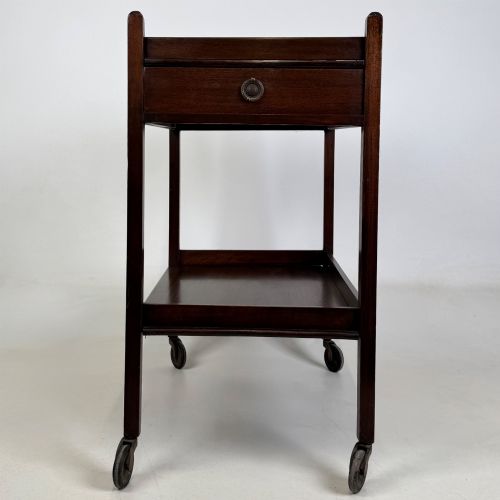
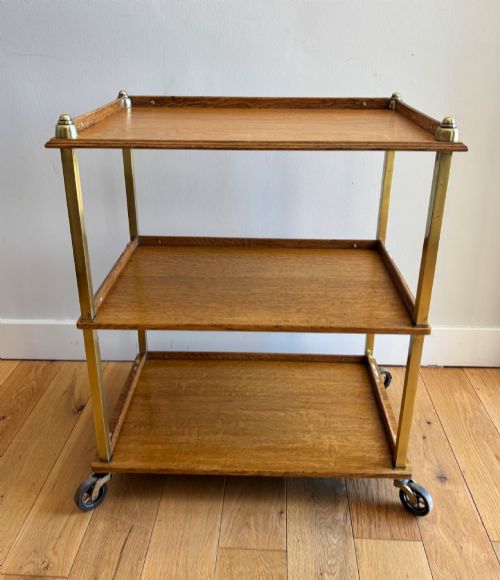
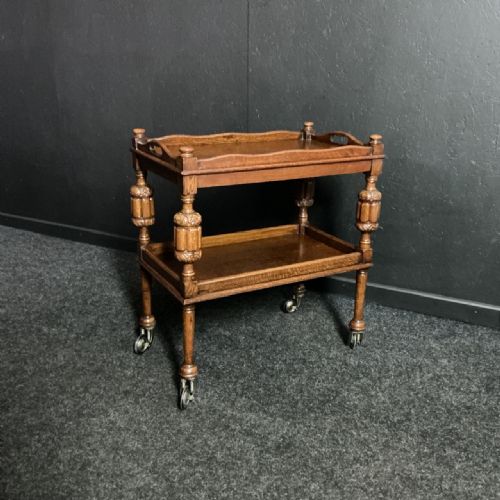
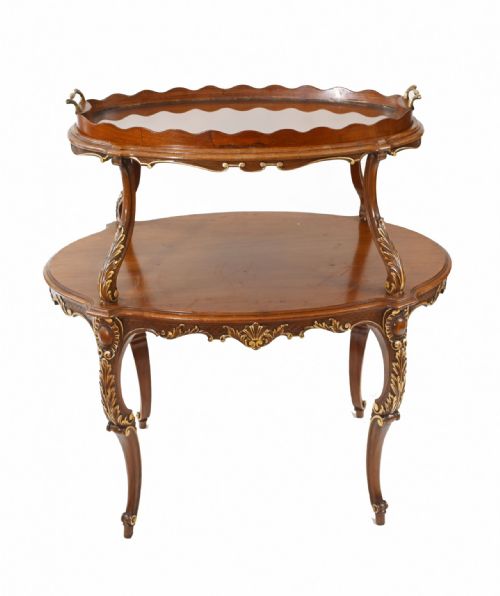
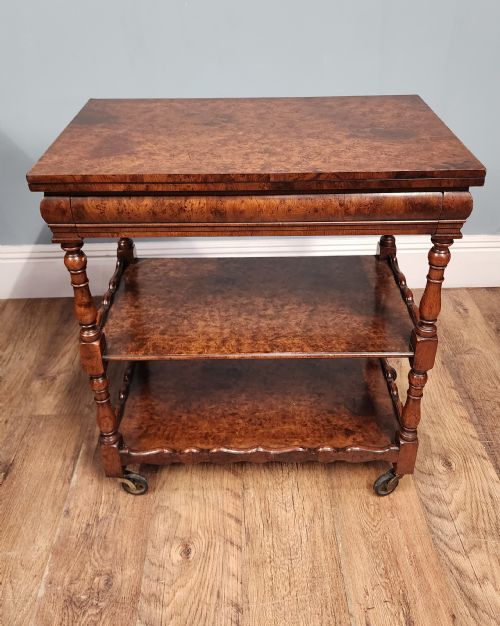
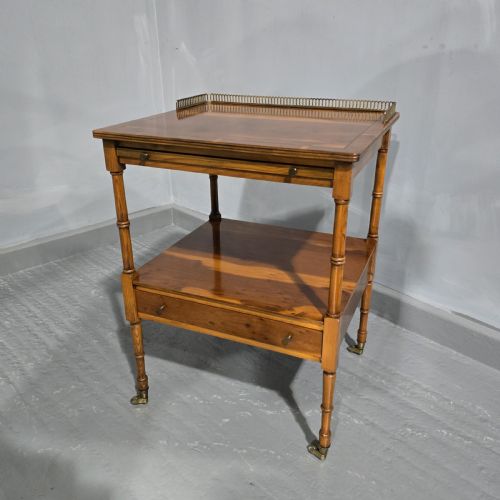
When you search for a vintage tiered drinks table, you encounter a variety of multi-level serving and display pieces designed for hospitality. These items span from the 19th Century through the Art Deco era and Edwardian period, incorporating forms such as tea trolleys, etageres, and dumb waiters. The selection ranges from folding oak trolleys to walnut two-tier tables on casters.
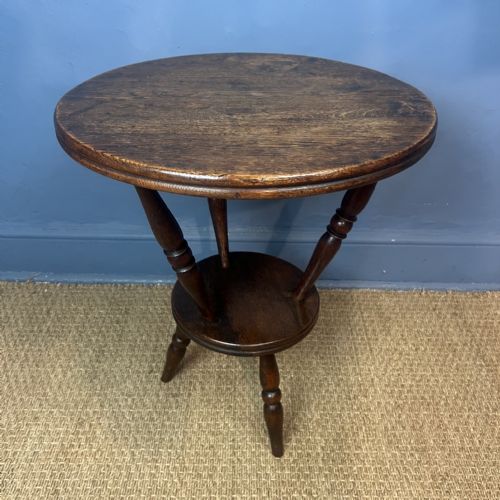
The version you are most likely to meet on this page is the Art Deco walnut two-tier trolley or the Edwardian oak side table. These pieces utilise multiple surfaces to hold bottles, glassware, and tea services while remaining mobile on wheels or stationary as side tables. The designs reflect the social habits of their respective periods, moving from Victorian dining rooms to 1930s cocktail settings.
How they were made
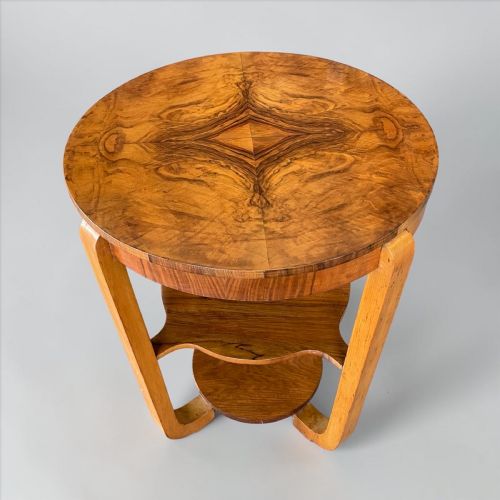
Cabinetmakers constructed these tables using hardwoods such as mahogany, walnut, and oak, often enhancing the surfaces with walnut veneer, bird's eye maple, and satinwood inlay. Timber construction relied on traditional joinery for frames, while grain patterns on figured walnut or mahogany tops received polished finishes.
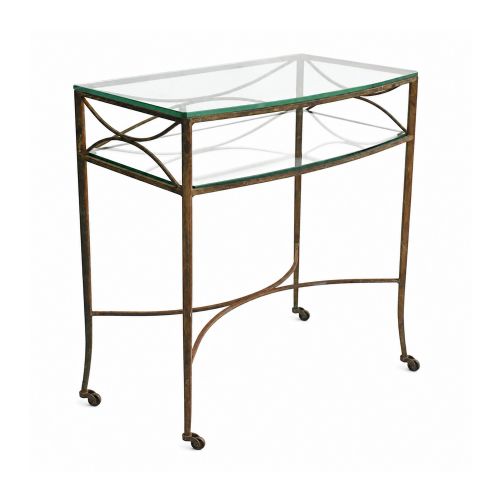
Metal and glass components frequently complement the wood, employing brass, chrome, cast-iron, and gilt brass alongside fitted glass shelves. Trolleys incorporate functional hardware, including casters for mobility, gallery rails to secure glassware, and drop-leaf mechanisms or lift-off trays.
Period styles span from 19th Century and Victorian designs through Edwardian pieces to 1930s Art Deco and Mid-Century Neoclassical forms.
What varies in quality
The standard of timber selection and veneer work creates a distinct division across the range. Pieces featuring figured walnut, satinwood inlay, or solid Cuban mahogany display superior cabinetmaking compared to standard utilitarian oak versions. The depth of the polish and the precision of the grain matching define the visual hierarchy.
Hardware integrity and structural articulation also separate pieces. Fine examples integrate substantial brass or chrome fittings, smooth-rolling casters, and secure tiered supports, whereas simpler iterations rely on basic turned legs and standard metal fixings without secondary functions like lift-off trays or metamorphic folding actions.
Mallett of London·Maison Baguès·Gillows
The Vintage Tiered Drinks Table Glossary
- Etagere
- A set of open shelves or tiers designed for displaying small objects or serving items. This French form became popular in various Victorian and Art Deco iterations.
- Dumb waiter
- A multi-tiered piece of furniture traditionally used in dining rooms to hold food and beverages without requiring a servant. Examples range from 19th Century mahogany tiers to Regency serving tables.
- Tea trolley
- A wheeled cart equipped with two or more levels specifically designed for serving tea or drinks. Many period examples include drop leaves, galleries, or removable trays.
- Gallery
- A raised ornamental border surrounding the edge of a shelf or tabletop. This feature prevents glassware and bottles from sliding off during movement.
- Casters
- Small wheel attachments fitted to the base of furniture legs for mobility. They allow drinks trolleys and serving tables to move easily across floor surfaces.
Vintage Tiered Drinks Table: Frequently Asked Questions
How do I date a tiered drinks table?
Dating relies on identifying the primary materials, hardware, and stylistic indicators present in the construction. Pieces from the Edwardian era often feature light oak or inlaid mahogany with delicate gallery rails, while 1930s Art Deco examples showcase figured walnut, chrome, and bold geometric silhouettes.
Examining the construction methods, such as the type of casters and the application of veneers, further helps place the piece within its specific decade or century of origin.
Were these tables used only for tea?
Although many Victorian and Edwardian examples began as tea trolleys, their multi-tiered structure made them adaptable for serving cocktails and wine. By the Art Deco period, these designs evolved specifically to accommodate glassware, decanters, and cocktail equipment.
Their sturdy surfaces and mobility suited them for general entertaining, functioning as mobile bars and serving stations during gatherings.
How do I incorporate a tiered table into a modern room?
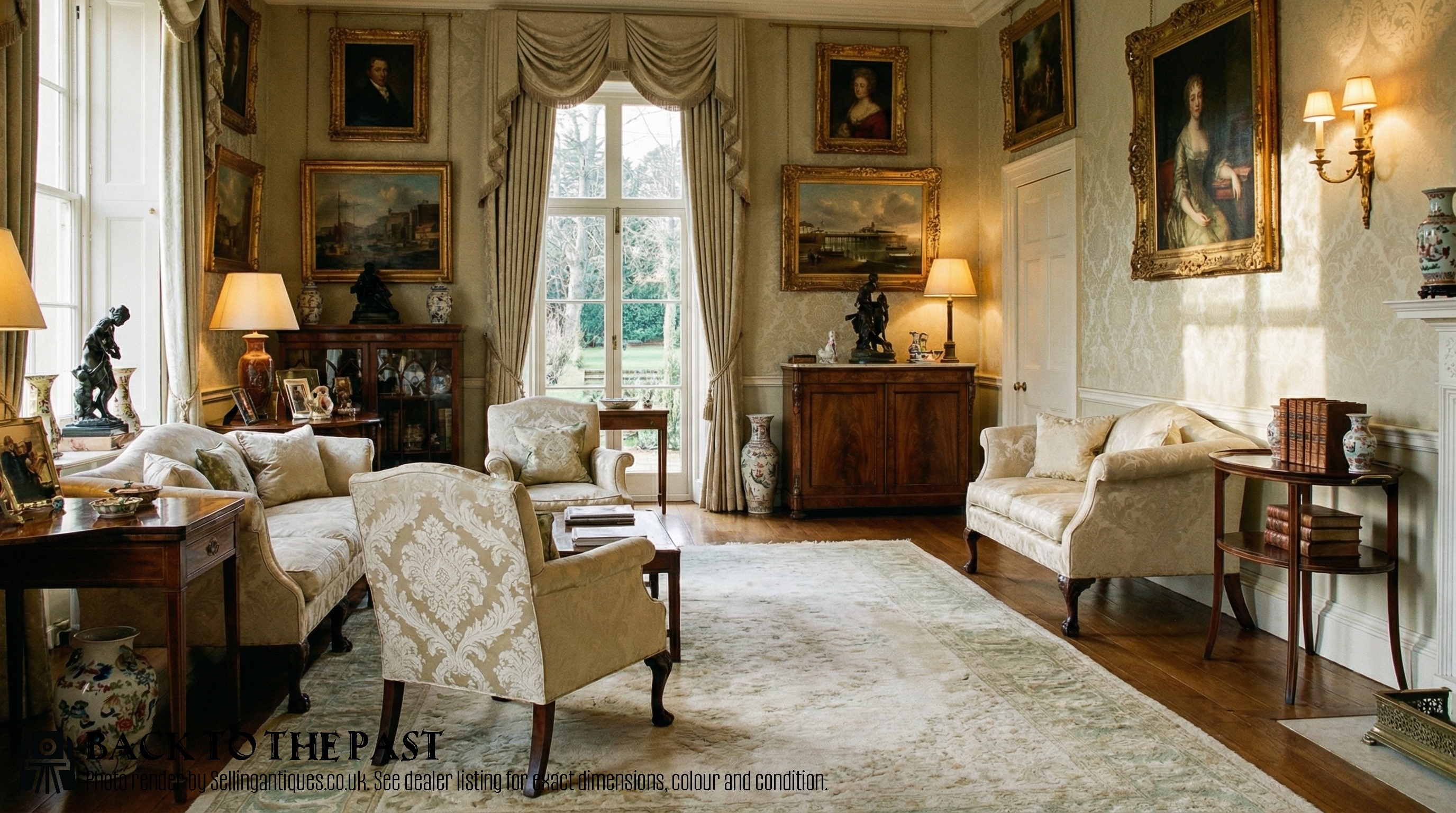
A tiered table functions effectively as a mobile bar cart, a bedside surface, or an occasional side table next to a sofa. The multiple levels provide practical storage for books, lamps, and glassware without occupying excessive floor space.
Pairing a vintage walnut or brass piece with contemporary seating introduces textural contrast and functional surface area to a living space.