
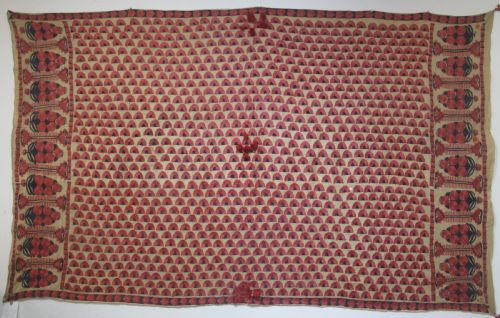


Vintage Textile Throw
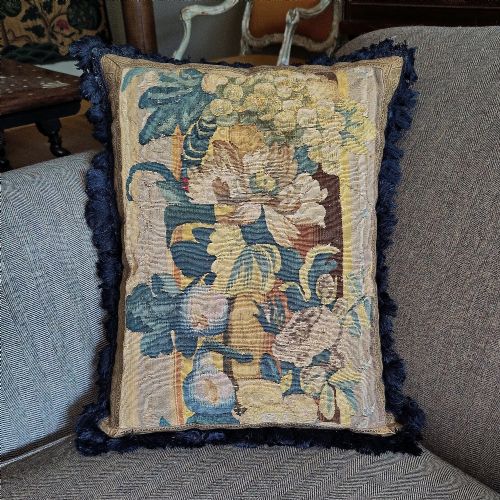
A vintage textile throw gathers centuries of needlework, from Central Asian embroidery to European tapestries, bringing texture and history to a room.
Vintage Textile Throw
A vintage textile throw encompasses embroidered panels, coverlets, and shawls originating from Central Asia, India, and Europe. These pieces span from the eighteenth century through to the early twentieth century, functioning historically as bed covers, wall hangings, and ceremonial garments.
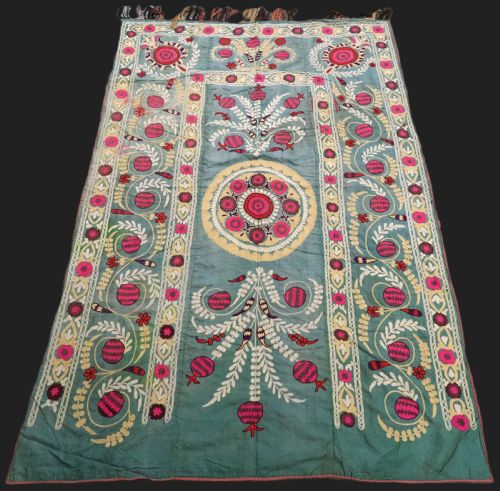
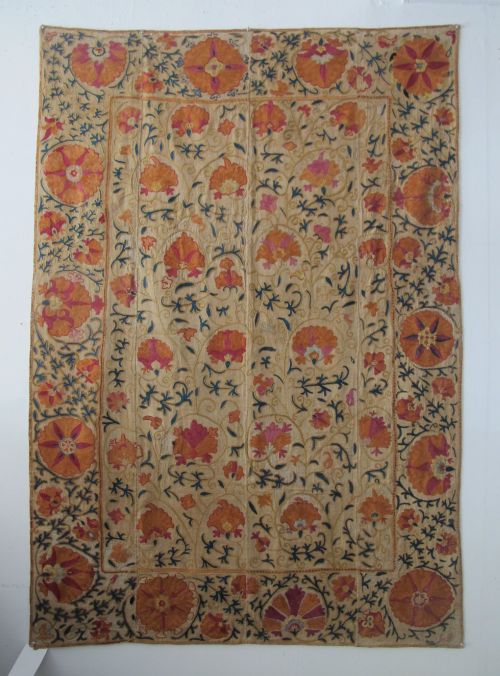
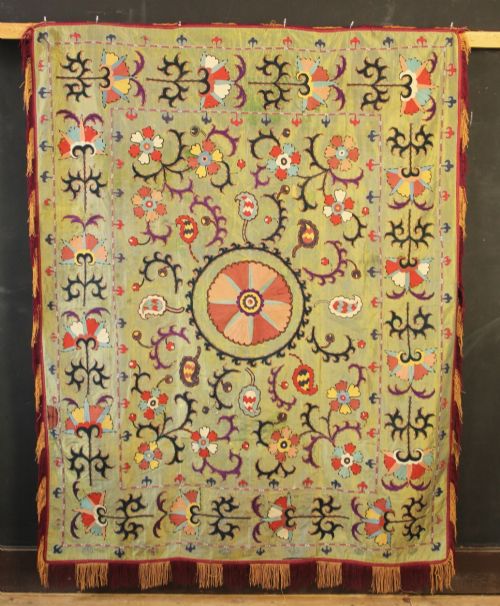
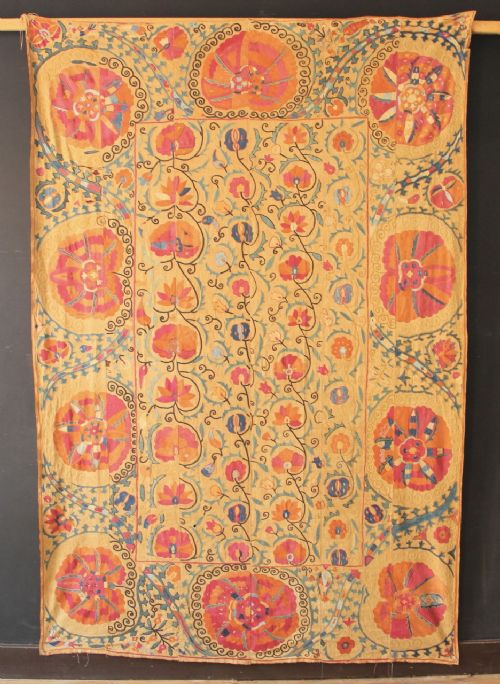
The selections most commonly met on this page are Central Asian suzanis, featuring silk embroidery on cotton, wool, or silk grounds, alongside British and European blankets and shawls.
Buyers choose these items to drape over furniture or mount on walls, introducing rich patterns and tactile warmth derived from traditional textile arts.
How they were made
Makers utilised natural materials including silk, cotton, wool, linen, and velvet, often decorated with silk thread embroidery and natural dyes.
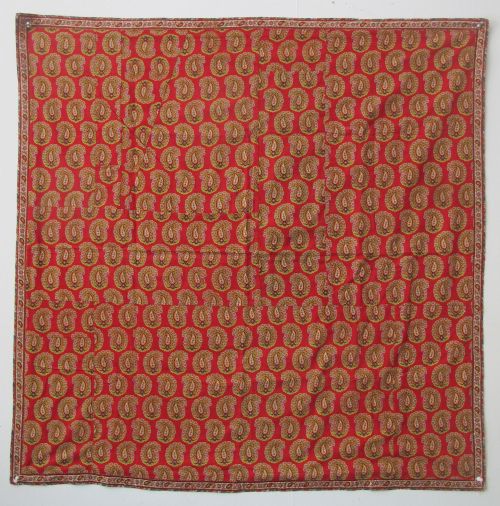
Techniques range from blockprinting and flat quilting to intricate needlework such as the dense stitching found on suzanis and traditional shawls.
The listings include pieces from the 18th century, Victorian era, and 1930s, utilising silk, wool, cotton, linen, and velvet.
What varies in quality
The density and fineness of the needlework distinguish the standard of embroidery, particularly on suzanis and shawls where full work covers the ground fabric.
The vibrancy and preservation of natural dyes, along with the structural integrity of the base linen, cotton, or wool ground, determine the overall execution of the piece.
The Vintage Textile Throw Glossary
- Suzani
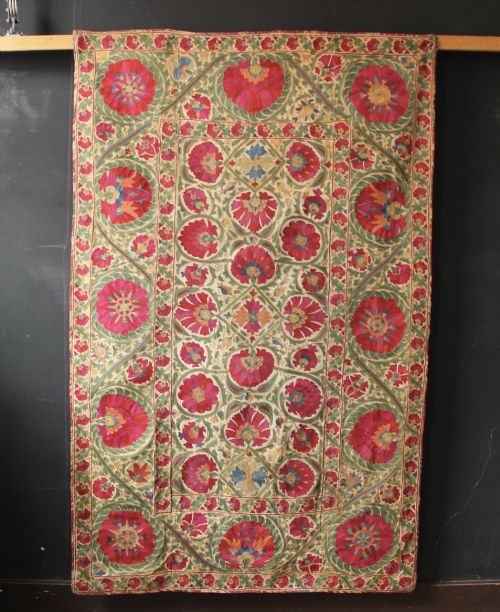
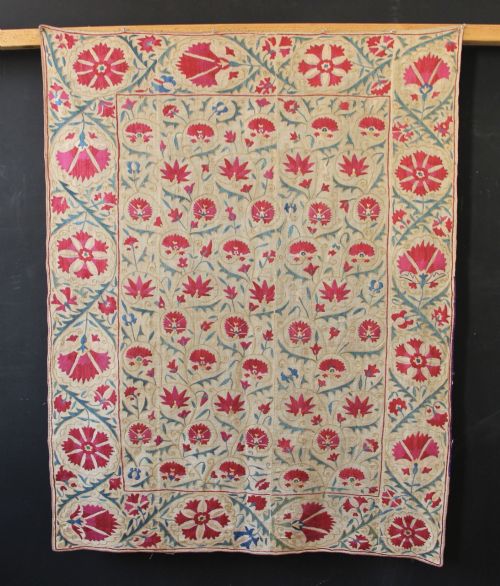
- An embroidered tribal textile from Central Asia, typically worked in silk thread on a cotton or silk foundation. These pieces often display large floral motifs or central medallions.
- Ikat
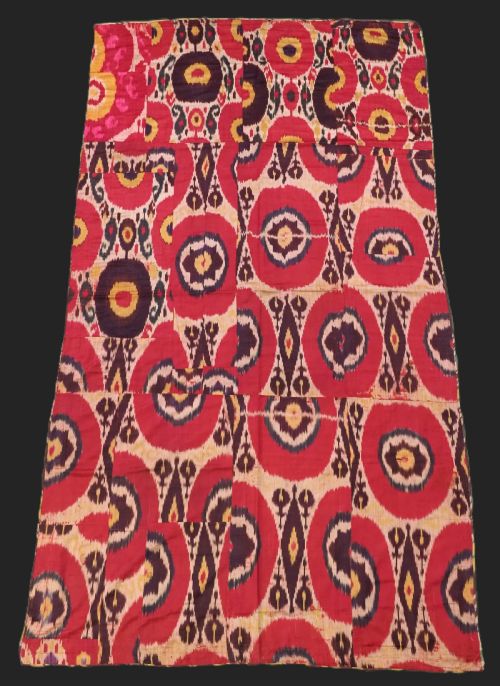
- A dyeing technique where yarns are tie-dyed before weaving to create intricate patterns with characteristic feathered edges. This method produces richly patterned fabric panels.
- Palampore
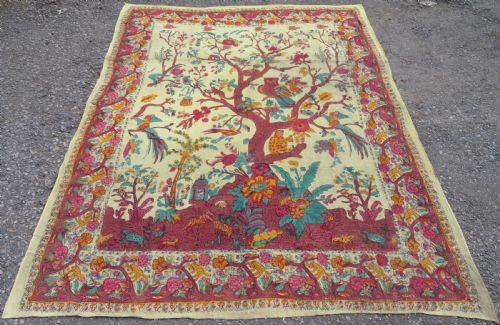
- A large, hand-painted or blockprinted bed cover originating from India, featuring elaborate tree of life or floral designs. These textiles show detailed multi-coloured botanical motifs.
- Adras
- A traditional hand-woven fabric made from a blend of silk and cotton yarns. It serves as a sturdy yet lustrous ground for embroidery.
- Nim suzani
- A smaller version of a suzani, where the embroidery covers a portion of the ground fabric rather than the entire surface. The term translates to half or partial work.
Vintage Textile Throw: Frequently Asked Questions
How were antique suzanis originally used?
Suzanis served primarily as dowry items, created by brides and their families to decorate the home. They functioned as wall hangings, bed covers, and ceremonial partition cloths in traditional nomadic and settled households.
Over time, these textiles transitioned into decorative domestic objects, valued for their intricate needlework and symbolic floral patterns.
Can I use an antique textile throw daily?
These textiles manage everyday use well when draped gently over the back of a sofa or laid across a bed. Gentle handling preserves the historical silk threads and natural dye grounds.
Keeping them away from direct sunlight protects the natural dyes from fading, ensuring the colours remain vibrant over time.
How do I identify a Lakai suzani?
Lakai suzanis originate from Uzbek tribal groups and feature distinct geometric or figurative motifs executed in bold silk embroidery. They frequently utilise red wool or cotton ground fabrics.
The layout often prioritises asymmetry and energetic designs that differ from the formal urban suzanis of Tashkent or Samarkand.
What is the difference between a shawl and a coverlet?
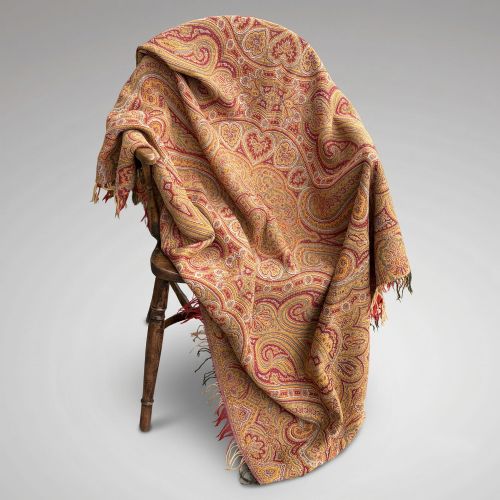
Shawls were woven or embroidered to be worn as garments, often featuring fine Paisley or Dochala designs from India or traditional Victorian styles. They offer a lighter drape and distinct border arrangements.
Coverlets are larger rectangular textiles designed to sit flat across furniture or beds, utilising heavier linen, wool, or cotton grounds.