
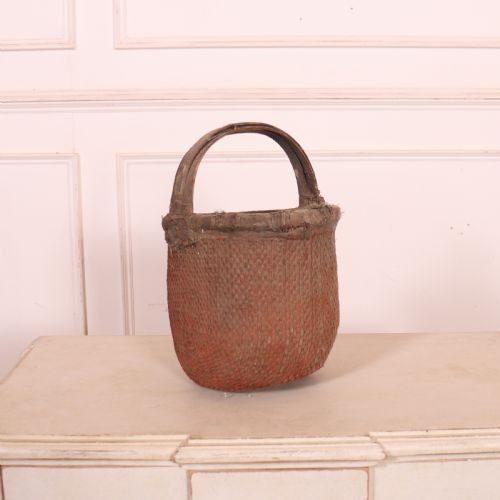
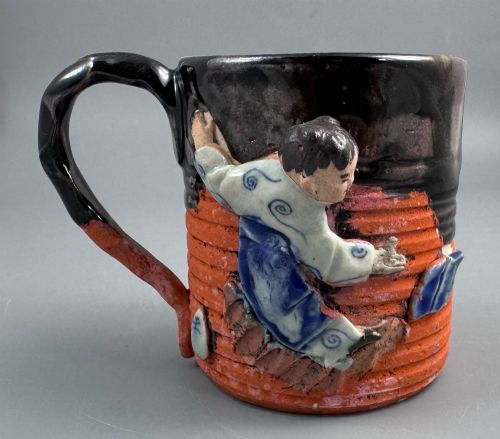


Vintage Terracotta Vessel
These vintage terracotta vessel examples bring rustic Mediterranean and French Country character to a room through aged clay forms.
Vintage Terracotta Vessel
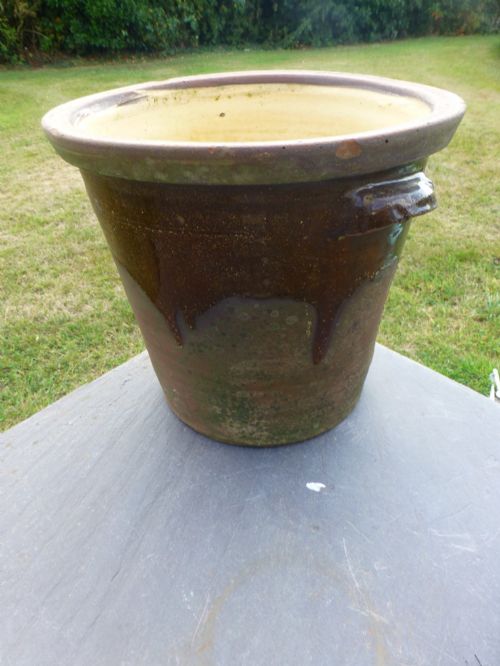
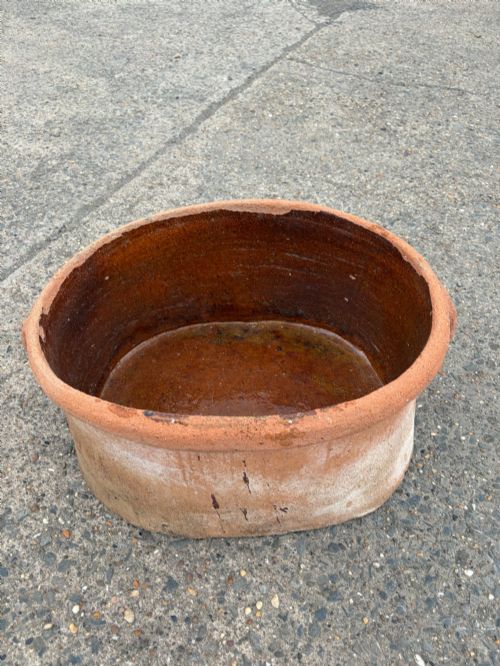
A vintage terracotta vessel is a shaped earthenware piece designed for practical storage or decorative display, spanning utility confit jars, oil containers and garden planters. When exploring a vintage terracotta vessel selection, buyers encounter items ranging from large French Provençal storage jars to English salters and Mediterranean oil pots. The majority originate from nineteenth-century European and Asian traditions, grouping functional domestic items alongside garden urns and decorative vases.
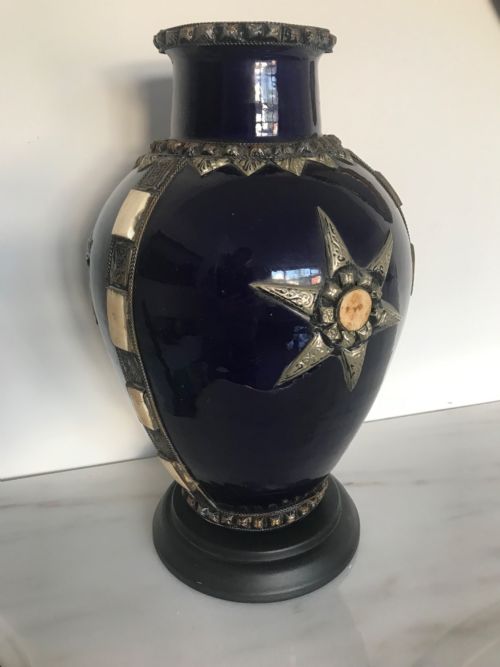
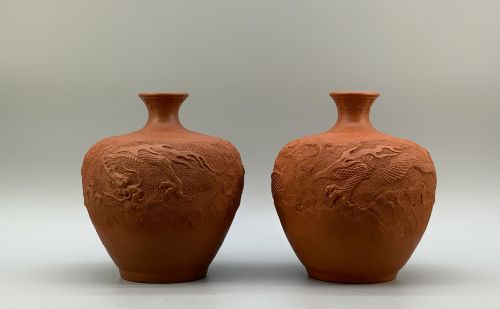
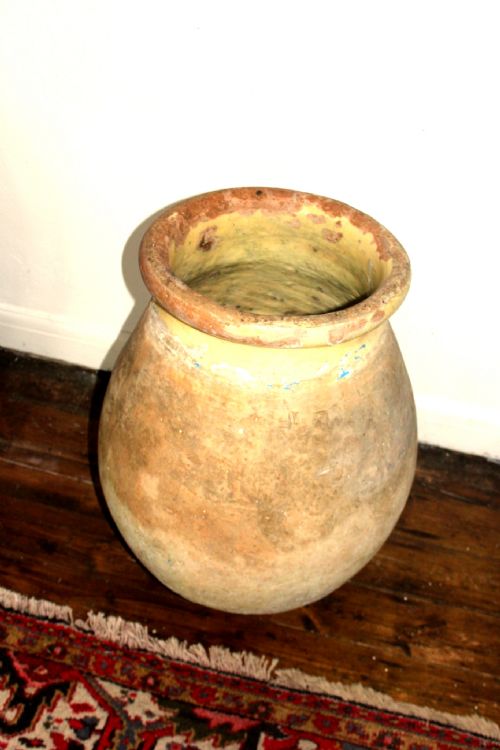
Forms reflect traditional uses, including three-handled olive jugs, large oil jars and handled tavern jugs made from clay. Pieces span diverse stylistic origins such as French Provincial, Moroccan, Japanese Meiji and rustic vernacular designs. The collection gathers earthenware alongside stoneware, porcelain and faience, uniting them through their earthen medium and historic utility.
Assessing quality
Quality rests in the harmony of the thrown form, the depth and stability of any glaze, and the character of the surface patination accumulated over time. Superior examples display balanced proportions, confident potting and purposeful handling that survive from utilitarian origins without losing structural integrity.
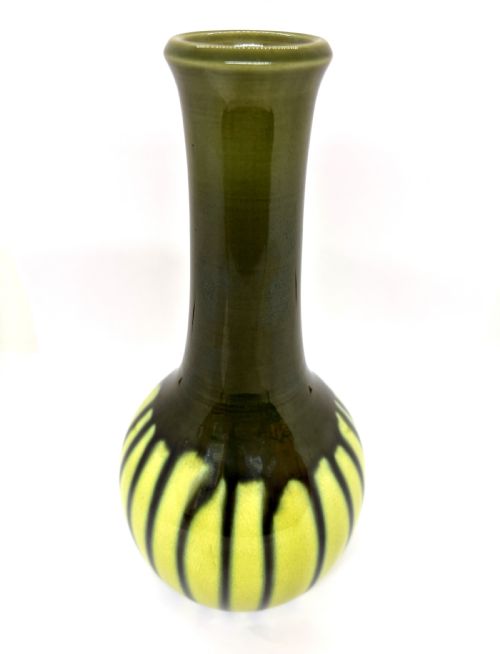
The distinction between ordinary utility items and finer decorative pieces often lies in the sophistication of surface treatment, whether through controlled green or blue glazes, painted details, or applied sculptural elements. Honest wear and aged patinas contribute positively when they reflect genuine historical use rather than artificial distress.
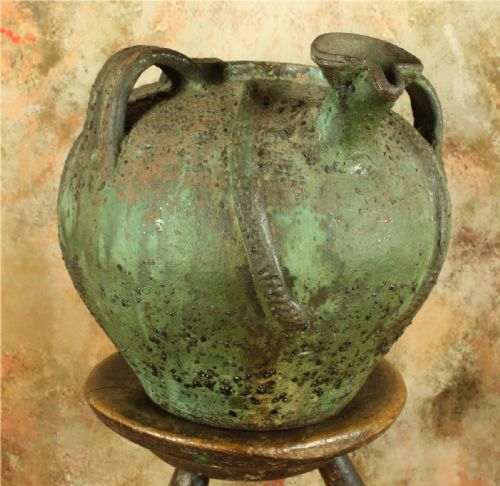
One historic French oil jar arrived bearing three sturdy handles, proving that sharing the heavy lifting was a group project.
Burmantoft's Pottery·Cantagalli
The Vintage Terracotta Vessel Glossary
- Terracotta
- A porous, unglazed or glazed fired earthenware clay typically reddish-brown in colour. It forms the primary material for historic storage jars and garden planters.
- Confit pot
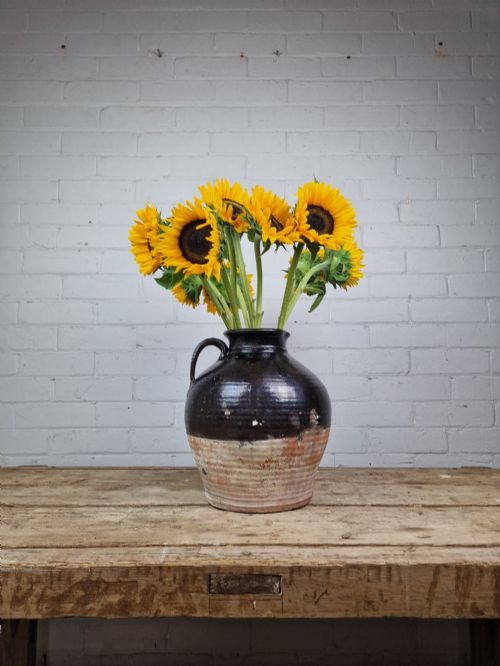
- A traditional French earthenware jar featuring a glazed interior and often an unglazed lower body, historically used for preserving meat. These pieces frequently display rich aged patinas.
- Slipware
- Pottery decorated with slip, which is liquid clay applied to the vessel body before firing. This technique creates contrasting patterns and linear designs.
- Faience
- Tin-glazed earthenware decorated with painted colours over an opaque white background. It offers a refined decorative surface compared to standard utilitarian terracotta.
- Stoneware
- A dense, vitrified pottery fired at high temperatures until non-porous. It provides robust durability for heavy culinary and storage vessels.
Vintage Terracotta Vessel: Frequently Asked Questions
What is a vintage terracotta vessel used for?
These items originally served practical domestic roles such as storing oil, wine, olives and dairy or preserving food in large confit pots and crocks.
Today, collectors utilise them primarily as decorative floor urns, garden planters, or striking interior focal points that bring texture and history to living spaces.
How do I care for a vintage terracotta vessel?
Porous terracotta requires careful placement, particularly if kept outdoors where freezing temperatures can cause moisture inside the unglazed clay to expand and crack the walls.
Keep them dry indoors and line them with protective inner containers if using them to hold water and fresh flowers.
How can I tell the age of a terracotta pot?
Age is typically indicated by hand-thrown irregularities, tool marks, historic wear patterns, and the natural accumulation of surface patination over decades of use.
Material composition, glaze characteristics, and regional potting traits also help align pieces with nineteenth-century or earlier periods.
Are these vessels waterproof?
Many historic pieces feature internal glazing specifically intended to hold liquids safely for storage and transport, such as oil jars and confit pots.
However, unglazed terracotta remains porous and will slowly seep moisture, meaning surfaces beneath them require protection.