


Vintage Tea Chest
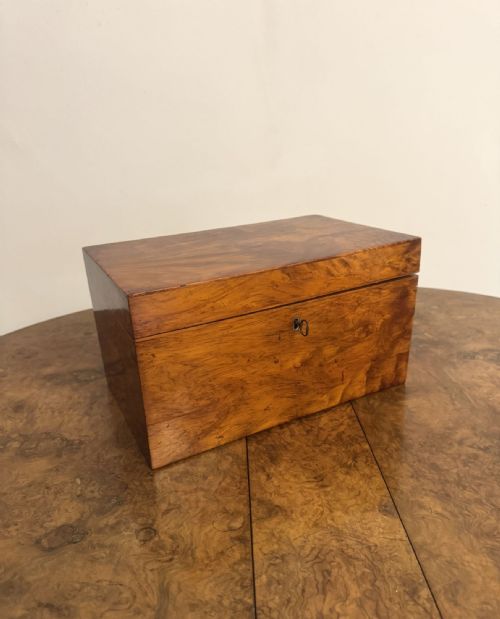
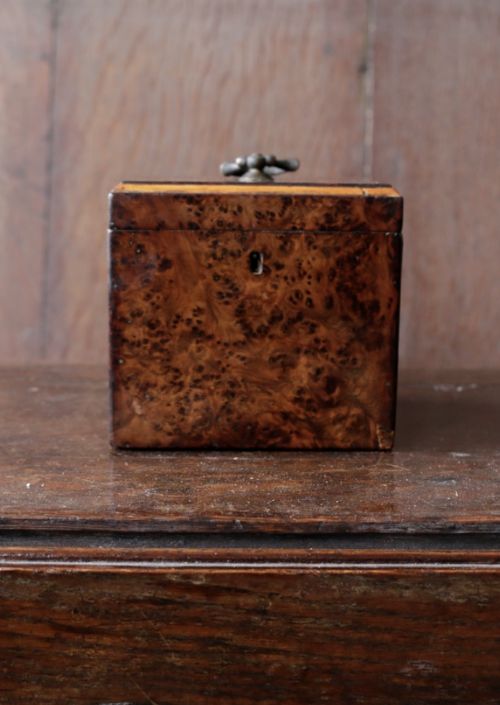
These vintage tea chest examples, mostly taking the form of antique tea caddies, offer a glimpse into domestic history and hold dry leaves securely.
Vintage Tea Chest
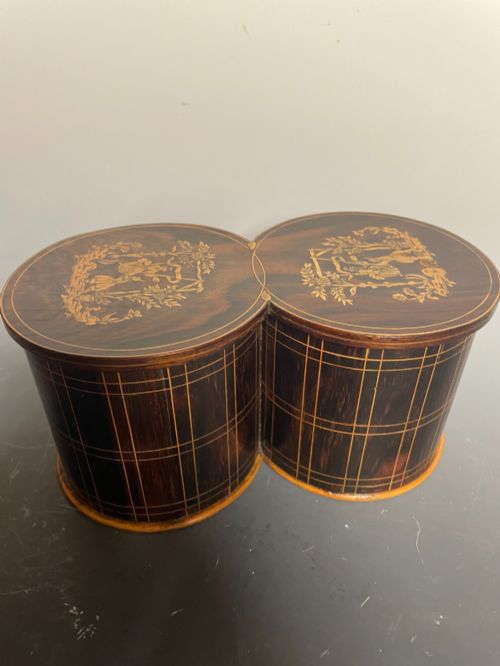
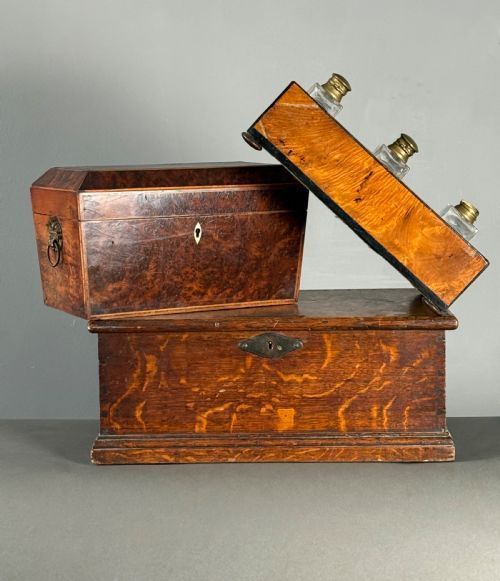
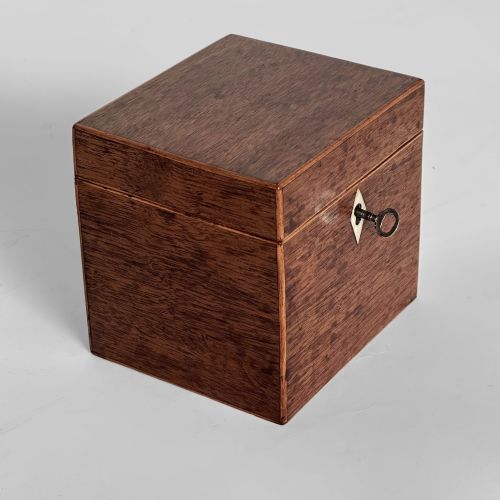
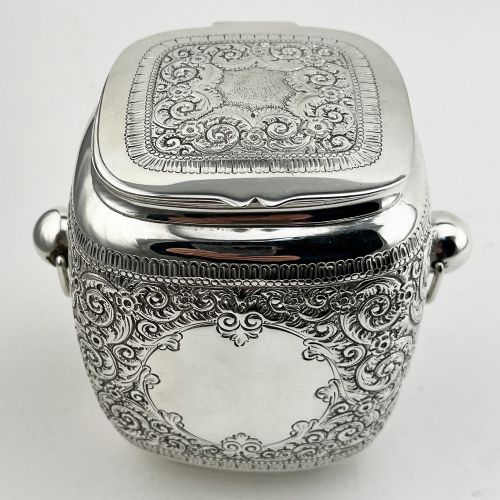
When you search for vintage tea chest, you encounter items historically designed to store loose tea leaves securely under lock and key. The selection on this page predominantly comprises wooden tea caddies and decorative boxes dating from the Georgian, Regency, and Victorian periods.
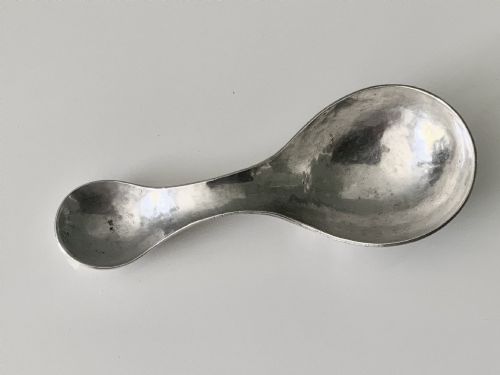
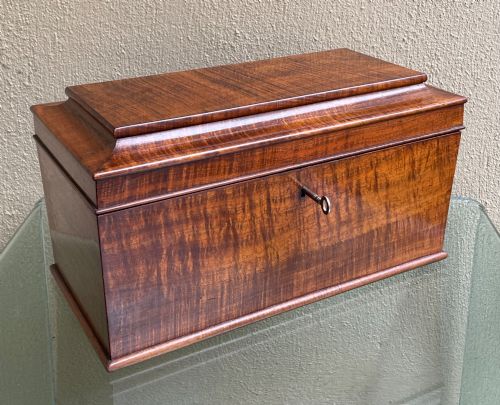
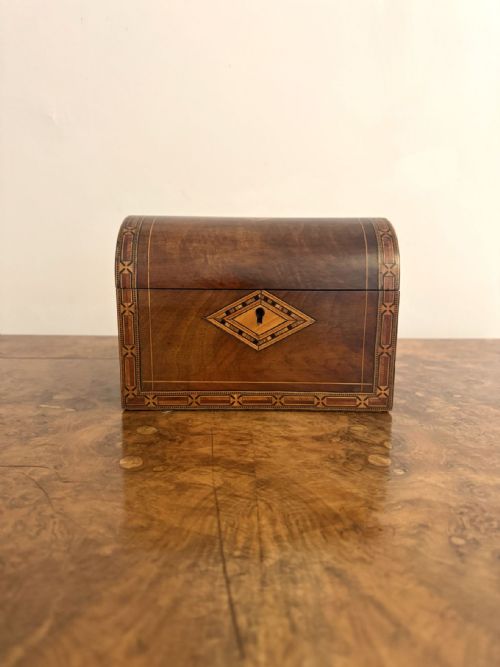
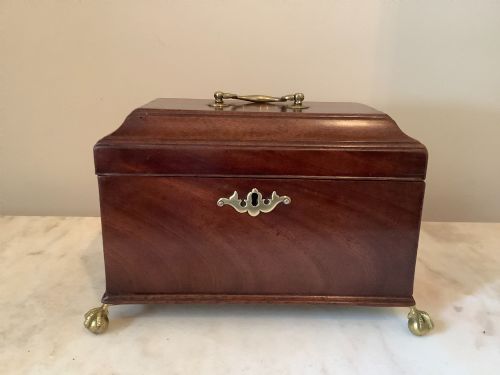
The objects span multiple forms, including rectangular mahogany boxes, dome-shaped caddies, and oval vessels finished in satinwood, walnut, or rosewood. Alongside traditional wooden cases, the range incorporates occasional pieces like caddy spoons, keepsake boxes, and even distinct travel chests from the archive.
Makers and craftsmen of the 18th and 19th centuries constructed these containers to protect expensive imported leaves from dampness and theft. Today, buyers use them as decorative mantel items or storage boxes for small household objects.
Materials and Construction
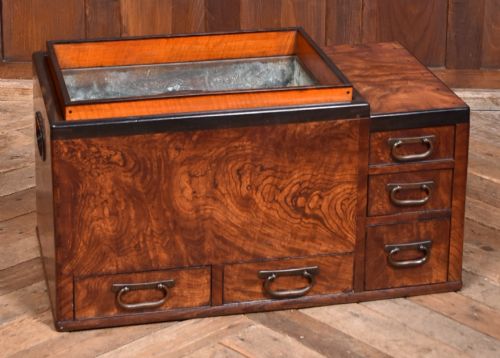
Cabinetmakers utilised dense hardwoods such as mahogany, walnut, and rosewood, often applying veneers like flame mahogany, burr yew, and burr walnut to create striking exterior patterns. Exotic woods were selected for their stability and grain beauty, forming the rigid structural carcass of each box.
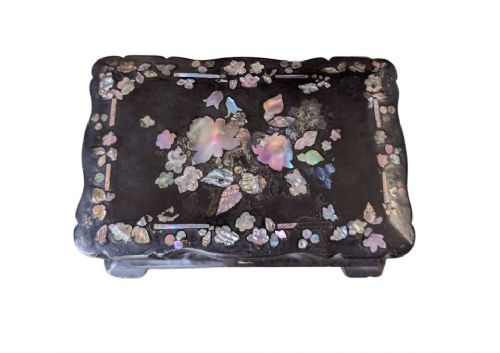
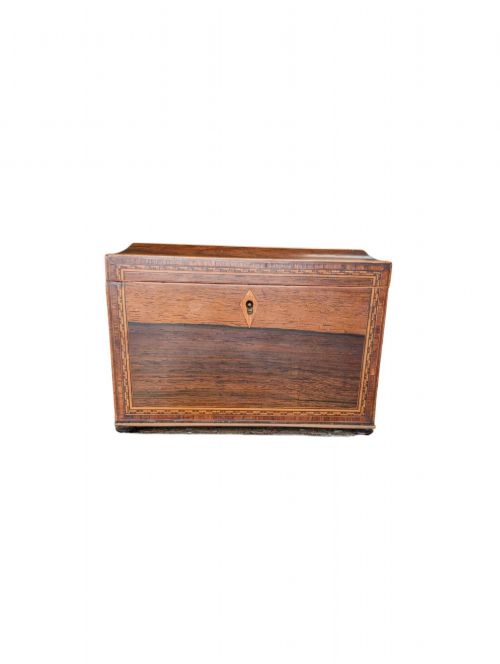
Decoration relied heavily on intricate woodworking techniques, including wood inlay, Tunbridge inlay, and stringing using lighter timbers such as boxwood and ebony. Many examples integrate contrasting materials like mother of pearl, bone, and brass stringing to accentuate the lids and escutcheons.
Vintage Tea Chest Retail Price Guide 2026
Typical asking prices for vintage tea chest among the pieces listed under this phrase on Sellingantiques today, from the lower quarter to the upper quarter. They describe what is for sale here now, not the wider market.
Markers of Quality
The standard of a tea caddy rests on the choice of timber veneer and the precision of its decorative inlays. Superior boxes display carefully matched grain patterns across the exterior surfaces and tight, clean joints in the underlying woodwork.
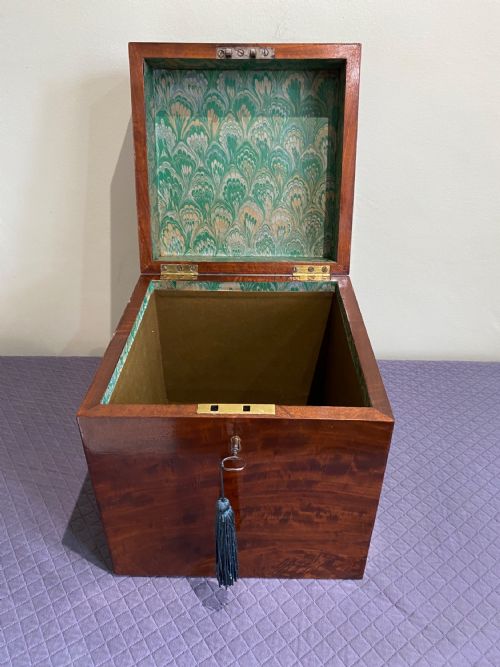
Interior architecture further distinguishes fine examples, particularly those retaining original mixing bowls, internal lids, or functional locking mechanisms with working keys. The delicacy of the applied mother of pearl or boxwood stringing indicates the skill level of the original workshop.
Martin Hall & Co·Jones Bros
The Vintage Tea Chest Glossary
- Tea caddy
- A small box or chest designed for the storage of loose tea leaves. They frequently feature internal compartments and a fitted lock.
- Tunbridge inlay
- A meticulous form of woodworking originating in Kent, creating mosaic pictures from thousands of tiny coloured wood blocks. This technique adorns specific Regency period boxes.
- Escutcheon
- A small protective plate surrounding the keyhole of a chest or box. They are typically cast in brass.
- Stringing
- A narrow strip of contrasting wood inlay used to outline the geometric panels of a box. It defines the edges of Georgian and Regency pieces.
- Burr walnut
- A prized timber harvested from the wart-like growths on walnut trees. It yields complex, swirling grain patterns highly valued by cabinetmakers.
Vintage Tea Chest: Frequently Asked Questions
What is a tea chest used for?
Historically, these containers stored valuable dry tea leaves safely away from light, moisture, and household pilfering. Wealthy households kept them locked in formal rooms.
Today, people utilise them to store jewellery, letters, or small keepsakes while displaying the decorative wood grain on tables.
How do I date a wooden tea caddy?
Dating relies on observing the timber choices, construction methods, and overall furniture style. Georgian and Regency pieces often showcase mahogany or rosewood with delicate boxwood stringing.
Later Victorian versions frequently incorporate heavier proportions, papier mâché, or extensive mother of pearl inlay work.
Did all tea caddies have locks?
Most formal tea containers featured a working lock and key because tea was an expensive, taxed commodity in the eighteenth and nineteenth centuries. Servants were generally restricted from accessing the contents.
Retaining an original key adds considerable historical interest to an antique box today.
What are internal compartments for?
Internal spaces separated different varieties of tea leaves, such as green and black teas, before blending them in a central bowl. Some boxes also included a glass or ceramic mixing bowl.
These subdivided spaces now serve well for sorting small accessories or rings.