
Georgian Caddy Box
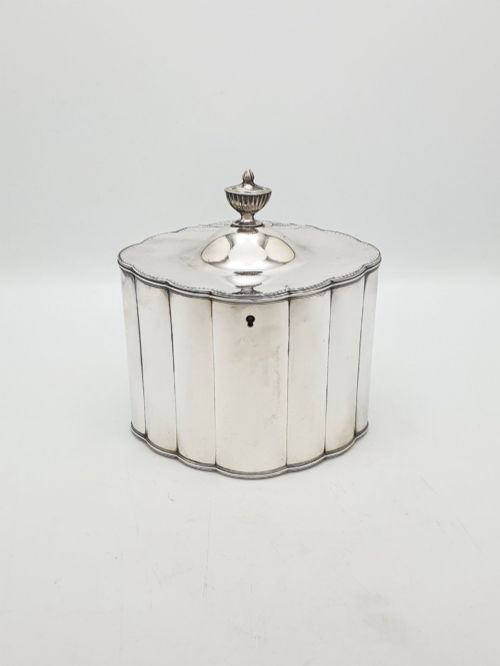
A georgian caddy box is a timber or silver chest made to store precious tea leaves, offering tactile storage for modern interiors.
Georgian Caddy Box
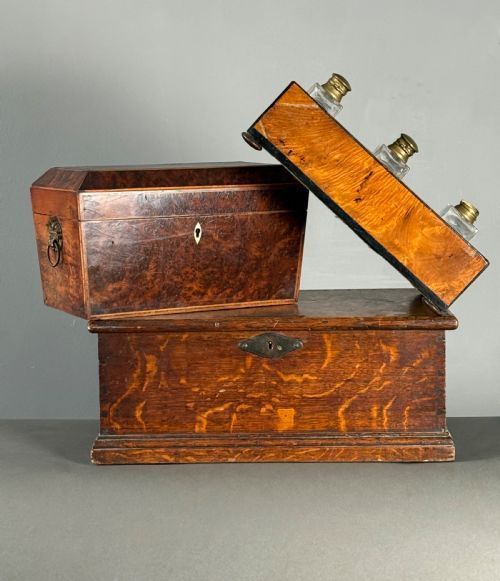
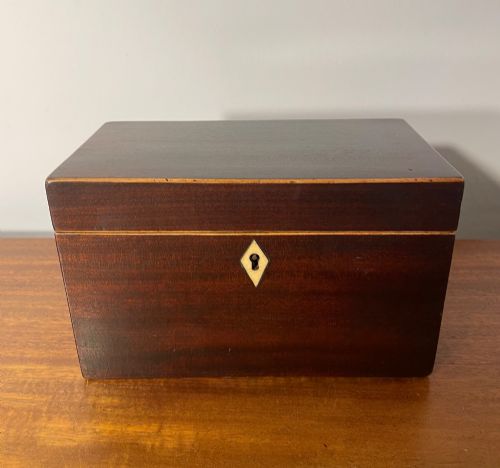
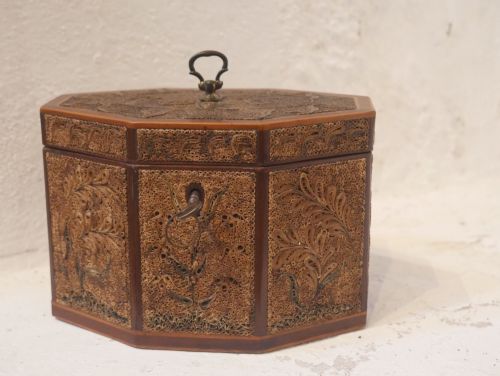
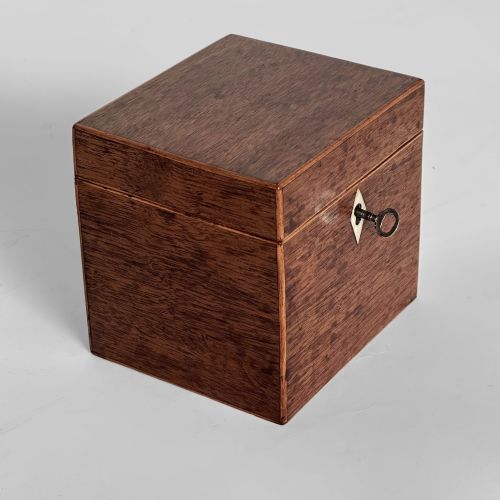
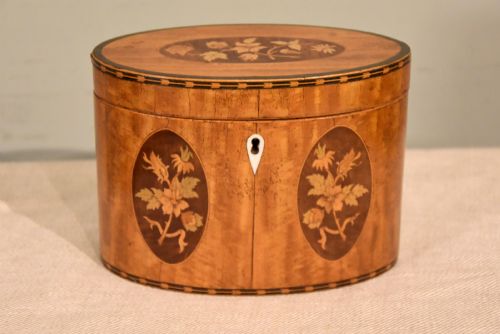
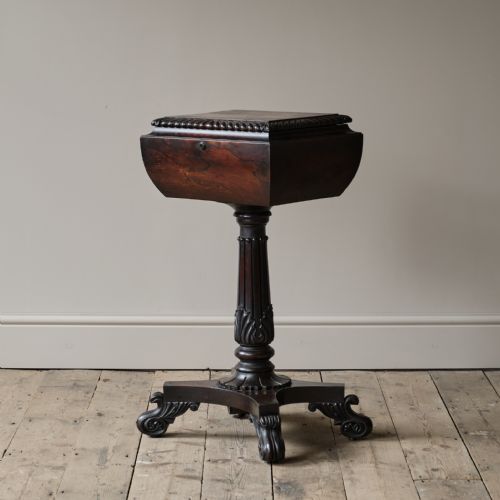
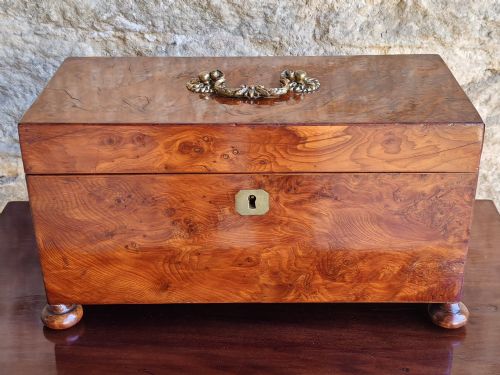
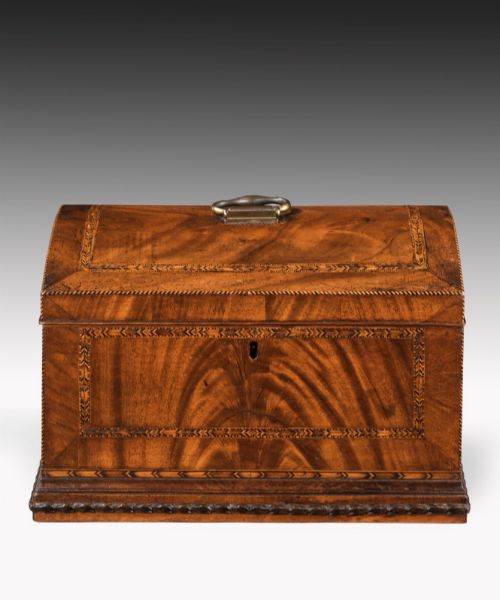
When you search for a georgian caddy box, you encounter wooden tea caddies, decorative boxes, and cellarettes originating from the eighteenth and nineteenth centuries. The majority of pieces on this page are mahogany, rosewood, or satinwood tea chests shaped as rectangles, octagons, or sarcophagi. These vessels often contain fitted interiors, mixing bowls, or secret drawers designed for domestic use.
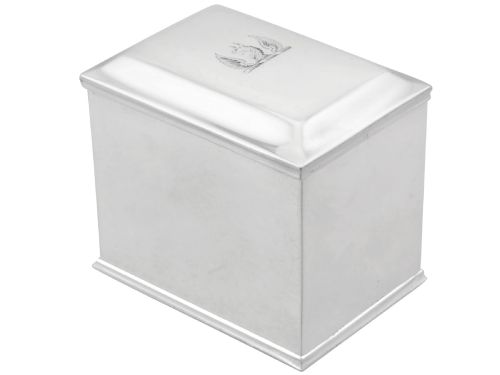
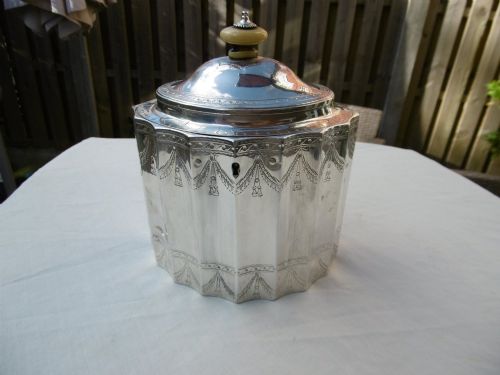
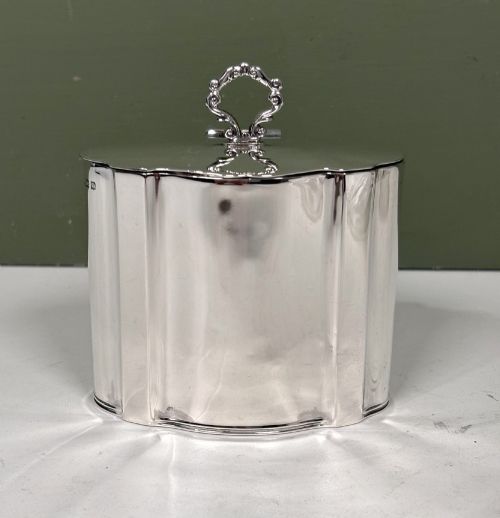
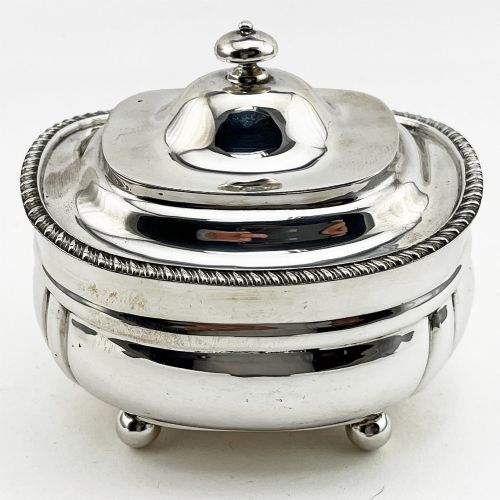
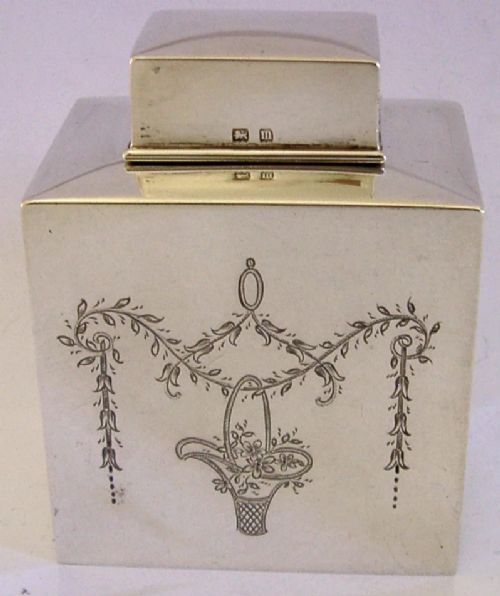
Alongside timber containers, the selection includes sterling silver caddies and snuff boxes spanning the Georgian and Regency periods. Makers utilised exotic timbers such as burr yew, padouk, and laburnum alongside brass inlay, boxwood stringing, and mother-of-pearl details. The forms range from miniature tea caddies to large floor-standing teapoys and wine coolers.
How They Were Made
Cabinetmakers constructed these boxes using dense hardwoods like mahogany, walnut, and rosewood, frequently applying veneers of satinwood, harewood, or burr yew to the exterior surfaces. Decorative contrast was achieved through fine boxwood and ebony stringing, paper filigree, quill work, and intricate Tunbridge Ware mosaic patterns. Metal elements such as brass handles, lion masks, escutcheons, and hinges provided both structural reinforcement and ornamentation.
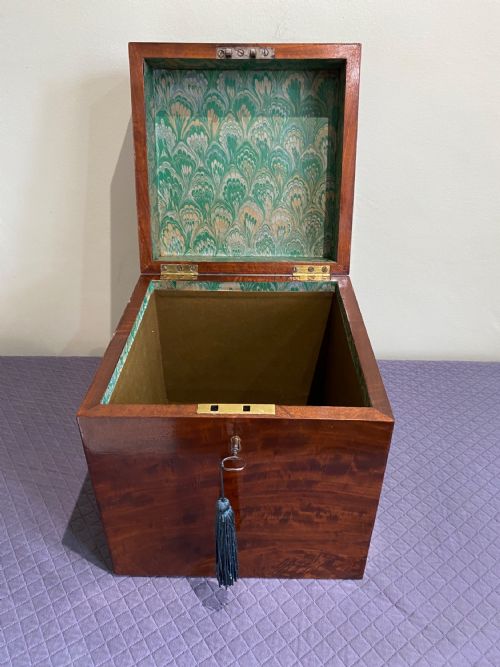
Silver caddies were produced from solid sterling silver utilising casting, hammering, and engraving techniques, as recorded in pieces by identifiable silversmiths. Internal compartments were lined with paper or fitted with secondary wooden lids to protect the stored contents from moisture and light. Many examples incorporate locks and keys, reflecting the high monetary value of tea during the period.
Several boxes contain secret drawers requiring hidden spring releases to access the compartments within.
What Varies in Quality
Quality in a georgian caddy box rests on the choice of timber figure, the precision of the stringing or inlay, and the survival of the original interior fittings. Pieces displaying dense burr veneers, matched grain patterns, or complex parquetry sit at the upper end of the range. The presence of functioning locks, original mixing bowls, and internal divided compartments elevates a piece's integrity.
The finesse of the metalwork, from cast brass handles to hand-engraved silver surfaces, distinguishes superior workshops from standard production. Construction methods such as dovetailed corner joints rather than simple butt joints indicate careful cabinetmaking. The overall proportions and crispness of the mouldings dictate the visual balance of the box.
Robert Hennell·Zimmermann·Edward Barnard And Son
The Georgian Caddy Box Glossary
- Teapoy
- A pedestal table fitted with a box top designed to hold tea canisters and a mixing bowl.
- Cellarette
- A large subterranean or floor-standing box utilised for cooling and storing wine bottles.
- Stringing
- Thin inlaid lines of contrasting wood used to create geometric borders on box surfaces.
- Escutcheon
- A decorative metal plate surrounding the keyhole of a box to prevent wear on the wood.
- Tunbridge Ware
- Small wooden items decorated with mosaics formed from thousands of tiny dyed wood blocks.
- Treen
- Small handmade wooden domestic objects produced by turning or carving.
Georgian Caddy Box: Frequently Asked Questions
What was a tea caddy used for?
Tea was an expensive commodity in the Georgian period, imported from Asia and kept under lock and key by the head of the household. The caddy stored different varieties of loose tea leaves securely.
Inside the box, separate lidded compartments kept the black and green teas distinct, while a central glass or ceramic bowl allowed the host to blend the leaves before brewing.
How do I date a wooden tea box?
Dating relies on observing the timber species, construction techniques, and decorative styles characteristic of the period. Georgian and Regency boxes frequently employ mahogany, satinwood, and rosewood with hand-cut dovetails and brass stringing.
Later Victorian and revival pieces often display machine-made elements, heavier mouldings, or contrasting finishes that differ from eighteenth-century cabinetwork.
Are all tea caddies made of wood?
While timber forms the largest category of surviving boxes, silversmiths produced solid sterling silver tea caddies throughout the eighteenth, nineteenth, and early twentieth centuries. These silver vessels were often shaped like canisters, vases, or miniature knife boxes.
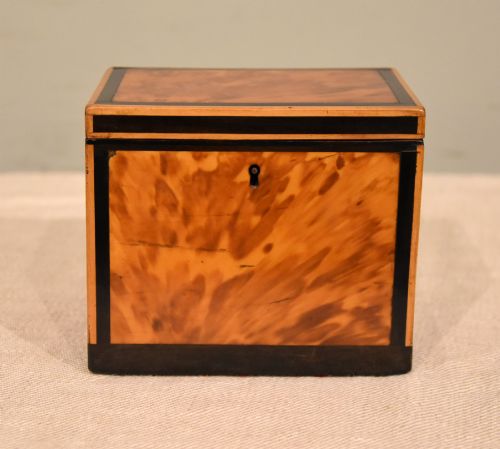
Other examples incorporate tortoiseshell, enamel, leather, or treen, reflecting diverse material preferences across different social circles.
How should I clean a antique wooden box?
Maintenance requires gentle dusting with a dry, soft cloth to prevent accumulation in carved details and stringing crevices. Avoid modern liquid polishes, water, and direct sunlight, which dry out antique veneers and fade the timber.
Application of traditional microcrystalline wax once or twice a year helps nourish the wood and protect the original surface finish.