
Mid 18th Century
Mid 18th century pieces bring the honest weight of Georgian craftsmanship into a room through rich timbers and enduring forms.
Mid 18th Century
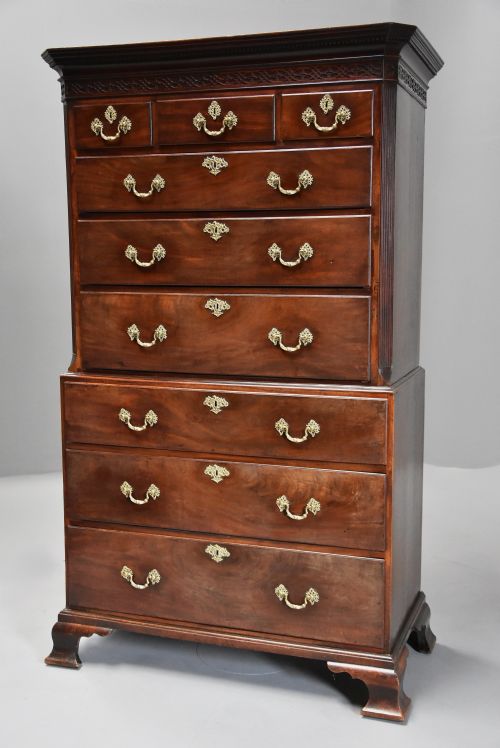
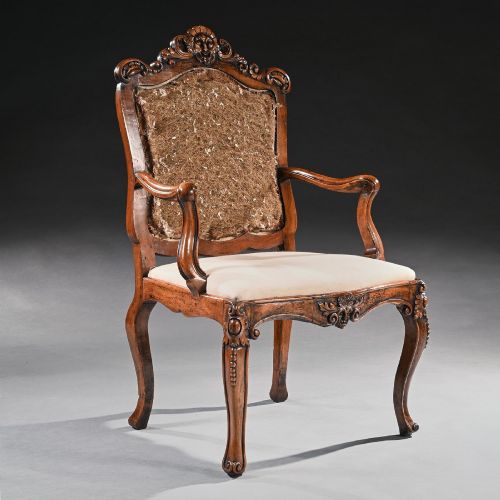
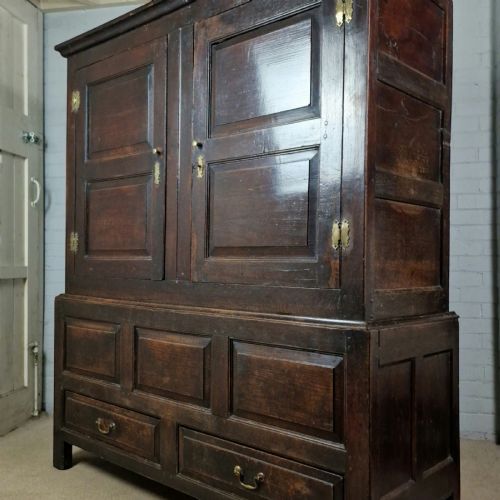
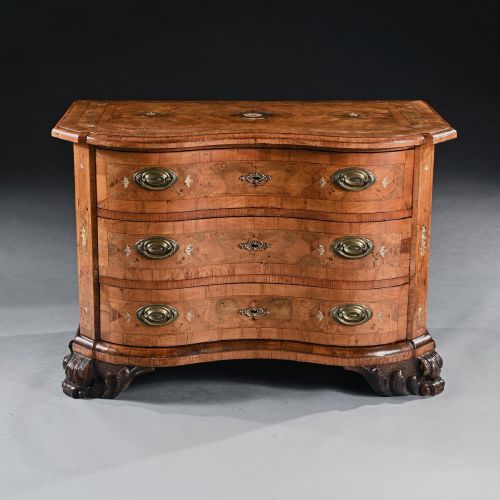
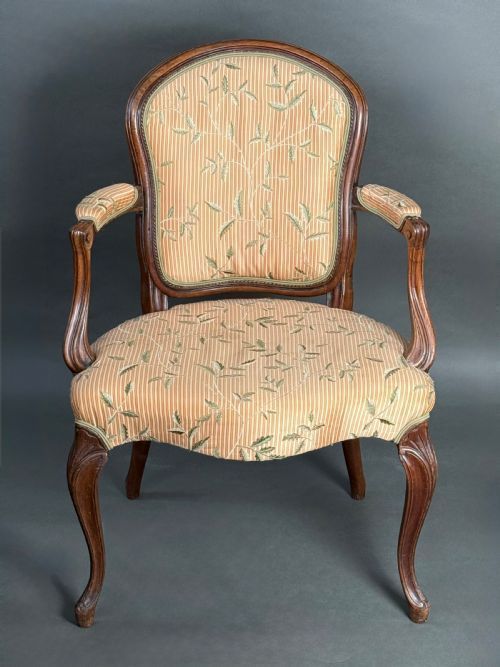
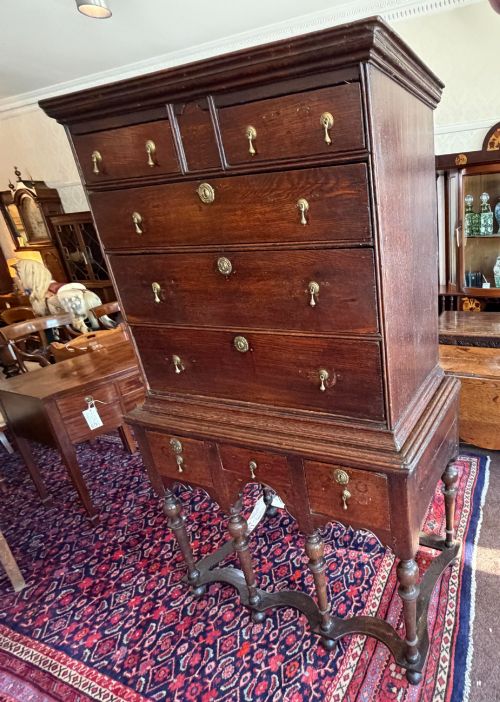
When exploring mid 18th century furniture, buyers encounter practical domestic items shaped by Georgian life, ranging from sturdy oak dressers and walnut lowboys to refined mahogany card tables and side chairs. Regional vernacular pieces in ash, elm, and bleached oak sit alongside formal case furniture and seating.
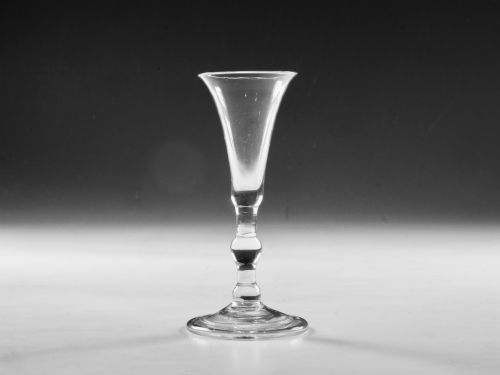
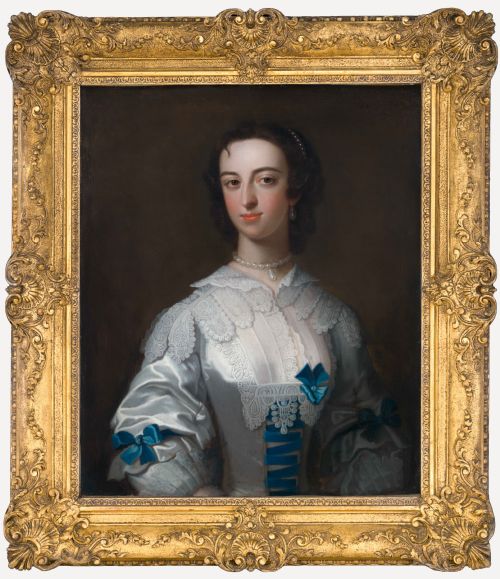
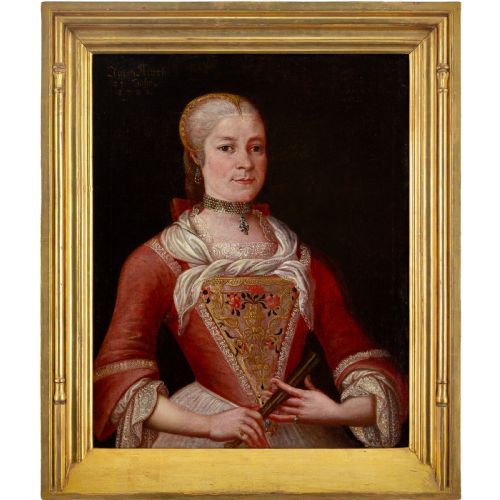
The selection frequently includes smaller occasional items like tripod tables, brass candlesticks, and drinking glasses, reflecting the refined social habits of the period. Alongside timber furniture, the listings present oil paintings, maps, and porcelain chargers from the same era.
Makers and regional workshops across England, Scotland, Ireland, and continental Europe produced these items to serve specific functional needs in the home. Surviving examples demonstrate how robust construction methods allowed everyday objects to transition into collectible antiques.
Materials and construction methods
Makers relied heavily on dense hardwoods, utilising solid mahogany, figured walnut, and durable oak for structural stability and decorative grain patterns. Secondary timbers like ash and elm appear frequently in vernacular seating and country pieces.
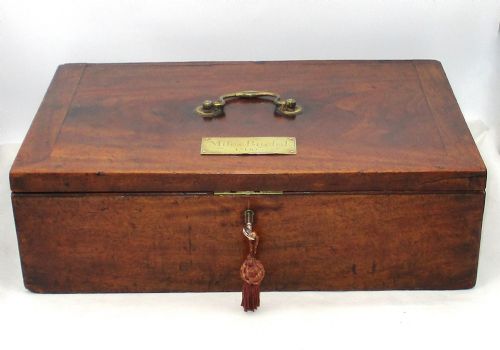
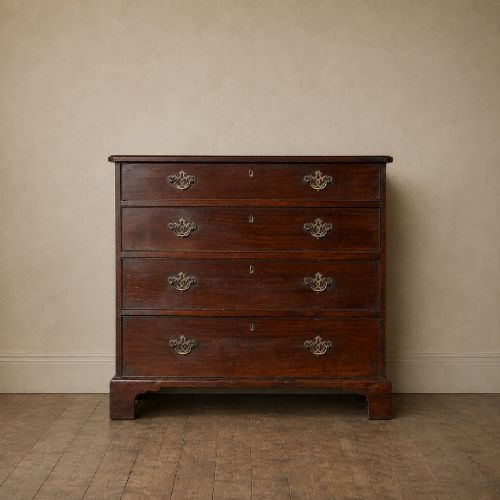
Joinery techniques involved precise dovetailing in drawers, pegged mortise and tenon frames, and turned supports for tables and stands. Brass hardware, hand-blown lead crystal, and marquetry inlays provided functional and decorative detailing across various forms.
Styles span George II, George III, and continental Rococo, reflecting diverse domestic and artistic traditions.
Assessing quality in mid 18th century items
Quality rests primarily in the choice of timber and the preservation of original surfaces, where a soft, faded patina indicates decades of gentle handling rather than modern intervention. Well-figured veneers and carefully selected solid boards distinguish finer pieces from standard utilitarian items.
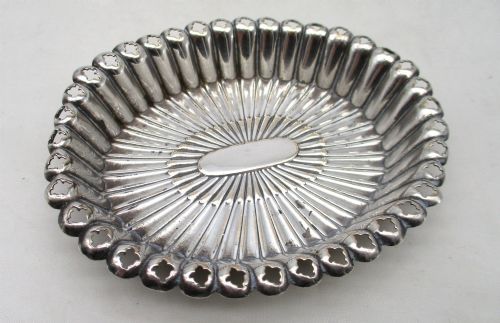
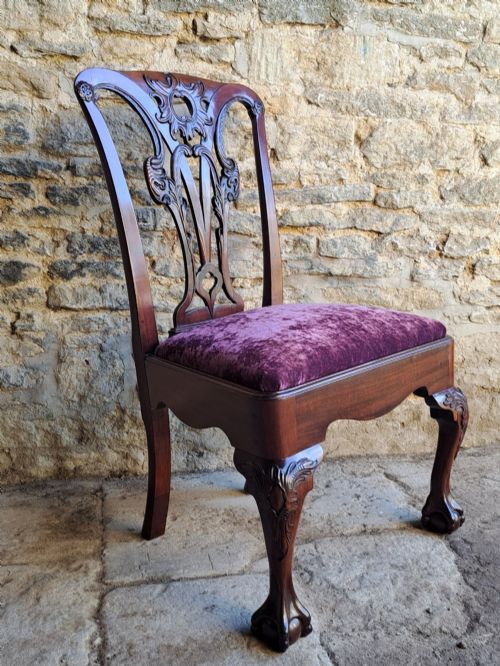
Proportion and execution of detail dictate the standing of a piece, from crisp carving on mahogany chairs to the structural integrity of a birdcage action on a tripod table. Integrity of construction, minimal structural alteration, and original brass fittings elevate the desirability of furniture and metalware.
Francis and William Brodie·Windmills and Wightman
The Mid 18th Century Glossary
- Patina
- The surface sheen and mellowing developed by wood, metal, and leather over long periods of use. It serves as a key indicator of age and honest preservation.
- Birdcage
- A timber mechanism beneath the top of a tripod table that allows the surface to tilt and revolve. This engineering feature was common on finer mid-Georgian tables.
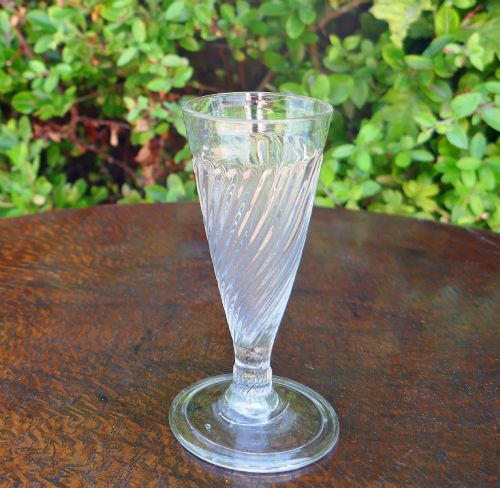
- Wrythen
- A twisted or spiral moulding pattern blown into glass vessels or drinking glasses. It creates a subtle optical texture across the body of the object.
- Cwpwrdd tridarn
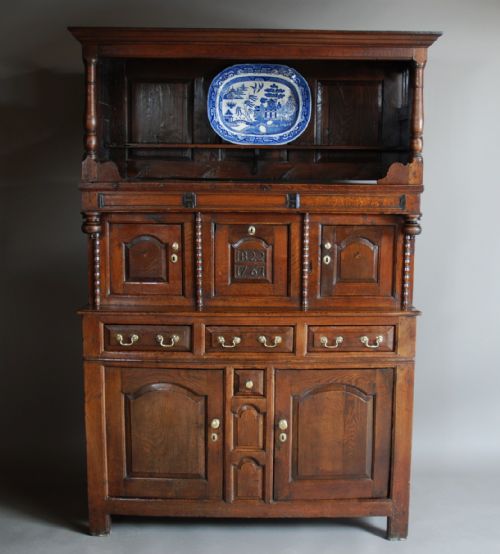
- A traditional Welsh three-tier cupboard built from oak. These substantial storage pieces feature panelled doors and open display tiers.
Mid 18th Century: Frequently Asked Questions
How do I identify a mid 18th century piece?
Examination of construction methods, timber selection, and overall design vocabulary provides the clearest indication of age. Dovetails tend to be hand-cut and narrow, while native timbers show characteristic wear patterns consistent with Georgian usage.
Comparing hardware fixings and secondary woods helps confirm the period. Surviving examples often display distinct regional traits that separate them from later nineteenth-century reproductions.
What is a lowboy used for today?
A lowboy functions effectively as a compact hallway table, a dressing desk in a bedroom, or a writing surface in a study. Its modest proportions allow it to fit easily into modern spaces without dominating the room.
Drawer space makes these tables practical for storing small everyday items while maintaining a decorative surface for lamps or ornaments.
How should I care for antique mahogany and walnut?
Timber surfaces require protection from direct sunlight and sudden temperature shifts to prevent warping and fading. Regular dusting with a soft, dry cloth preserves the finish without building up heavy wax layers.
Occasional application of traditional beeswax helps maintain the natural lustre of the wood. Avoiding excessive moisture is essential for preserving historic finishes.
What is the difference between George II and George III styles?
George II designs often retain heavy, robust proportions influenced by early baroque traditions, featuring bold carved details and pad feet. Walnut and heavy mahogany were predominant during this earlier phase.
George III pieces frequently display lighter, more refined neoclassical influences introduced by designers like Chippendale and Hepplewhite. Straight tapered legs, delicate fretwork, and sophisticated veneering characterise this later period.