

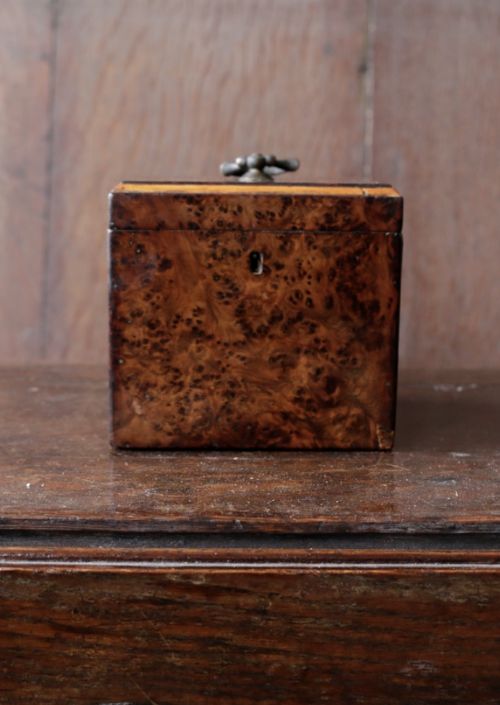


Vintage Tea Canister
A vintage tea canister preserves the leaf in style, bringing period craftsmanship and domestic history straight to the table.
Vintage Tea Canister
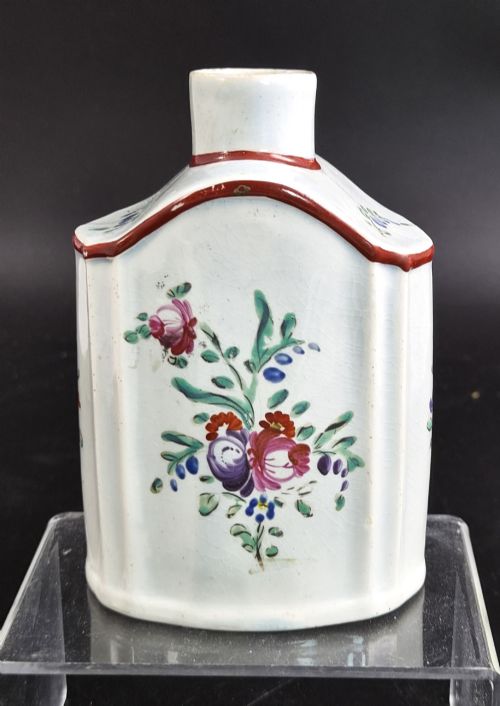
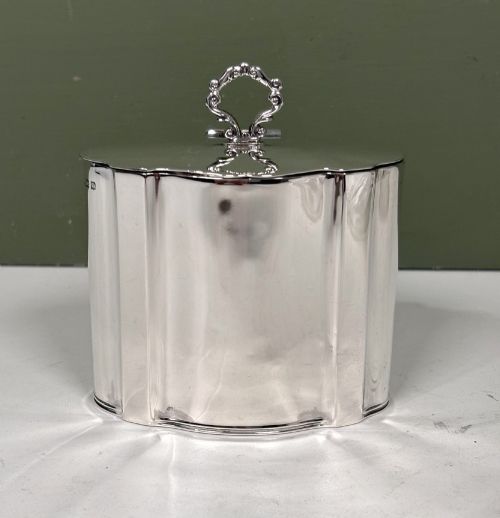
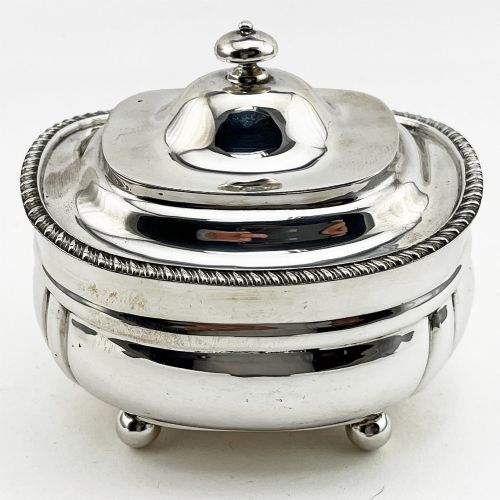
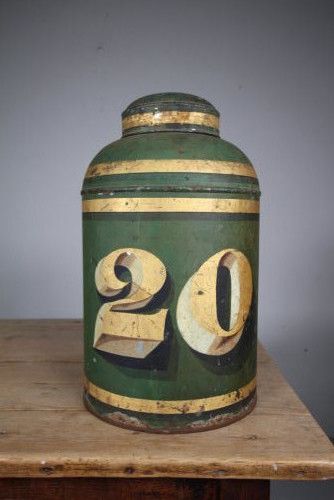
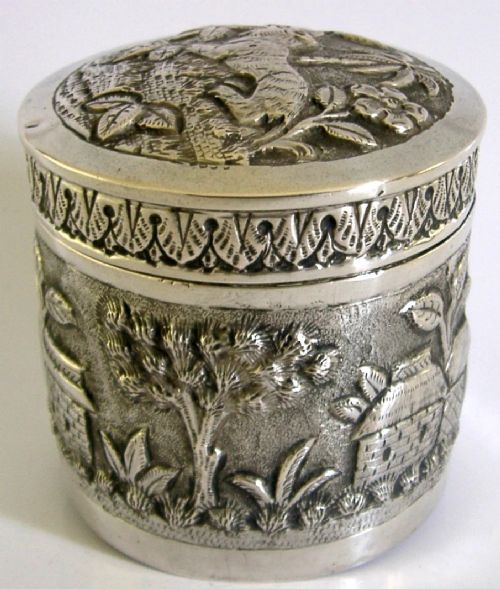
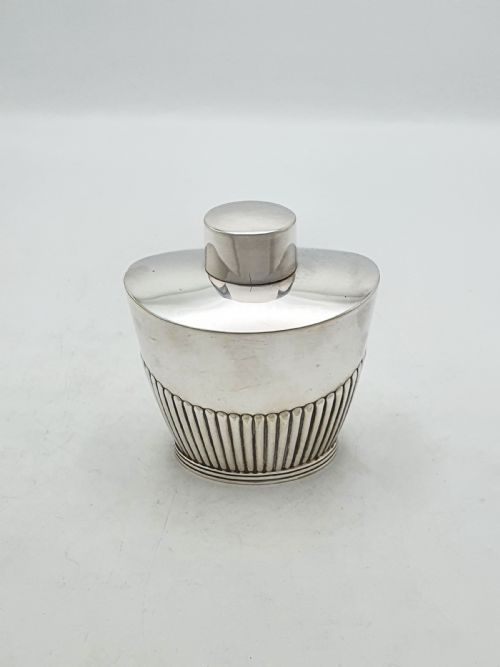
A vintage tea canister is a receptacle designed to hold and protect loose leaf tea, encompassing forms from simple metal tins to elaborate wooden caddies and silver boxes. When searching for a vintage tea canister, buyers encounter everything from Georgian and Regency timber boxes to Edwardian silver vessels and painted toleware containers.
The selections span centuries, incorporating materials like sterling silver, mahogany, burr walnut, and tinplate alongside styles such as Art Nouveau, Art Deco, and Georgian Revival. Most pieces on offer date from the nineteenth and early twentieth centuries, reflecting the enduring domestic ritual of tea storage.
Beyond standard canister shapes, the category stretches to include dual-compartment beverage cases, table lamps adapted from older vessels, and decorative tins. Each iteration serves as a tangible link to historical tea-drinking habits, combining utility with decorative presence.
Materials and methods
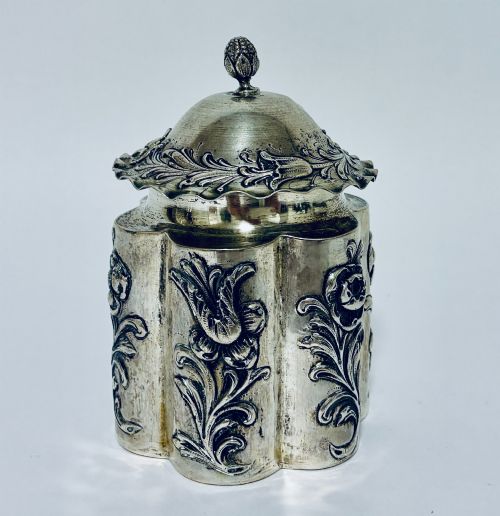
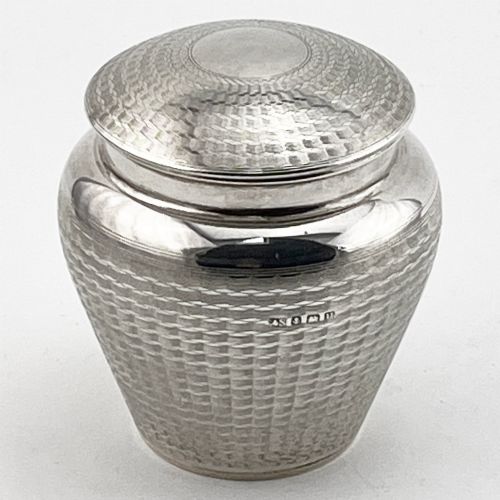
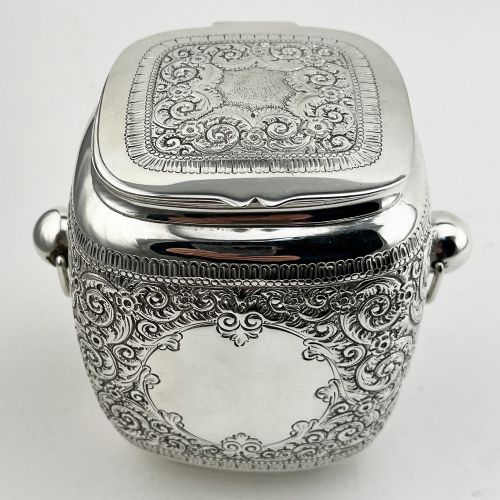
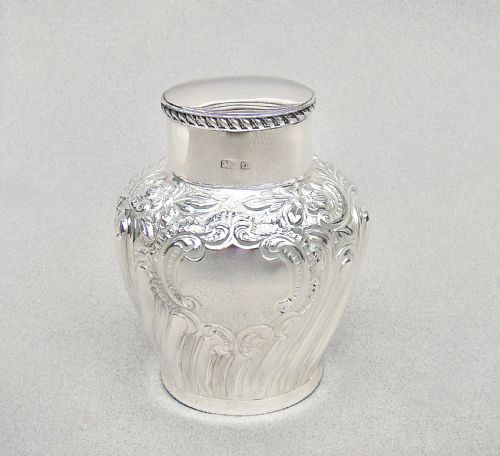
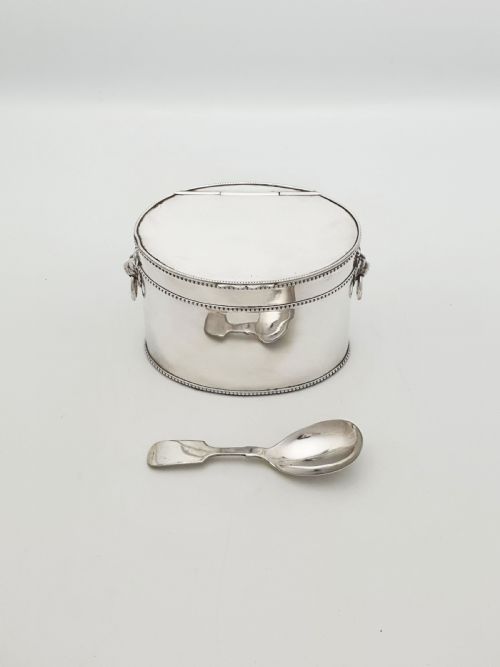
Silver canisters and boxes take shape through silversmithing techniques such as stamping, repoussé, and piercing, often hallmarked to record city and year. Makers combined sterling silver and silver plate with glass inserts and lion mask handles.
Wooden examples rely on cabinet-making traditions, utilising dense timbers like mahogany, burr yew, walnut, and maple. Artisans applied decorative treatments including ebony inlay, paint, and polished finishes to highlight the natural grain.
Metal vessels also include toleware and tinplate, formed and painted with pigments to create durable containers. Interiors frequently retain traces of foil lining or fitted metal canisters designed to seal in aromatics.
Vintage Tea Canister Retail Price Guide 2026
Typical asking prices for vintage tea canister among the pieces listed under this phrase on Sellingantiques today, from the lower quarter to the upper quarter. They describe what is for sale here now, not the wider market.
Biscuit tins masquerading as books provided Victorian households with a clever way to hide sweet treats among the library volumes.
Assessing quality and merit
Quality rests in the integrity of construction, from the tight fit of a wooden lid to the crispness of chased detail on silver. Superior timber pieces display well-matched burr veneers and intact internal compartments, whereas lesser examples show clumsy repairs or replaced hardware.
The weight of the metal and the clarity of the maker marks distinguish high-grade silver canisters from simpler plated wares. Artisanal skill appears in the precision of inlay work and the balanced proportions of handles and feet.
Martin Hall & Co·Thomas Hayes·Mappin & Webb·William Hutton·Ernest Druiff & Co·Huntley & Palmers
The Vintage Tea Canister Glossary
- Toleware
- Painted or lacquered metalware, typically tin or iron, popular for decorative domestic containers. These pieces often feature hand-painted floral motifs or coloured grounds.
- Caddy spoon
- A short-handled spoon specifically sized to measure loose tea leaves from the canister. They frequently match the metalwork of the accompanying silver caddy.
- Burr veneer
- Thin slices of wood taken from a tree growth or burl, prized for swirling, knotty grain patterns. Cabinet-makers applied them to the exterior surfaces of high-status tea containers.
- Hallmark
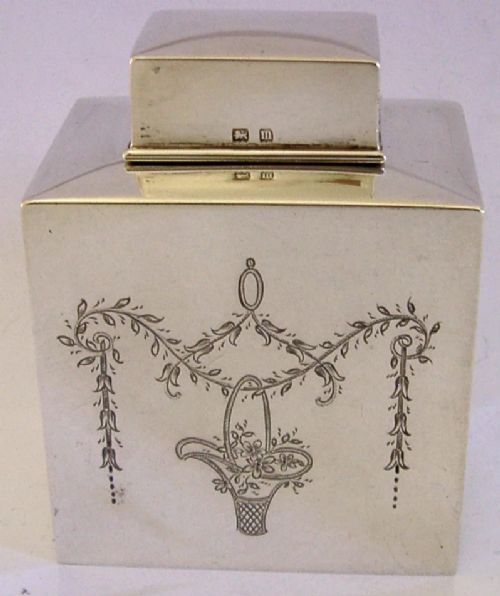
- An official stamp applied to precious metals indicating purity, maker, assay office, and year of testing. These marks provide definitive evidence of age and origin for silver pieces.
- Dual-compartment
- A tea container layout featuring two internal sections, traditionally used to store green and black teas separately. Dividers or separate lids keep the distinct leaves fresh.
Vintage Tea Canister: Frequently Asked Questions
What is the difference between a tea canister and a tea caddy?
Historically, a tea caddy referred to a larger box housing one or more smaller canisters or mixing bowls, while a canister held the leaf directly. Over time, the terms became interchangeable among collectors.
Today, listings use both names to describe lidded vessels intended for leaf storage, regardless of whether they originally sat inside a larger master box.
How do I date a silver tea container?
Silver pieces generally carry hallmarks that reveal the assay office, standard of metal, and a specific date letter corresponding to the year of manufacture. Examining these stamps provides a precise timeline.
Unmarked pieces or those made from wood and tin require stylistic analysis, looking at decorative motifs, construction methods, and cabinet-making trends to determine the period.
Are wooden tea canisters still airtight?
Most antique wooden canisters no longer provide an airtight seal due to natural wood movement and shrinking over the centuries. They function best as decorative objects or for storing pre-packaged items.
Silver and metal canisters often retain tighter lids, but worn hinges or dents can still compromise their ability to keep modern loose leaf tea fresh for long periods.
Why do some tea caddies have glass interiors?
Crystal or cut glass inserts protected the metal or wood exterior from moisture and staining caused by damp tea leaves. They also allowed owners to view the remaining contents easily.
These glass liners were removable for washing, ensuring the storage vessel remained clean between different blends of tea.