
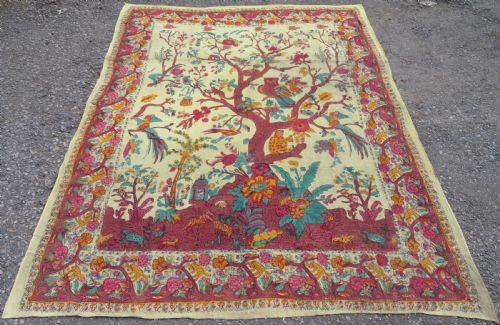
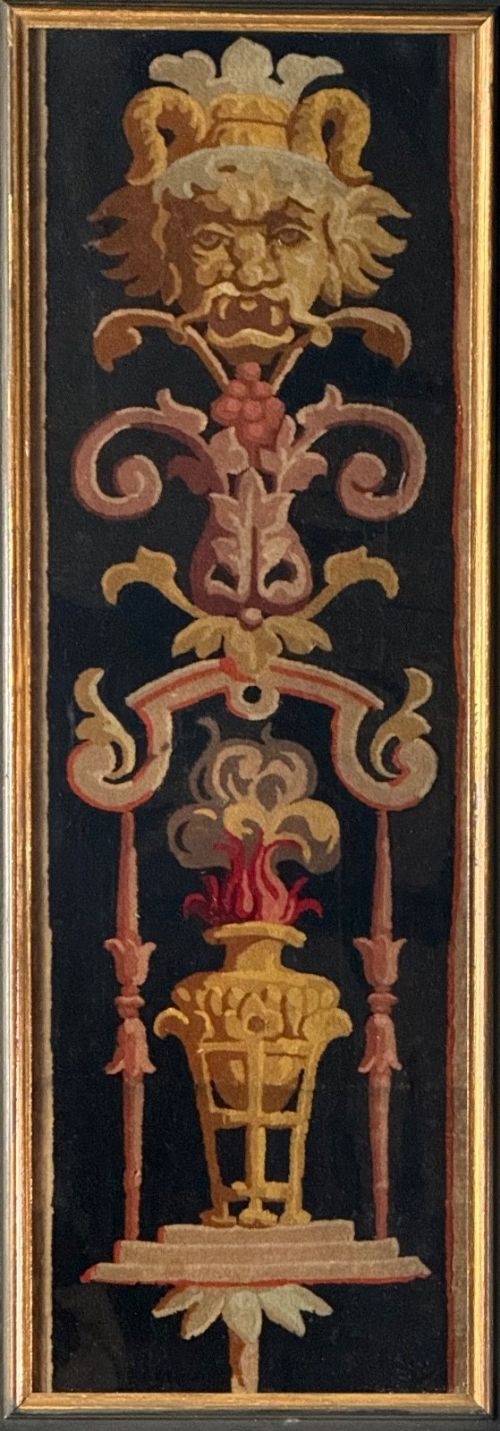

Vintage Tapestry Panel
A vintage tapestry panel brings centuries of hand-stitched narrative and rich textile art directly to your wall.
Vintage Tapestry Panel
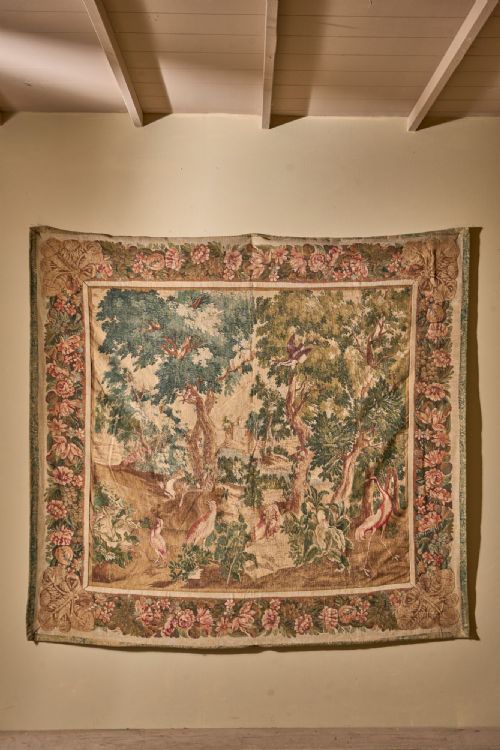
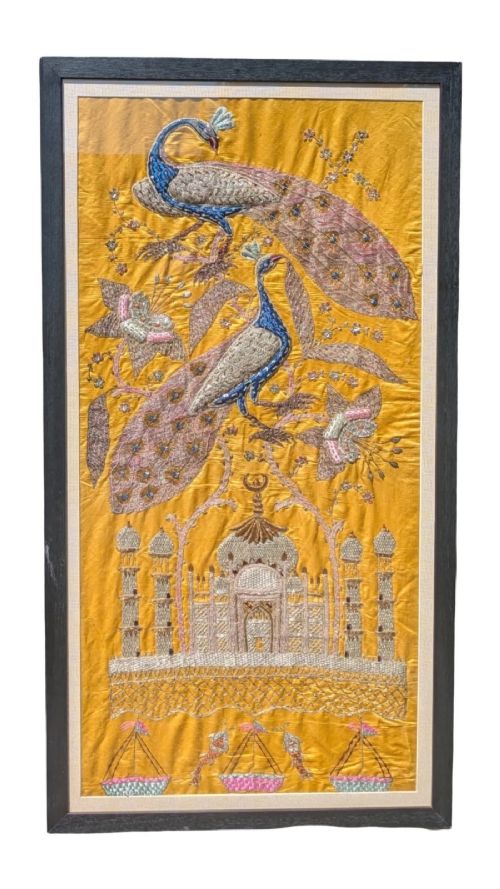
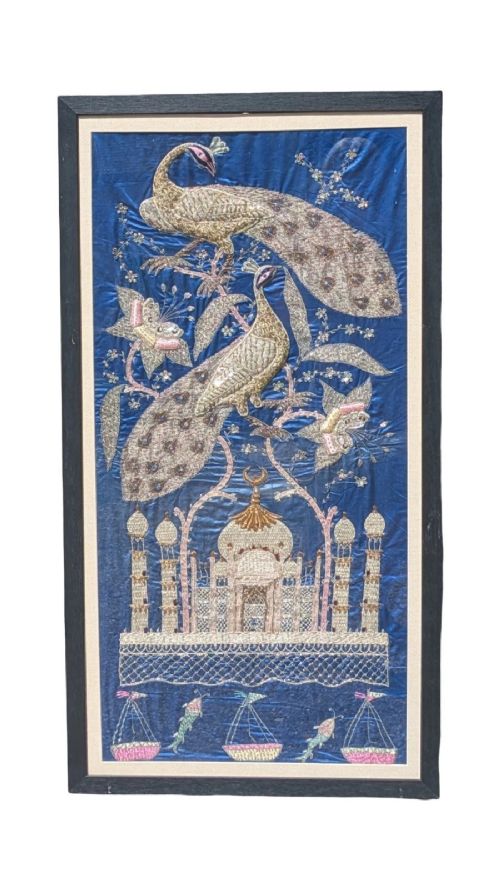
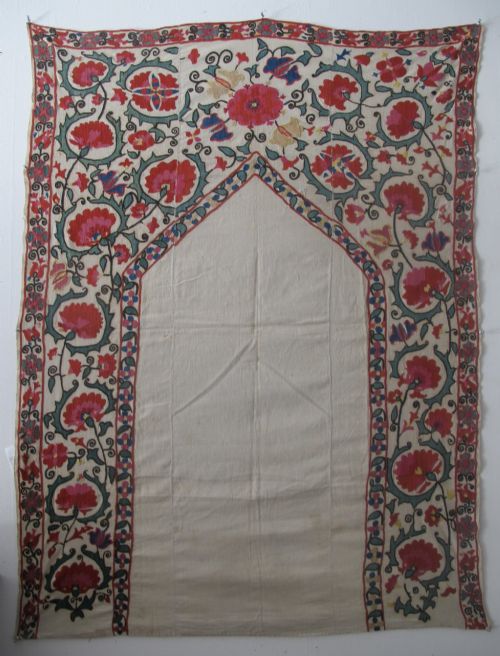
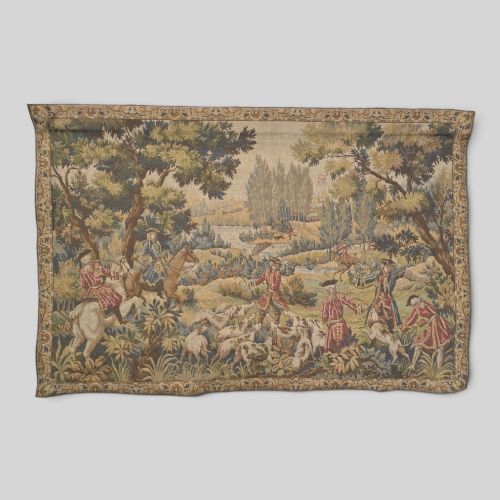
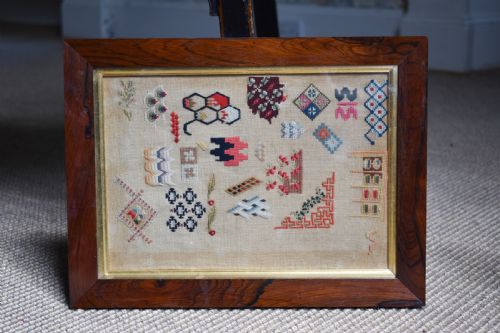
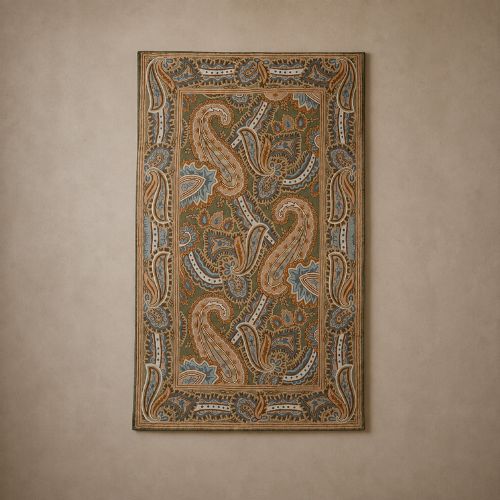
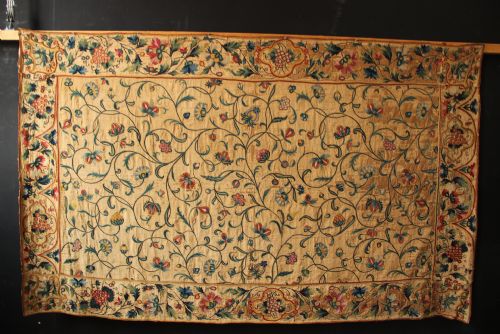
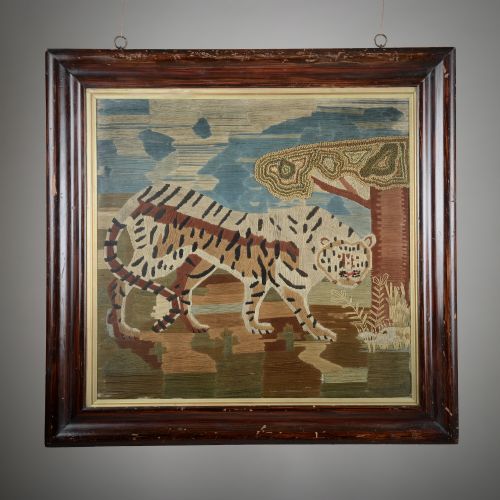
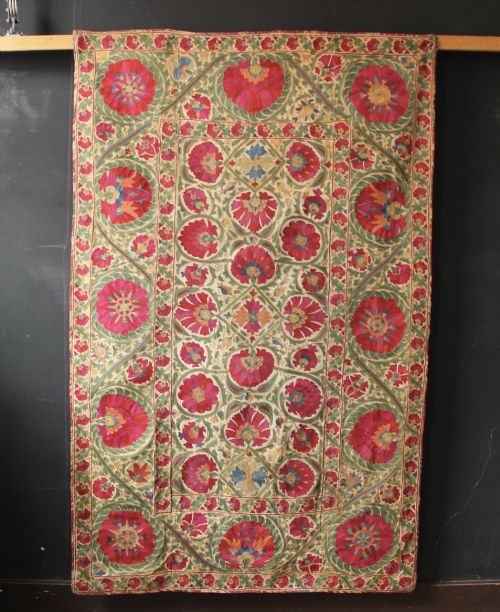
When you search for a vintage tapestry panel, you meet woven wall hangings, framed needlework pictures, and embroidered fragments spanning from the seventeenth century through the early twentieth century. These textiles encompass European needlepoint, French verdure scenes, English crewelwork, and Central Asian suzanis or asmalyks designed for interior display. Most examples found here originate from European workshops or Central Asian traditions, serving as focal points for residential interiors.
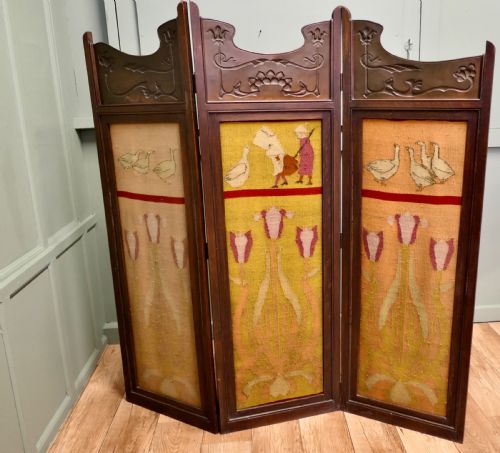
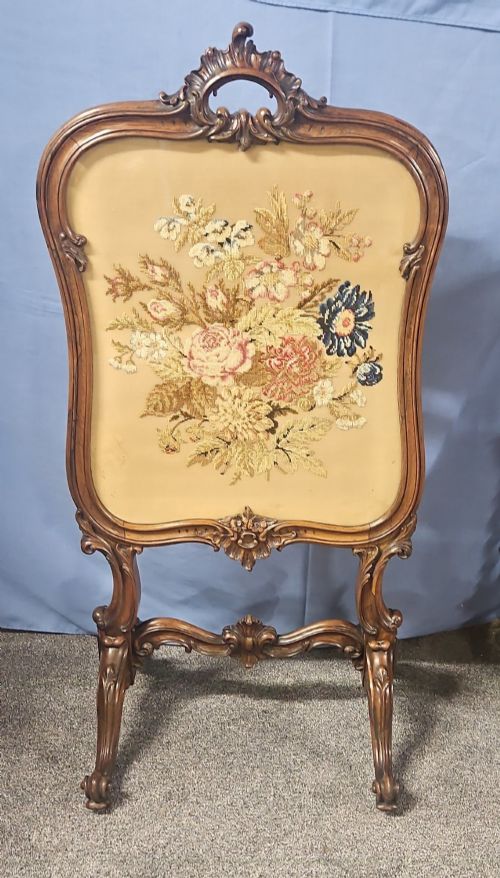
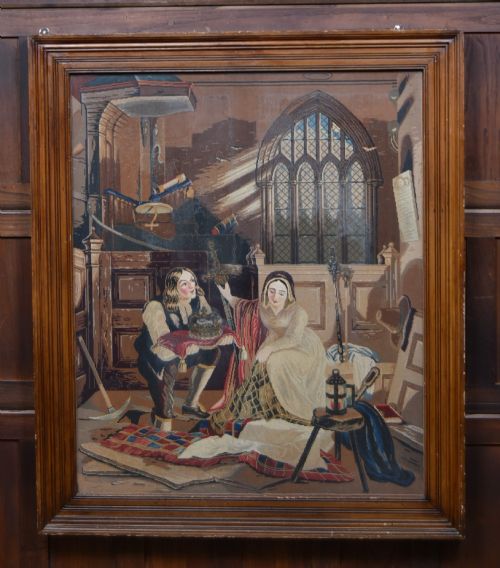
The selection ranges from large nineteenth-century wall hangings and medieval-style compositions to smaller framed beadwork fragments and seventeenth-century Flemish panels. Many pieces function as independent textile art, while others integrate into antique furniture like folding screens or armchairs. Buyers choose these panels to introduce historical depth, texture, and complex coloration into domestic spaces.
How they were made
These works rely on natural fibres including silk, wool, linen, and cotton, often worked onto canvas, linen, or felt grounds using specialised embroidery and weaving techniques. Artisans deployed wool and silk threads for crewelwork, needlepoint, and intricate suzani embroidery, achieving dense pictorial surfaces through sustained manual labour.
Structural framing sometimes incorporates wood and glass to protect fragile textiles, while backing linen provides stability for fragmented antique borders and panels. Certain items combine copper and oak woodwork with naive wool panels, uniting textile craft with cabinetry.
Available forms range from wall hangings and framed textiles to folding screens and open armchair panels.
What varies in quality
Quality rests upon the density of the stitching, the complexity of the design, and the survival of the original material fibres. Fine crewelwork and silk-on-silk embroidery demonstrate superior execution through intricate detail, controlled colour palettes, and precise needle control.
The integrity of the textile foundation dictates the overall standard, distinguishing complete historical panels from fragile fragments mounted onto supporting linen. Masterful composition and clarity in figurative depictions or architectural motifs elevate individual examples above standard decorative items.
The Vintage Tapestry Panel Glossary
- Suzani
- Large embroidered tribal wall hanging originating from Central Asia, traditionally worked in silk on a cotton or silk foundation. These pieces often exhibit bold sunburst or floral roundel motifs.
- Verdure
- Tapestry type depicting lush foliage, trees, and landscape elements, frequently populated by birds or animals. French and Flemish examples from the seventeenth and eighteenth centuries commonly use this imagery.
- Asmalyk
- Pentagonal or hexagonal dowry trapping produced by Turkmen tribes, used for camel decoration and later adapted for wall display. They showcase geometric Central Asian patterns.
- Needlepoint
- Embroidery stitched onto a stiff open-weave canvas ground, covering the entire foundation to form a dense pictorial surface. Victorian and earlier European screens frequently incorporate this work.
- Gros-point
- A coarse type of needlepoint stitch executed on heavy canvas, creating durable surfaces with bold visual impact. It appears frequently on nineteenth-century figurative panels.
Vintage Tapestry Panel: Frequently Asked Questions
How do I hang a fragile vintage tapestry panel?
Mount the textile on a padded wooden batten using conservation-grade Velcro or a gentle stitched sleeve method. Avoid piercing delicate silk or wool grounds directly with nails or heavy hardware.
Ensure the weight distributes evenly across the entire upper border to prevent distortion of the weave over time. Keep the hanging away from direct sunlight to protect natural dyes from fading.
How do I clean an antique embroidered textile panel?
Surface dust should be removed very gently using low suction through a mesh screen, avoiding direct contact with loose threads. Professional textile conservators should handle any deeper cleaning or washing.
Water can destabilize historic dyes and weaken brittle silk or wool fibres, leading to permanent shrinkage or loss. Preventative care relies on dry dusting and stable environmental humidity.
What is the difference between a tapestry and embroidery?
Tapestries are woven on a loom where the design builds directly through the interlacing of warp and weft threads during creation. Embroidery involves stitching decorative threads onto an already completed woven foundation fabric.
Both categories appear frequently in historical interiors, though needlework pictures and suzanis rely on embroidery techniques rather than loom weaving. Understanding this distinction helps identify the specific construction methods used by the maker.