
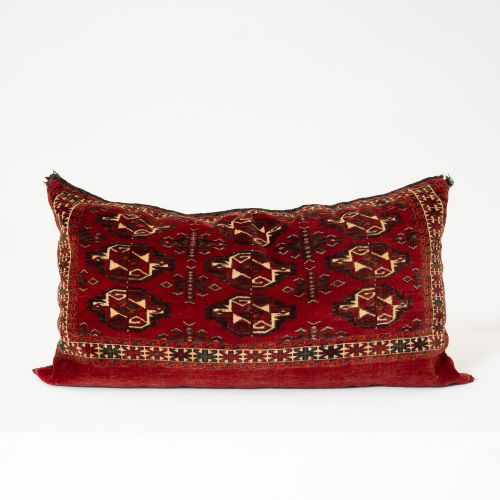


Antique Pillow Cover
An antique pillow cover transforms historical textiles, tribal fragments and discarded storage bags into functional soft furnishings for the home.
Antique Pillow Cover
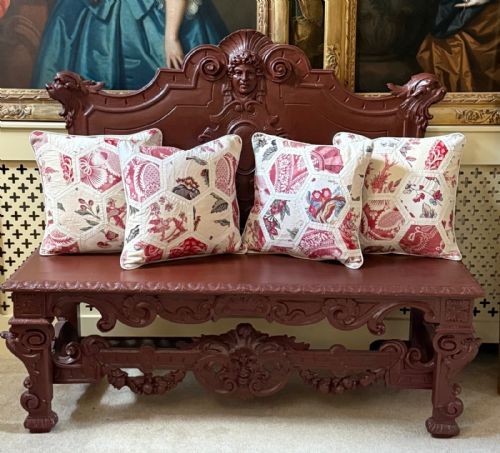
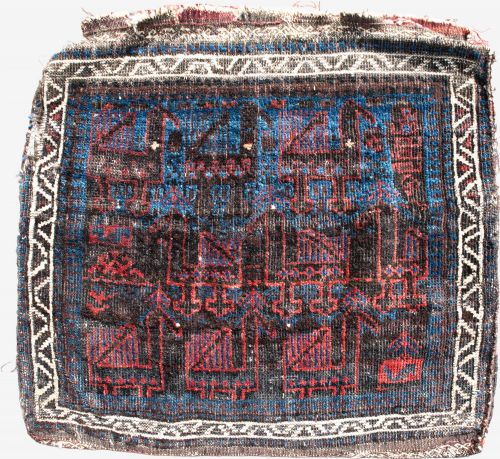
When searching for an antique pillow cover, collectors encounter repurposed textiles originating from various tribal and European traditions dating from the seventeenth century through to the early twentieth century. The selection spans utilitarian objects such as saddlebags, storage sacks, salt bags and wall hangings that have been converted into cushions and soft furnishings.
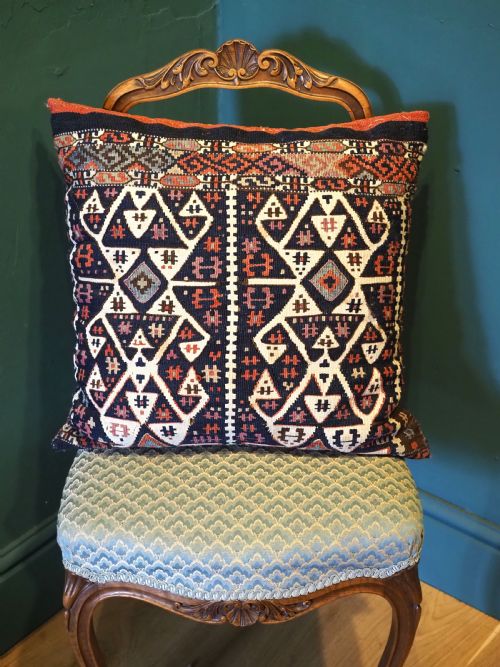
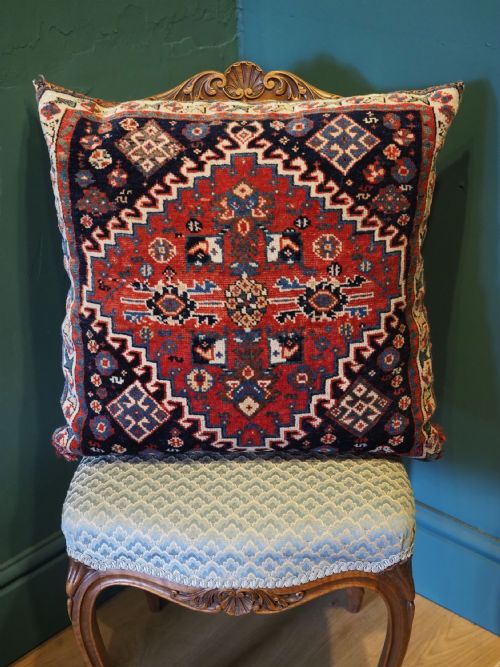
The most common examples on this page are kilim cushions and tribal bag face cushions created from Anatolian, Persian and Turkmen weaving traditions. These pieces utilise authentic flatweaves and pile rugs, occasionally paired with period linen backs and feather inners to create finished decorative items.
Materials and construction
Textiles are constructed primarily from hand-spun wool, cotton, linen and silk, dyed using natural colourants and woven on traditional looms. Many cushions incorporate fragments of antique saddlebags, mafrash panels and torba faces that were originally utilised by nomadic and village weavers.
Backing materials range from contemporary feather inners to eighteenth-century Belgian linen, while the structural integrity relies upon tight flatweave techniques or dense wool pile. The assembly preserves historical fragments while adapting them for modern domestic use.
Materials documented across the collection include hand-spun wool, natural dyes, silk, cotton, linen and authentic feather inners.
What separates examples
Quality rests upon the integrity of the textile fragment, the complexity of the tribal design and the depth of natural dyes utilised in the weaving. Superior pieces display crisp geometric motifs, balanced proportions and well-preserved structural edges that reflect genuine nomadic utility.
The standard of conversion work also distinguishes the range, particularly where historical backing fabrics or bespoke feather inners are integrated into the final cushion. Items retaining complete bag faces and original structures hold greater historical interest than simple pieced fragments.
The Antique Pillow Cover Glossary
- Kilim
- A flatwoven textile produced by tightly interweaving warp and weft strands to create a smooth surface without pile. These versatile panels form the basis of many decorative cushions.
- Torba
- A small storage bag traditionally utilised by Turkmen nomads for household goods. Surviving panels are frequently adapted into pillow covers.
- Chuval
- A large Turkmen tent storage bag designed for blankets and heavy possessions. Fragments of these pieces often appear as cushion faces.
- Mafrash
- A rectangular storage chest panel woven in flatweave or soumak technique by nomadic groups. These textiles display distinct banded geometric designs.
- Warp
- The stationary vertical threads stretched upon a loom before weaving commences. The interaction between warp, weft and wool creates the textile structure.
Antique Pillow Cover: Frequently Asked Questions
How do I clean an antique pillow cover?
Surface dust should be removed gently using low suction through a mesh screen to protect fragile historical fibres.
Professional textile conservation cleaning is recommended for deep dirt, as domestic washing methods risk shrinking wool and bleeding natural dyes.
Are these cushions made from original bags?
Many examples are constructed directly from authentic antique tribal bag faces, saddlebags and storage sacks.
Weavers and makers repurpose these historical fragments into cushions to preserve the textile artistry while providing functional home accessories.
How do I identify Turkmen bag faces?
Turkmen pieces typically display repeating guls, which are primary octagonal medallions associated with specific tribal groups like the Yomut or Tekke.
Deep madder red colour palettes and structured geometric borders further distinguish these distinct Central Asian tribal weavings.
Can I use these cushions daily?
Sturdy flatwoven kilim cushions and wool pile bag faces withstand normal domestic seating and living room use.
Frail silk or seventeenth-century tapestry covers benefit from placement in low-traffic areas to minimise wear on antique threads.