




Seventeenth Century Textile
A seventeenth century textile brings tactile history into a room, offering authentic crewelwork, tapestry and needlework from a distant era.
Seventeenth Century Textile
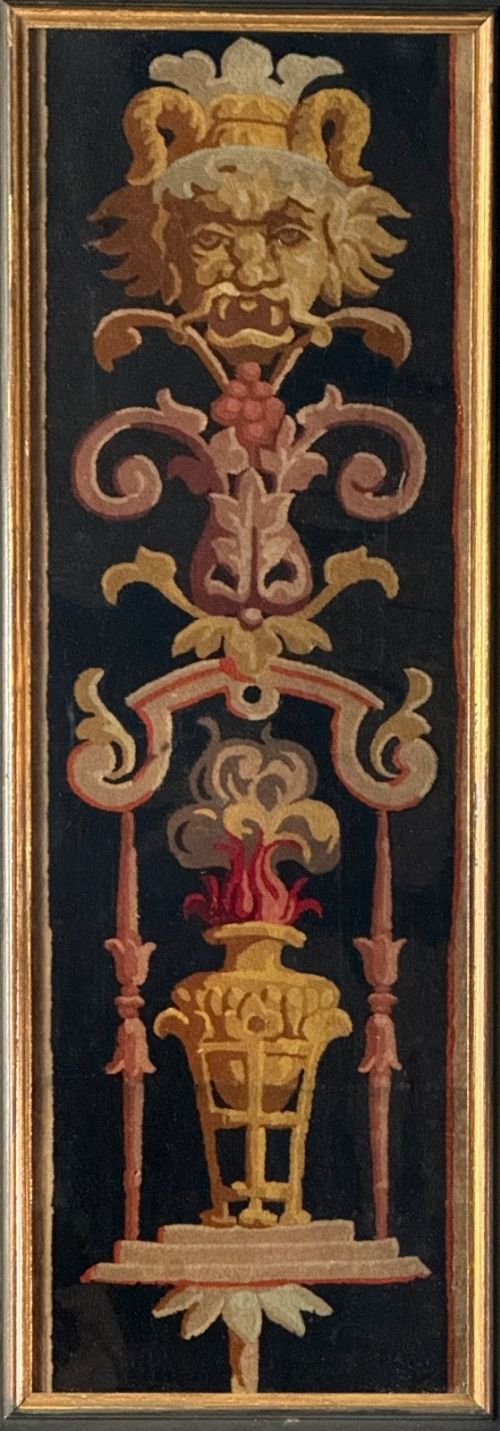
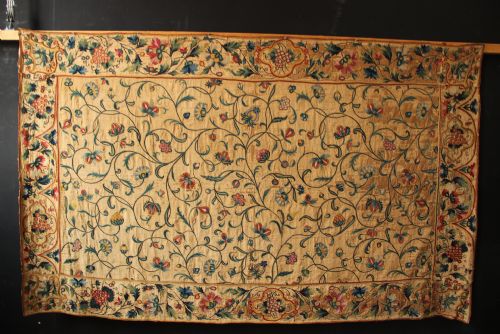
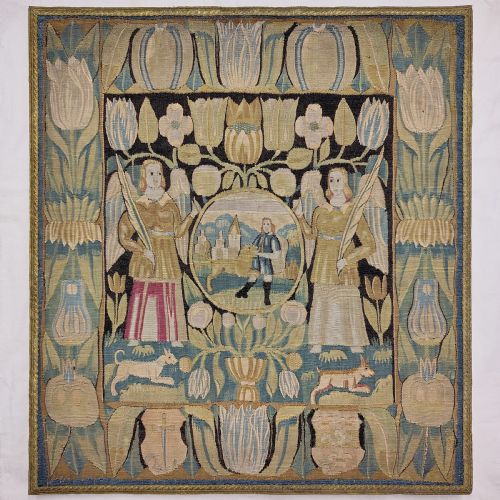
When you search for a seventeenth century textile, you encounter centuries-old fabrics, wall hangings and cushions that defined domestic interiors of the Stuart and Jacobean periods. These pieces represent both English needlework traditions and continental weaving from Flemish and North German workshops.
Originating in the seventeen-hundreds, these works utilise materials and techniques that survived centuries of domestic use. You are most likely to meet cushion covers and fragments that preserve the rich baroque and jacobean aesthetics of the period.
How they were made
Craftsmen and artisans utilised natural materials including wool, silk and linen as the foundational canvas and thread for these historic pieces. Workers often incorporated gold thread and glass beads to add texture and luminance to embroidered scenes and courtly depictions.
Weavers and needleworkers employed sophisticated techniques such as crewelwork embroidery, beadwork stitching and tapestry weaving to create durable domestic furnishings. Framed panels and cushion covers show meticulous hand-stitching on woven fabrics, often mounted on wood or framed behind glass.
Stitchers incorporated tiny glass beads into royal hunting scenes to make aristocratic garments catch the candlelight.
What varies in quality
The density and fineness of the stitching separate standard domestic pieces from exceptional works, particularly in crewelwork and needlework pictures where fine threads create intricate pictorial depth. Superior examples maintain the vibrancy of dyed silks and wools, showing deliberate colour gradation within the baroque and jacobean styles.
The integrity of the surviving textile fragment dictates its standing, with complete cushion covers and substantial wall hangings demonstrating better preservation than smaller scraps. Superior mounting, such as historic framing behind glass, protects delicate silk velvet and gold thread from environmental degradation.
The Seventeenth Century Textile Glossary
- Crewelwork
- Embroidery executed in fine worsted wool on a linen or cotton-linen ground. This technique creates textured designs typical of seventeenth century English needlework.
- Tapestry
- A form of textile art woven by hand on a loom, combining coloured warp and weft threads to form pictorial scenes. Flemish and North German workshops produced notable examples in this medium.
- Beadwork
- The art of creating decorative patterns or pictorial scenes using small glass beads stitched onto a backing fabric. Seventeenth century examples frequently depict royal or hunting subjects.
- Silk velvet
- A luxurious woven fabric featuring a dense, short pile created from silk fibres. This material provides a rich ground for period embroidery.
Seventeenth Century Textile: Frequently Asked Questions
How should I hang a textile?
Historic textiles require careful mounting to distribute weight evenly across the fabric rather than pulling at single attachment points. Professional framing behind glass protects delicate threads from dust and atmospheric moisture.
Keep textile art away from direct sunlight to prevent the fading of natural wool and silk dyes. Stable indoor humidity levels ensure the fibres do not become brittle over time.
Are these pieces original to the period?
The items listed originate from the seventeen-hundreds, representing genuine seventeenth century craftsmanship in textiles, tapestries and needlework. Stylistic indicators like baroque and jacobean motifs align with the documented periods of production.
Physical evidence such as hand-spun threads, period dyes and traditional backing materials confirm the age of these historic works. Dealers attribute these items based on established stylistic and technical markers.
How were tapestry cushions used?
Tapestry cushion covers functioned as decorative and comfortable furnishings in prosperous seventeenth century households. Placed on wooden chairs or settles, they softened hard seating surfaces while displaying wealth through woven imagery.
Today, these covers retain their decorative purpose when stuffed with appropriate inner pads or displayed as flat textile art. Their sturdy wool and linen construction allowed them to survive centuries of handling.
What is a needlework picture?
A needlework picture is a hand-stitched panel designed specifically for framing and display on a wall rather than use as clothing or soft furnishings. These works often depict biblical, mythological or royal hunting scenes using various embroidery stitches.
Makers utilised silk and wool threads on linen grounds to achieve painted effects with needle and thread. Surviving examples offer insight into the domestic pursuits of seventeenth century artisans.