



Antique Decorative Textile
These antique decorative textile pieces bring rich pattern and historical depth into a room, ranging from tribal wall hangings to fine European tapestries.
Antique Decorative Textile
An antique decorative textile encompasses a diverse group of historical woven, embroidered and printed items created for domestic display, utility or personal adornment. When exploring this category, buyers encounter wall hangings, panels, tapestries and tribal bags originating from various European, Asian and Middle Eastern traditions. The selection spans centuries of craftsmanship, connecting modern interiors directly to traditional textile arts.
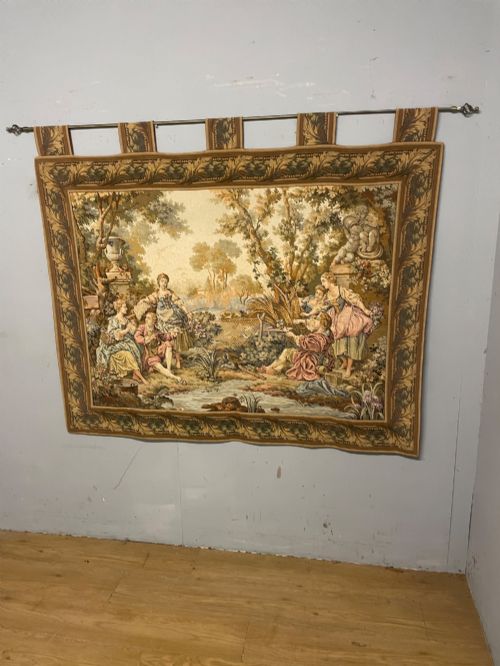
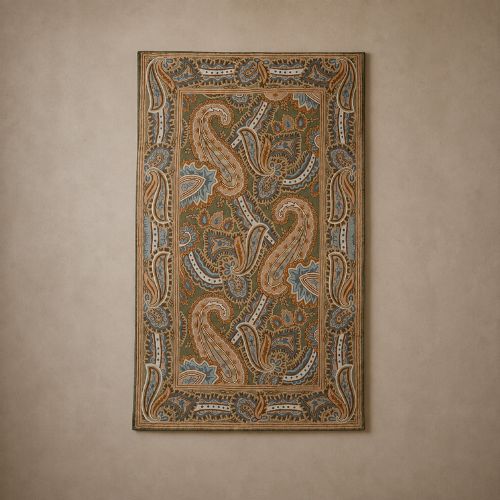
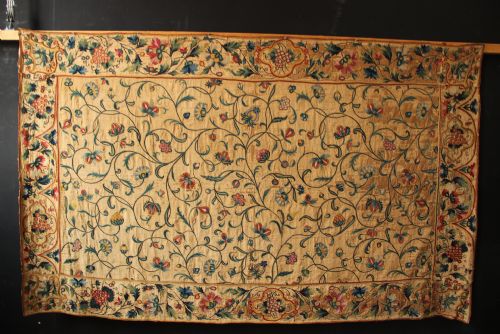
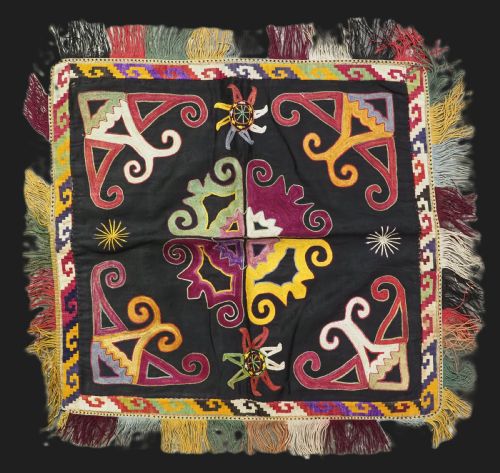
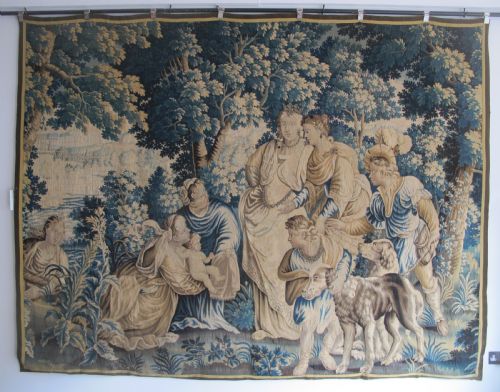
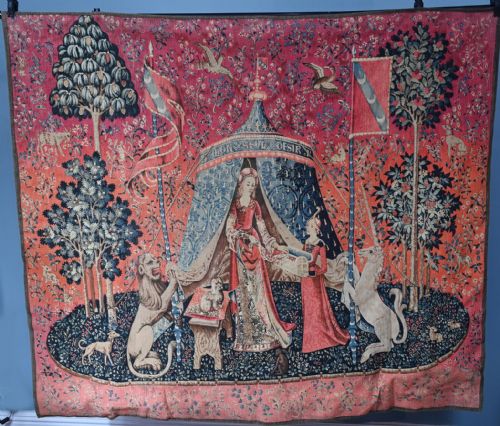
The objects most frequently met on this page include Central Asian suzanis, Turkmen tribal torbas and storage bags, alongside English and French crewelwork and tapestries. Pieces range from large wall panels and room screens to smaller fragments, cushion covers and framed temple paintings. Each form demonstrates specific regional techniques developed for nomadic or settled households.
Materials and construction methods
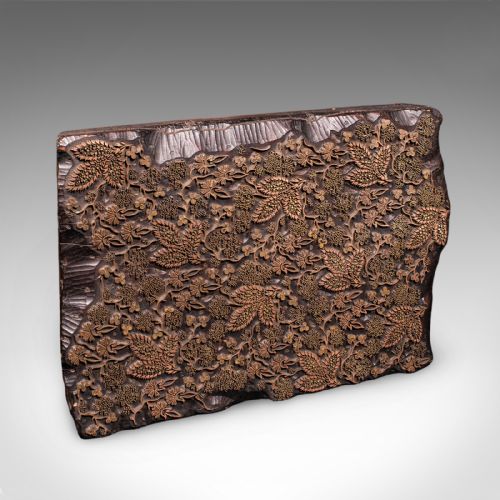
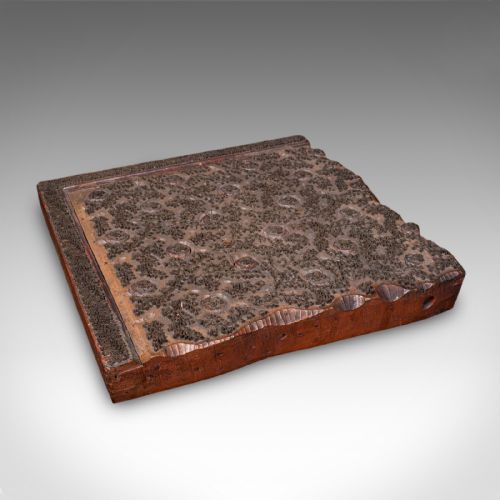
Makers utilised natural materials such as wool, cotton, silk, linen and metal threads, often combined with natural dyes to achieve lasting colour and depth. Embroidery work relies on fine needlecraft executed on sturdy cotton or linen foundations, while woven items employ dense wool or silk warp and weft structures. Several pieces incorporate specialised wooden or carved brass printing blocks for stamped textile designs.
Nomadic and tribal traditions utilised durable weaving techniques suited for tent bands, salt bags and door hangings, employing flatweave kilim methods or piled knots. European works favoured elaborate tapestry weaving and crewel embroidery with wool yarns on linen twill. Accessory items like spinning wheels, distaffs and chakra tools reflect the fundamental domestic machinery used to prepare these natural fibres.
Materials recorded across current items include wool, cotton, silk, linen, brass, wood, iron and natural dyes.
Distinguishing quality across the range
Quality in these textiles rests on the density of the weave, the precision of the needlework and the complexity of the design layout. Superior examples display exceptionally fine knots or tight embroidery stitches that hold firm structural integrity across the entire surface. The vitality and preservation of natural dyes also dictate distinction, with top-tier pieces retaining rich, harmonious colour variations.
The handling of traditional motifs, such as curled leaf designs or figurative scenes, reveals the artisan's skill and regional authenticity. Well-preserved condition without extensive modern repair separates museum-grade fragments and complete dowry pieces from everyday utility items. Harmony between the textile's age and its surviving structural support determines its standing among collectors.
The Antique Decorative Textile Glossary
- Suzani
- An embroidered tribal textile from Central Asia traditionally made as part of a bride's dowry. These large wall hangings feature vibrant floral and sunburst motifs worked in silk thread.
- Torba
- A small Turkmen storage bag face used inside nomadic tents for household belongings. They typically display intricate geometric medallions and banded designs.
- Crewelwork
- A traditional form of surface embroidery executed using wool yarn on a heavy linen or cotton twill fabric. English examples often depict scrolling floral patterns and exotic fauna.
- Aubusson
- A style of woven tapestry produced in France, known for grand pictorial scenes and architectural panels. These works utilise fine wool and silk threads to mimic painted wall art.
- Kilim
- A flatweave carpet or bag face made without a pile by tightly interweaving warp and weft threads. Tribal weavers employ this technique to create sharp geometric patterns.
Antique Decorative Textile: Frequently Asked Questions
How do I hang a textile safely?
Support heavy wall hangings and tapestries evenly across the top edge using a fabric sleeve or a padded batten system. Avoid placing antique items under direct, strong sunlight to prevent natural dye fading over time.
Ensure the hanging method does not puncture or stress the delicate vintage fibres. Consulting a professional conservator guarantees the textile remains secure without sustaining weight damage.
How do I identify tribal Turkmen pieces?
Turkmen tribal items often feature distinct guls, which are repeating octagonal primary motifs associated with specific clans. Look for deep madder red colour palettes combined with geometric borders and fine weave structures.
Objects like torbas, chuvals and tent bands served practical nomadic functions within portable dwellings. Their traditional construction methods distinguish them clearly from urban workshop carpets.
What is the difference between embroidery and tapestry?
Embroidery involves stitching decorative thread onto a pre-existing woven foundation fabric using a needle. Tapestry is a form of textile art woven by hand on a loom, where the design is built directly into the warp and weft.
Tapestries display the same pattern on both the front and reverse sides, whereas embroidery typically shows structural stitching on the back. Both techniques yield durable decorative pieces suited for historical interiors.