

Vintage Tallboy Storage
Vintage tallboy storage delivers vertical capacity for tight rooms through period craftsmanship in mahogany, oak and walnut.
Vintage Tallboy Storage
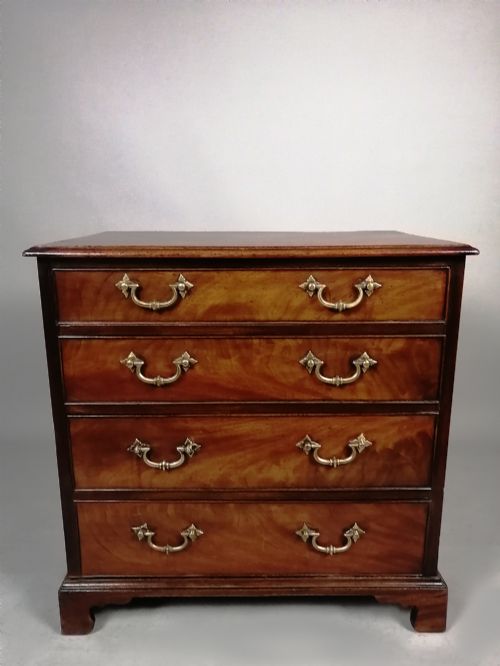
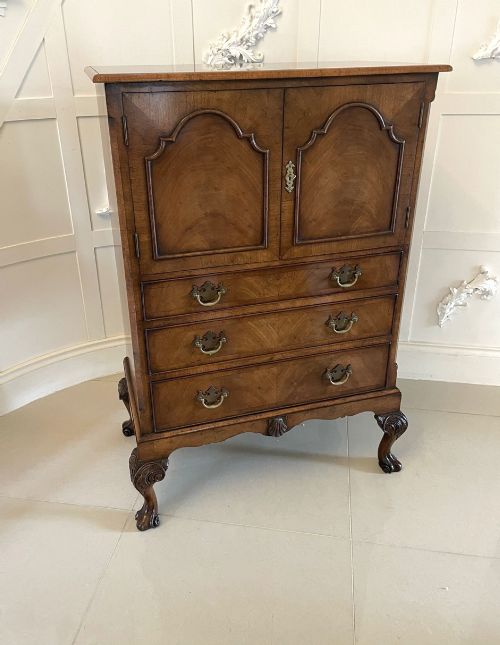
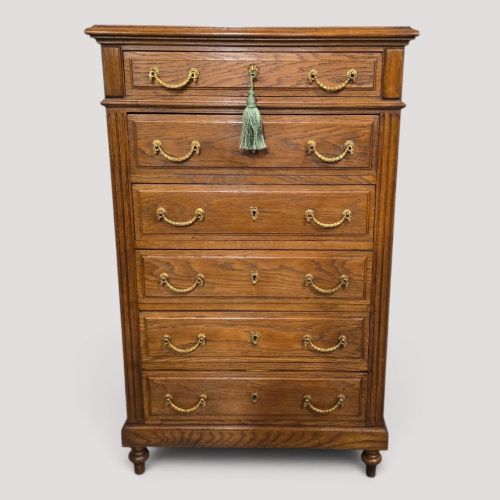
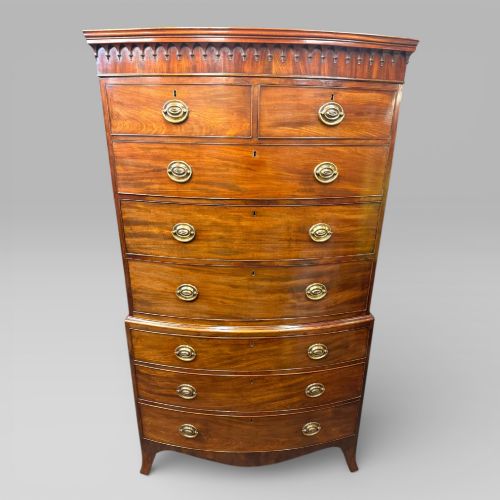
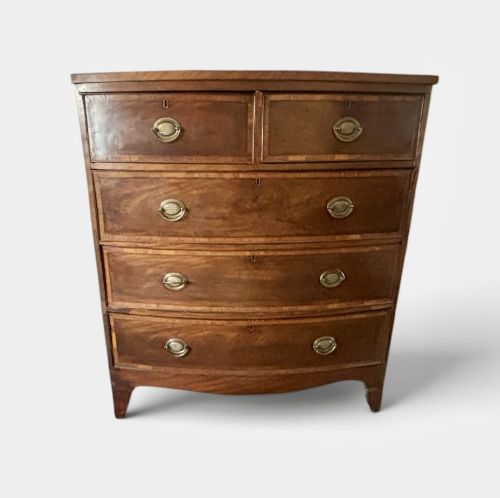
When buyers search for vintage tallboy storage, they encounter tall chests of drawers, tallboy cabinets, chests on stands, and compactums that maximise vertical space. These pieces serve bedrooms and dressing rooms by holding garments and linens within a compact footprint.
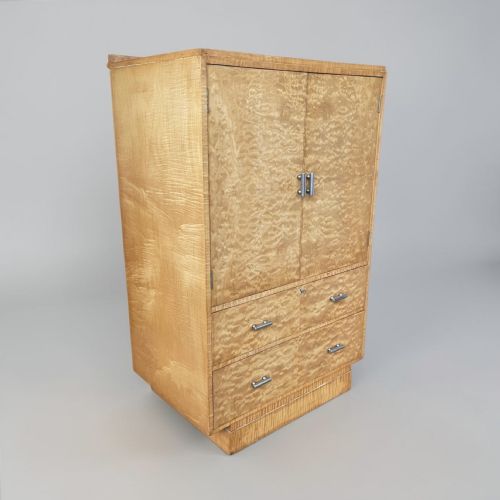
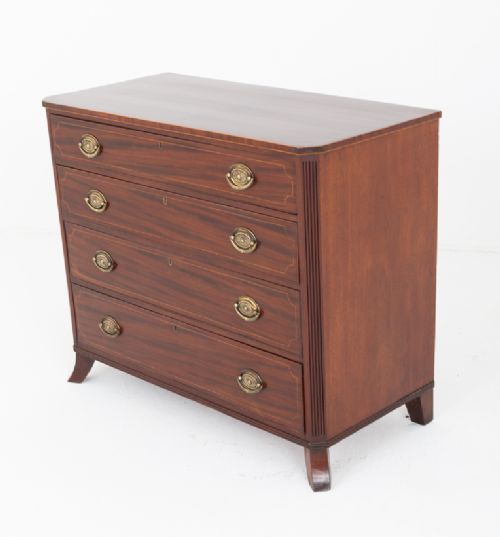
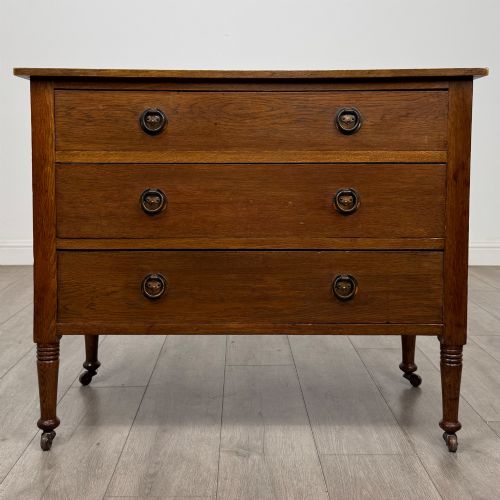
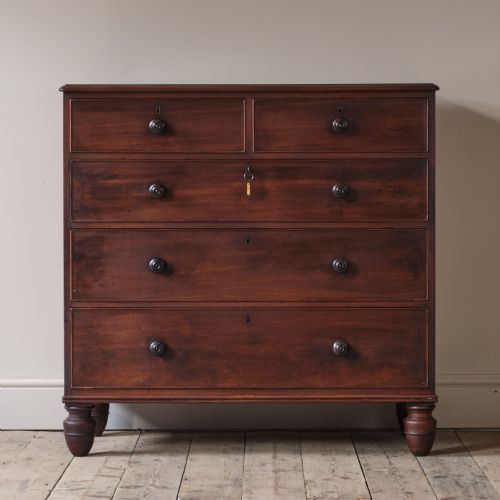
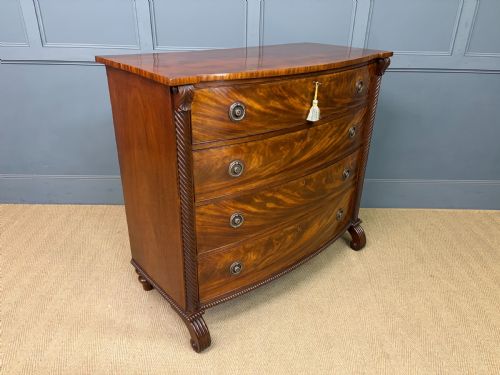
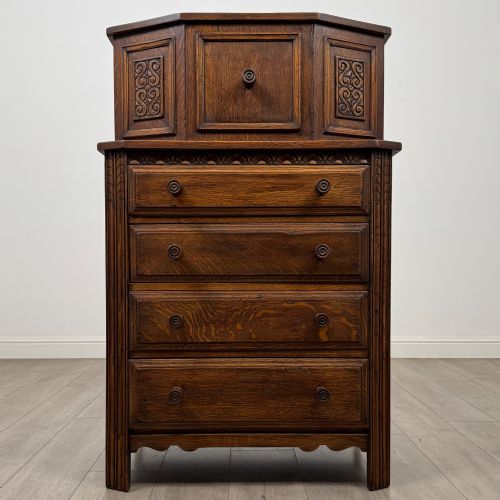
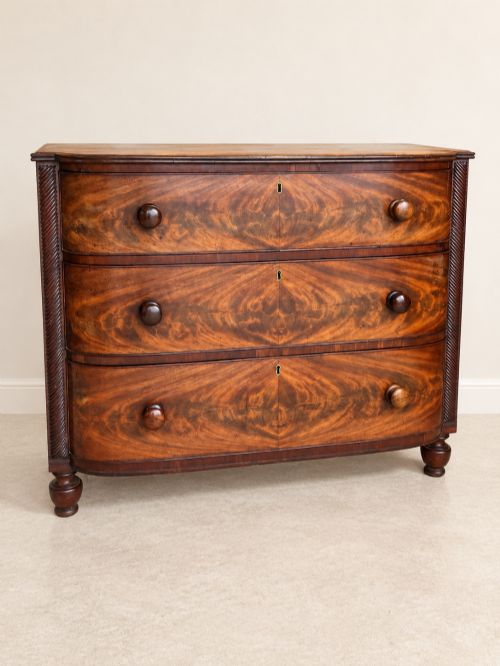
The selections span periods from the Georgian and Regency eras through the Victorian, Edwardian, and Art Deco years. Oak, mahogany, and pine dominate the forms, frequently enriched with flame mahogany veneer or burr walnut.
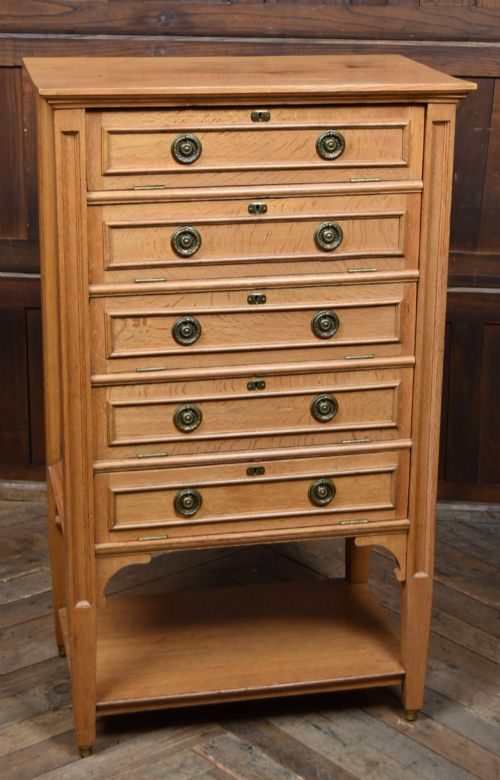
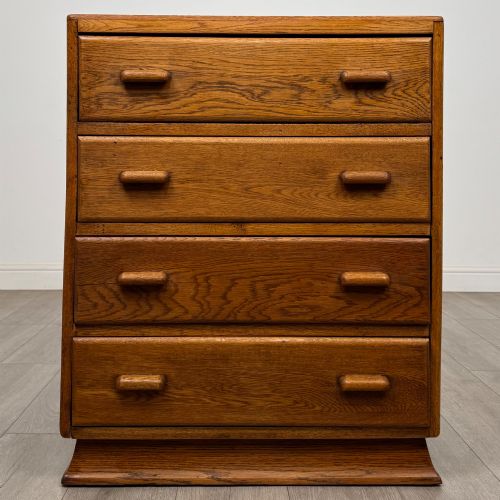
Tall and narrow mahogany chests appear alongside Edwardian oak filing cabinets and French provincial wardrobes. This variety allows buyers to fit high-capacity storage into rooms where floor space is limited.
How they were made
Cabinet makers utilised solid timbers including oak, pine, and mahogany for structural integrity and longevity. Drawer carcasses frequently feature traditional dovetail joints to withstand daily loading.
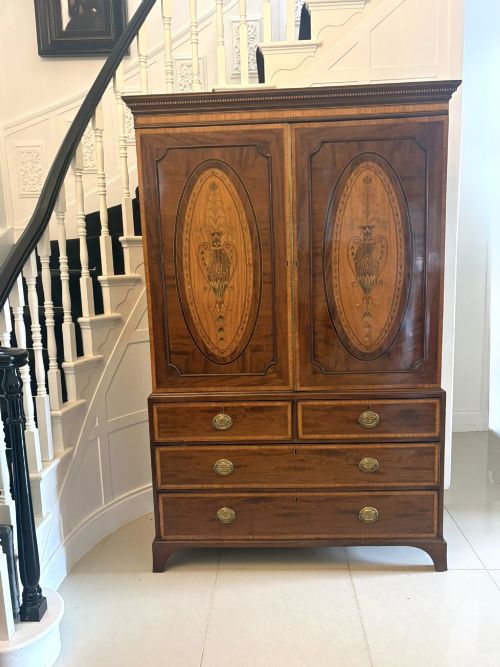
Surface finishes rely on decorative veneers such as burr walnut and flame mahogany, applied to create striking grain patterns. Satinwood banding and inlay details add contrast to primary mahogany or walnut surfaces.
Listings span eight distinct periods, from Georgian and Regency forms through Edwardian oak pieces to Art Deco walnut designs.
What varies in quality
The grade of timber and veneer selection dictates the visual presence of each cabinet. Figured walnut and flame mahogany require skilled bookmatching across drawer fronts to achieve a balanced surface.
Construction details distinguish standard utility pieces from finer examples. Smooth drawer runners, intact brass hardware, and precise inlay work separate workshop output.
T & G Seddon·Sir Clough Williams-Ellis
The Vintage Tallboy Storage Glossary
- Tallboy
- A tall chest of drawers, often consisting of one chest stacked upon another or built as a single tall cabinet. These units provide extensive vertical storage while occupying minimal floor area.
- Biedermeier
- A Central European style from the first half of the 19th century emphasising utilitarian comfort and clean lines. Pieces in this style showcase clean wood grains without excessive ornamentation.
- Bow Front
- A convex curved cabinet or drawer front popular in Regency and Georgian design. This contour softens the profile of a heavy storage piece.
- Linen Press
- A tall piece of furniture featuring upper cupboard doors enclosing sliding trays for textiles, positioned above lower drawers. They originated for storing household linens before fitted wardrobes became common.
- Burr Walnut
- Timber taken from the warted excrescence of a walnut tree, yielding intricate swirled grain patterns. Cabinet makers prized this wood for high-status drawer fronts and veneered surfaces.
Vintage Tallboy Storage: Frequently Asked Questions
Where do tallboys work best?
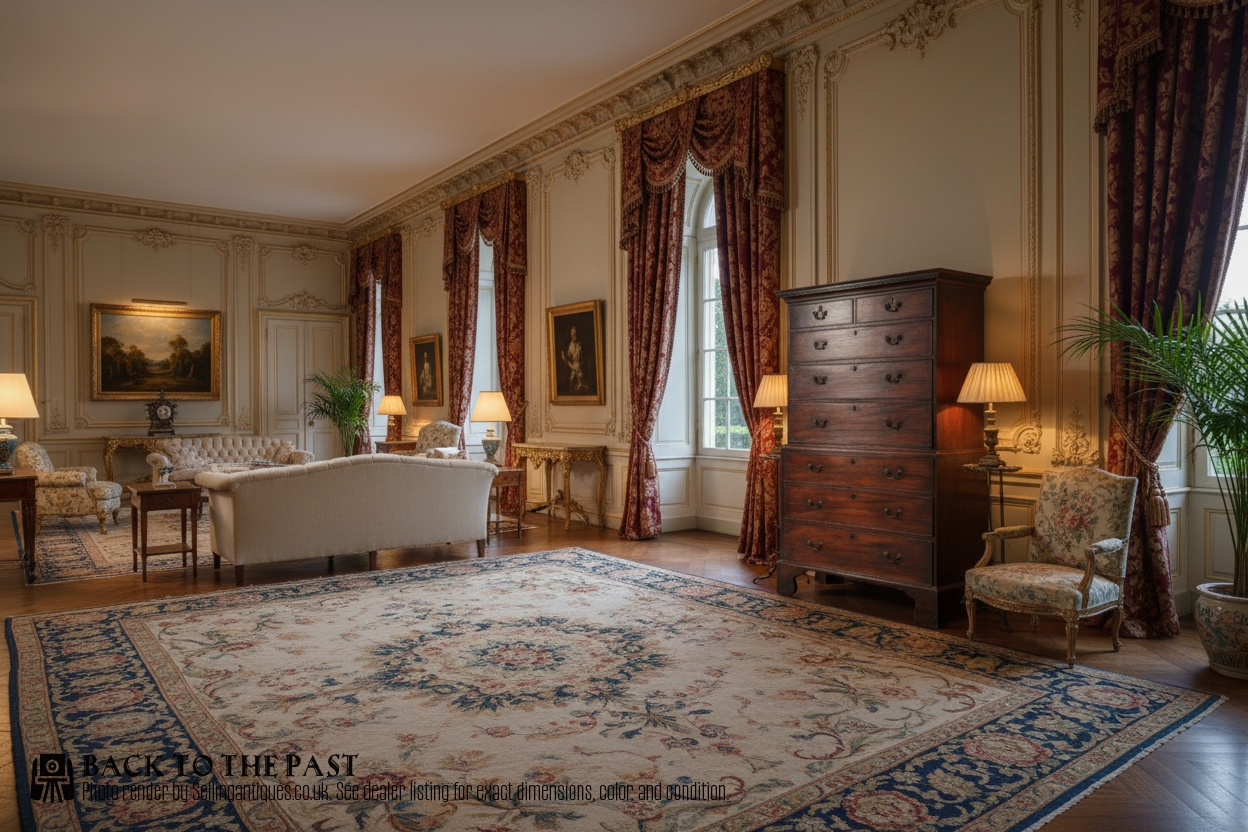
These cabinets suit bedrooms, dressing rooms, and hallways where floor space restricts wider furniture. Their height provides substantial drawer capacity without dominating the room.
They pair well with existing period furniture, functioning as standalone wardrobes or linen storage.
How do I identify a Georgian tallboy?
Georgian pieces typically display dense mahogany, hand-cut dovetails, and understated brass pull handles. Proportions tend to be classical, with disciplined cornices and bracket feet.
Later copies or Edwardian revivals often incorporate lighter internal woods or machine-cut elements.
Are Art Deco tallboys different?
Art Deco pieces from the 1930s favour figured walnut veneers and streamlined silhouettes. They omit traditional cornices in favour of curved or stepped geometric profiles.
Hardware is often minimal, allowing the natural burr patterns of the wood to dominate the visual field.
Can I use a tallboy for linen?
Tall cabinets and linen presses serve bedroom storage effectively, accommodating folded garments and bedding. Deep lower drawers handle bulkier items while upper shelves organise smaller textiles.
Solid wood construction helps protect stored fabrics from dust and light exposure.