

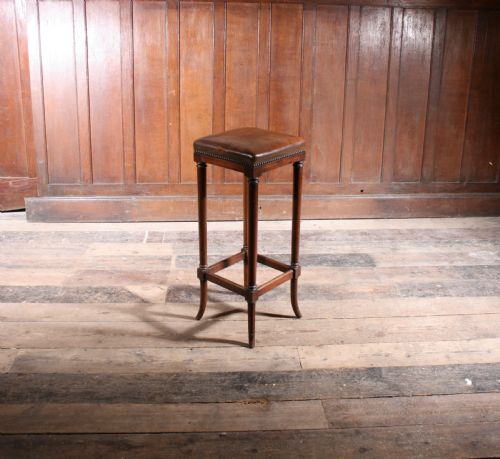


Vintage Tall Stools
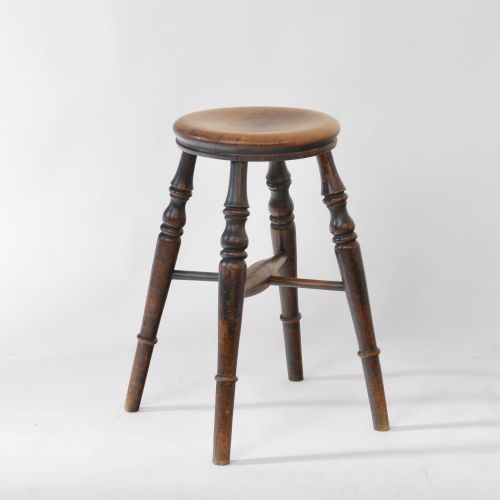
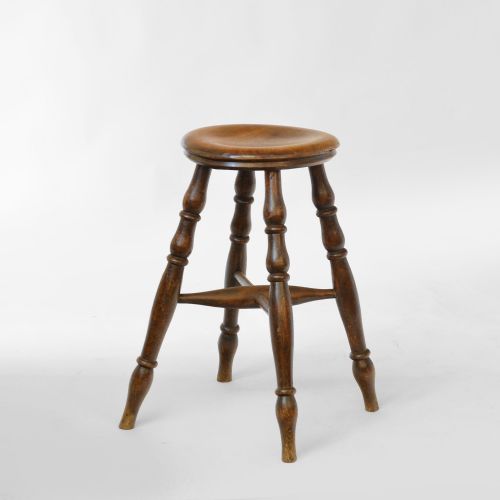
These vintage tall stools are sturdy perch seats built for trade, taprooms and clerical work, offering practical height and honest utility.
Vintage Tall Stools
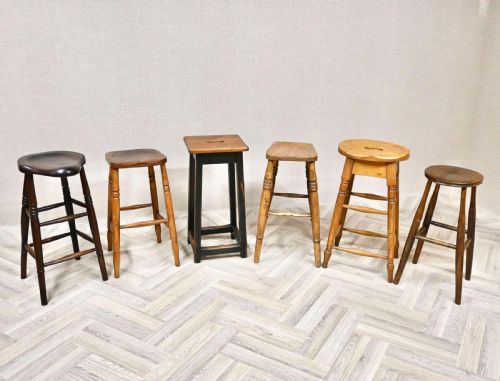
When you search for vintage tall stools, you encounter utilitarian seating designed for specific trades, public houses and elevated workspaces. The pieces span from the nineteenth century through the early decades of the twentieth century, including styles such as Victorian Country, Edwardian, and rustic farmhouse.
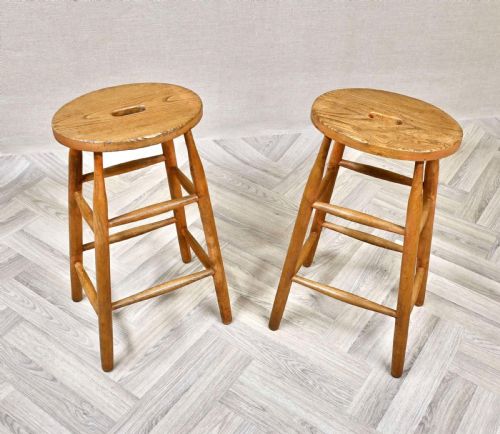
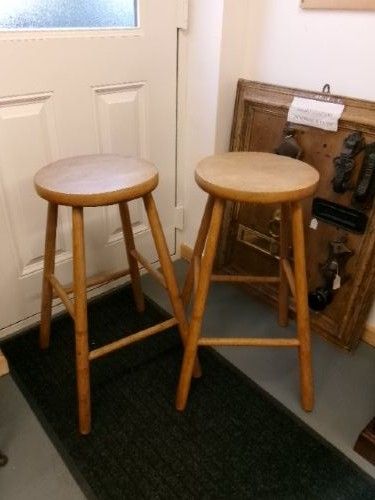
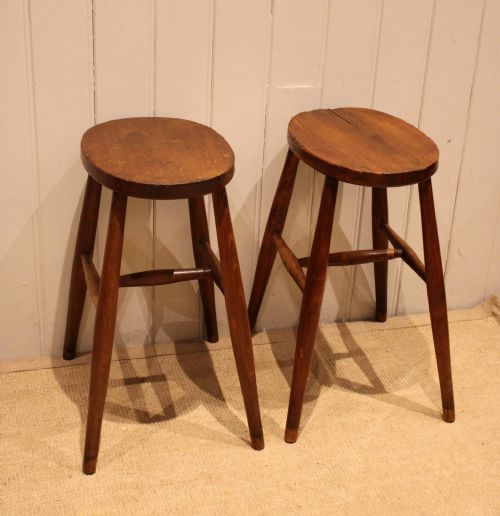
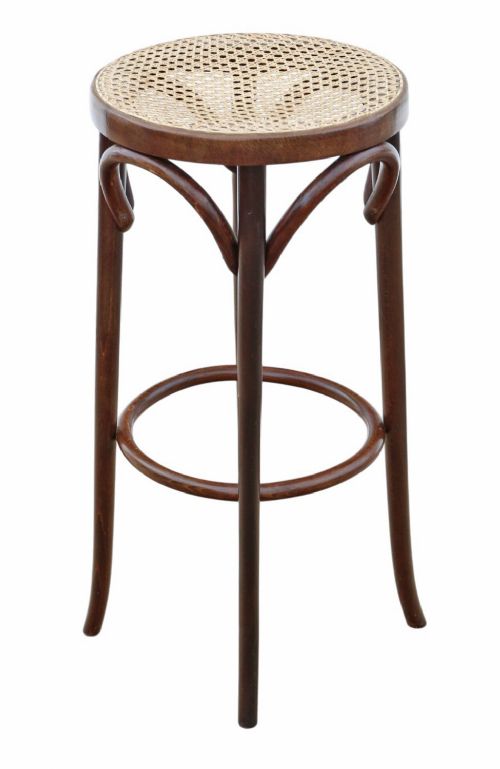
Pub or tavern stools and clerk's stools dominate the selection, often featuring tall turned legs and wooden seats shaped for extended sitting. Alongside single examples, buyers frequently find matched pairs and small sets suitable for counters and kitchen islands.
The inventory also includes variants like library ladders, library steps, and combined desk and stool sets. Materials range from native hardwoods like beech, elm, and oak to pine and sycamore, reflecting the practical needs of past workshops and commercial premises.
Materials and construction
These stools rely on solid timbers chosen for hard wear, predominantly beech, elm, oak, pine, and sycamore. Turnery techniques shaped the tall legs and spindles, while seats were frequently fashioned from single slabs of elm or sycamore.
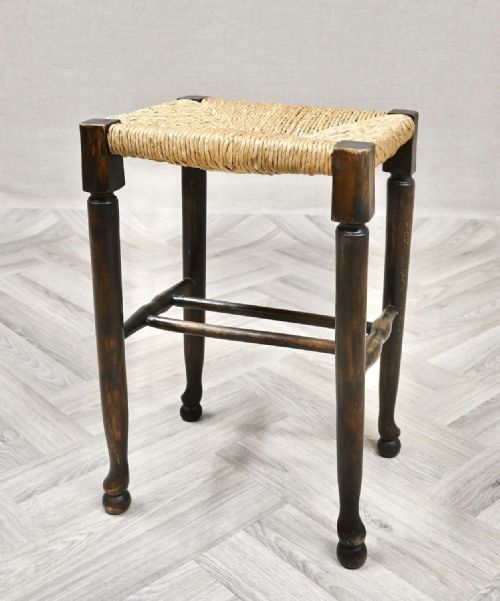
Joinery methods include traditional pegging and turning to ensure stability at height. Occasional pieces incorporate leather upholstery or rush seating for added comfort during long hours at a desk or counter.
Some nineteenth-century tavern stools still carry the faint, round ring marks left by centuries of spilled ale.
Assessing quality and character
Quality in these high seats rests on the proportion of the turnery and the integrity of the timber frame. Sturdiness in the footrests and stretchers determines how well a tall stool handles daily use.
The patination of the wood surfaces and original painted finishes distinguish finer examples. Grain movement in elm or sycamore seats also signals the care taken by the maker.
The Vintage Tall Stools Glossary
- Turnery
- The shaping of wood by rotating it on a lathe. This technique produced the slender, profiled legs typical of nineteenth-century tavern and clerk's seating.
- Rush seat
- A seating surface woven from dried marsh plants. It appears on specific traditional tall stools to provide a textured, pliable surface.
- Stretcher
- A horizontal support connecting the legs of a stool. These members provide structural rigidity and frequently double as footrests on elevated seating.
- Patina
- The surface sheen and colour developed through years of handling, polishing, and natural ageing. Good patination reveals the genuine age of hardwood timber.
Vintage Tall Stools: Frequently Asked Questions
What were tall stools originally used for?
These elevated seats served practical functions in public houses, taverns, and high-desk offices. Clerks, publicans, and craftsmen used them to work comfortably at raised surfaces.
Over time, their sturdy frames and utilitarian design made them adaptable for trade and workshop environments where standing for long periods was impractical.
How do I care for antique wooden stools?
Maintain the timber by keeping these pieces away from direct heat sources and sudden humidity changes. Regular dusting with a soft cloth preserves the surface.
Applying a traditional beeswax occasionally helps nourish dry hardwood without altering the historic finish or patination built up over decades.
Are these stools suitable for modern kitchens?
Many buyers utilise these historical pieces around contemporary kitchen islands and breakfast bars. Their height makes them functional for modern dining spaces.
Checking the seat height against your counter ensures comfortable daily use while introducing distinct character to an interior.