




Vintage Tabletop Chest Drawers
These vintage tabletop chest drawers span centuries of compact storage, offering small-scale elegance and practical organisation for the modern interior.
Vintage Tabletop Chest Drawers
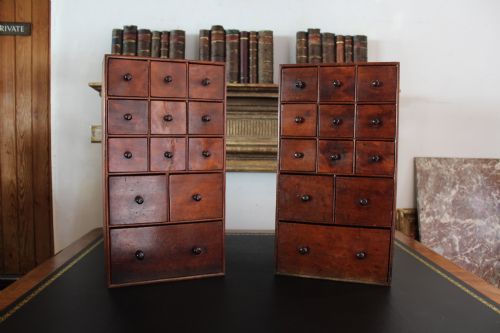
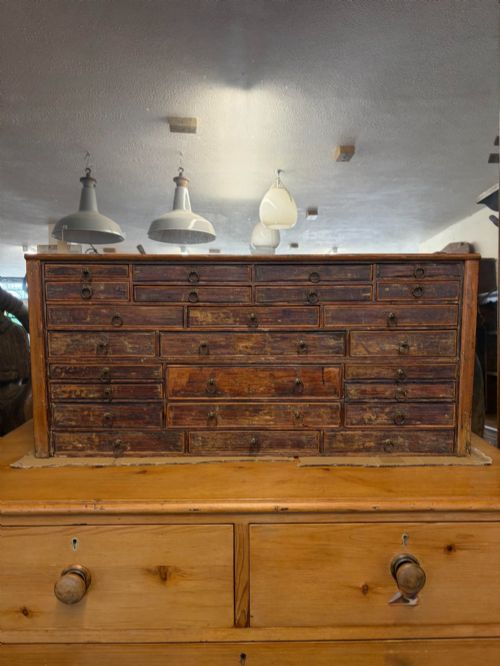
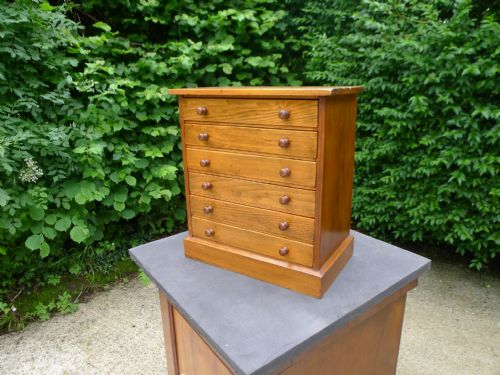
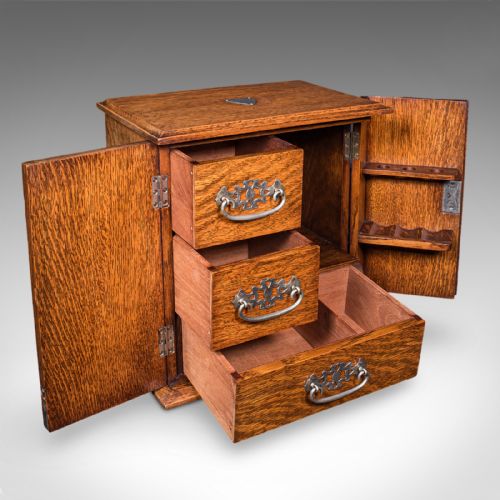
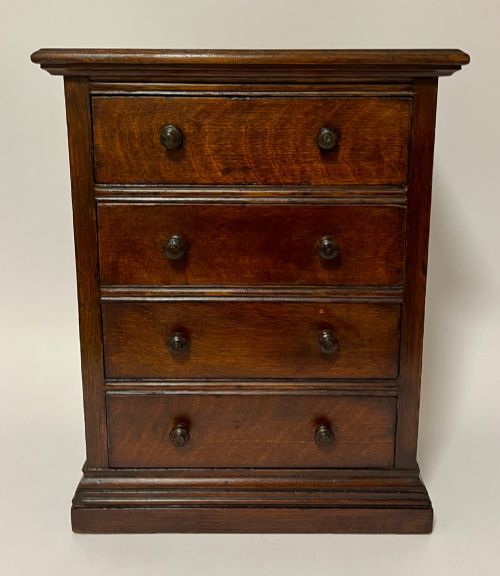
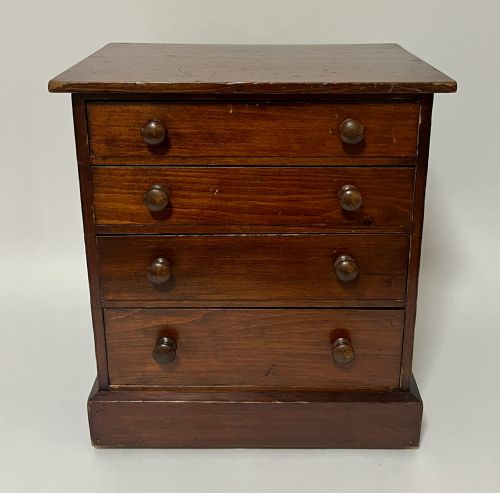
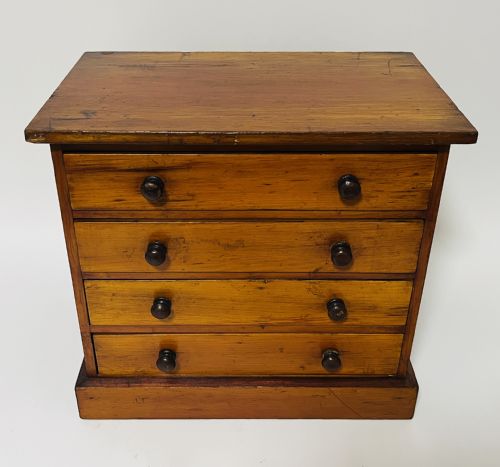
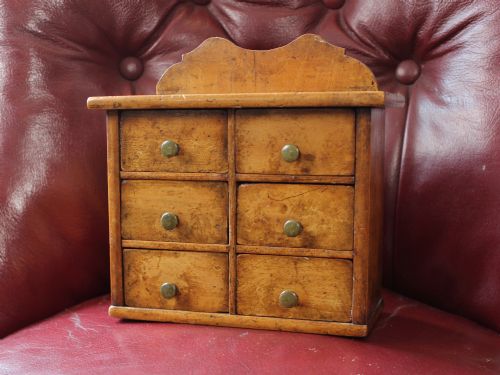
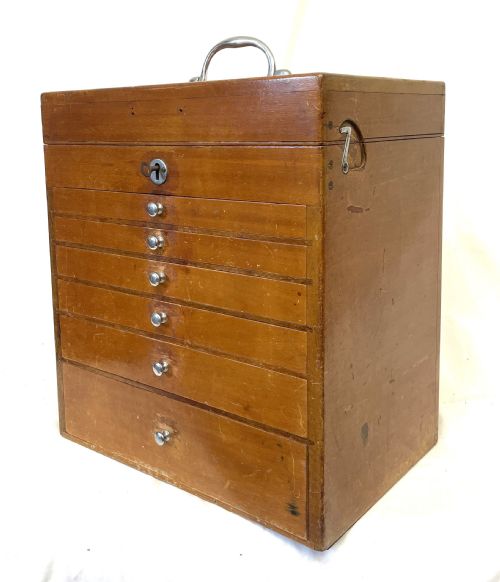
Vintage tabletop chest drawers encompass a diverse variety of small-scale storage forms, including miniature furniture, spice cabinets, and collectors' cabinets designed to sit on counters or desks. The pieces seen here range from utilitarian banks of drawers and apothecary chests to decorative specimen cases and miniature apprentice chests.
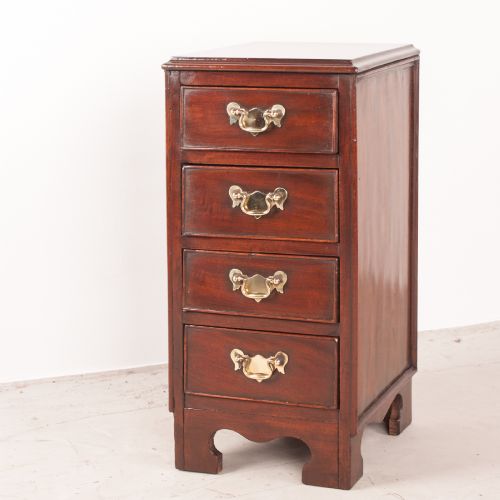
Dating ranges from the eighteenth century through to the twentieth century, encompassing Georgian, Victorian, and Edwardian periods. Common formats include multi-drawer banks, glass-fronted display cases, and small chests featuring brass drop handles.
Materials and Construction
Construction relies heavily on solid timber and decorative veneers, with mahogany, oak, pine, and walnut appearing frequently across the listings. Craftspeople utilised traditional joinery techniques to build these compact carcasses, frequently incorporating secondary woods like deal or fruitwood for internal partitions and drawer linings.
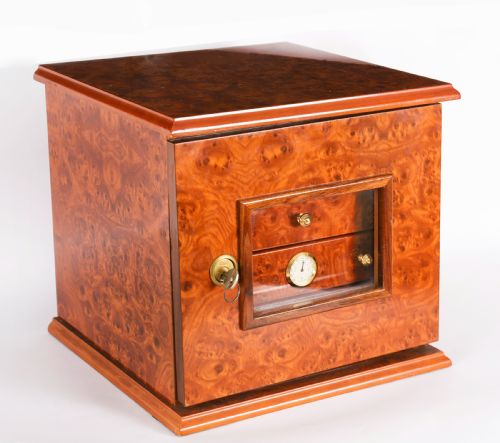
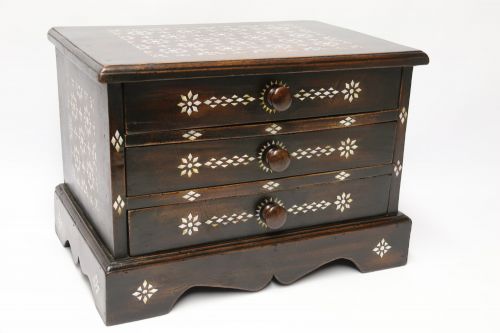
Metal hardware such as brass drop handles provides functional grip and aesthetic contrast against dark woods. Surface finishes include polished hardwood, stained pine, and black lacquer, sometimes paired with glass panels for display purposes or inlaid detailing.
Listings feature items from the eighteenth, nineteenth, and twentieth centuries, including Victorian, Edwardian, and Georgian styles.
Distinguishing Quality in Compact Storage
Quality in these miniature pieces is determined by the precision of the joinery and the selection of timber figures, such as burr elm or figured English oak. Superior examples exhibit tightly fitted drawers that move smoothly within their frames and retain original hardware.
The refinement of decorative elements, including fine inlay work, hand-cut dovetails, and specialised interior divisions for specimens or spices, separates standard utilitarian boxes from exceptional cabinetmaking.
Luxmore's of Ilfracombe
The Vintage Tabletop Chest Drawers Glossary
- Apprentice chest
- A miniature chest created by a trainee woodworker to demonstrate mastery of joinery techniques. These pieces display the same dovetailing and moulding found in full-sized furniture.
- Collector's cabinet
- A specialised multi-drawer unit designed to house natural history specimens, coins, or small curiosities. They often feature shallow drawers and occasionally include glass doors.
- Spice cabinet
- A small wall-mounted or tabletop wooden chest containing multiple small drawers for culinary ingredients. Eighteenth and nineteenth-century examples are commonly constructed from oak or fruitwood.
- Specimen cabinet
- A specialised case built to store scientific samples, fossils, or entomological collections. They typically contain numerous uniform drawers designed for classification.
- Kodansu
- A traditional Japanese small chest of drawers used for storing personal valuables and documents. These pieces frequently feature intricate black lacquer finishes and metal mounts.
Vintage Tabletop Chest Drawers: Frequently Asked Questions
What were vintage tabletop chest drawers originally used for?
These miniature pieces served varied practical purposes across different trades and households, functioning as storage for spices, apothecary ingredients, sewing needles, or cigars.
Collectors and specialists also utilised them to house delicate specimens, coins, and small personal valuables safely on top of desks or counters.
How do I identify an 18th-century piece from a later reproduction?
Eighteenth-century examples typically display hand-cut dovetails, timber shrinkage consistent with age, and construction methods utilising native woods like oak or early mahogany.
Examination of the drawer linings, backboards, and fastener types helps confirm the period against later twentieth-century interpretations.
Are tabletop chests sturdy enough for daily use?
Most pieces are solidly constructed from hardwoods like mahogany, walnut, or oak using traditional joinery, making them well-suited for holding light everyday items such as jewellery or stationery.
Care should be taken with delicate lacquer surfaces, glass fronts, or antique drawer runners to preserve their mechanical integrity during regular handling.
What is the difference between an apprentice chest and a miniature chest?
Apprentice chests were traditionally built by trainees to prove their woodworking skills to a guild, often featuring advanced joinery scaled down to a fraction of normal furniture size.
Miniature chests were simply produced as smaller domestic furnishings for compact rooms or tabletop placement, rather than as formal test pieces.