

Vintage Table Caddy
A vintage table caddy brings refined order to surfaces, holding tea, toast, or condiments with period elegance.
Vintage Table Caddy
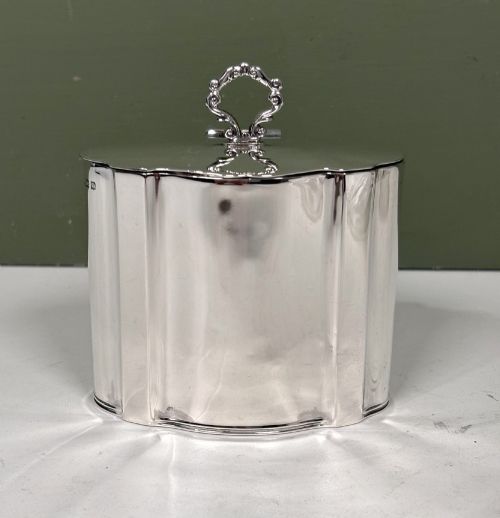
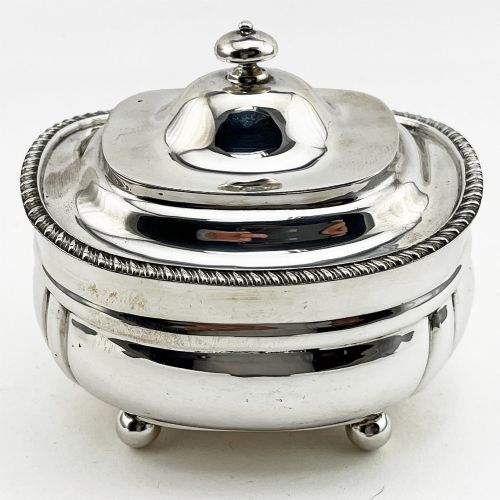
When you search for a vintage table caddy, you encounter a specialised selection of dining and desktop accessories designed to organise provisions or small items close at hand. The listings gathered here span the Victorian, Edwardian, and Art Deco eras, capturing a period when table service involved dedicated silver or wooden receptacles for specific culinary tasks.
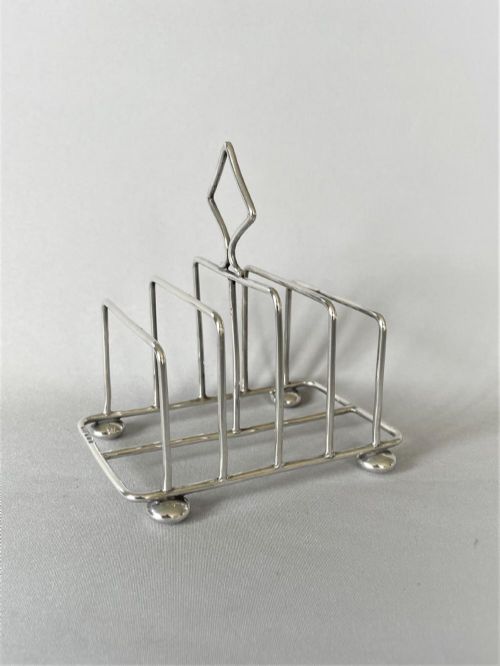
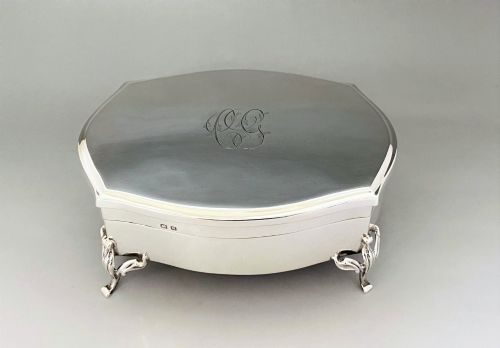
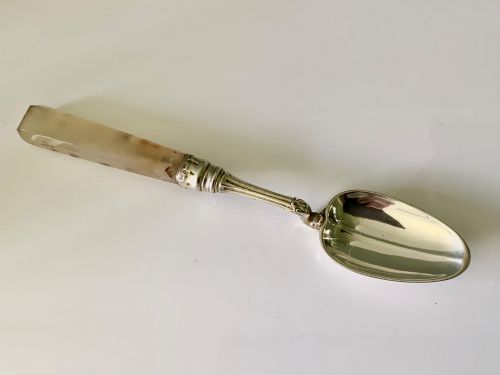
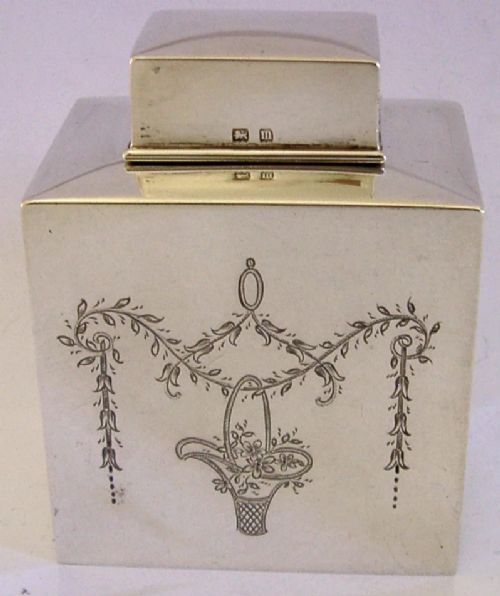
The objects appearing most frequently under this category include sterling silver and silver plated tea caddies, alongside related tabletop containers such as biscuit barrels, condiment sets, and toast racks. These pieces range from modest domestic items to substantial silver boxes produced by notable silversmiths of the early twentieth century.
Origins stretch across British workshops and continental makers, reflecting the domestic habits of the nineteenth and twentieth centuries. Buyers find items intended for tea storage, breakfast service, and desk organisation, each retaining the functional form dictated by its original purpose.
How they were made
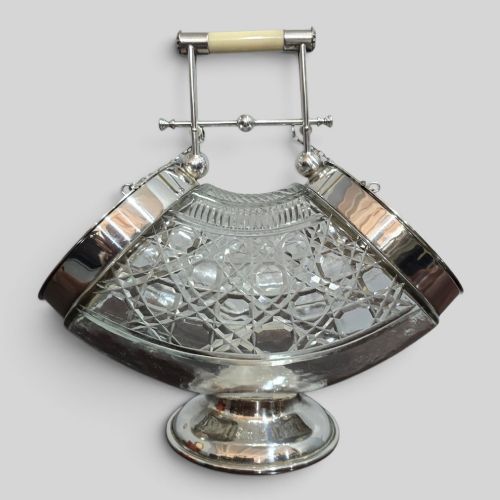
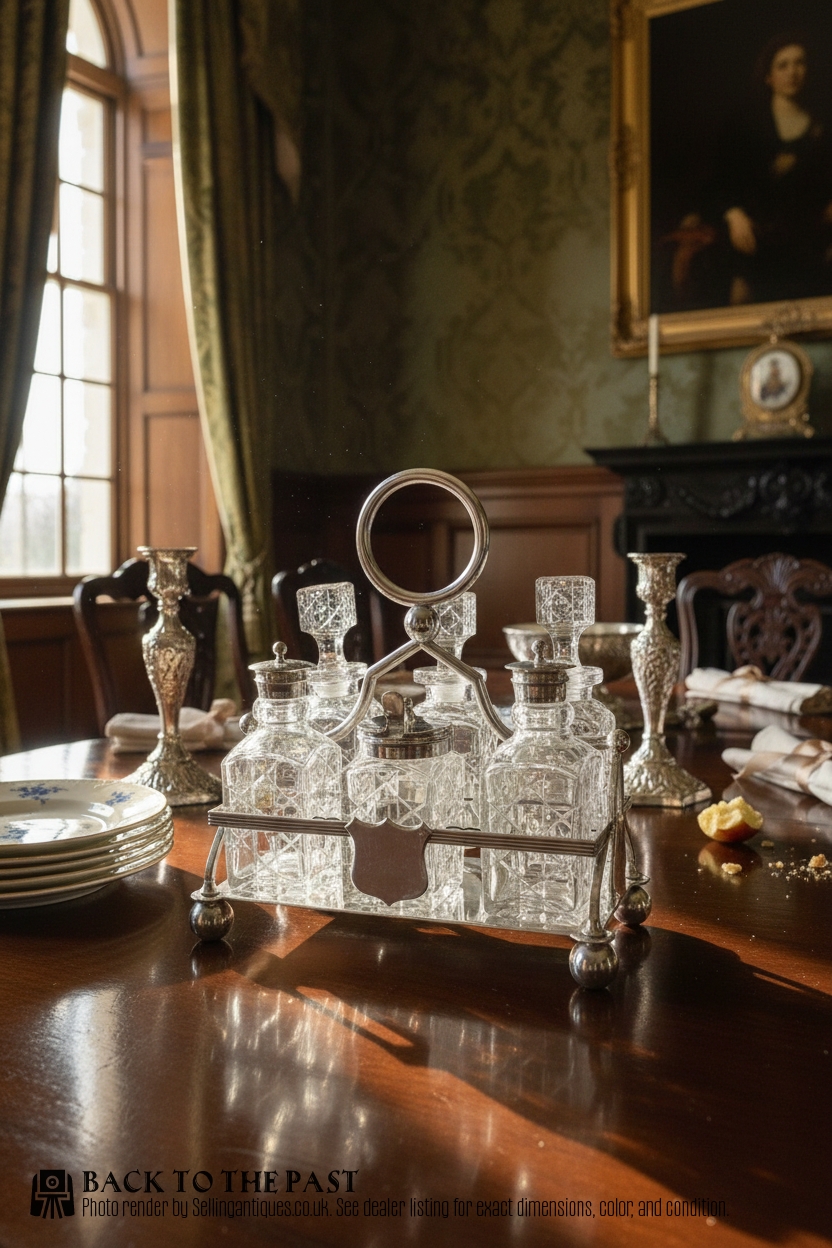
Makers utilised solid sterling silver, silver plate, and cut glass, combining metalworking and glass-cutting techniques to achieve durable yet ornamental vessels. Biscuit barrels and condiment sets frequently paired silver plated mountings with hobnail cut glass bodies, creating contrast between the reflective metal and the faceted crystal.
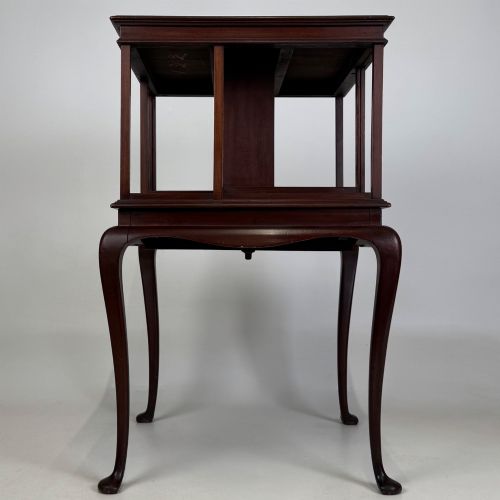
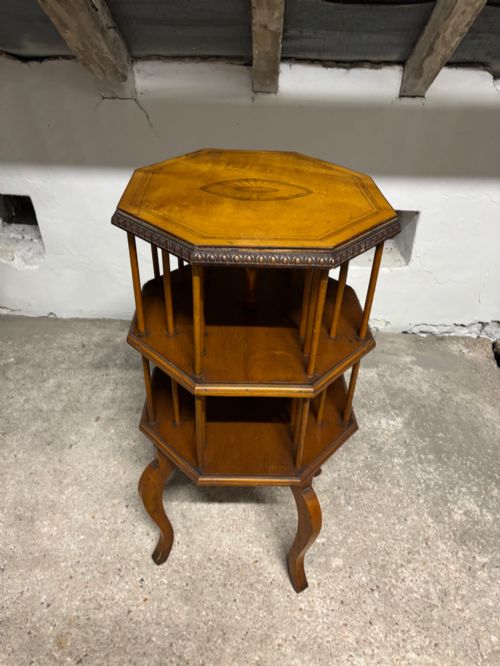
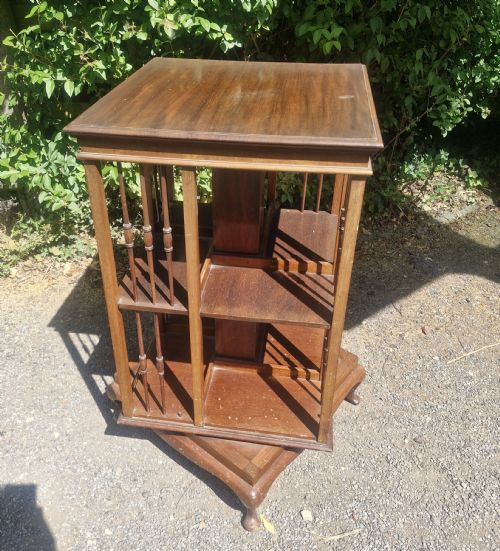
Wooden items relied on dense hardwoods such as mahogany, oak, and walnut, often shaped and joined for desk accessories and boxes. Silver caddies and boxes demonstrated silversmithing skills through piercing, embossing, and fitted hinged lids designed to seal securely.
What varies in quality
The distinction between standard domestic wares and superior examples rests upon the weight of the metal and the precision of the workmanship. Heavier gauge silver and thicker cut glass signal a higher grade of production, whereas lighter plated items indicate more utilitarian manufacture.
Attention to detail separates individual pieces, visible in the crispness of chased decoration, the smooth action of hinged lids, and the integrity of internal fittings. Well-preserved makers' marks and balanced proportions contribute to the standing of an item within its period.
Mappin And Webb·Zimmermann·Georg Jensen
The Vintage Table Caddy Glossary
- Sterling silver
- A silver alloy containing 92.5 percent pure silver by mass, standard for quality British tableware and caddies. This composition ensured durability while maintaining a bright finish.
- Silver plate
- A base metal, such as copper or nickel silver, coated with a thin layer of pure silver through electroplating or older fusion methods. It offered the appearance of solid silver at a lower cost.
- Cut glass
- Glass decorated by grinding facets or patterns into the surface using a rotating wheel. Hobnail cutting created raised pyramidal points that caught the light.
- Biscuit barrel
- A covered container designed specifically for storing dry biscuits on the dining table or sideboard. These often featured ceramic or glass bodies with silver plated swing handles and rims.
- Cruet set
- A matched group of glass bottles or pots mounted in a metal frame for holding condiments like oil, vinegar, salt, and pepper. They stood centrally on dining tables during the Victorian and Edwardian periods.
Vintage Table Caddy: Frequently Asked Questions
What is a table caddy used for?
These vessels were created to hold loose tea leaves, dry biscuits, or condiments on the dining table or sideboard. They kept provisions protected and accessible during formal meals and afternoon tea.
Over time, many of these containers transitioned into decorative storage for small trinkets, desk accessories, or dry goods in modern domestic settings.
How do I clean silver plate?
Silver plate requires gentle cleaning with a specialised silver cloth or mild liquid polish designed for plated items. Avoid aggressive scrubbing that can wear through the thin silver layer.
Store pieces in dry environments away from direct sunlight and humidity to minimise tarnishing between uses.
Are these items safe for food?
While many vintage pieces were originally manufactured for culinary use, contemporary standards recommend caution with antique silver plate and older solders. Modern testing can confirm whether the interior surfaces remain suitable for consumable items.
Most collectors choose to utilise them for dry storage or decorative display rather than daily dining service.
How can I date my caddy?
Dating relies heavily on hallmarks stamped onto silver components, which indicate the assay office, standard of metal, and year of production. Stylistic cues such as Edwardian floral chasing or Art Deco geometric forms also point to specific decades.
Comparing construction techniques and fastening methods helps narrow the manufacturing period when hallmarks are absent or worn.