
Vintage Sword Cane
A vintage sword cane offers understated self-defence and gentlemanly style, concealing a sharp steel blade inside a sturdy wooden shaft.
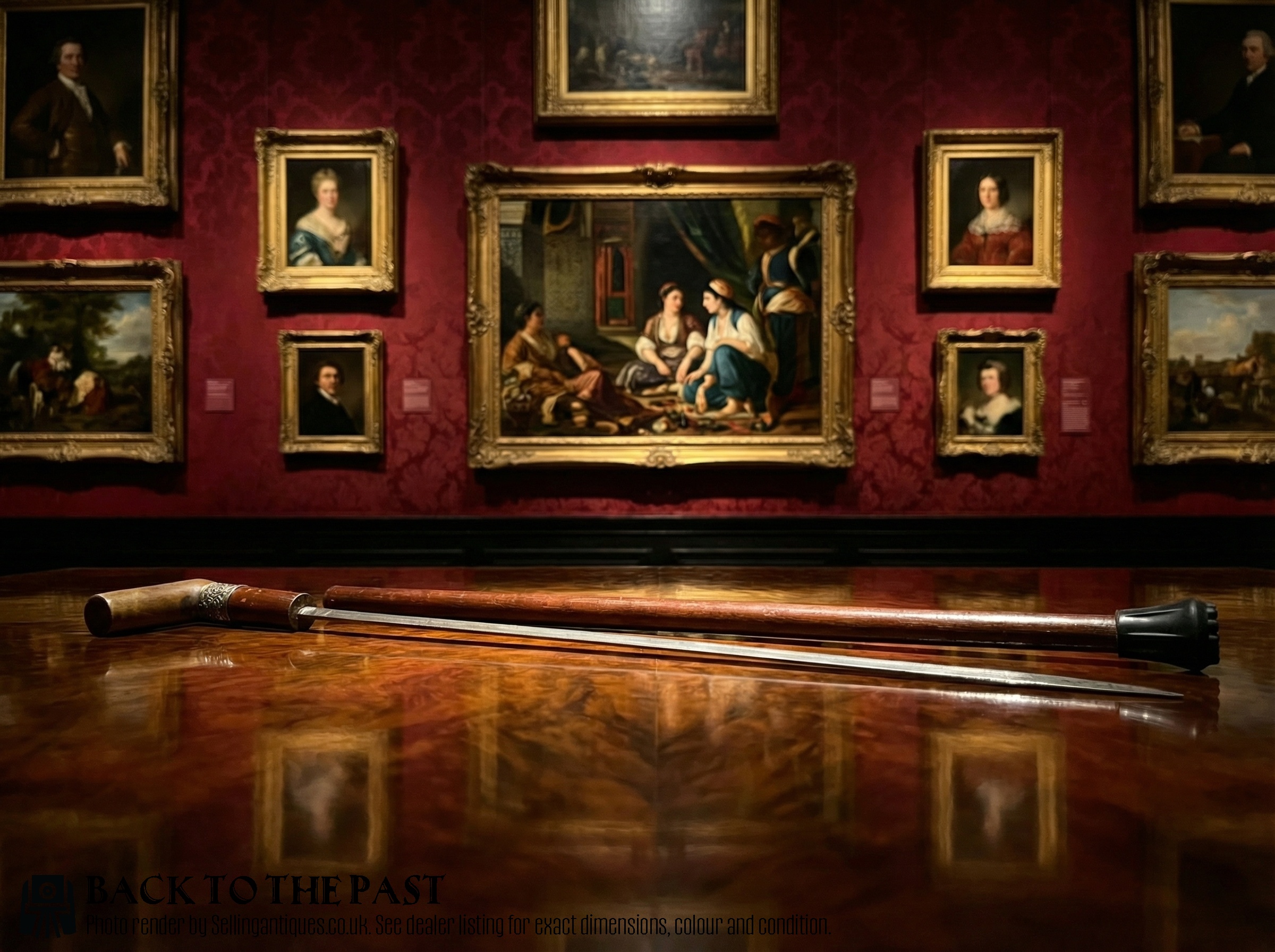
Vintage Sword Cane
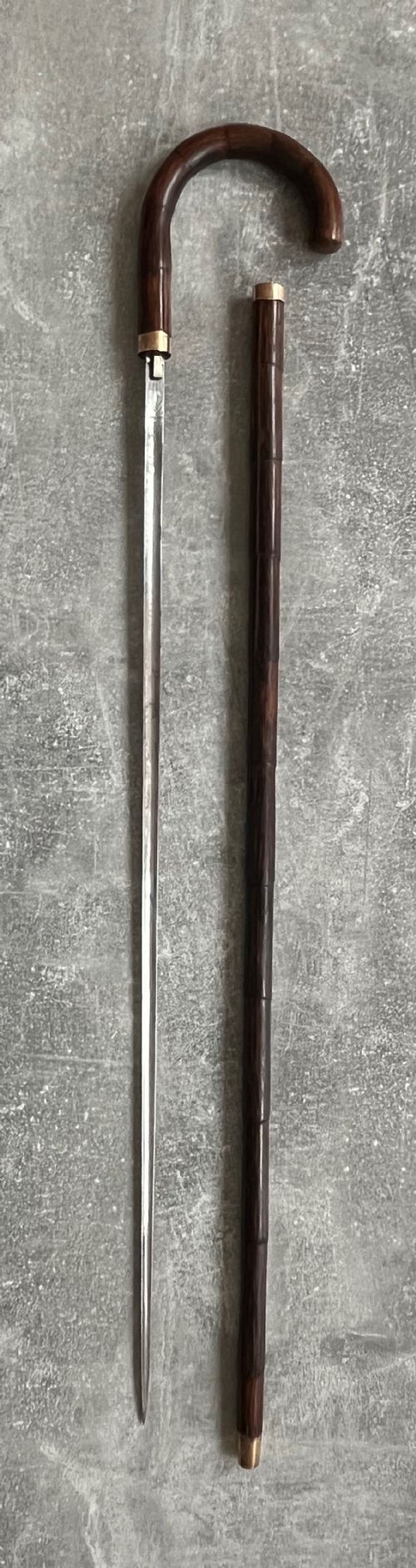
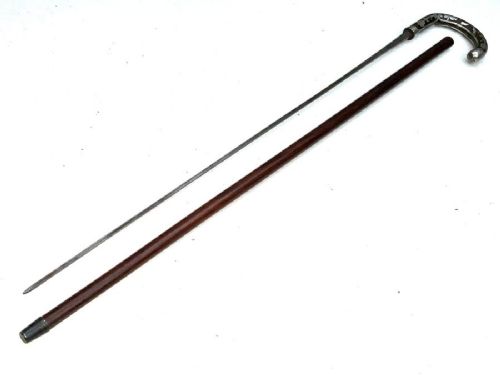
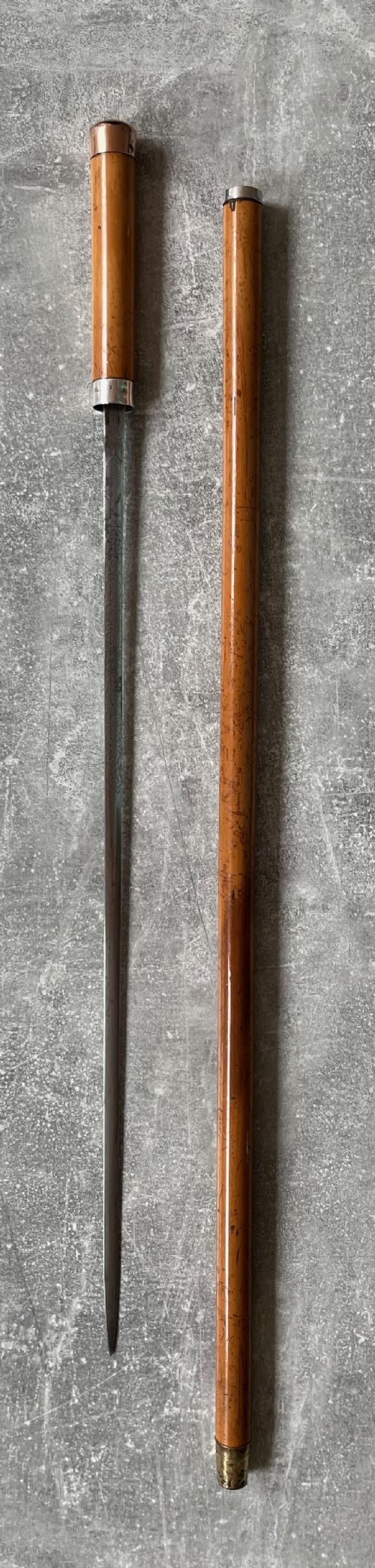
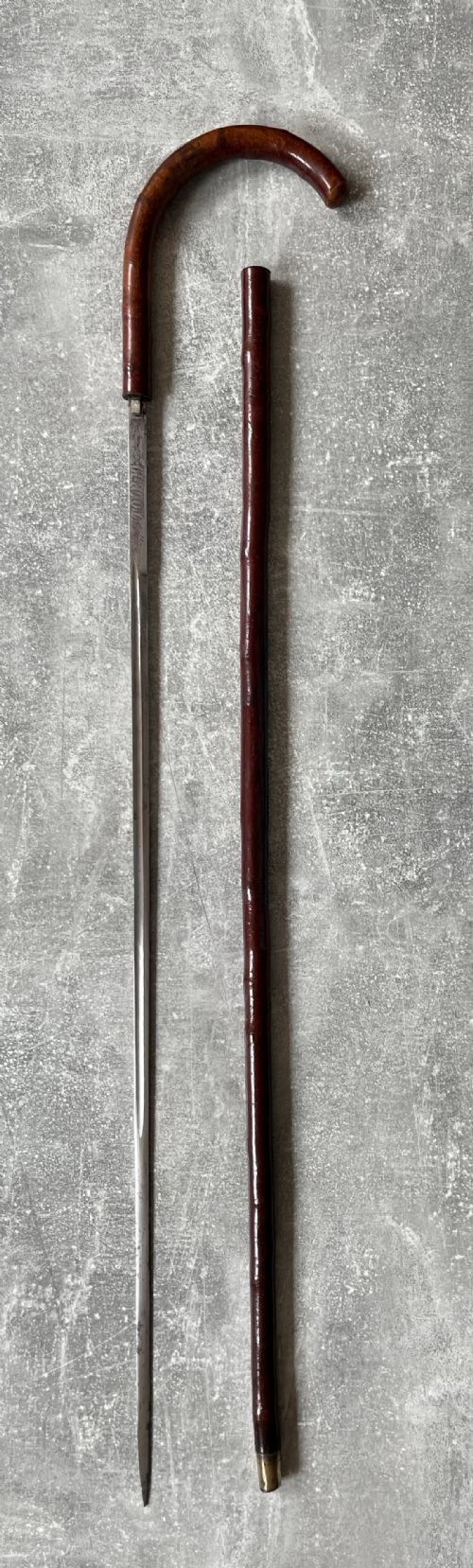
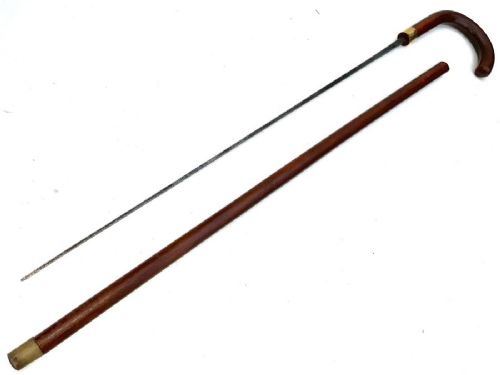
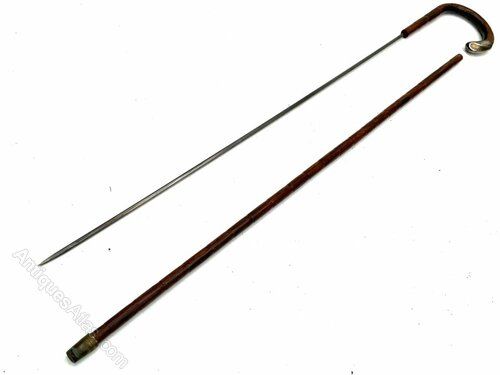
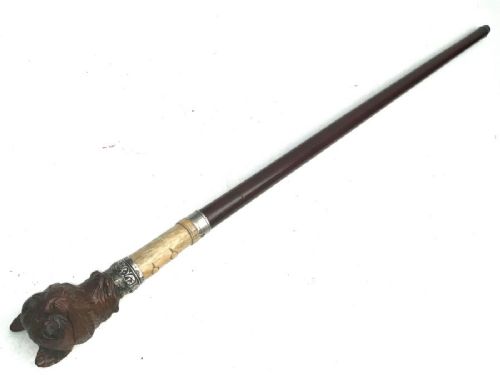
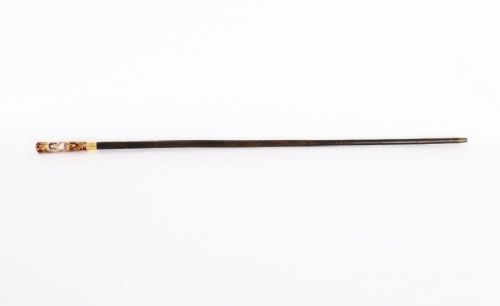
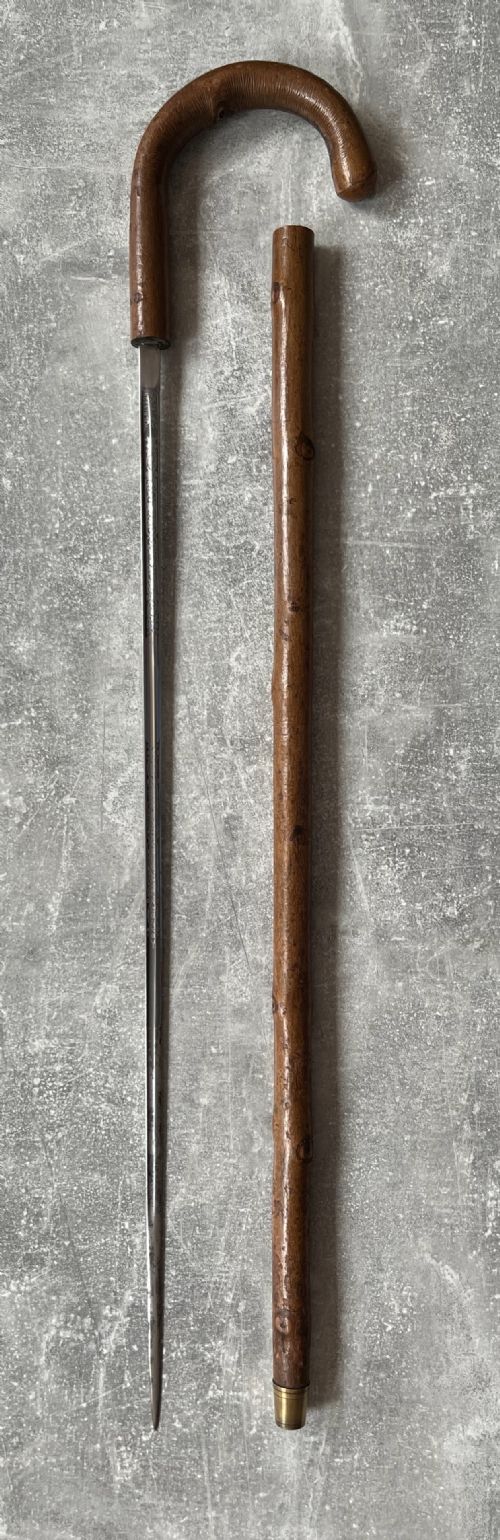
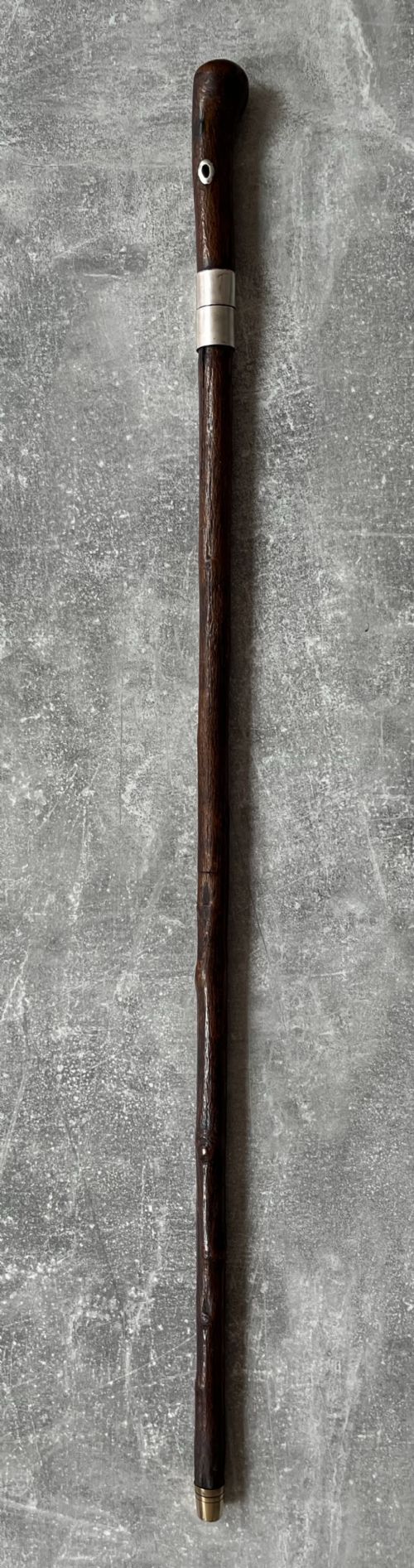
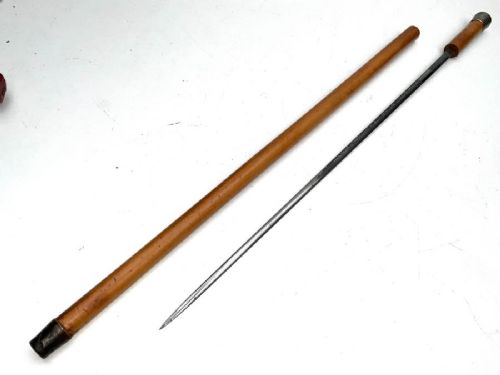
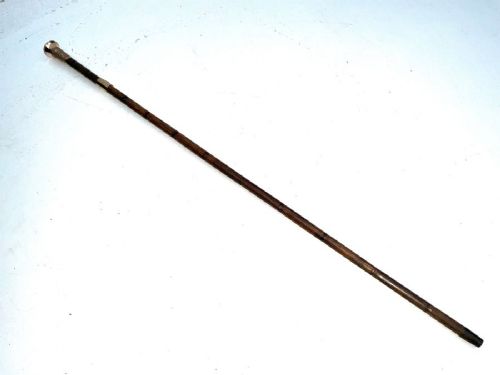
A vintage sword cane combines the everyday utility of a traditional walking stick with a concealed weapon, serving as a discreet personal defence tool for the Victorian and Edwardian gentleman. These pieces usually take the form of standard walking sticks or canes, housing a hidden blade secured by a physical locking mechanism within the wooden shaft.
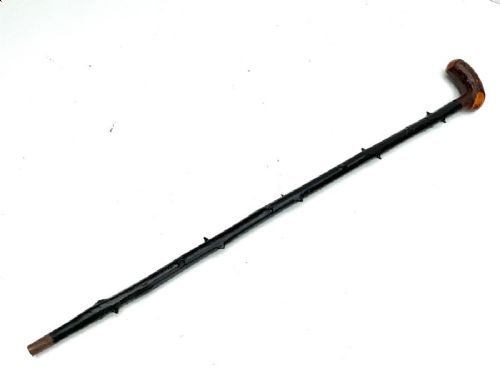
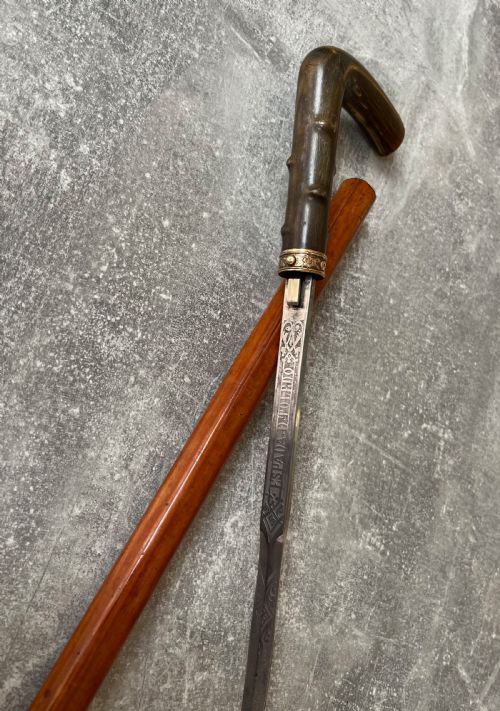
The examples found here span the late nineteenth century into the early decades of the twentieth century, including Victorian and Edwardian periods. Common variations feature distinct handle designs such as crook handles, silver tops, horn grips, and partridge wood or hazel shafts, alongside military officers' and Masonic variants.
Materials and Construction
Makers constructed these canes using durable natural woods like hazel and partridge wood, paired with functional metals such as steel for the blades and brass or silver for mounts and collars. Horn and carved hardwood also formed the handles, providing a solid grip for both walking support and quick deployment.
The internal blades utilised quality forged steel, often paired with specialist makers' works such as Wilkinson blades. Wood shafts were hollowed to exact tolerances to house the blade securely, while collars and caps reinforced the joint where the handle met the shaft.
Vintage Sword Cane Retail Price Guide 2026
Typical asking prices for vintage sword cane among the pieces listed under this phrase on Sellingantiques today, from the lower quarter to the upper quarter. They describe what is for sale here now, not the wider market.
Dating spans from eighteen-ninety through the Edwardian era up to nineteen-twenty, encompassing Masonic and military officer variants.
Assessing Quality and Craftsmanship
Superior quality in a vintage sword cane rests on the precision of the joinery between the handle and the shaft, ensuring the concealed blade fits flush and remains secure during transit. Finer examples feature fully integrated locking mechanisms and substantial precious metal mounts rather than simple plated brass.
The pedigree of the blade itself elevates the piece, particularly signed steel blades from established manufacturers like Wilkinson. Choice materials, such as figured partridge wood or genuine horn handles, further distinguish high-grade gentlemen's walking sticks from utilitarian production.
The Vintage Sword Cane Glossary
- Sword Stick
- A walking stick containing a concealed steel blade. This dual-purpose accessory was popular among gentlemen navigating city streets.
- Wilkinson Blade
- A steel blade produced by the renowned British sword maker. These blades represent a high standard of nineteenth-century smithing.
- Crook Handle
- A curved handle shape resembling a shepherd's crook. This ergonomic form allows the cane to be hooked over a forearm.
- Partridge Wood
- A dense tropical timber prized for its distinctive partridge-feather patterning. Makers selected it for both strength and decorative appeal.
- Silver Top
- A handle capped with solid silver, often bearing British hallmarks. This feature denotes a higher status accessory.
Vintage Sword Cane: Frequently Asked Questions
How do you release the hidden blade?
Most vintage sword canes rely on a simple twist-lock mechanism or a release catch embedded in the collar.
Twisting the handle frees the internal latch, allowing the blade to slide smoothly out of the wooden housing.
Were these canes carried for daily protection?
Gentlemen in the Victorian and Edwardian eras carried these sticks for self-defence during urban commutes or evening walks.
They offered a socially acceptable way to remain armed against street threats without drawing unwanted attention.
How do you date a vintage sword cane?
Dating relies heavily on style cues, material choices, and any silver hallmarks stamped onto the handle or collar.
Masonic symbols, military connections, and specific wood types also help narrow down the period of manufacture.
How should I display a sword cane?
Displaying these pieces safely involves wall-mounted racks or dedicated display cabinets that secure the cane horizontally or vertically.
Keeping the piece away from damp environments protects both the wooden shaft and the steel blade inside.