


Vintage Swiss Watch Cream Dial
A vintage swiss watch cream dial offers timeless horological charm, bringing mid-century character and distinctive patinated faces straight to the wrist.
Vintage Swiss Watch Cream Dial
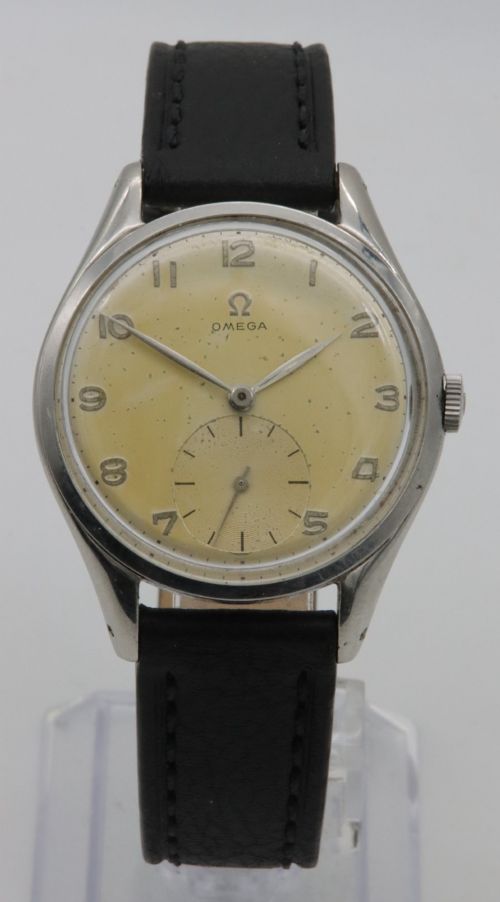
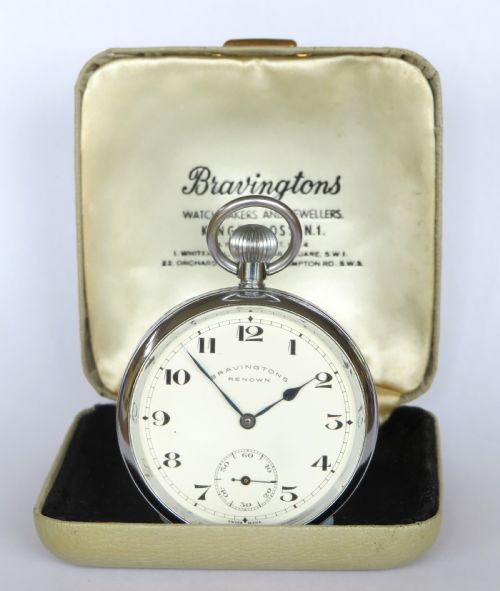
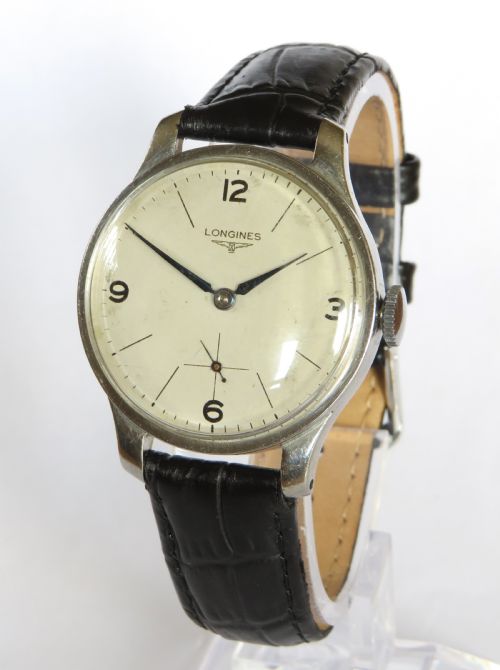
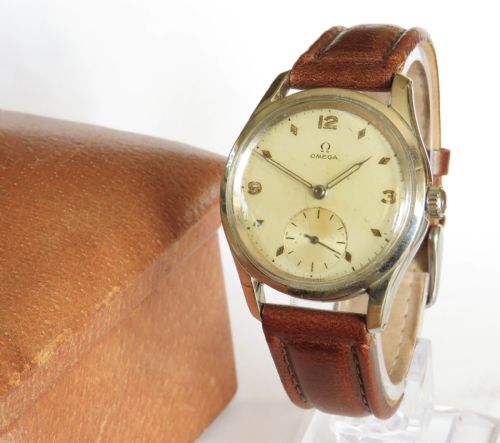
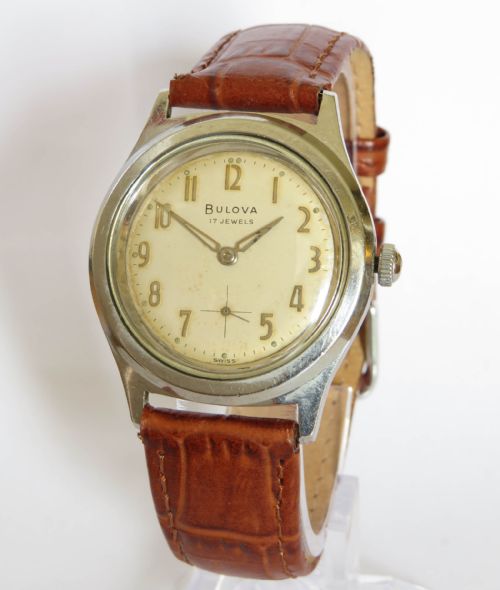
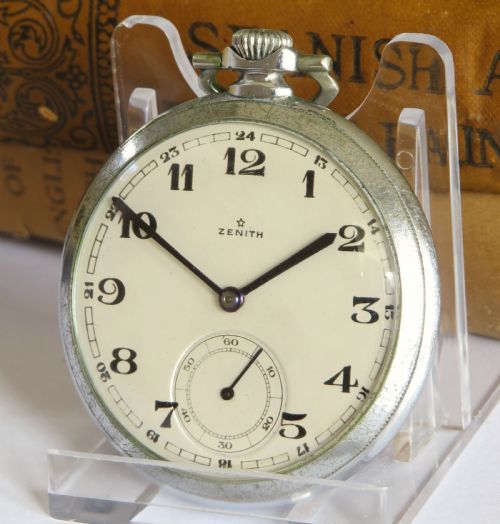
A vintage swiss watch cream dial represents a targeted search for classic timepieces originating from Swiss workshops during the 1930s, 1940s, 1950s, and 1960s. These items primarily appear as gents wristwatches and pocket watches, reflecting mid-century modern styles alongside Art Deco influences and Second World War military specifications.
Buyers exploring this category encounter mechanical wristwatches and pocket watches featuring distinct light-toned faces, often paired with leather straps and metal cases. The selection spans everyday dress pieces by makers such as Omega and Longines alongside robust military issues from the 1940s.
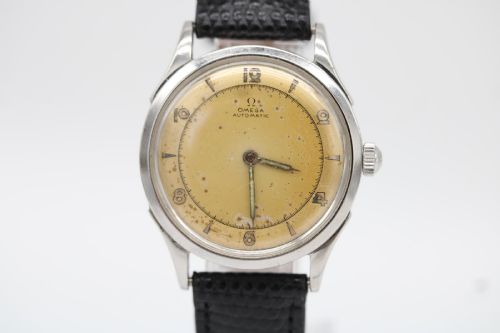
The aesthetic leans heavily into mid-century horology, where simpler manual wind movements and early automatic bumper calibres dominate the offerings. Every piece carries the historical weight of decades past, preserved through stainless steel, chrome-plated metal, and glass components.
Materials and construction
Cases are constructed from durable stainless steel, chrome-plated metal, and standard steel, paired with protective glass or acrylic crystals over the dial. These metallic housings were engineered to protect delicate mechanical movements from daily wear while maintaining a refined profile.
Timepieces utilise mechanical movements, encompassing manual wind calibres and automatic bumper systems that rely on internal weights to tension the mainspring. Leather straps provide the traditional wrist attachment, completing the assembly of components designed for longevity.
Some vintage dials aged gracefully into cream tones, secretly thanking the sun for decades of quiet tanning.
Distinctions in quality
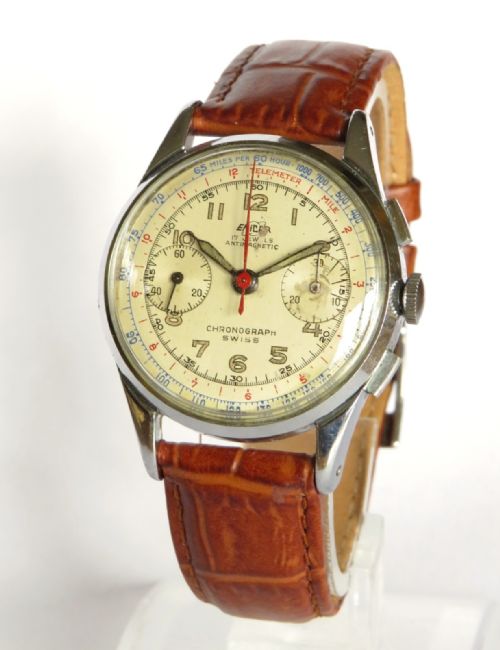
Quality differences rest in the precision and complexity of the internal movement, distinguishing standard hand-wound calibres from sophisticated chronograph mechanisms or automatic bumper movements. Finer examples often stem from established Swiss houses possessing dedicated manufacturing heritage.
The preservation of the dial and case finish dictates the overall standing of an individual piece, where original textures and untouched face details elevate the horological significance. Furthermore, accompanying documentation or original sale papers enhance the historical completeness of the item.
Omega·Bravingtons Renown·Enicar·Longines·Bulova·Zenith·Rotary·Lanco·Marvin·Prisma·Dogma Prima·Tissot·Felca·Rolex·Tudor·Timor·Larex·Breitling
The Vintage Swiss Watch Cream Dial Glossary
- Calibre
- The specific internal mechanical movement manufactured by a watchmaker. It serves as the primary identifier for the design and architecture within the watch case.
- Manual wind
- A mechanical movement requiring the wearer to hand-wind the crown periodically to tension the mainspring. This traditional system lacks automatic rotor weighting.
- Automatic bumper
- An early form of self-winding mechanical movement utilising a weighted bumper that swings back and forth within a limited arc. Collectors prize this mid-century innovation for its distinct mechanical feel.
- Chronograph
- A timepiece equipped with a stopwatch function alongside standard timekeeping displays. These models feature additional sub-dials and pusher controls on the case exterior.
- New Old Stock
- Unsold vintage items preserved in unused condition over decades. These pieces retain their original factory state without previous everyday wear.
Vintage Swiss Watch Cream Dial: Frequently Asked Questions
How do I wind a manual watch?
Rotate the crown gently between your thumb and forefinger clockwise until you feel slight resistance. Stop immediately to avoid damaging the internal mainspring.
Perform this action daily at a consistent time if you wear the piece regularly to maintain accurate timekeeping.
Are these watches water resistant?
Vintage timepieces lack modern rubber gaskets and contemporary sealing technology. Exposure to moisture, rain, or humidity can easily compromise the delicate internal metal components.
Keep these items entirely away from water and remove them before washing your hands or swimming.
What does cream dial mean?
A cream dial describes the pale, off-white hue of the watch face. Over decades, silvered or white dials can age into this warm, creamy tone due to natural oxidation.
This subtle ageing process is embraced by collectors for the genuine historical character it imparts upon the piece.
How do I date my watch?
Examine the text and stylistic cues on the dial alongside any stamped serial numbers located on the case back or inside the movement. Reference records associated with Swiss makers to match those production numbers to specific years.
Many pieces span from the 1930s through the 1960s, identifiable through changing case geometry and movement technology.
Can I wear a vintage watch daily?
These historical timepieces function well for everyday wear provided they receive proper care and occasional professional servicing. Treat them with respect due to their age and delicate mechanical nature.
Avoid wearing them during vigorous physical activities, heavy manual labour, or contact sports to protect the internal escapement.