
1950s Swiss Dress Watch
A 1950s swiss dress watch offers understated mid-century style and mechanical longevity, making it a reliable daily timepiece.
1950s Swiss Dress Watch
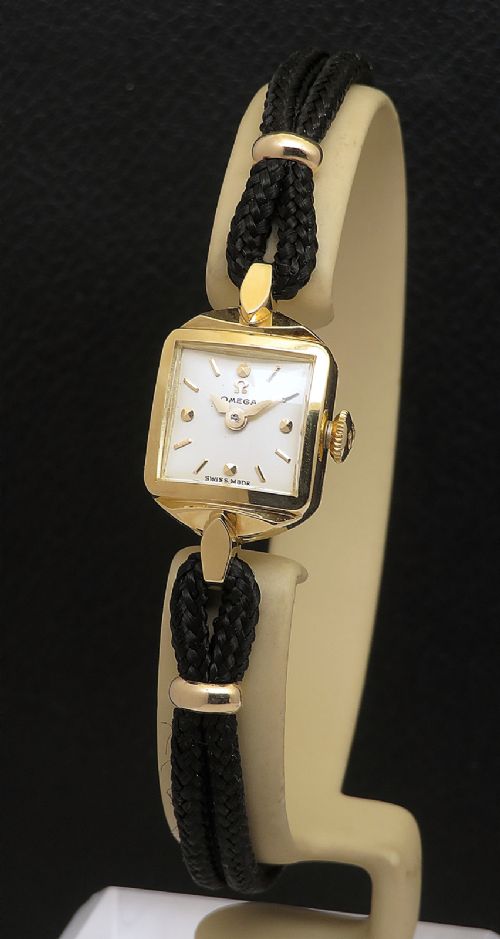
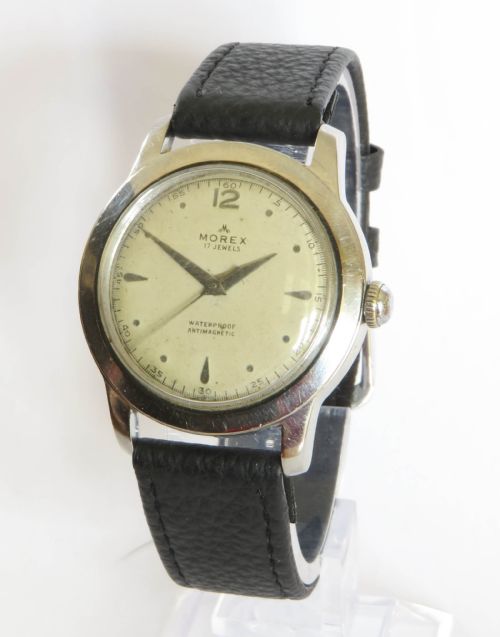
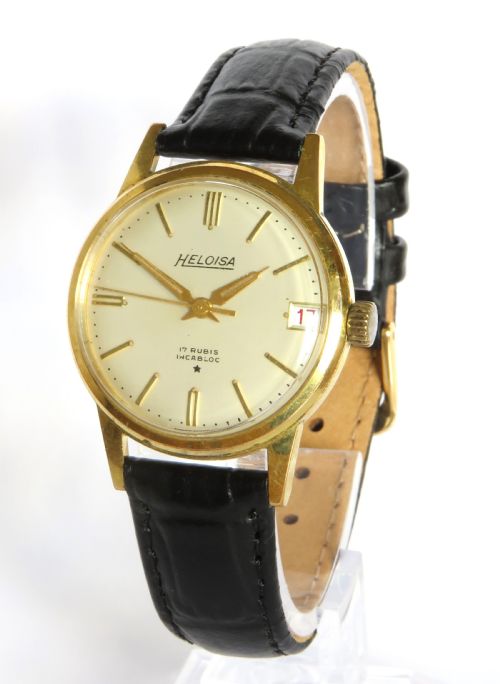
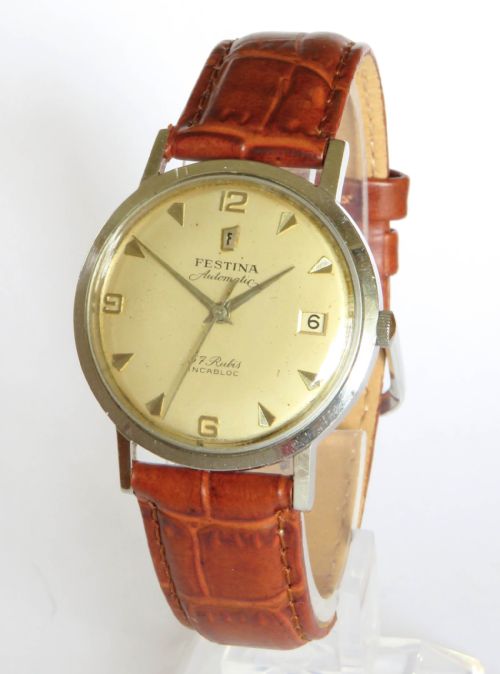
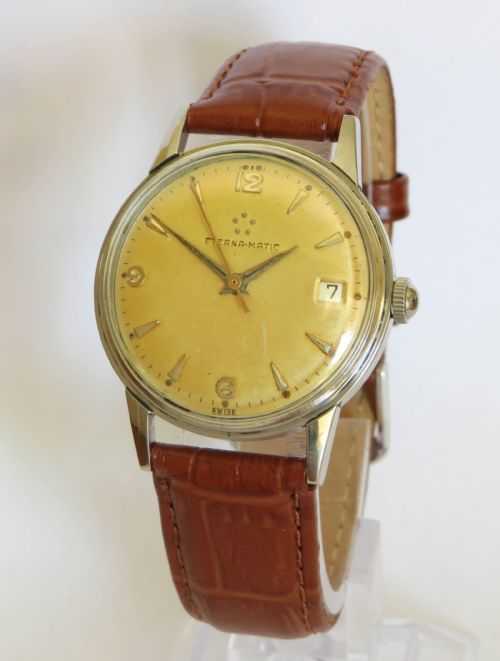
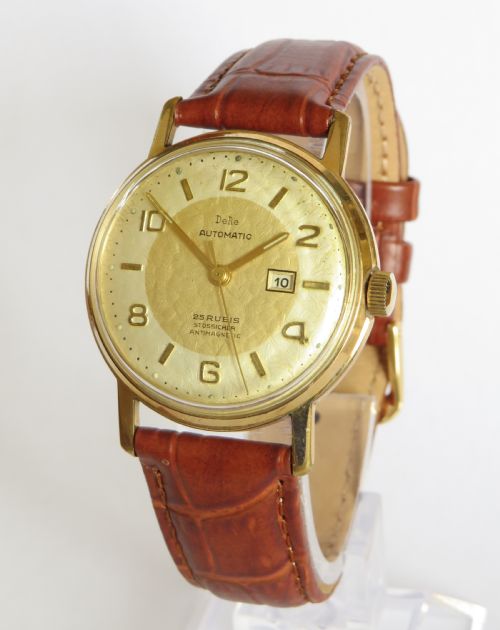
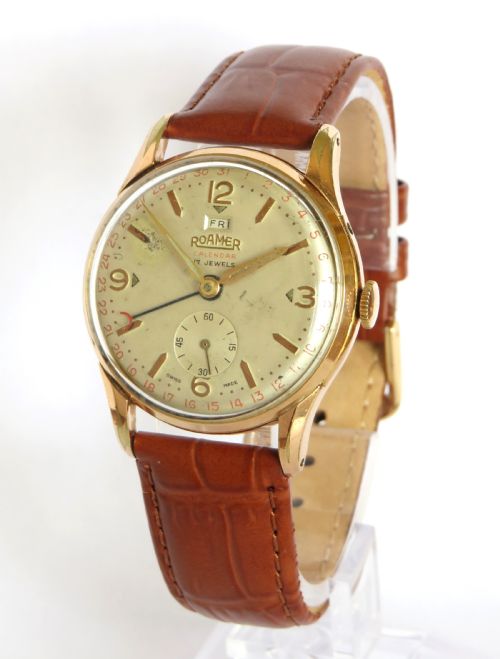
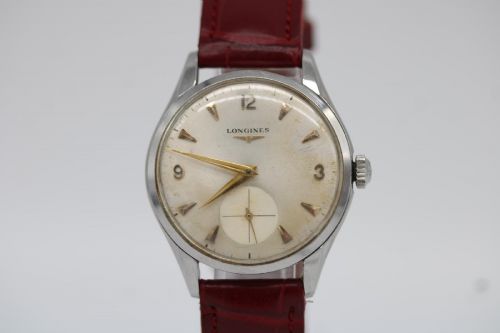
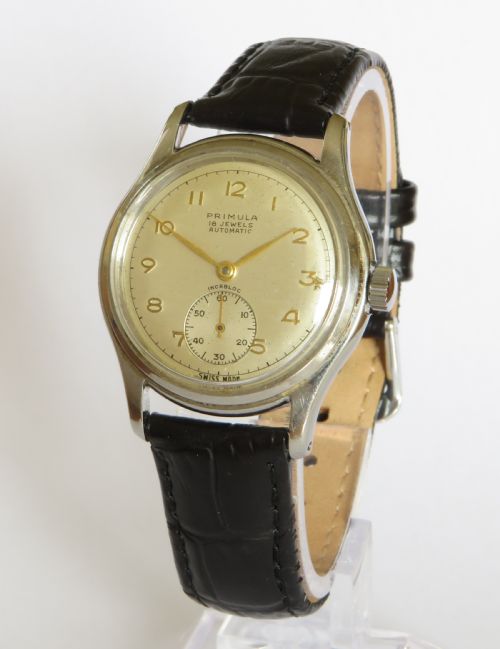
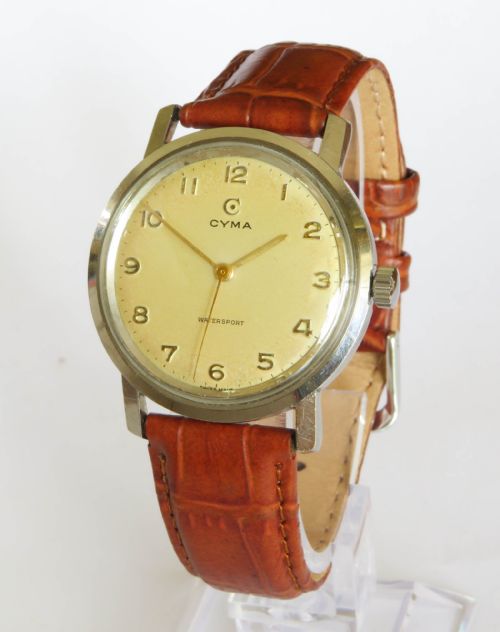
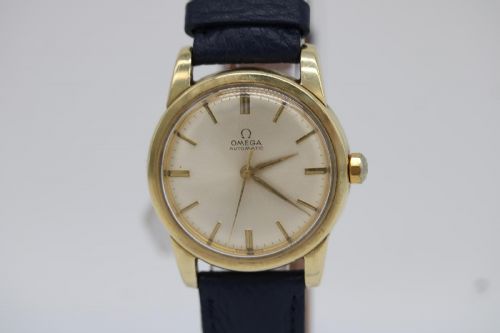
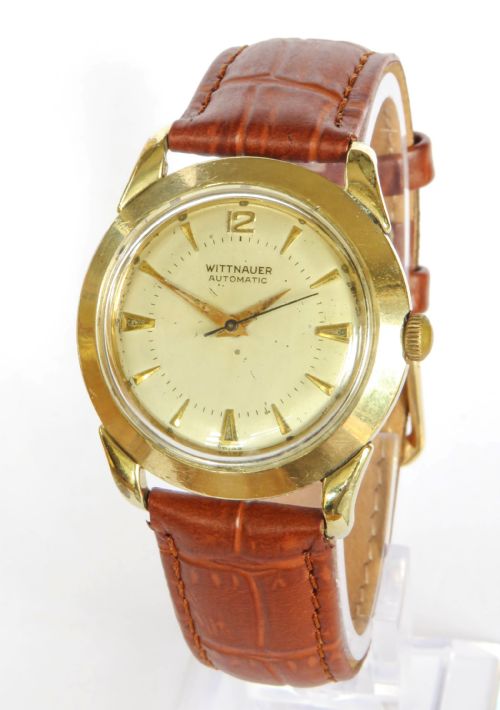
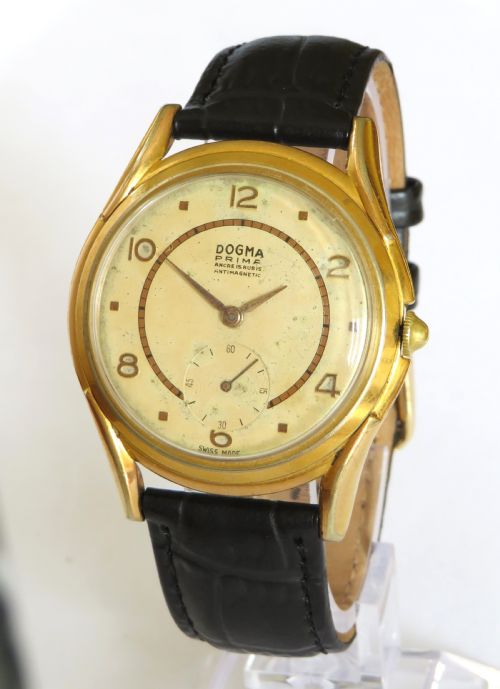
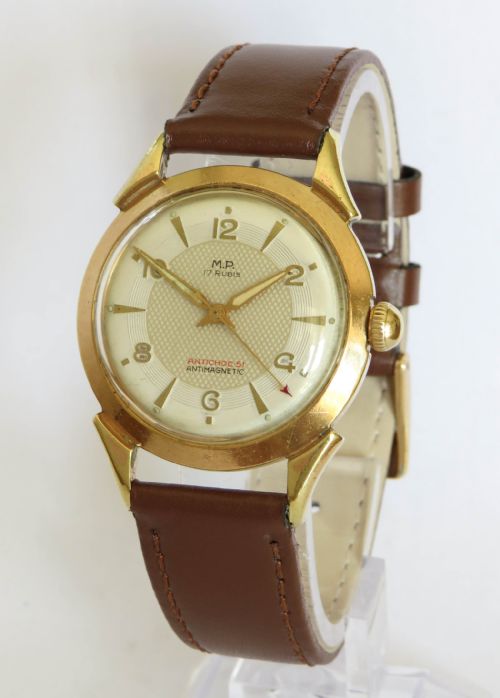
A 1950s swiss dress watch primarily appears on this page as a gentleman's wristwatch or a ladies cocktail watch. These pieces originate from the 1950 and 1960 periods, aligning with mid-century modern, mid-century classic, and art deco design traditions.
The selection includes automatic, manual wind, and calendar movements housed in various case forms. Buyers encounter both robust everyday items and precious metal variants suitable for formal wear.
How they were made
Manufacturers utilised metals such as stainless steel, chrome, gold plate, and solid 18ct or 9ct gold for the cases. Dials sit beneath glass or acrylic crystals.
Straps and bracelets combine leather, fabric, and matching metal elements to secure the watch. Movements rely on traditional mechanical gear trains driven by manual winding or automatic winding weights.
Listings feature stainless steel, gold plate, and solid gold materials alongside leather and fabric straps.
What varies in quality
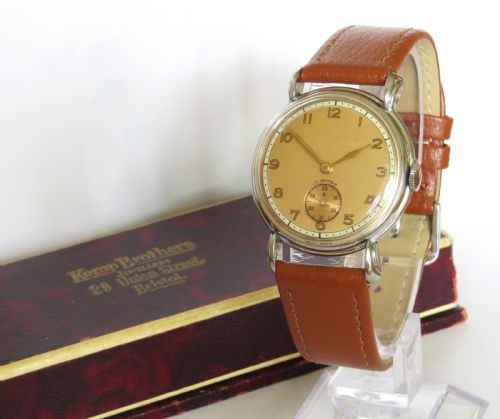
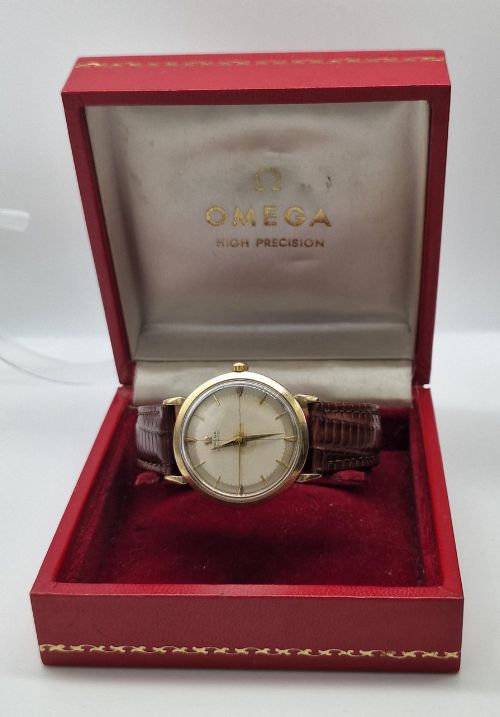
Case materials dictate the baseline tier of a piece, moving from chrome and gold plate up to solid gold, white gold, platinum, and diamond-set iterations. The presence of original packaging, such as a factory box, elevates an example.
Movement sophistication and overall preservation of dial details separate standard items from top-tier examples. Original components and factory finishing hold greater weight among collectors.
Omega·Montilier·Heloisa·Festina·Eterna Matic·DeRe·Roamer·Longines·Primula·Cyma·Seamaster·Wittnauer·Dogma Prima·Rotary·Lanco·Baume Bimatic·Prisma·Marvin·Certina·Ebana·Baume Mercier·Tissot·Jaeger-LeCoultre·Tudor Royal
The 1950s Swiss Dress Watch Glossary
- Automatic
- A mechanical movement that winds itself using the natural motion of the wearer's wrist via an internal rotor.
- Manual wind
- A mechanical movement requiring the user to manually turn the crown to tension the mainspring.
- Cocktail watch
- A small, decorative ladies watch often set with precious stones and worn for formal evening occasions.
- Calibre
- The specific manufacturer's internal designation for a particular watch movement design.
- Acrylic
- A lightweight synthetic plastic material utilised for watch crystals prior to the widespread adoption of sapphire.
1950s Swiss Dress Watch: Frequently Asked Questions
How do I wind a manual watch?
Rotate the crown clockwise between your thumb and forefinger until you feel gentle resistance. Stop immediately to avoid damaging the mainspring.
Perform this action at roughly the same time each day to maintain consistent timekeeping.
Are these watches water resistant?
Vintage timepieces from this era lack modern rubber gaskets and screw-down crowns. Exposure to moisture can rust internal steel components.
Keep the watch away from sinks, swimming pools, and heavy rain.
Can I wear mine daily?
Mechanical wristwatches function well for everyday office or social wear. Treat them with care during physical activities.
Avoid wearing them while gardening, playing sports, or engaging in heavy manual labour.
What is a bumper automatic?
An early self-winding mechanism where an internal weighted rotor swings back and forth against springs. The wearer feels a distinct tap on the wrist as the weight moves.
This design represents a transitional technology before full-rotor automatic movements became standard.