
Vintage Swiss Movement
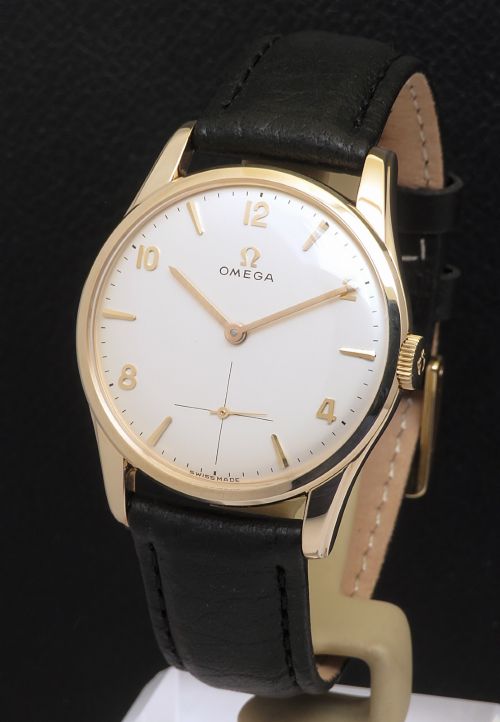
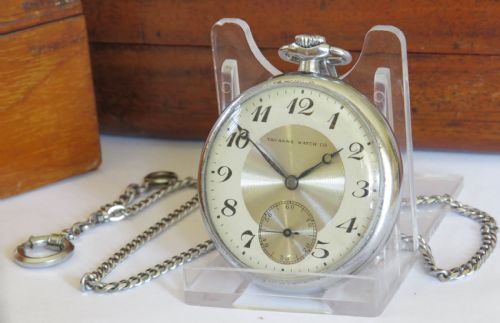
When you search for vintage swiss movement, you encounter a diverse range of horological items spanning pocket watches, wristwatches, and clocks from various decades.
Vintage Swiss Movement
When you search for vintage swiss movement, you are looking at horological items driven by Swiss mechanisms, encompassing wristwatches, pocket watches, and clocks. These timepieces originate from periods spanning the nineteenth century through the 1960s, reflecting changing mechanical designs and styles over generations.
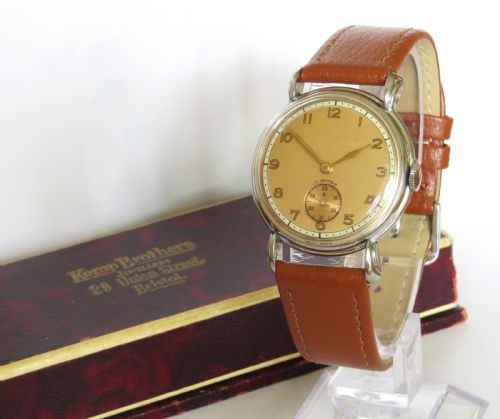
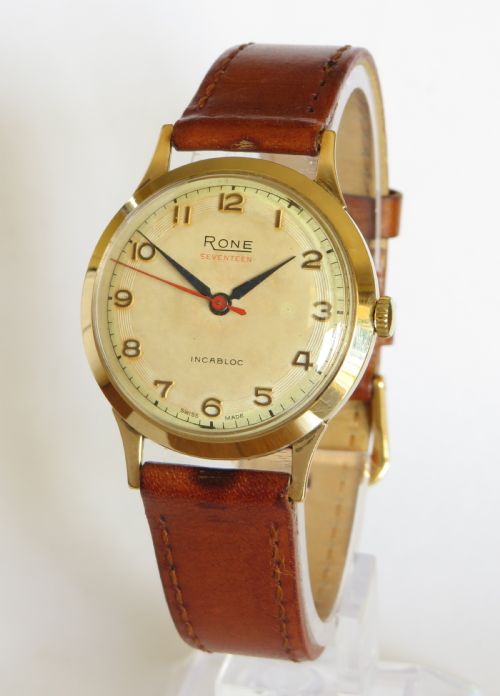
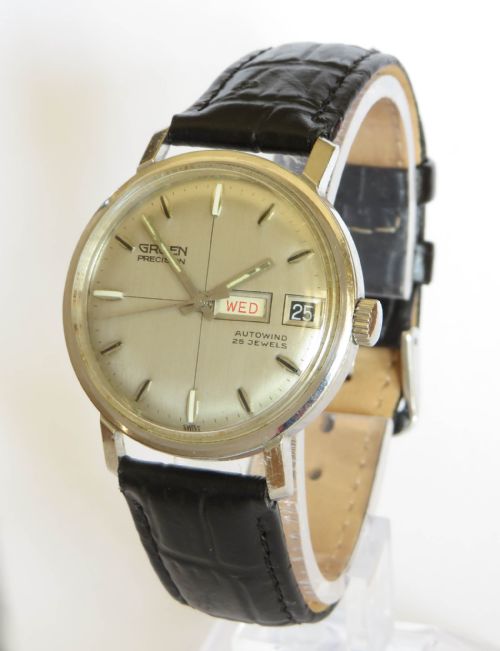
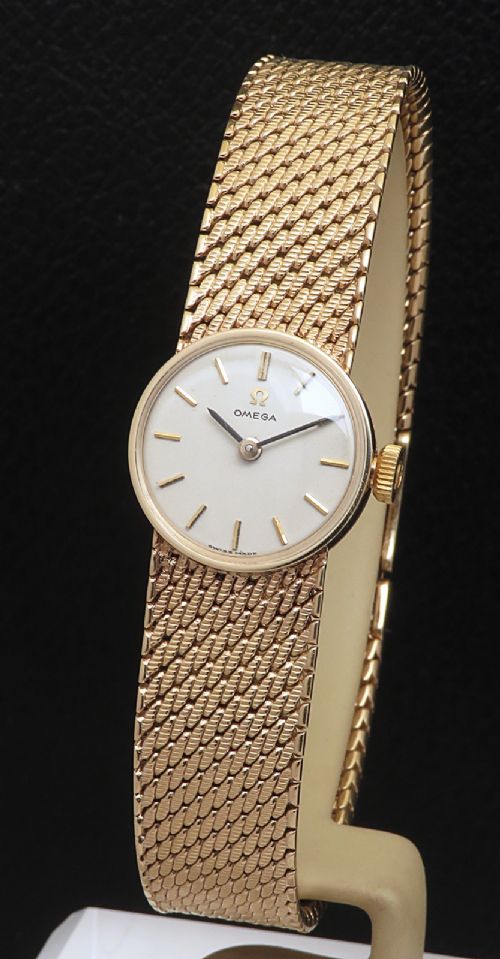
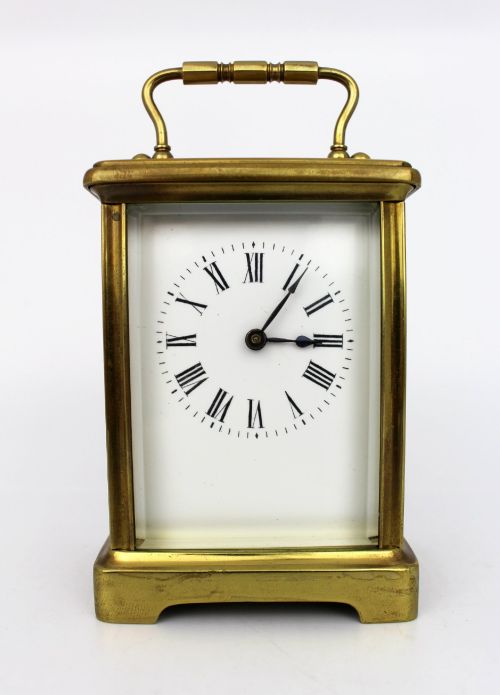
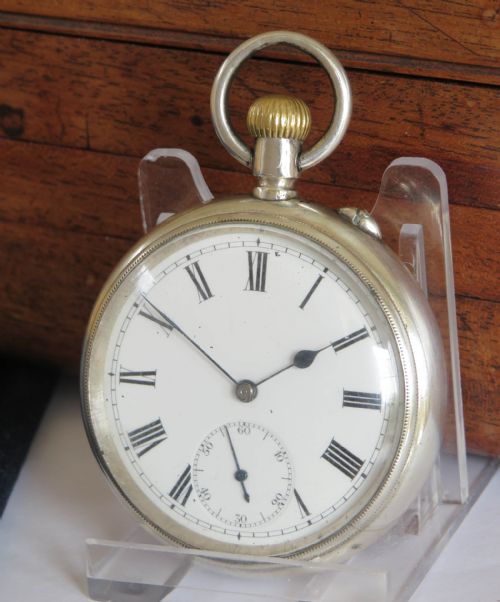
You are most likely to meet gents wristwatches and pocket watches on this page, alongside carriage clocks and desk clocks. The selection includes designs from the Edwardian era, Art Deco period, and Mid-Century Modern movements, housed in cases of different materials.
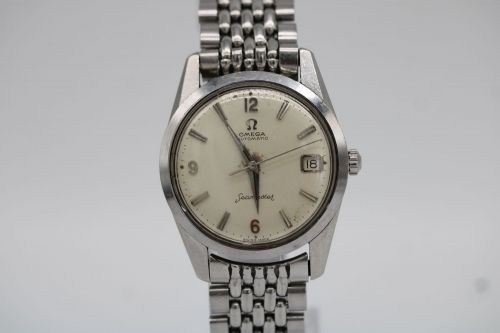
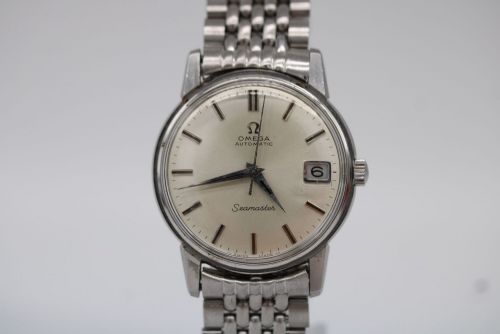
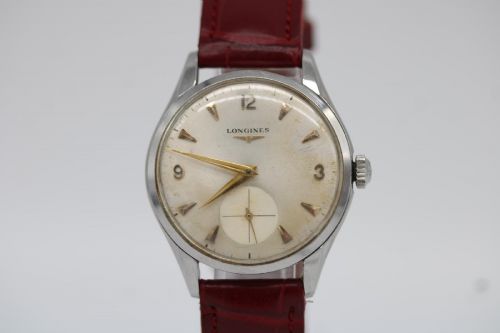
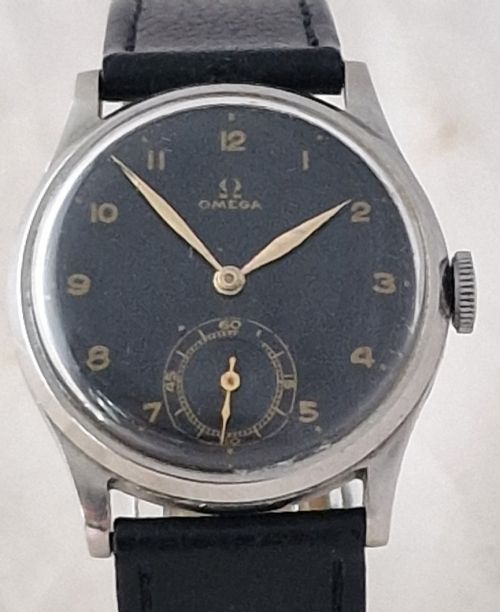
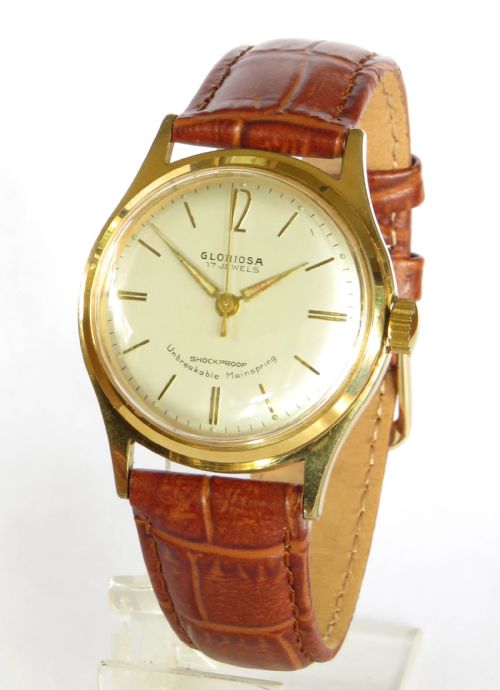
The assortment brings together everyday functional items and dress pieces, originating from workshops and manufacturers that utilised Swiss calibres. Each object represents a specific decade of watchmaking, from early twentieth-century pocket designs to automatic wristwatches of the 1960s.
How they were made
Makers housed vintage swiss movement calibres in cases fashioned from stainless steel, brass, gold plate, and solid gold variants such as 9ct and 18ct gold. Components also incorporate glass crystals, leather straps, acrylic elements, and enamel details.
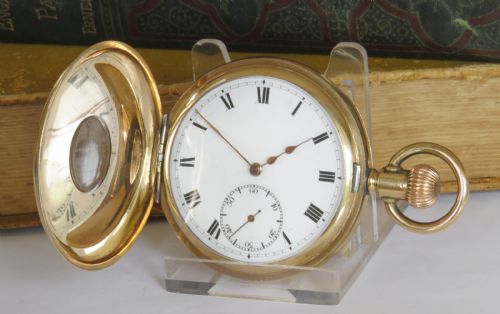
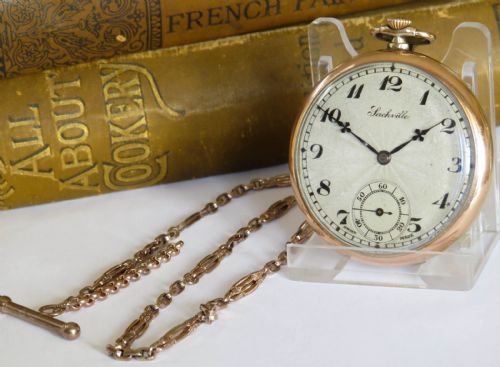
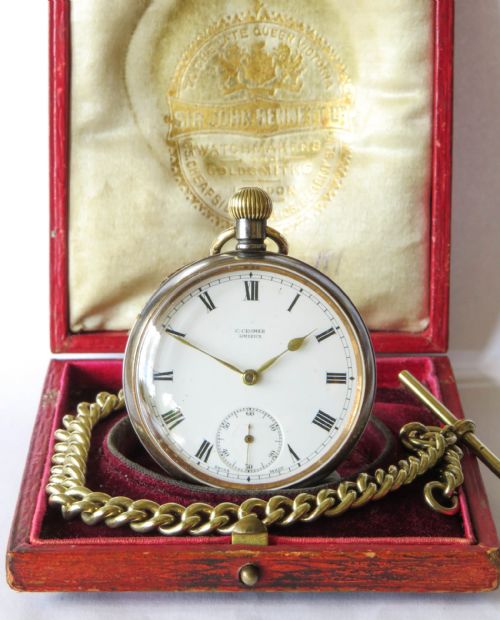
Pocket watch construction frequently involved hunter or half hunter metal cases, sometimes paired with chains, whilst wristwatches combined metal housings with dials featuring patinated surfaces or specialised layouts like panda dials.
Some pocket watches bear the scars of long railway journeys, ticking steadily through another century.
What varies in quality
The hierarchy of quality rests upon the material composition of the case, ranging from standard stainless steel and gold-plated brass to solid 9ct and 18ct gold constructions, occasionally set with diamonds. Heavier case weights and precious metal specifications separate standard production items from high-specification pieces.
Distinction also arises in the mechanical complexity and execution of the movement itself, such as automatic wind mechanisms, precision chronometer grades, and specialised chronograph functions. The inclusion of original packaging or matching presentation boxes further differentiates individual examples.
Omega·Longines·Breitling·Bulova·Tissot·Cyma·Tavannes·Eterna·Girard Perregaux·Certina·Invicta·Gruen·Roamer
The Vintage Swiss Movement Glossary
- Calibre
- The specific internal mechanism or movement design produced by a watch manufacturer. This designation identifies the exact technical layout of the gears and escapement.
- Half hunter
- A pocket watch case featuring a solid metal outer cover with a glass or open centre window. This allows the wearer to read the hands without opening the front lid.
- Bumper automatic
- An early self-winding mechanical watch movement where the rotor swings back and forth against springs rather than rotating fully 360 degrees. This motion winds the mainspring as the wearer moves their wrist.
- Chronograph
- A watch equipped with a complication that allows it to function as a stopwatch alongside standard timekeeping. Such models feature independent sweep hands and push-pieces on the case.
- Panda dial
- A watch dial layout featuring contrasting sub-dials set against a lighter main background colour. The distinctive arrangement resembles the facial markings of a panda.
Vintage Swiss Movement: Frequently Asked Questions
What is a swiss movement?
A Swiss movement refers to a watch mechanism whose components were assembled in Switzerland, with the final inspection taking place within the country under Swiss horological standards.
These movements power both pocket watches and wristwatches found across various twentieth-century decades.
How do I wind a manual watch?
You wind a manual vintage watch by turning the crown clockwise between your thumb and forefinger until you feel gentle resistance. Care should be taken not to force the crown once tension increases.
This action tensions the mainspring inside the movement to store power for timekeeping.
What is the difference between manual and automatic?
Manual watches require daily hand-winding via the crown to maintain their power reserve and keep time. Automatic watches contain an internal weighted rotor that winds the mainspring autonomously using the natural motion of the wearer's wrist.
Both systems rely on traditional gear trains and escapements to regulate the release of energy.
How do I identify the decade of a watch?
You can often determine the production period by examining the case style, dial typography, logo design, and movement serial numbers. Art Deco geometric lines point to the 1930s, whilst cleaner minimalist layouts typically indicate the 1950s or 1960s.
Materials such as solid white gold or stainless steel also align with specific manufacturing eras.