
Vintage Swing Mirror
A vintage swing mirror brings period warmth and practical glass to a dressing table.
Vintage Swing Mirror
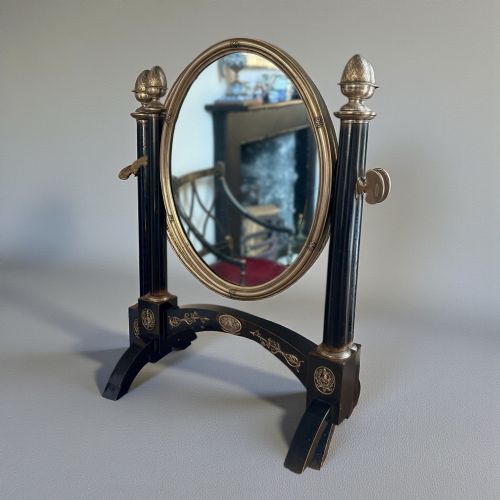
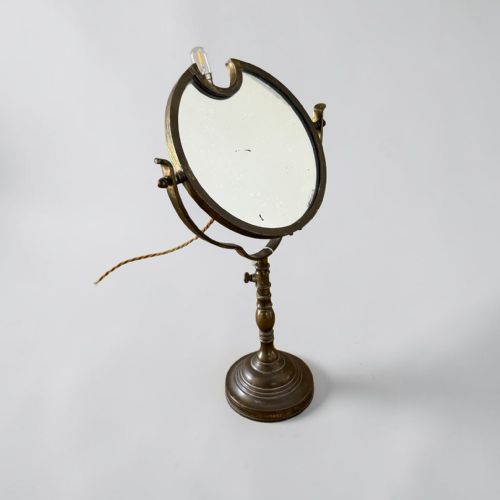
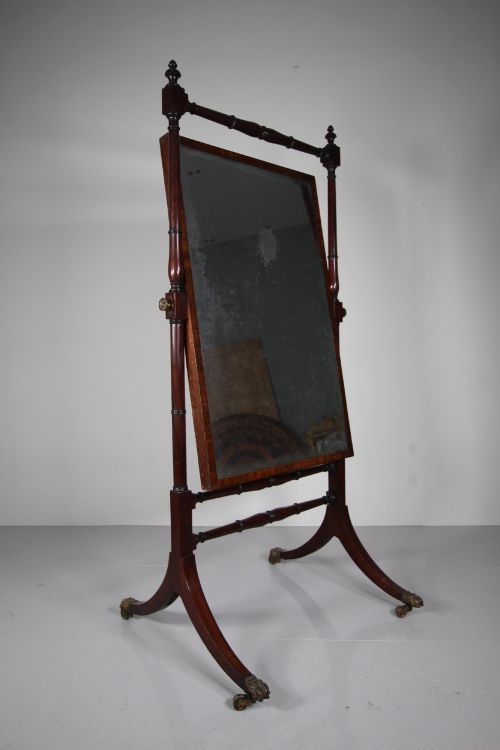
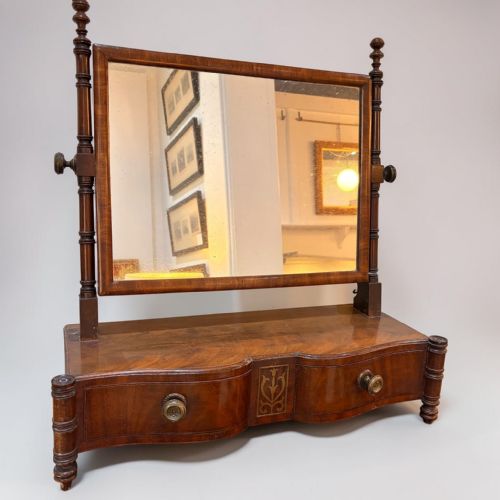
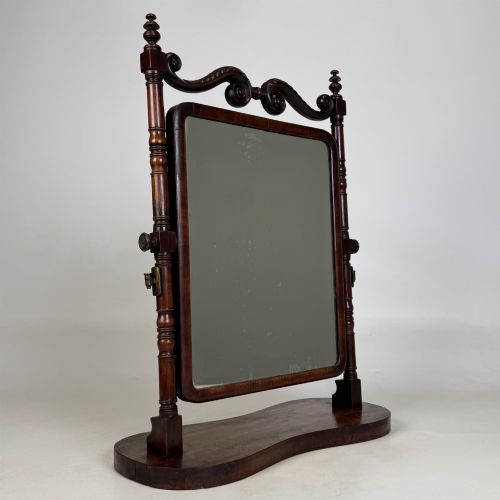
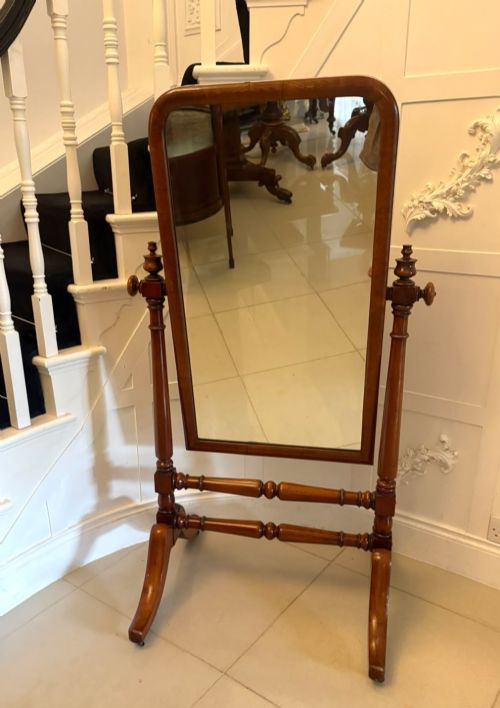
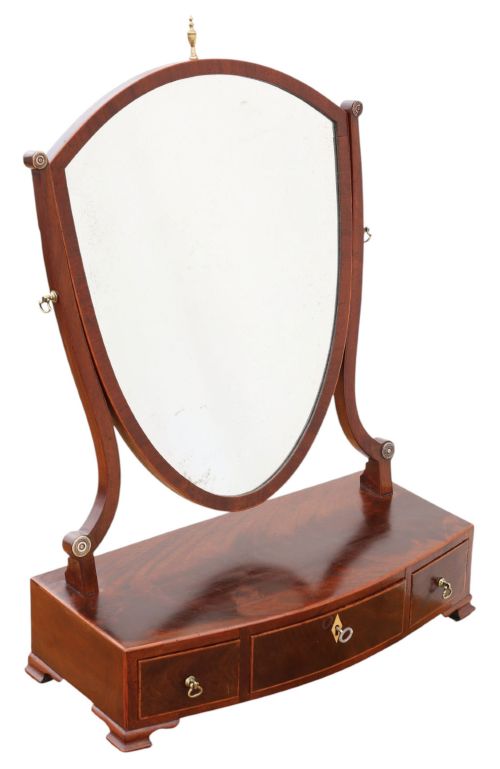
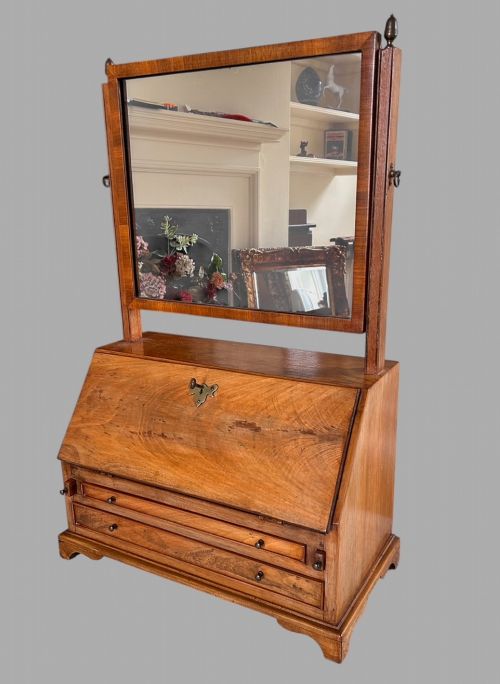
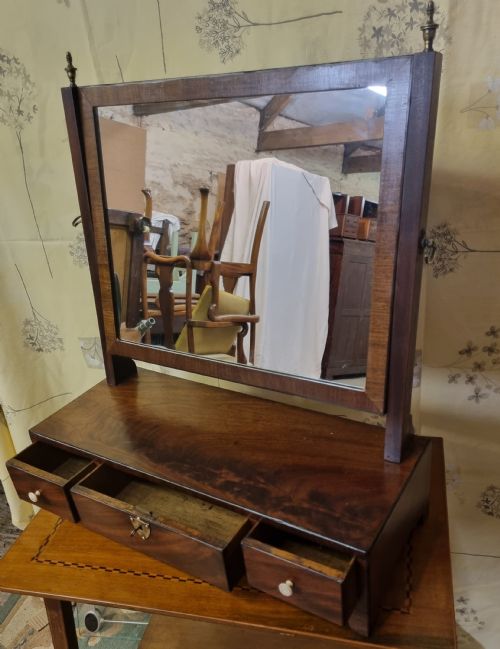
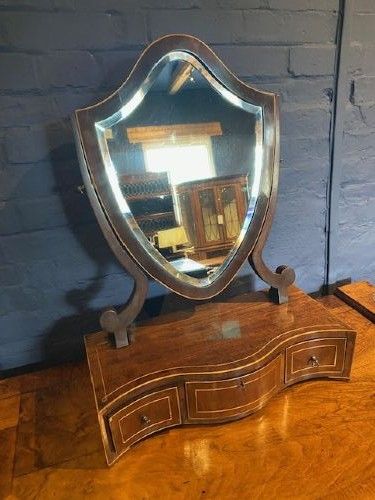
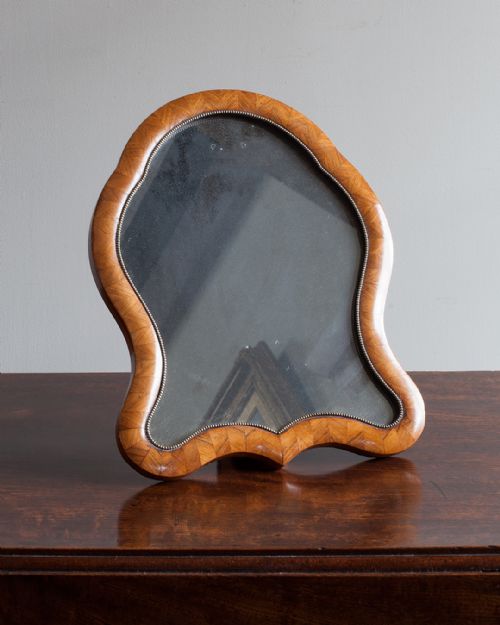
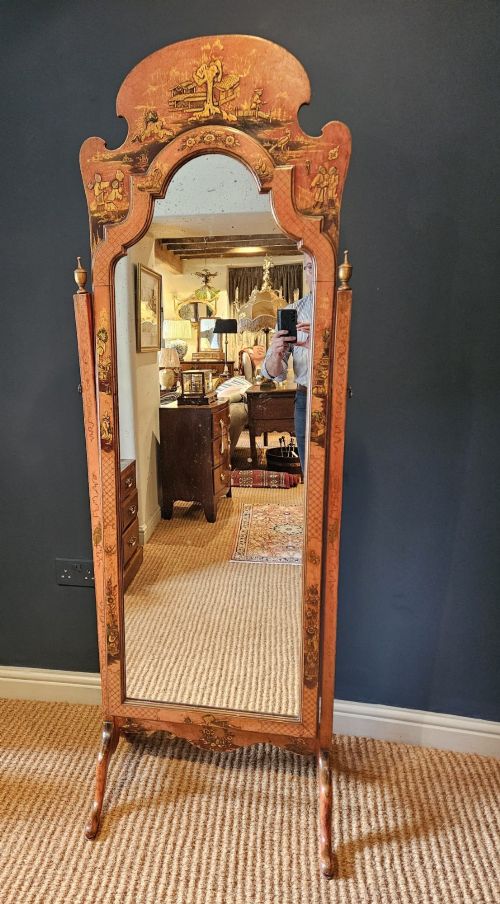
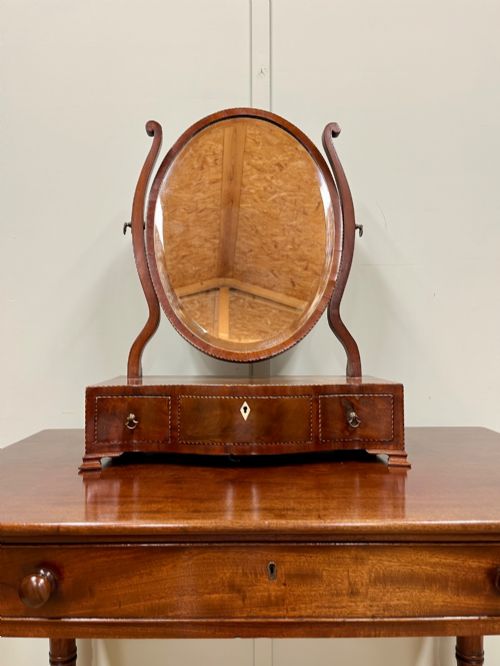
A vintage swing mirror stands as a functional piece of bedroom furniture designed to pivot within a supportive frame, allowing the user to adjust the angle of the glass. When buyers search for a vintage swing mirror, they encounter various forms ranging from compact tabletop toilet mirrors with integrated drawers to large floor-standing cheval mirrors.
The selections span multiple periods, with Victorian and Georgian mahogany examples appearing most frequently alongside 20th-century walnut and oak interpretations. These items served primarily in bedrooms and dressing rooms for grooming, reflecting the distinct craftsmanship of their respective eras.
Materials and construction methods
Cabinetmakers constructed these frames predominantly using dense timbers like mahogany, walnut, and satinwood, frequently employing fine veneers and crossbanding to decorate the surfaces. Glass plates were fitted securely into adjustable side arms, sometimes supported by brass pivots or turned wooden uprights.
Many tabletop versions incorporate small box bases fitted with miniature drawers constructed using traditional dovetail joints. Larger cheval mirrors utilise robust standing frames, occasionally enhanced with intricate marquetry, gilt bronze, or painted finishes.
Factors influencing quality
The distinction between standard examples and superior pieces rests on the choice of timber and the crispness of the cabinetwork. Fine versions utilise well-figured mahogany or walnut with harmonious grain patterns and precise crossbanding that remain intact across the structure.
Proportion and hardware also dictate worth, as well-balanced frames with original brass mounts or matching turnings demonstrate superior original design. The depth of colour in the aged wood and the integrity of the structural joints separate ordinary utility pieces from exceptional fine art items.
Heal And Sons·P And MA Nicholson
The Vintage Swing Mirror Glossary
- Cheval mirror
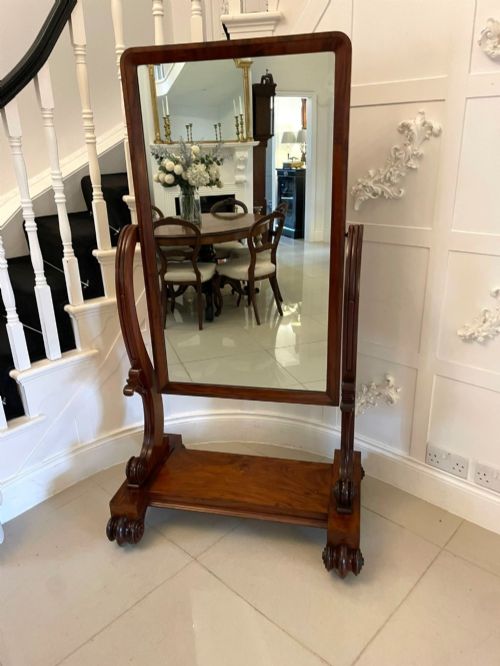
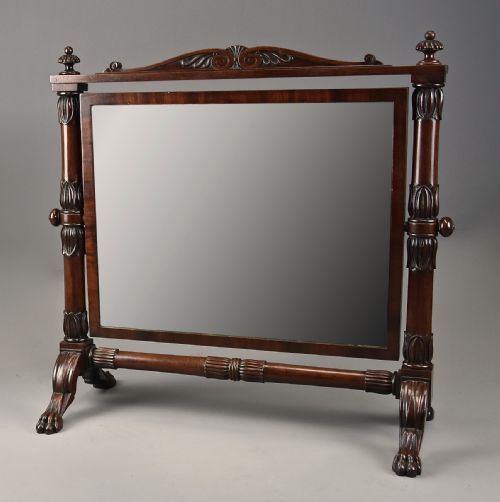
- A full-length swing mirror supported by a freestanding frame with four legs or a sturdy base. This large format allows a person to view their entire outfit.
- Toilet mirror
- A smaller tabletop mirror typically mounted on a box base containing one or more small drawers. These sat upon dressing tables or chests of drawers.
- Shield mirror
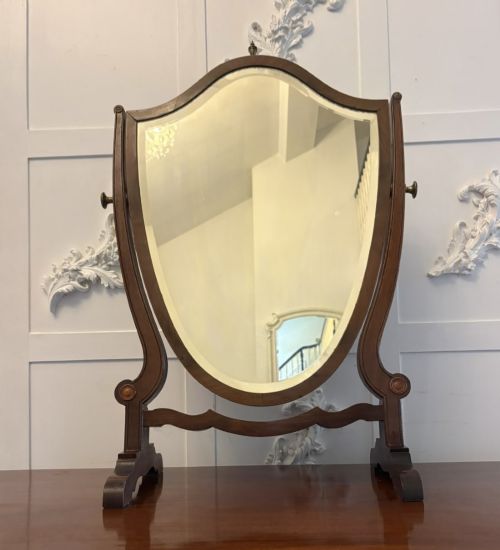
- A swing glass shaped like a traditional heraldic shield, popular during the Georgian period. The curved wooden frame often sits upon shaped box brackets.
- Crossbanding
- A decorative border technique where thin strips of veneer are laid perpendicular to the grain of the main panel. This frames the central wood with a contrasting border.
- Parcel-gilt
- Woodwork partially decorated with gold leaf applied to carved details or mouldings. This highlights specific decorative elements against the dark timber.
Vintage Swing Mirror: Frequently Asked Questions
How do I date a mahogany swing mirror?
Dating relies heavily on observing the timber choice, construction joints, and overall furniture style. Georgian and Regency pieces often feature slender proportions and fine mahogany veneers.
Later Victorian and Edwardian examples tend to be heavier in construction, occasionally incorporating boxwood inlay, heavy mouldings, or machine-cut elements.
What is the difference between a cheval and toilet mirror?
A cheval mirror is a tall, freestanding floor model designed to show a full-length reflection. It relies on a heavy base or upright floor supports to keep the pivoting glass stable.
A toilet mirror is much smaller and sits on top of a surface, frequently incorporating a small set of drawers in the base box to store trinkets.
How do I care for antique wood and mirror glass?
Keep wooden frames away from direct sunlight and sudden temperature changes to prevent the veneer from drying or cracking. Dust regularly with a soft dry cloth and avoid harsh chemical polishes.
For the glass, apply a mild cleaner to a cloth rather than spraying directly onto the surface, ensuring liquid does not seep behind the antique silvering.