



Vintage Swedish Pine Cupboard
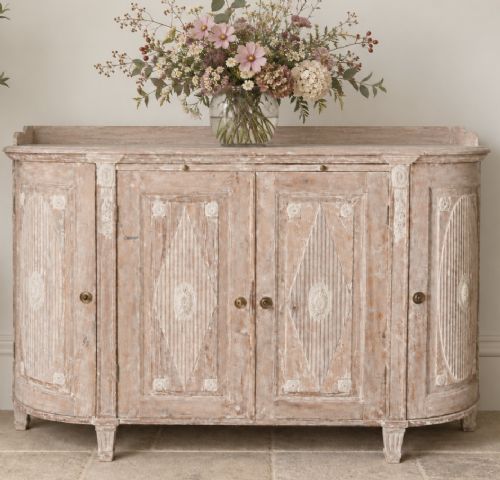
A vintage swedish pine cupboard brings understated Nordic warmth to a room, offering practical storage disguised in soft historic paint.
Vintage Swedish Pine Cupboard
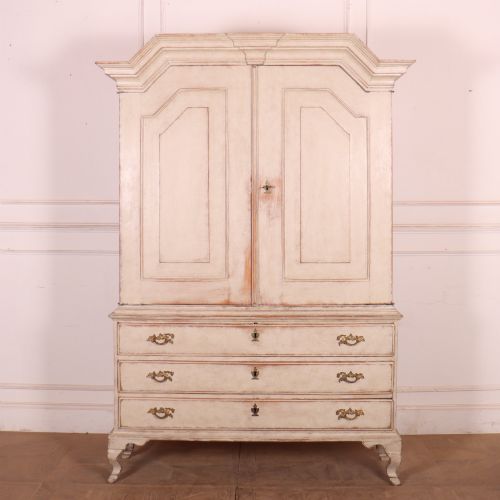
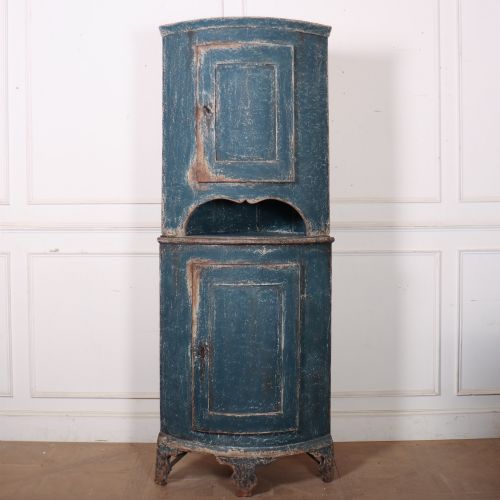
A vintage swedish pine cupboard is a utilitarian storage piece rooted in Scandinavian country traditions, taking forms such as linen cupboards, wall cabinets, and corner cupboards. Buyers encounter these pieces fashioned predominantly during the nineteenth century alongside select eighteenth-century examples.
The most common formats on this page are tall cupboards and kitchen cabinets, often built to house linens or provisions. Styles span from simple rustic country work to more refined Gustavian and Scandinavian folk art expressions.
How they were made
Makers constructed these pieces using solid pine and softwood, joining structural elements with traditional carpentry suited to domestic workshops. Surfaces frequently received layers of paint, including distinctive ragwork finishes applied over the bare timber.
Hardware details typically involve iron and brass hinges or latches, while occasional pieces incorporate glass door panels. Some later variants also feature specialised surfaces such as zinc tops.
Vintage Swedish Pine Cupboard Retail Price Guide 2026
Typical asking prices for vintage swedish pine cupboard among the pieces listed under this phrase on Sellingantiques today, from the lower quarter to the upper quarter. They describe what is for sale here now, not the wider market.
The selection includes specialised variations like zinc-topped sideboards alongside traditional linen and corner cupboards.
What varies in quality
Quality in these pieces rests upon the integrity of the original construction and the character of the surface finish. Finer examples display harmonious proportions, such as bonnet tops or bowfronts, which elevate them beyond basic utility.
The distinction between standard country work and higher styles lies in the decorative ambition, where Gustavian symmetry or layered folk paint finishes demonstrate greater craftsmanship.
The Vintage Swedish Pine Cupboard Glossary
- Gustavian
- The Swedish interpretation of Neoclassical style, characterised by restrained carving, symmetry, and pale painted surfaces. It gained popularity during the reign of King Gustav III and endures in interior design.
- Ragwork
- A decorative paint technique where rags or cloths are used to manipulate wet glaze or paint, creating a textured pattern on the wood. This method was widely used in Scandinavian folk traditions to mimic more expensive materials.
- Bonnet top
- A curved or arched upper hood on a cabinet, designed to give the piece a softer, more architectural silhouette. This feature often houses additional storage or simply adds height.
- Bowfronted
- A convex, curved cabinet front that projects outward in a smooth arc. This shape requires advanced carpentry compared to flat-fronted furniture.
- Softwood
- Timber derived from conifers such as pine, which forms the primary material for these regional cupboards. It was valued for its availability and ease of working.
Vintage Swedish Pine Cupboard: Frequently Asked Questions
What is a vintage swedish pine cupboard?
These pieces are historical storage furniture originating from Sweden, built from pine and frequently finished with painted surfaces. They served essential household functions such as holding linens and kitchen stores.
Today, they function as focal storage items in modern interiors, bringing texture and historical character to living spaces.
How do I use a wall cupboard?
Wall cupboards were originally mounted to store small household goods, spices, or daily provisions within easy reach in domestic kitchens. Their compact footprints make them versatile for smaller rooms.
In contemporary settings, they work effectively in kitchens, bathrooms, or hallways as display and storage units.
What is Gustavian style?
Gustavian design is Sweden's lighter, brighter take on French Neoclassicism, notable for clean lines and pale paintwork. It reflects an architectural desire for symmetry and elegance.
Pieces in this style feel distinct from heavier rustic country furniture due to their refined proportions.
Where did these cupboards originate?
They hail from domestic workshops across Sweden and the broader Scandinavian region during the eighteenth and nineteenth centuries. Makers built them to meet everyday storage needs using locally sourced timber.
Their regional aesthetics reflect the isolation and self-sufficiency of rural Scandinavian communities.