





Distressed Blue Painted Cabinet
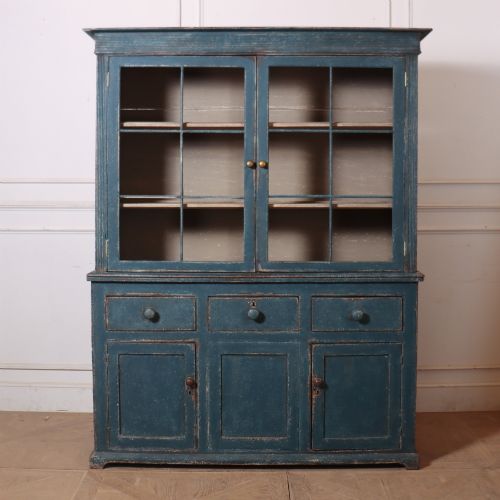
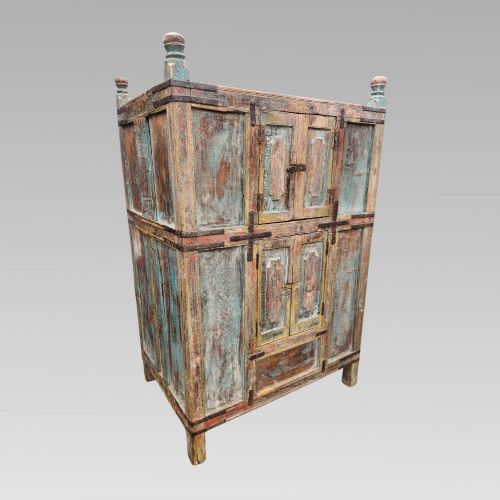
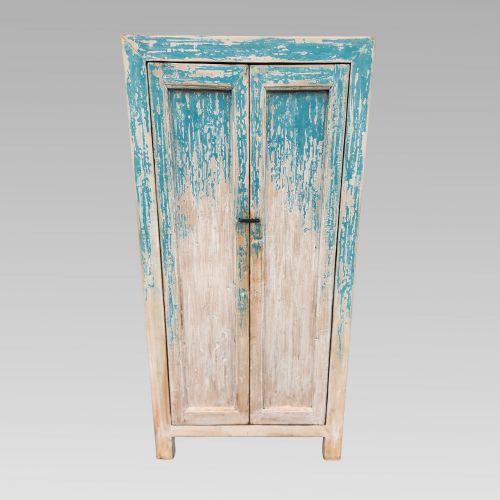
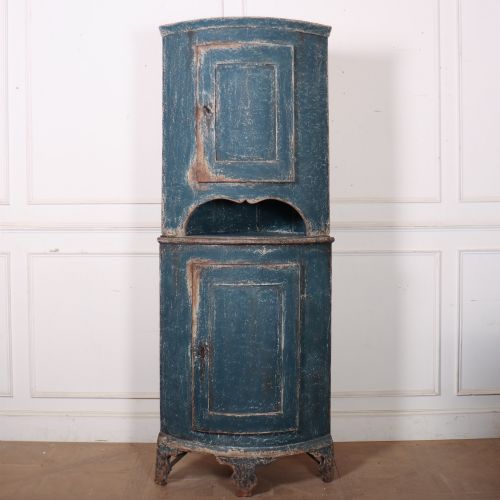
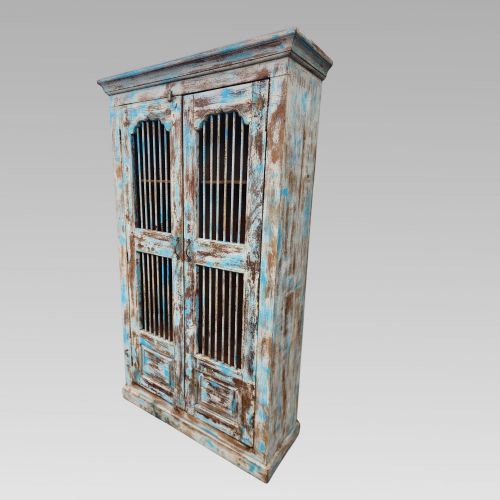
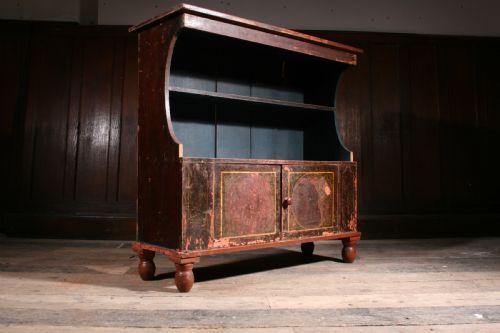
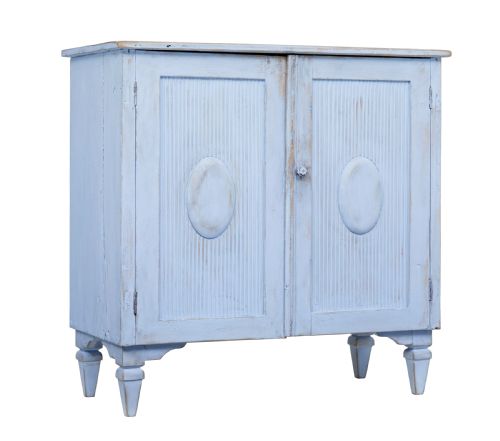
A distressed blue painted cabinet brings honest regional character and functional storage to a room through centuries of weathered pigment.
Distressed Blue Painted Cabinet
When you search for a distressed blue painted cabinet, you are looking at practical storage pieces spanning the eighteenth, nineteenth and early twentieth centuries, finished in blue paint that has worn down naturally through use and age.
The versions you are most likely to meet on this page include nineteenth-century Scandinavian pine cupboards, regional English dressers, and rustic Indian storage pieces such as almirahs.
Forms range from tall linen cupboards and bookcases to small bedside cabinets, commodes and hanging wall cupboards, reflecting the diverse domestic needs of different rural traditions.
How they were made
Pine is the predominant timber found across these pieces, though teak, cedar and mixed hardwoods also appear in Indian and country vernacular pieces.
Surfaces are finished with layers of paint, often applied in traditional hues of blue, which have aged to create the characteristic distressed texture seen today.
Iron and brass fittings such as hinges, handles and latches complete the construction, demonstrating functional ironmongery appropriate to each period.
Distressed Blue Painted Cabinet Retail Price Guide 2026
Typical asking prices for distressed blue painted cabinet among the pieces listed under this phrase on Sellingantiques today, from the lower quarter to the upper quarter. They describe what is for sale here now, not the wider market.
Listings span the eighteenth, nineteenth and early twentieth centuries, incorporating pine, teak, cedar, paint, iron and brass across regional styles.
What varies in quality
The distinction between ordinary utility items and superior examples lies in the integrity of the original paint surface and the balance of proportions.
Regional construction details, such as dovetail joints, pegged framing and original hardware, elevate the workmanship of better pieces.
Purity of style, whether following Gustavian elegance or West Country vernacular tradition, defines the visual success of each individual cabinet.
The Distressed Blue Painted Cabinet Glossary
- Almirah
- A freestanding cupboard or wardrobe originating from the Indian subcontinent, used for general storage. They frequently feature panelled doors and robust wooden construction.
- Gustavian
- The Swedish interpretation of neoclassical design, prominent in the late eighteenth and nineteenth centuries. It is characterised by restrained ornamentation and pale painted finishes.
- Commode
- A low piece of furniture with drawers or doors, functioning as a small cabinet or chest. Swedish examples often stand on slender tapered legs.
- Vernacular
- Architecture and furniture built by local craftsmen using traditional regional methods and materials, rather than following high-style academic designs.
- Linen cupboard
- A tall storage piece designed specifically to hold household textiles and bedsheets. These often feature interior shelving enclosed by double doors.
Distressed Blue Painted Cabinet: Frequently Asked Questions
How are these cabinets cleaned safely?
Dust surfaces gently with a soft, dry cloth to protect the fragile aged paint layers from moisture and abrasion.
Avoid chemical polishes and modern detergents, as these can strip away historic pigment and alter the distressed finish permanently.
Where should I place a blue cabinet?
Position the piece away from direct sunlight and strong heat sources to prevent the timber from warping and the paint from fading further.
These cabinets suit kitchens, hallways and bedrooms where their practical shelving and distinct colour can anchor the room's decor.
How do I identify a Gustavian piece?
Look for neoclassical proportions, fluted columns, and restrained carved details such as ribbon twists or rosettes applied to a painted wooden carcass.
Swedish pieces from this tradition favour a lighter, more harmonious palette compared to heavier regional vernacular furniture.
Are the paint finishes original?
Many listings specify original paint, showing natural wear, craquelure and patination built up over generations of domestic use.
Examine the edges and interior surfaces for consistency in the pigment layers to understand the history of the piece's exterior.