
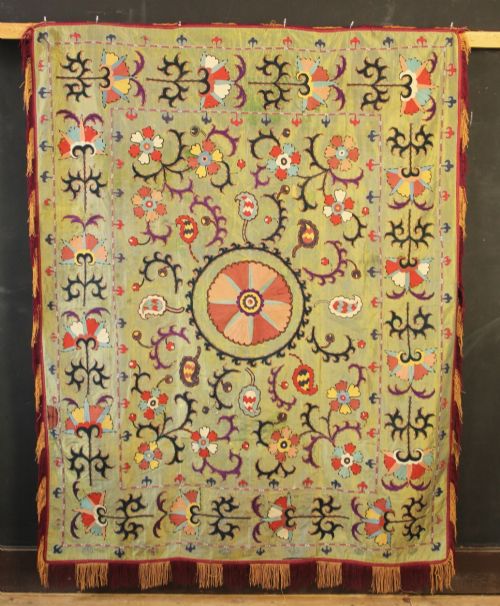


Vintage Suzani Panel
When you search for a vintage suzani panel, you enter a world of richly embroidered Central Asian textiles created for domestic and ceremonial life.
Vintage Suzani Panel
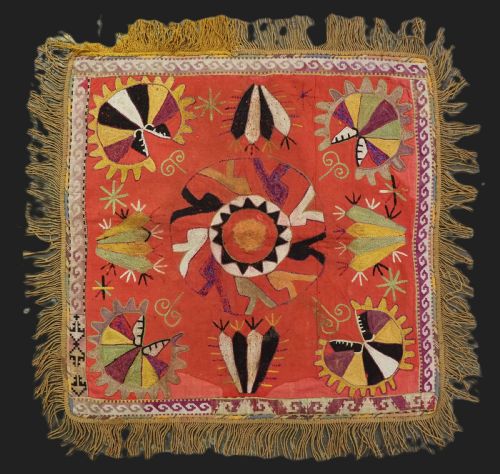
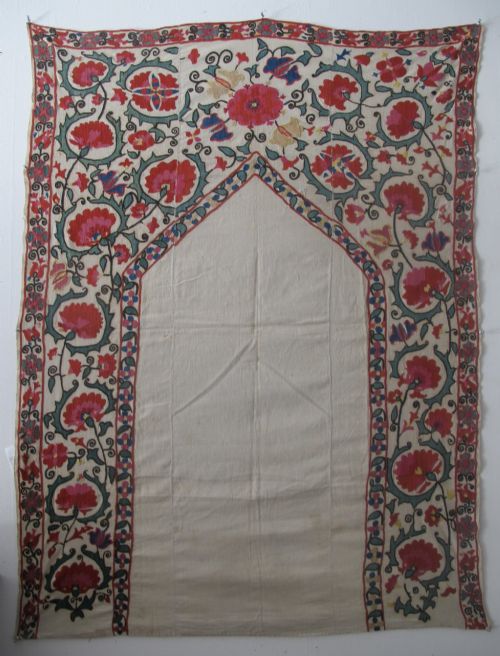
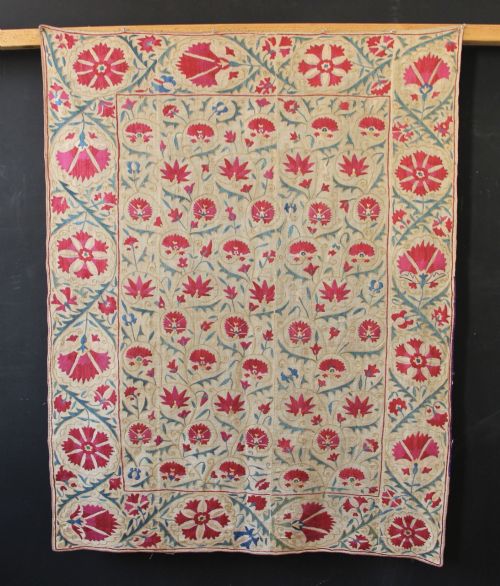
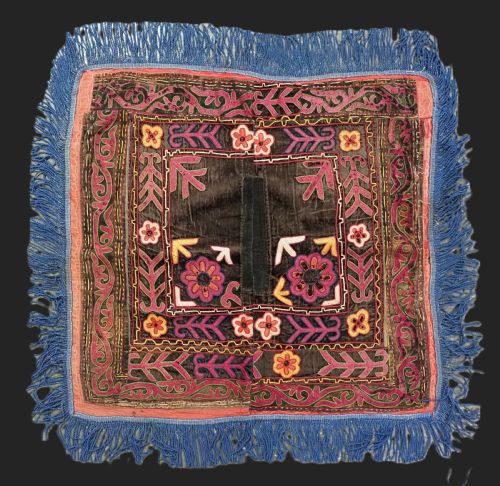
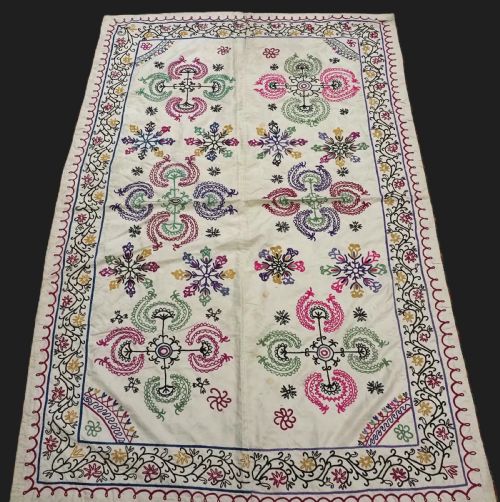
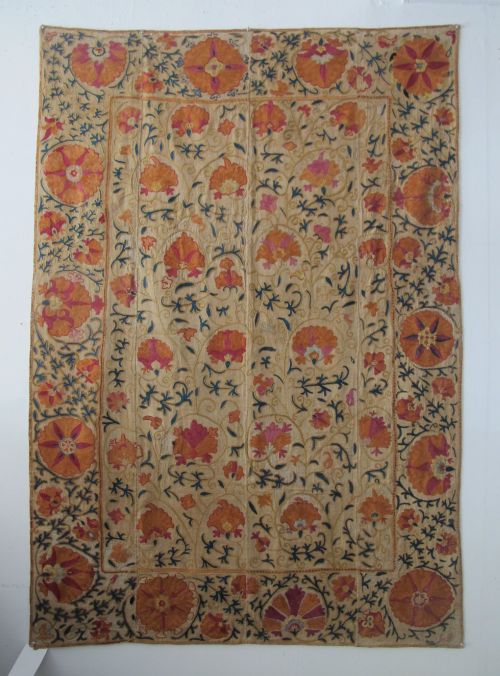
A vintage suzani panel is a traditional embroidered textile originating from Central Asia, particularly associated with Uzbek, Tajik, and Kyrgyz makers. These works served diverse domestic and ceremonial functions, functioning as dowry pieces, wall hangings, yurt decorations, and prayer coverings.
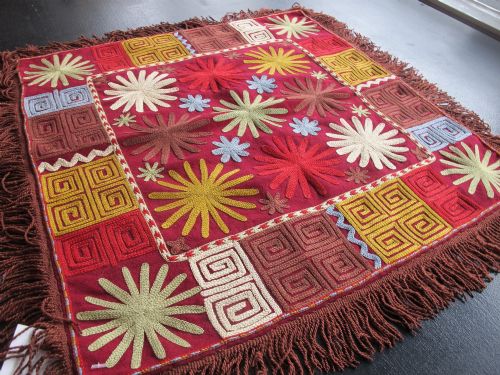
The selections available range from full-sized wall hangings to smaller format nim suzanis and specialised tribal pieces like ilgich and tush kyiz. Buyers frequently encounter regional variations originating from historical centres such as Bokhara, Samarkand, Shakrisabz, and Tashkent.
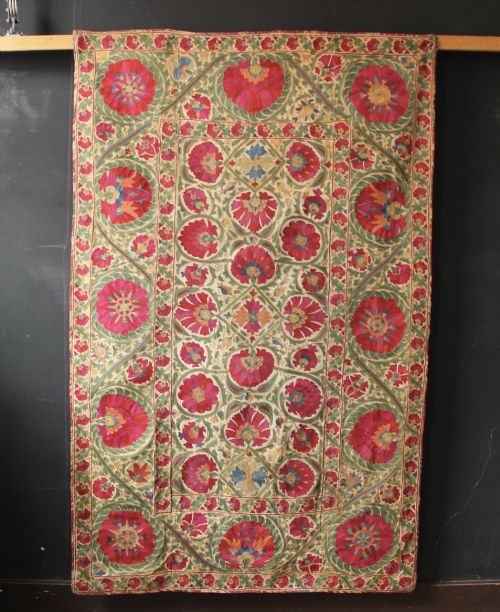
Dated examples span from the mid nineteenth century through the early decades of the twentieth century, reflecting traditional Central Asian folk art and tribal motifs. Each textile exhibits distinct regional patterns, from architectural designs to central stars and dense floral compositions.
Materials and construction techniques
Makers utilised natural foundations including woven cotton, wool, velvet, and adras, which is a traditional silk and cotton blended fabric. These diverse grounds provided durable bases for intricate needlework.
Silk thread served as the primary medium for the extensive embroidery that covers the surfaces, executed in specialised stitches by skilled hands. The combination of lustrous silk thread against matte cotton or wool grounds creates the characteristic texture of these textiles.
Vintage Suzani Panel Retail Price Guide 2026
Typical asking prices for vintage suzani panel among the pieces listed under this phrase on Sellingantiques today, from the lower quarter to the upper quarter. They describe what is for sale here now, not the wider market.
Among the nomadic horse gear and yurt furnishings, makers occasionally stitched tiny amulet embroideries designed to ward off misfortune.
Quality factors in embroidery and design
Quality rests significantly on the density of the embroidery work and the fineness of the needle execution across the surface. Fully embroidered palak panels or pieces with intricate architectural details demonstrate advanced technical skill.
The vitality and preservation of the dyed silk threads heavily influence the visual impact of the piece. Well-composed floral arrangements and balanced tribal motifs, whether from the Lakai tribe or urban workshops, separate standard examples from exceptional ones.
The Vintage Suzani Panel Glossary
- Suzani
- A traditional embroidered textile from Central Asia, derived from the Persian word for needle. These pieces typically feature floral or geometric motifs worked in silk on a cotton or linen ground.
- Nim Suzani
- A smaller or half-sized version of the standard suzani panel. These compact textiles were often utilised for specific domestic spaces or as portable dowry items.
- Palak
- A fully embroidered suzani type originating from Tashkent, characterised by dense needlework that covers almost the entire ground fabric. They frequently feature central star medallions and powerful cosmic symbolism.
- Ilgich
- A specific form of tribal embroidery created by the Lakai people of Uzbekistan. These pieces were often used as dowry items or wall hangings within nomadic dwellings.
- Adras
- A traditional Central Asian fabric woven from a blend of silk and cotton yarns. It provided a textured, striped or plain ground for subsequent silk embroidery.
Vintage Suzani Panel: Frequently Asked Questions
How were suzani panels used originally?
These textiles served multiple roles within Central Asian households, functioning as wall hangings, decorative covers, and integral elements of a bride's dowry. Nomadic communities also utilised specialised forms within yurts and as ceremonial horse covers.
Over generations, families displayed them during important life events, reflecting both status and artistic heritage through their intricate needlework.
What is the difference between a suzani and a nim suzani?
A standard suzani is a large format textile designed to cover a significant portion of a wall inside a traditional home. A nim suzani is simply a smaller version of the same tradition.
Both formats employ identical silk embroidery techniques and regional motifs, but the nim suzani offers greater versatility for display in modern domestic spaces.
How do I care for a vintage textile?
Protect fragile silk threads and natural ground fabrics by keeping the textile away from direct sunlight, which can fade natural dyes over time. Gentle mounting away from moisture ensures the fibres remain stable.
Avoid chemical cleaning methods and consult a textile conservation specialist if the piece requires dusting or stabilization.
How can I identify regional styles?
Regional attribution relies on distinct design vocabularies, such as the architectural layouts associated with Bokhara or the dense star patterns typical of Tashkent Palak panels. Tribal groups like the Lakai utilise distinct geometric layouts and specific colour palettes.
Comparing motif structures and ground materials helps differentiate urban workshop pieces from rural or nomadic tribal embroidery.