
Vintage Sub Second Watch
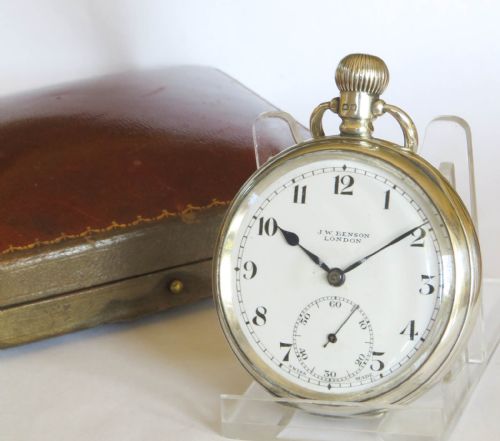
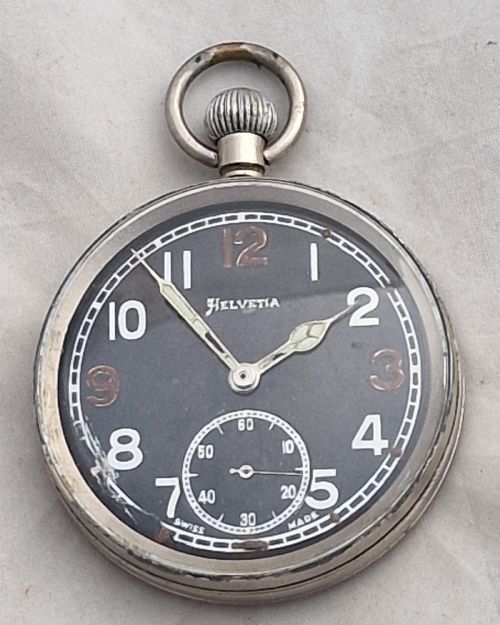
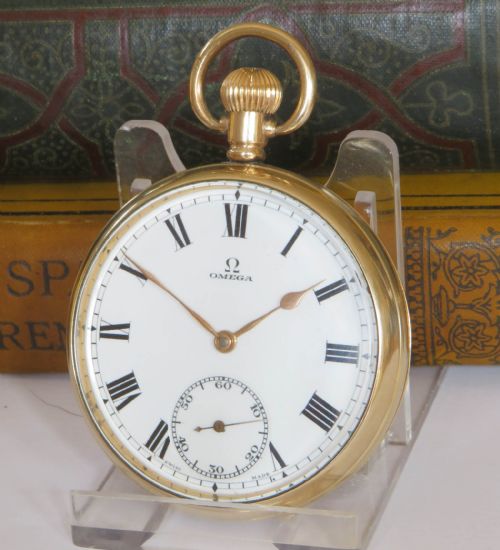
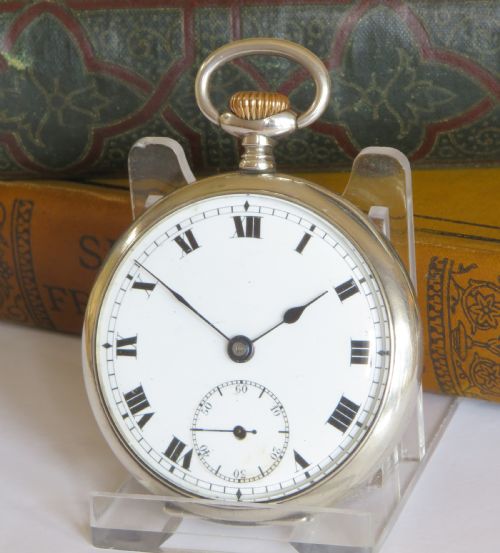
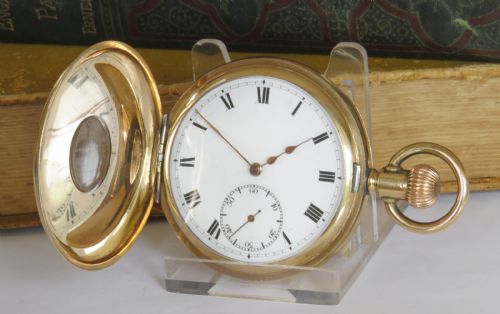
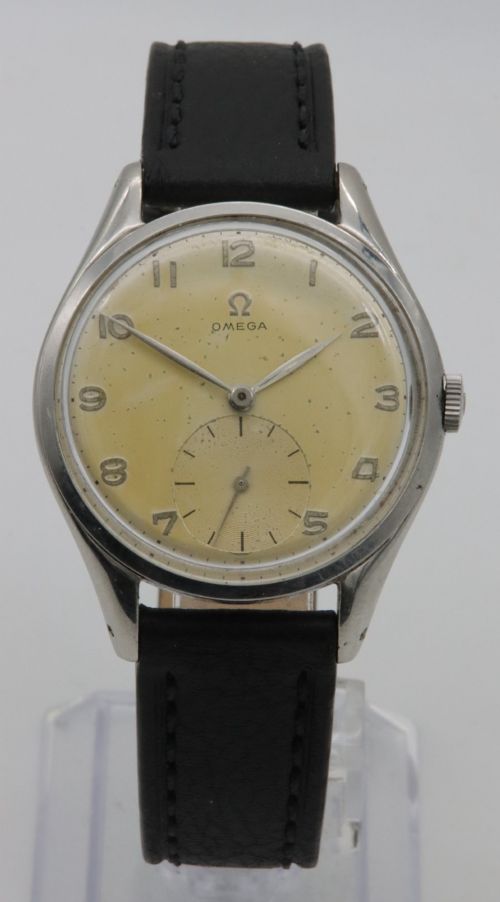
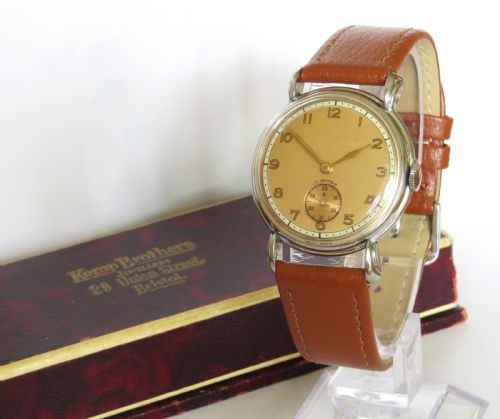
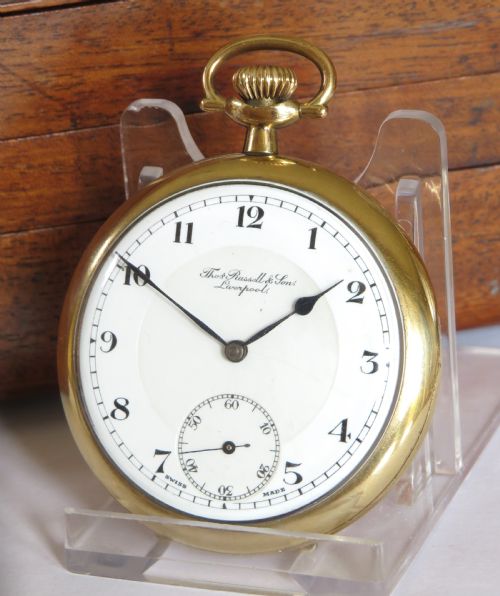
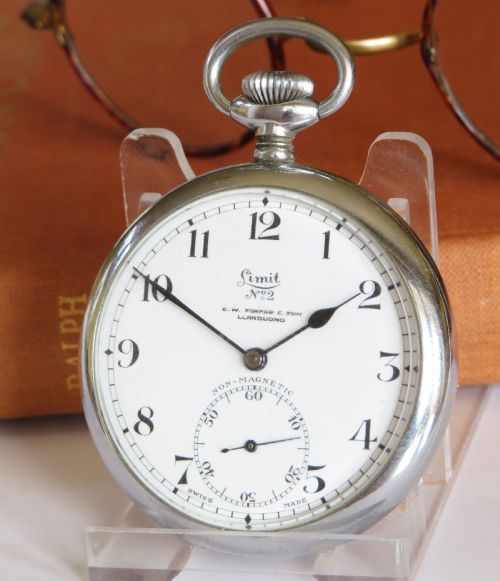
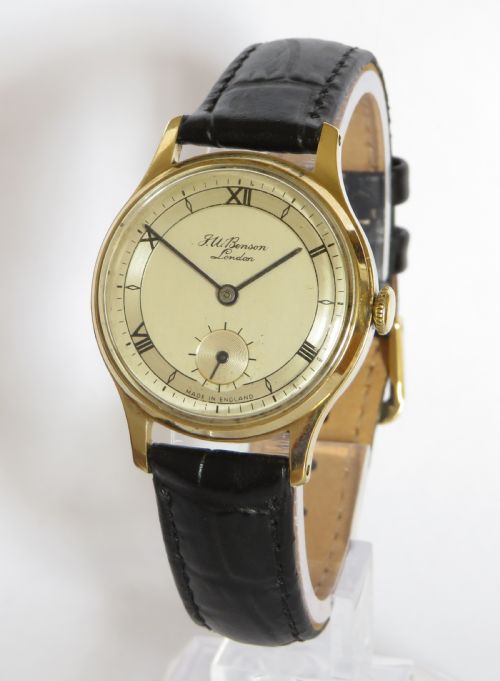
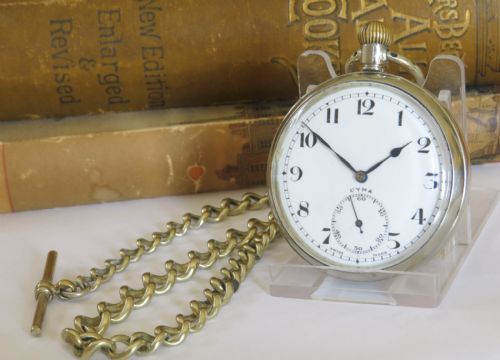
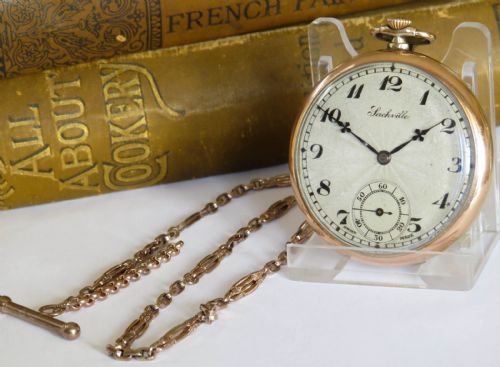
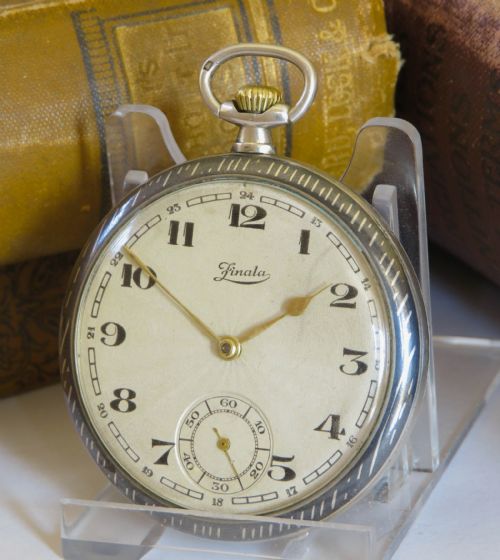
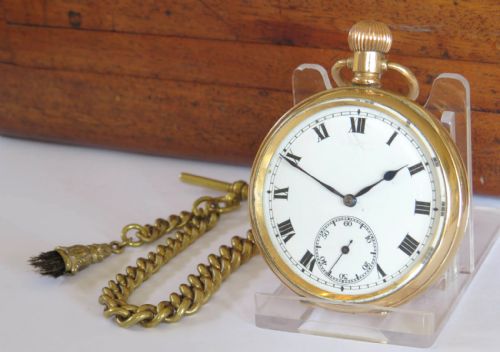
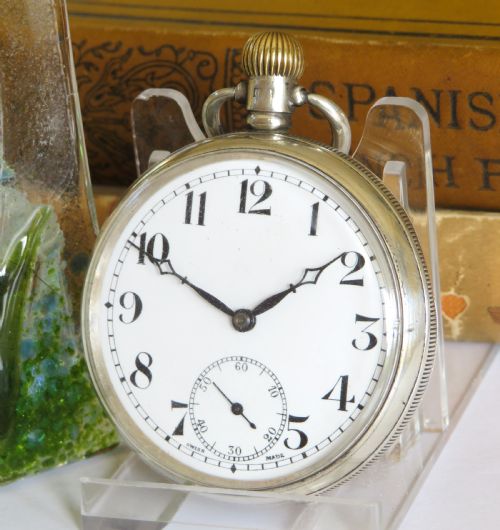
A vintage sub second watch places the seconds hand on its own separate dial, offering a clean mechanical layout seen across pocket and wrist watches.
Vintage Sub Second Watch
A vintage sub second watch groups together timepieces from the early twentieth century through the middle decades, spanning periods from Victorian and Edwardian eras to Art Deco and Mid-Century designs. Buyers search for these pieces to acquire mechanical timekeepers that display hours and minutes on the main dial while tracking seconds in a smaller subsidiary dial.
Pocket watches and wristwatches form the primary shapes on this page, housed in metals including silver, gold plate, stainless steel, and brass. Examples range from military issue pieces to presentation items with engraved bravery awards and everyday dress models.
The selection includes British, Swiss, and German pieces, reflecting manufacturing hubs from the nineteen-tens through the nineteen-fifties. Pocket watches dominate the earlier decades, while wristwatches emerge more frequently by the nineteen-forties and nineteen-fifties.
How they were made
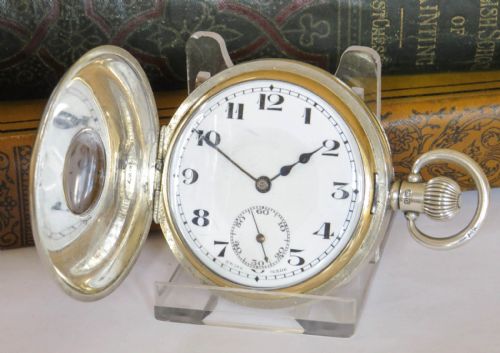
Cases utilise metals such as solid silver, gold plate, stainless steel, brass, and base metal alloys, fitted with glass crystals over enamelled or metal dials. Pocket watch cases often incorporate hinged backs or half hunter covers with glass or enamelled apertures.
Movements rely on mechanical gear trains driven by mainsprings, assembled with jewelled bearings and regulated by balance wheels. Dials feature printed or painted numerals, frequently paired with railway tracks for minute and second increments.
Listings span the twentieth century from nineteen hundred to the nineteen-fifties, featuring silver, gold plate, stainless steel, and brass.
What varies in quality
The standard of finishing on the movement plates and the number of jewels used in the escapement separate standard commercial calibres from high grade mechanisms. Better examples originate from established Swiss and British workshops known for precise regulation.
Case materials and hallmarks also dictate tier, with solid silver and gold plate offering greater durability and substance than basic metal alloys. Dial preservation, particularly the clarity of enamel and original hands, influences the integrity of the piece.
J W Benson·Omega·Waltham·Smiths·Cyma
The Vintage Sub Second Watch Glossary
- Sub second
- A subsidiary dial positioned below the centre axis of a watch face, dedicated solely to tracking seconds. This layout separates the secondary motion from the main hour and minute hands.
- Hunter pocket watch
- A pocket watch featuring a spring-loaded metal cover that protects the glass crystal. The cover must be opened via a pusher on the crown to read the time.
- Half hunter pocket watch
- A pocket watch style with a metal outer case lid containing a glass or open aperture in the centre. This allows the wearer to check the hour hands without opening the full cover.
- Niello
- A black metallic alloy used as an inlay on engraved metal surfaces to create contrasting decorative patterns. It appears frequently on decorative pocket watch cases from the early twentieth century.
- Calibre
- A specific manufacturer's designation for a particular watch movement design. Collectors use this term to identify the mechanical architecture housed inside the case.
Vintage Sub Second Watch: Frequently Asked Questions
What is a vintage sub second watch?
A vintage sub second watch is a mechanical timekeeper where the seconds hand sits on a separate dial, usually positioned above the six o'clock marker. These pieces span pocket and wrist formats from the early to mid-twentieth century.
They rely entirely on manual wind or early automatic movements, differing from modern watches that place the seconds hand on the central axis.
How do I wind a pocket watch?
You wind a vintage pocket watch by turning the crown clockwise until you feel slight resistance. Do not force the crown once tension builds, as this can damage the mainspring.
Most period pieces require winding daily to maintain consistent operation and timekeeping accuracy throughout use.
Are these watches waterproof?
Vintage timepieces lack modern rubber gaskets and screw-down crowns, meaning they offer no guaranteed resistance against moisture or water exposure. Even military-issued pieces from the nineteen-forties should be kept away from water.
Humidity and liquid ingress can damage delicate steel movement components and stain paper or enamelled dials.
How do I date a vintage watch?
Dating relies on movement serial numbers, case hallmarks, and stylistic indicators such as dial typography and hand shapes. British silver cases often feature assay office marks and date letters.
Reference tables specific to each manufacturer help connect serial numbers stamped on the movement to precise production years.